🎁 Free bonus seeds with every pack 🚚 Discreet tracked shipping worldwide 🌱 Germination guarantee on every order

Author: buyweedseeds

  • Master LST, Topping & SCROG: Boost Cannabis Yields in 2026

    Master LST, Topping & SCROG: Boost Cannabis Yields in 2026

    Master LST, Topping & SCROG: Boost Cannabis Yields in 2026

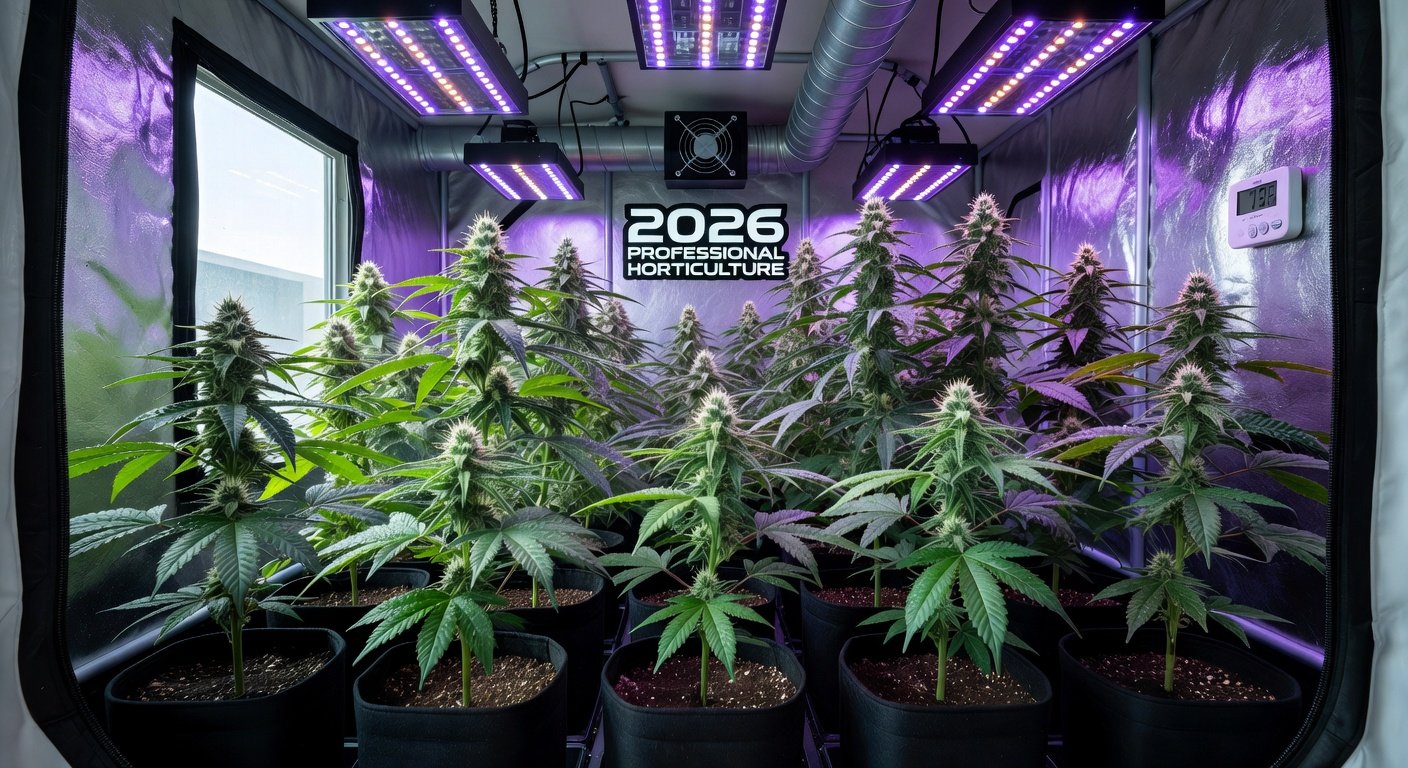
    In the evolving world of cannabis cultivation, 2026 brings exciting opportunities for home growers to maximize their harvests. With legalization expanding across many regions, enthusiasts are turning to proven techniques like low-stress training (LST), topping, and the Screen of Green (SCROG) method to optimize space and boost yields. These methods manipulate plant structure during the vegetative stage, encouraging bushier growth and more bud sites without overwhelming stress. Whether you’re growing indoors under LEDs or outdoors in a sunny garden, mastering these techniques can double your production while keeping plants healthy.

    This guide dives deep into each method, providing step-by-step instructions, ideal timing in the vegetative phase, strain recommendations, and troubleshooting for common pitfalls like uneven growth. By the end, you’ll be equipped to integrate these into your setup for bountiful results.

    Understanding Low-Stress Training (LST) for Cannabis

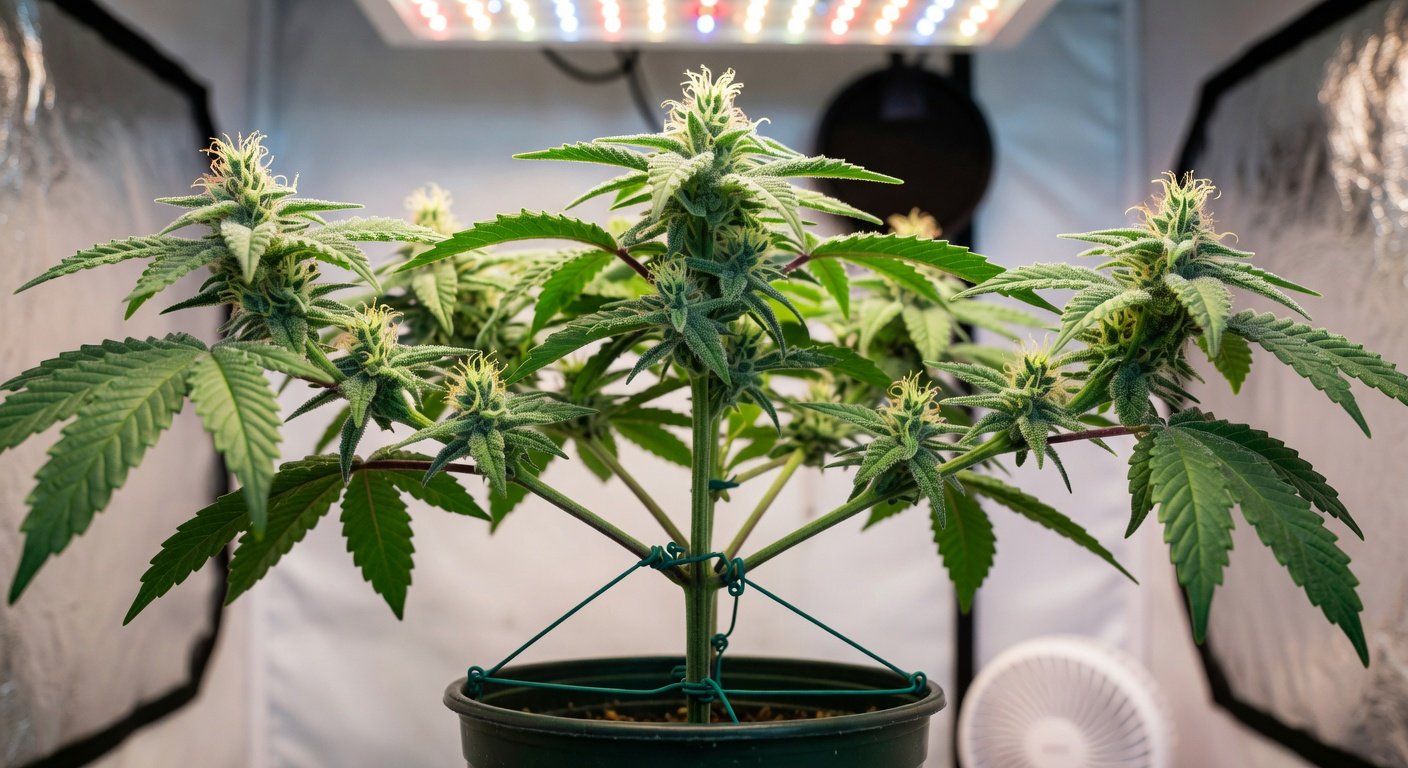
    Low-stress training (LST) is a gentle technique that involves bending and tying down branches to create an even canopy. Unlike high-stress methods, LST promotes horizontal growth, exposing more bud sites to light and improving airflow. It’s perfect for small spaces and helps prevent tall, lanky plants that stretch toward lights.

    LST is best applied early in the vegetative stage, around 2-3 weeks after germination when the plant has 4-6 nodes. This timing allows the plant to recover quickly without stunting growth. For indoor grows, use soft plant ties or yo-yos; outdoors, natural elements like wind can assist, but manual intervention ensures control.

    Step-by-Step Guide to LST

    1. Prepare your tools: Gather garden wire, soft ties, and scissors. Ensure your grow space has adjustable lights to maintain 18-24 inches above the canopy.
    2. Identify the main stem: Gently bend the tallest stem downward toward the pot’s edge. Avoid snapping it—cannabis stems are flexible in veg.
    3. Secure the bend: Tie the stem loosely to the pot edge or a stake. Aim for a 90-degree angle to flatten the growth.
    4. Train side branches: As new growth emerges, repeat on lateral branches, creating a star-shaped canopy. Check daily and adjust ties to prevent constriction.
    5. Maintain during veg: Continue for 4-6 weeks until the plant fills the space. Transition to flower when ready, removing ties gradually.

    Expect a 20-50% yield increase with LST, as it distributes light evenly. For best results, pair with autoflowering strains that have short veg periods.

    Topping: A High-Impact Technique for Bushier Plants

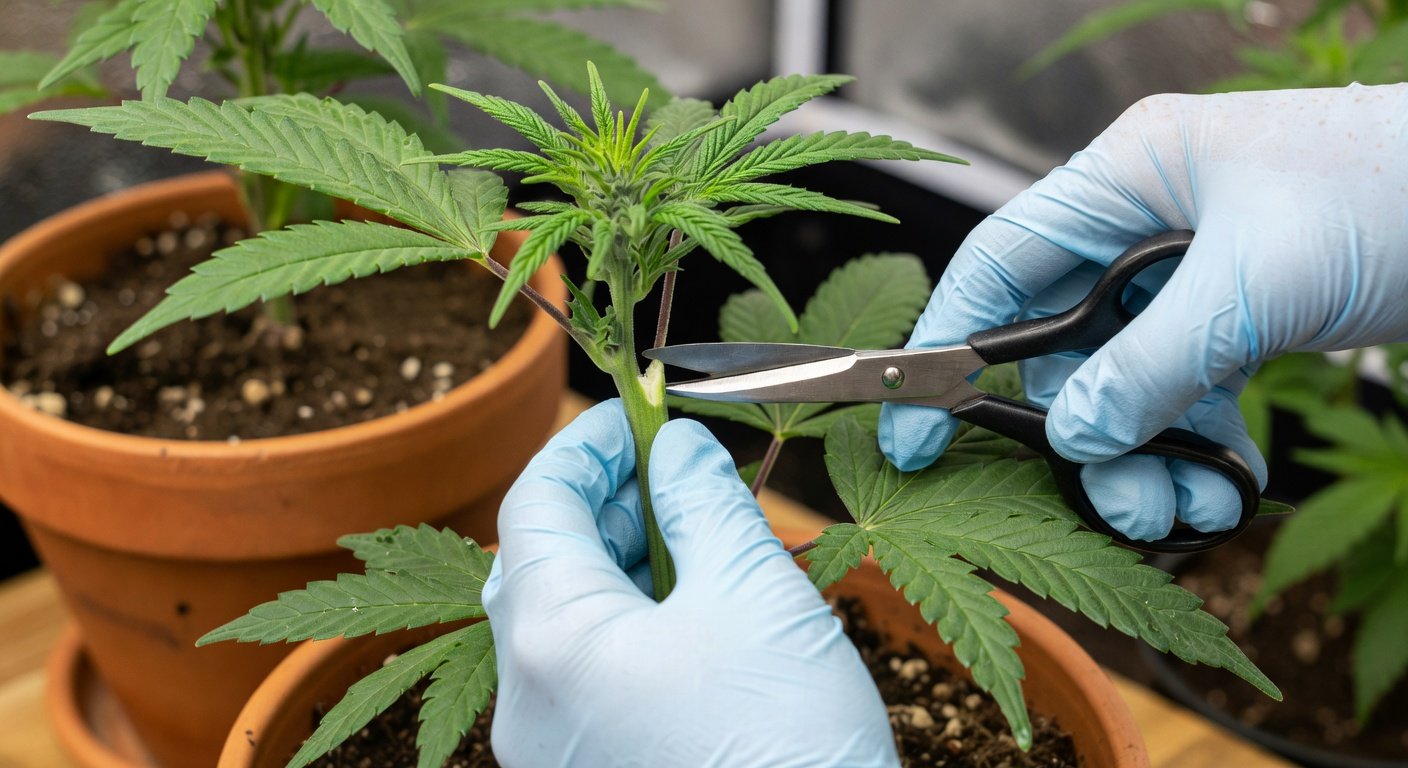
    Topping involves cutting the main stem’s tip to force the plant into a bushy structure with multiple colas. This high-stress method (though less so than defoliation) redirects energy from vertical height to lateral branches, ideal for maximizing yields in limited vertical space like tents or closets.

    Apply topping during the vegetative stage, specifically after the plant develops 4-6 nodes (around 3-4 weeks from seed). Wait until nodes are strong to minimize shock. It’s versatile for both indoor hydroponics and outdoor soil beds, but indoor growers benefit most from the controlled environment.

    Step-by-Step Guide to Topping

    1. Select the plant: Choose healthy seedlings past the seedling stage. Use sterilized scissors to avoid infection.
    2. Locate the top: Find the newest growth tip above the 3rd or 4th node pair. This is where you’ll cut.
    3. Make the cut: Snip just above the nodes at a 45-degree angle. Remove about 1/4 inch of the stem tip.
    4. Recovery period: The plant may pause growth for 3-7 days. Provide optimal conditions: 18/6 light cycle, 70-80°F temps, and high humidity.
    5. Encourage branching: Once recovery starts, new tops will emerge from the cut nodes. You can top again after 2 weeks for even more colas, up to 4-8 tops total.

    Topping can increase yields by 30-100%, but it shortens the main cola. Combine with LST for hybrid results. According to experts at Leafly, topping works wonders on photoperiod strains with vigorous veg growth.
    SCROG: The Screen of Green Method Explained

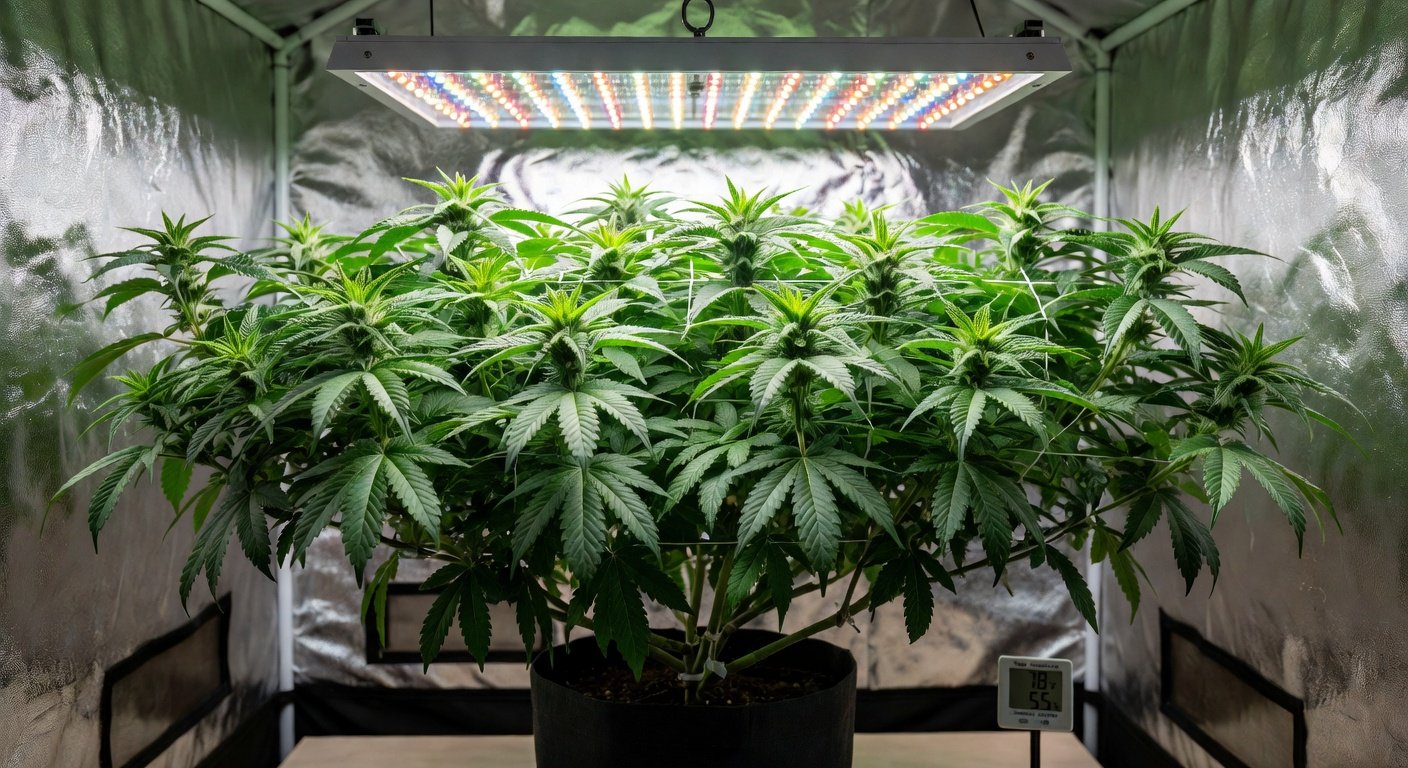
    The Screen of Green (SCROG) uses a horizontal net to train branches, creating a flat, light-maximizing canopy. This technique is a game-changer for indoor setups with low ceilings, turning one plant into a sea of buds. Outdoors, it adapts well to trellises in gardens, protecting from wind while optimizing sun exposure.

    Introduce SCROG in mid-vegetative stage, about 3-4 weeks in, once the plant reaches 8-12 inches. The net should be installed 6-12 inches above the pots, with 2-4 inch squares for weaving.

    Step-by-Step Guide to SCROG

    1. Install the screen: Use a SCROG net or chicken wire frame. Secure it firmly to your grow tent or frame.
    2. Start training: As shoots grow, gently weave them horizontally through the net holes. Bend resistant branches slowly.
    3. Fill the canopy: Aim to cover 70-80% of the screen before flipping to flower. This may take 4-6 weeks in veg.
    4. Vegetative maintenance: Tuck new growth daily. Prune lower leaves for airflow, but avoid over-defoliating.
    5. Flowering transition: Once full, switch to 12/12 light. Buds will develop evenly across the screen, harvesting in 8-10 weeks.

    SCROG can boost yields up to 2x by ensuring every bud site gets light. It’s labor-intensive but rewarding for sea-of-green style grows.

    Best Strains for LST, Topping, and SCROG Success

    Not all strains respond equally. Indica-dominant hybrids like Northern Lights or Blue Dream excel in LST due to their compact structure and quick recovery. For topping, vigorous sativas like Jack Herer thrive, producing multiple strong colas. SCROG shines with balanced strains such as Girl Scout Cookies, which bush out naturally.

    Autoflowers like Auto AK-47 are forgiving for beginners, as their fixed veg cycle (3-4 weeks) aligns perfectly with these methods. Always source seeds from reputable banks; photoperiods offer more control for advanced growers. In 2026, look for strains bred for resilience against pests, enhancing technique efficacy.

    When to Apply These Techniques in the Vegetative Stage

    The vegetative stage is crucial, lasting 4-8 weeks under 18/6 lighting. LST starts earliest (week 2) for subtle shaping. Topping follows in weeks 3-4 to build structure. SCROG integrates both, beginning in week 3 to weave growth.

    Monitor plant health: Apply when stems are pliable and nodes are defined. For outdoors, align with spring growth spurts, using natural light cycles. Indoors, consistent LEDs (300-600 PPFD) support recovery. Avoid techniques during early seedling or late veg to prevent stress before flower.

    Troubleshooting Common Issues: Uneven Growth and More

    Uneven growth is a frequent headache. For LST, if one side lags, adjust light distance or add supplemental LEDs. In topping, slow recovery signals overwatering—dial back to let soil dry between feeds. SCROG imbalances occur from poor weaving; rotate the net periodically for even exposure.

    • Stem breakage: Use softer ties and bend gradually. If snapped, apply honey as a natural seal.
    • Pest interference: Inspect ties for hiding spots; neem oil helps without stressing plants.
    • Light burn in dense canopies: Raise lights or prune selectively. For outdoors, shade cloth prevents sun scorch.
    • Nutrient lockout post-training: Flush with pH-balanced water (6.0-6.5 soil, 5.5-6.0 hydro) and resume feeding at half strength.

    Integrate with setups: Indoors, these methods pair with hydro or coco for faster veg; outdoors, they enhance trellis systems per USDA guidelines on sustainable gardening at USDA.gov. Track pH, EC, and humidity (40-60% veg) to avoid compounded issues.

    Indoor vs. Outdoor Integration for Optimal Yields

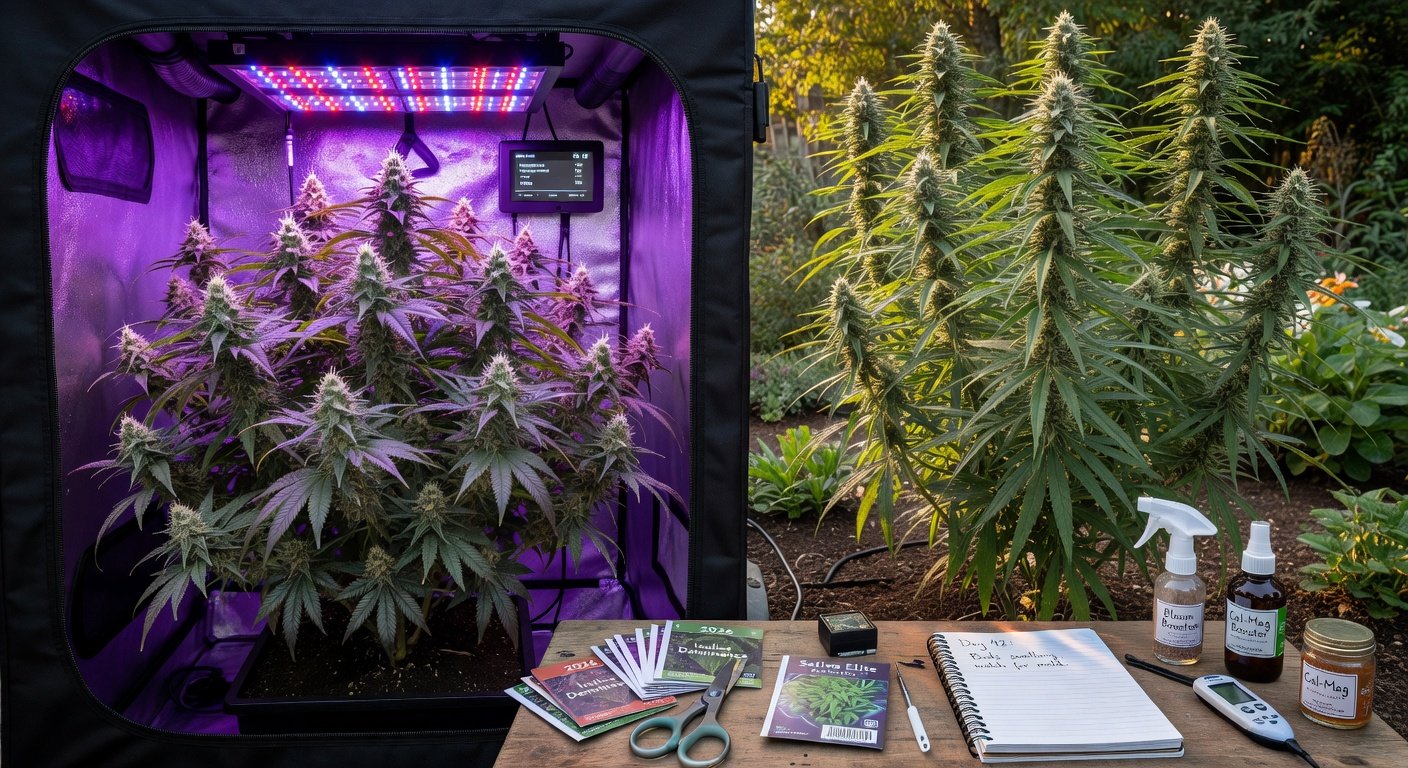
    Indoors, LST, topping, and SCROG control height in 4×4 tents, yielding 1-2 grams per watt. Use reflective walls and oscillating fans for airflow. Outdoors, these techniques mimic natural bushiness, protecting from elements in 2026’s variable climates. Space plants 2-3 feet apart; LST secures against storms.

    Hybrid approaches work too: Start indoors for precision training, then transplant outdoors for natural boosting. Always comply with local laws—resources like NORML.org offer state-specific advice.

    In conclusion, incorporating LST, topping, and SCROG into your 2026 grow routine empowers you to harvest denser, healthier buds. Start small, observe your plants, and scale up. With practice, these techniques will transform your home cultivation into a high-yield success story.
  • 7 Essential Tips for Buying Cannabis Seeds in 2026

    7 Essential Tips for Buying Cannabis Seeds in 2026

    7 Essential Tips for Buying Cannabis Seeds in 2026

    As cannabis cultivation continues to evolve in 2026, home growers and enthusiasts face a booming market flooded with seed options. With legalization expanding across more regions, selecting high-quality seeds with stable genetics is crucial for successful breeding and bountiful harvests. Unstable genetics can lead to inconsistent yields, poor potency, or even failed grows, wasting time and money. This guide outlines seven essential tips to help you identify reliable seeds from reputable seed banks, focusing on breeder verification, reviews, lab testing, guarantees, and shipping. By following these, you’ll ensure your 2026 grow is off to a strong start.

    1. Research Breeder Lineage and Reputation

    The foundation of stable genetics lies in the breeder’s lineage. Reputable breeders invest years in stabilizing strains through selective breeding, resulting in predictable traits like growth patterns, THC/CBD levels, and resistance to pests. Start by verifying the breeder’s history—look for those with documented parent strains and breeding programs dating back at least a decade.

    For example, breeders like Dutch Passion or Sensi Seeds have lineages tracing to the 1980s, known for classics like White Widow. In 2026, check seed bank websites for breeder bios and cross-reference with independent forums. A red flag? Anonymous breeders or vague origins, which often signal unstable hybrids prone to hermaphroditism.

    To dig deeper, visit authoritative sources like Leafly, where strain databases detail breeder contributions and user-verified stability.

    2. Prioritize Customer Reviews and Community Feedback

    Don’t rely solely on seed bank marketing—real grower experiences reveal genetic stability. In 2026, platforms like GrowDiaries and Reddit’s r/microgrowery host thousands of reviews on seed performance, from germination rates to final bud quality.

    Look for patterns: Seeds from banks like Seedsman or ILGM often score high for consistency, with users reporting 90%+ feminized success rates. A real-world example is the 2025 backlash against a lesser-known bank selling ‘auto-flowering’ seeds that reverted to photoperiod, leading to stunted plants. Red flags include sparse reviews, overly glowing testimonials without photos, or complaints about variability in terpene profiles.

    Aim for banks with verified buyer photos and long-term follow-ups to confirm multi-generation stability for breeding projects.

    3. Seek Lab-Tested Stability and Genetic Purity

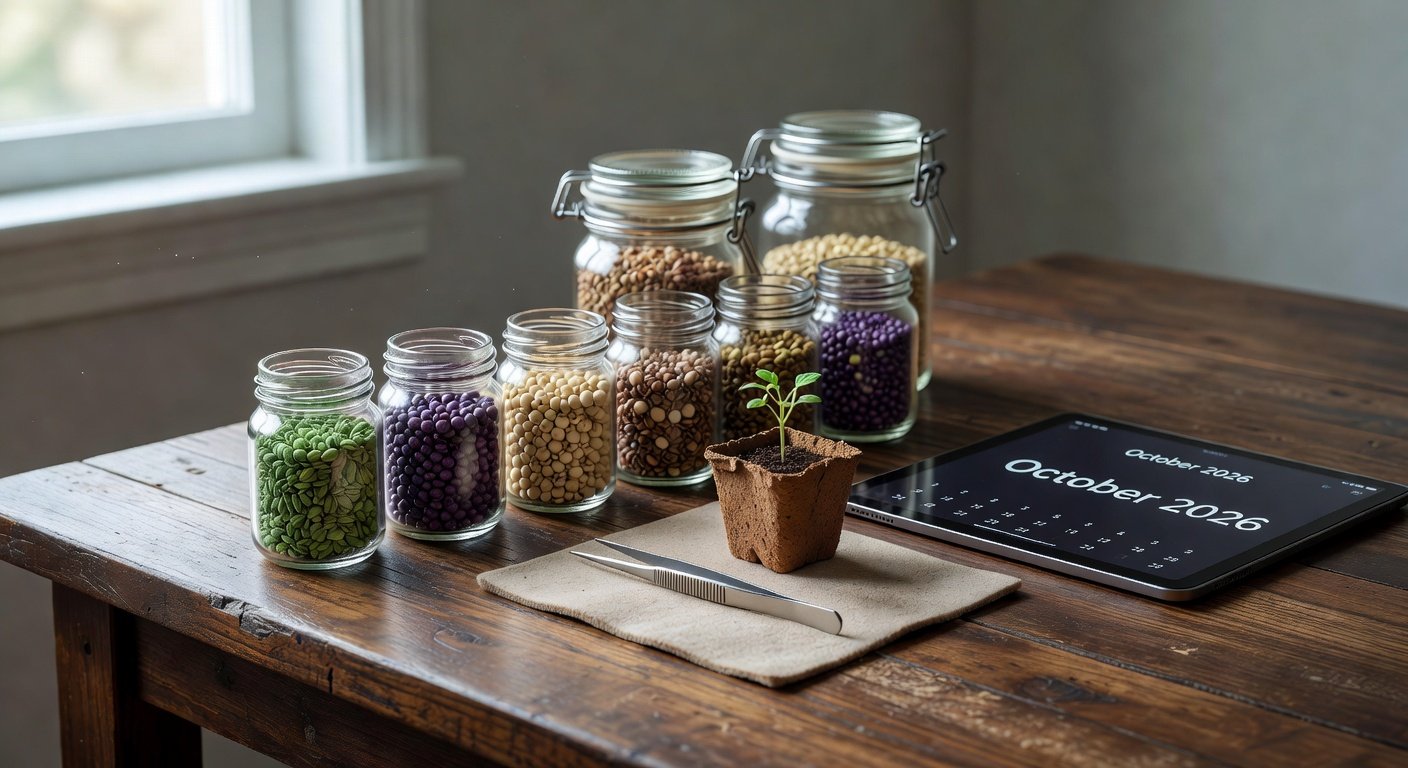
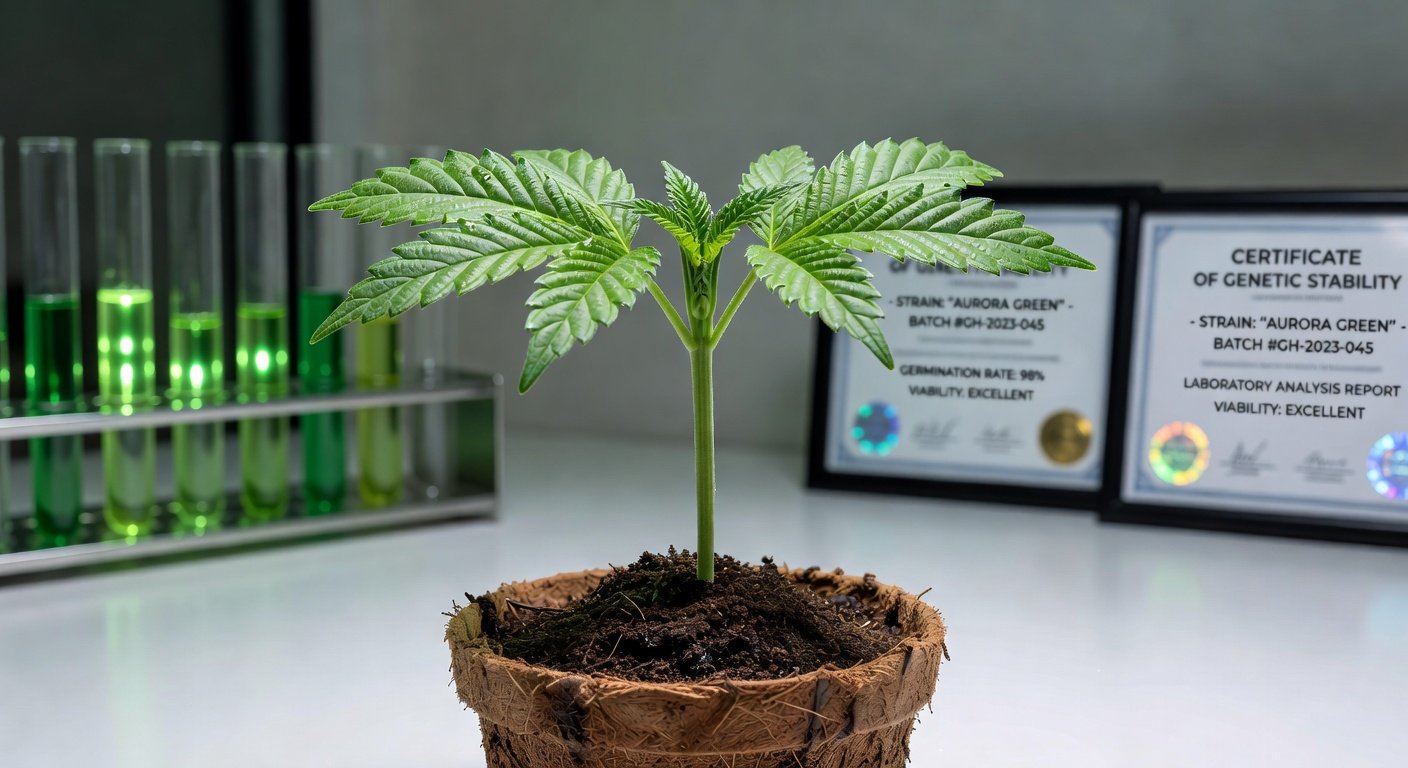
    Lab testing has become standard in 2026, with many seed banks providing certificates for genetic purity and stability. Tests confirm traits like cannabinoid ratios and absence of contaminants, ensuring your seeds produce uniform plants.

    Reputable banks like Barney’s Farm offer third-party lab results showing low hermie rates under stress. For instance, their Gorilla Zkittlez strain has been lab-verified for 95% stability across phenotypes. Avoid banks without COAs (Certificates of Analysis)—a major red flag for unstable genetics that could introduce mold-resistant but low-yield traits unexpectedly.

    Pro tip: Cross-check with organizations like the National Organization for the Reform of Marijuana Laws (NORML) for guidelines on what to look for in tested seeds.

    4. Demand Germination Guarantees and Support

    A solid germination guarantee is non-negotiable for 2026 buyers. Top seed banks replace failed seeds free of charge, often with rates above 95%. This backs their claim of stable genetics, as poor germination signals weak viability.

    Take Royal Queen Seeds—they guarantee 90% germination and provide detailed guides. In a 2026 case, a grower in California reported 100% success with their Critical Kush, crediting the bank’s responsive support. Red flags? No-reshipment policies or excuses like ‘user error’ without proof. For breeding, guarantees extend to F1 stability, ensuring offspring match parent traits.

    Always read the fine print: Some banks require photo evidence, which is fair for verifying your setup.

    5. Evaluate Shipping Reliability and Discretion

    With global shipping tightened in 2026 due to regulations, reliable delivery is key to getting your seeds intact. Reputable banks use stealth packaging and trackable methods to navigate customs, especially for international orders.

    Banks like Crop King Seeds excel here, with 99% on-time delivery reported in user reviews, even to restrictive areas. A real example: A European grower received Amsterdam-sourced seeds in under a week via USPS, with no issues. Red flags include frequent delays, lost packages without refunds, or non-discreet envelopes that scream ‘cannabis seeds’—risking seizures and unstable stock from stressed plants.

    Opt for banks with multiple shipping options and insurance for peace of mind in your cultivation journey.

    6. Check for Strain-Specific Documentation and Phenotype Consistency

    Stable genetics shine through detailed strain docs, including grow journals, phenotype ratios, and expected yields. In 2026, banks provide apps or PDFs with data from hundreds of grows, helping you select for your setup—indoor LED or outdoor hydro.

    For instance, FastBuds’ autoflowers come with phenotype maps showing 80% uniformity in height and potency. Growers breeding for medical strains praise this for predictable CBD inheritance. Avoid vague descriptions like ‘up to 20% THC’ without ranges, a red flag for genetic roulette leading to uneven crops.

    This documentation is vital for enthusiasts experimenting with crosses, ensuring stable F2 generations.

    7. Consider Certifications and Ethical Sourcing

    Finally, look for certifications like organic breeding or fair-trade sourcing, which indicate commitment to stable, high-quality genetics. In 2026, banks certified by bodies like the Hemp Trades Association prioritize ethical practices, reducing risks of adulterated seeds.

    An example is Paradise Seeds, certified for sustainable breeding, yielding stable sativas with consistent effects. Red flags? Banks ignoring pesticide residues or sourcing from unregulated regions, potentially introducing unstable traits from stressed mother plants.

    By choosing certified options, you support the industry while securing reliable seeds for long-term cultivation success.

    In summary, arming yourself with these seven tips will guide your 2026 seed purchases toward stable genetics and thriving grows. Whether you’re a novice home grower or a seasoned breeder, reputable seed banks are your best bet for quality and reliability. Start researching today and watch your garden flourish.

  • Indoor vs Outdoor Cannabis Growing: Best for Beginners 2026

    Indoor vs Outdoor Cannabis Growing: Best for Beginners 2026

    Indoor vs Outdoor Cannabis Growing: Best for Beginners in 2026

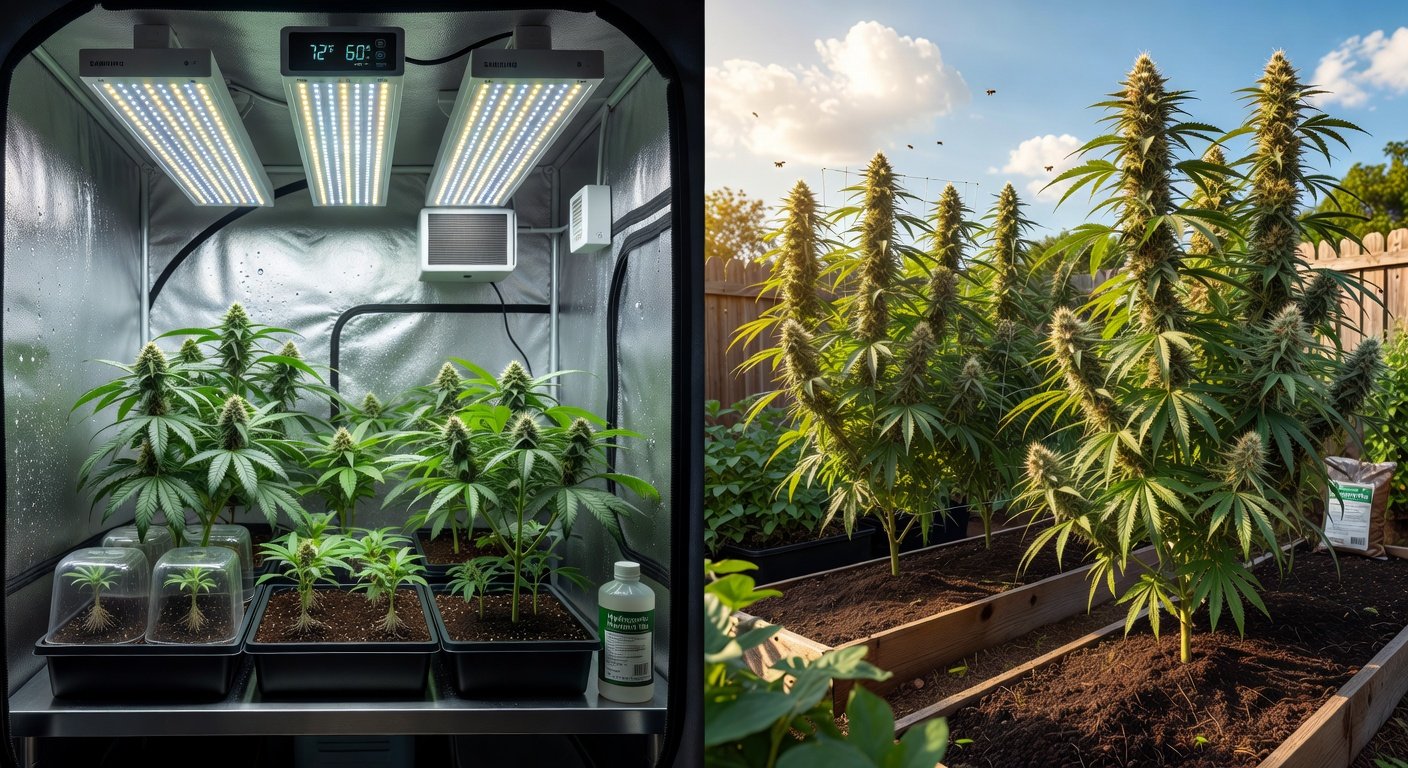
    For first-time cannabis growers, deciding between indoor and outdoor cultivation can feel overwhelming. Both methods have unique advantages and challenges, especially when you’re just starting out. In this guide, we’ll break down the pros and cons of each approach, focusing on key factors like environmental control, yield potential, and overall ease for beginners. Whether you’re a home grower in a small apartment or someone with access to a sunny backyard, understanding these differences will help you choose the right path. We’ll also cover how to get started with easy-to-grow cannabis seeds in each setup, making your first harvest a success in 2026.

    What is Indoor Cannabis Growing?

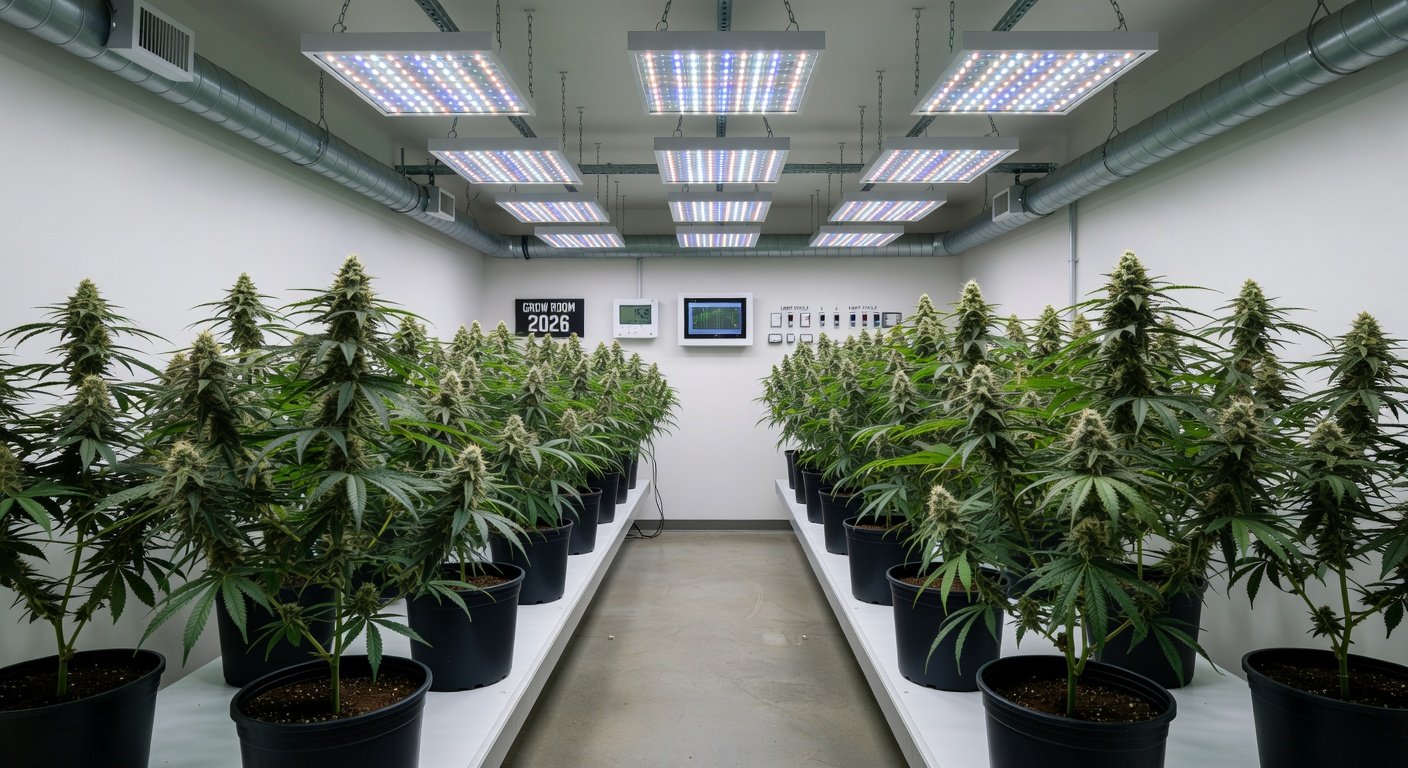
    Indoor growing involves cultivating cannabis plants inside a controlled environment, such as a grow tent, closet, or dedicated room. This method uses artificial lighting, ventilation systems, and climate control tools to mimic ideal outdoor conditions year-round.

    Pros of Indoor Growing for Beginners

    • Full Environmental Control: You can regulate temperature, humidity, light cycles, and nutrients precisely, reducing the impact of external factors like weather or pests.
    • Year-Round Harvests: No dependence on seasons means multiple grows per year, ideal for learning without long waits.
    • Discretion and Security: Growing indoors keeps your operation private, which is crucial in areas where cannabis laws are still evolving in 2026.
    • Higher Quality Control: Easier to prevent mold, pests, and diseases with proper setup, leading to potent, consistent buds.

    Cons of Indoor Growing

    • Higher Startup Costs: Lights (like LED or HID), fans, timers, and tents can cost $200–$1,000 initially.
    • Space and Energy Demands: Requires a dedicated area and increases electricity bills—up to $50–$100 monthly for a small setup.
    • Learning Curve for Equipment: Beginners must master pH balances, watering schedules, and light distances to avoid issues like nutrient burn.

    Overall, indoor growing suits urban beginners who prioritize control over cost. For more on equipment basics, check out Leafly’s growing guide.

    What is Outdoor Cannabis Growing?

    Outdoor growing takes advantage of natural sunlight and space, planting cannabis in gardens, pots, or greenhouses. This method aligns with the plant’s natural lifecycle, typically from spring to fall harvest.

    Pros of Outdoor Growing for Beginners

    • Lower Costs: Minimal equipment needed—just quality seeds, soil, and basic tools. Sunlight is free, keeping expenses under $100 for a first grow.
    • Larger Yields: Plants can grow bigger in open air, potentially yielding 1–2 pounds per plant versus 1–4 ounces indoors.
    • Natural and Organic: Easier to use organic methods, resulting in robust plants with terpene-rich flavors.
    • Simpler Maintenance: Less daily intervention; nature handles much of the work once established.

    Cons of Outdoor Growing

    • Weather Dependency: Rain, frost, or extreme heat can ruin crops—especially risky in unpredictable 2026 climates.
    • Pest and Disease Risks: Exposure to insects, mold, and animals without barriers means more vigilance.
    • Seasonal Limitations: Only one or two harvests per year, delaying your learning process.
    • Legal and Privacy Issues: Visible plants may attract unwanted attention in non-legal areas.

    Outdoor growing is perfect for rural or suburban beginners with yard space and mild weather. For climate considerations, refer to resources from USDA Natural Resources Conservation Service on regional growing zones.

    Key Factors to Compare: Control, Yield, and Ease for Beginners

    When evaluating indoor versus outdoor for first-timers, three main factors stand out: environmental control, yield potential, and overall ease.

    Environmental Control

    Indoor setups offer unparalleled control. You can maintain 70–85°F temperatures, 40–60% humidity, and 18/6 light cycles during veg stage—essential for preventing stress. Outdoors, you’re at mercy of nature; a sudden heatwave in summer 2026 could stunt growth, while indoor AC or heaters mitigate this. For beginners, this control means fewer surprises and faster troubleshooting.

    Yield Potential

    Outdoor plants often produce higher yields due to unlimited vertical growth and natural sunlight intensity (up to 12 hours daily in summer). A single outdoor autoflower can yield 200–500 grams, compared to 50–150 grams indoors from the same seed. However, indoor growing allows for denser, more potent buds through optimized CO2 and nutrients. Beginners might see better results indoors initially, as outdoor variables can halve expected yields.

    Ease for Beginners

    Outdoor is generally easier for absolute novices—no need to learn complex systems. Plant seeds in spring, water regularly, and prune as needed. Indoor requires more upfront knowledge of hydroponics or soil mediums, but apps and timers simplify it in 2026. If you’re tech-savvy, indoor feels intuitive; otherwise, outdoor’s hands-off approach wins.

    Which Method is Easier for Beginners?

    For most first-time growers, outdoor growing edges out as easier due to its simplicity and low barrier to entry. You don’t need to invest in gear or monitor daily metrics; the sun and soil do the heavy lifting. However, if you live in a cold or urban area, indoor is more forgiving long-term, offering consistent results despite the initial setup hassle. In 2026, with climate change bringing erratic weather, indoor’s control might tip the scales for reliability. Ultimately, assess your space, budget, and local laws—outdoor for budget-conscious gardeners, indoor for precision seekers.

    Starting with Easy Cannabis Seeds Indoors: A Beginner’s Guide

    Choosing beginner-friendly seeds is key to success. Opt for autoflowering or feminized strains like Northern Lights Auto or Blue Dream—resilient, fast-growing (8–10 weeks), and forgiving of errors.

    1. Gather Supplies: Get a 2×2 ft grow tent ($50), LED light (100W, $80), fan, soil or coco coir, and pH-balanced water.
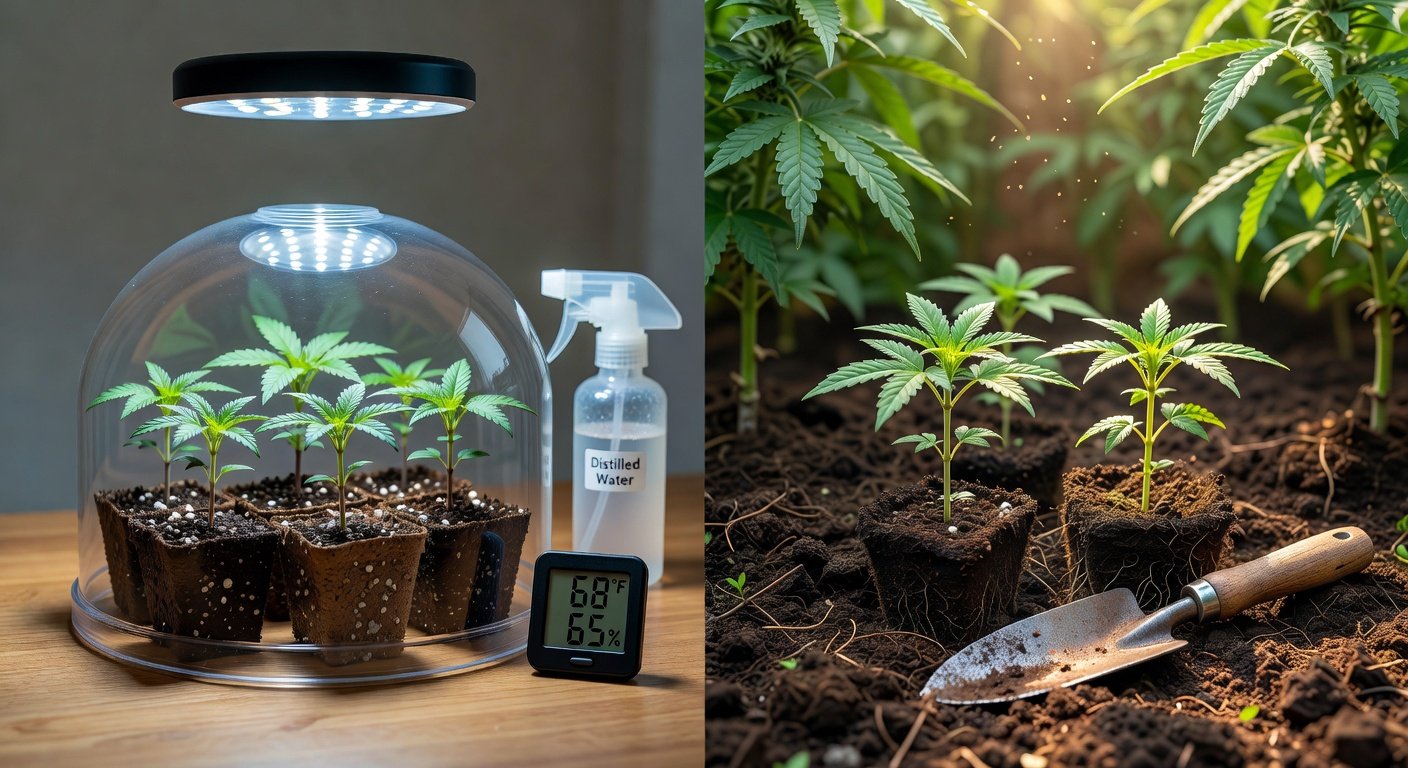
    2. Germinate Seeds: Soak seeds in water for 24 hours until they sink, then plant in damp starter plugs. Keep at 75°F under a humidity dome.
    3. Vegetative Stage (3–4 Weeks): Provide 18 hours light/6 dark. Water when top soil dries; use half-strength nutrients to avoid burn.
    4. Flowering Stage (5–7 Weeks): Switch to 12/12 light cycle. Monitor for pests with neem oil sprays.
    5. Harvest and Cure: When 70% trichomes are cloudy, trim and dry buds for 5–7 days, then cure in jars.

    Start small with 2–4 plants to learn without overwhelm. Expect 1–2 ounces per plant your first time.

    Starting with Easy Cannabis Seeds Outdoors: A Beginner’s Guide

    For outdoor, select photoperiod or auto strains suited to your climate, like Durban Poison (thrives in sun) or Lowryder (quick autos for short seasons). These are pest-resistant and yield well naturally.

    1. Prepare Site: Choose a sunny spot (6–8 hours direct light) with well-draining soil (pH 6.0–7.0). Amend with compost for nutrients.
    2. Germinate and Plant: Germinate indoors in early spring, transplant seedlings after last frost (around April in most zones). Space plants 3–5 ft apart.
    3. Vegetative Care (Spring–Summer): Water deeply 2–3 times weekly; mulch to retain moisture. Prune lower leaves for airflow.
    4. Flowering (Late Summer–Fall): Natural light triggers bloom. Use organic fertilizers like worm castings; scout for aphids daily.
    5. Harvest and Dry: Cut when pistils brown (September–October). Hang dry in a shaded, ventilated area.

    Protect from animals with fencing. Yields can reach 300 grams per plant in ideal conditions.

    Choosing the Right Approach for Your First Grow

    Consider your goals: If maximizing yield on a budget, go outdoor. For stealthy, controlled experiments, choose indoor. Hybrid options like greenhouses blend benefits, offering shelter outdoors. In 2026, with advanced seeds available, both methods are more accessible than ever. Research local regulations—many U.S. states allow home grows up to 6 plants. Start with reputable seed sources for genetics that match your setup.

    Whichever you pick, patience is your best tool. Track progress in a journal, join online communities, and scale up gradually. Your first grow might have hiccups, but it’ll teach you volumes for future seasons.

    Ready to plant? Both indoor and outdoor paths lead to rewarding harvests—pick what fits your lifestyle and watch your cannabis thrive.

  • Guerrilla Growing: Stealth Cannabis Cultivation Secrets

    Guerrilla Growing: Stealth Cannabis Cultivation Secrets

    Introduction to Guerrilla Growing in 2026

    Guerrilla growing has evolved into a sophisticated art form for experienced cannabis cultivators seeking to produce high-quality yields without drawing attention. In 2026, with increasing legalization in many regions but persistent regulatory scrutiny in others, this method allows home growers and enthusiasts to harness the power of nature’s untamed spaces. By focusing on stealth, sustainability, and security, you can cultivate potent cannabis plants in remote outdoor environments, minimizing risks while maximizing returns.

    This guide delves into advanced techniques tailored for seasoned growers. We’ll cover site selection, camouflage strategies, security measures, organic pest control, and harvesting tactics. Whether you’re in a forested wilderness or arid backcountry, these methods ensure your operation remains undetected, producing buds that rival indoor setups in quality and potency.

    Stealthy Site Selection: Finding the Perfect Hidden Spot

    Choosing the right location is the cornerstone of successful guerrilla growing. In 2026, satellite imagery and drone surveillance have made urban edges riskier, so prioritize remote, low-traffic areas. Look for sites with natural barriers like dense foliage, rocky terrain, or water features that obscure visibility from trails or roads.

    Key factors for site selection include:

    • Sunlight Exposure: Cannabis thrives with 6-8 hours of direct sun. Scout south-facing slopes in the Northern Hemisphere for optimal light without excessive exposure.
    • Water Access: Proximity to streams or natural springs reduces maintenance trips. In drier climates, select spots near seasonal runoff to avoid hauling water.
    • Soil Quality: Test for pH between 6.0-7.0 and good drainage. Amend with compost if needed, but avoid over-fertilizing to prevent nutrient runoff that could alert authorities.
    • Accessibility: The site should be reachable via off-road paths, but not too close to public lands patrolled by rangers. Use GPS apps with offline maps for discreet navigation.

    For advanced growers, consider microclimates influenced by elevation and wind patterns. Higher altitudes offer cooler temps ideal for sativas, while valleys protect against frost. Always rotate sites yearly to prevent soil depletion and detection patterns.

    Assessing Risks with Modern Tools

    In 2026, leverage free tools like Google Earth Pro for virtual scouting. Overlay trail maps from sources like the U.S. Forest Service website (fs.usda.gov) to identify low-use zones. Avoid areas near hunting grounds or popular hiking spots, especially during peak seasons.

    Natural Camouflage: Blending Your Plants into the Wild

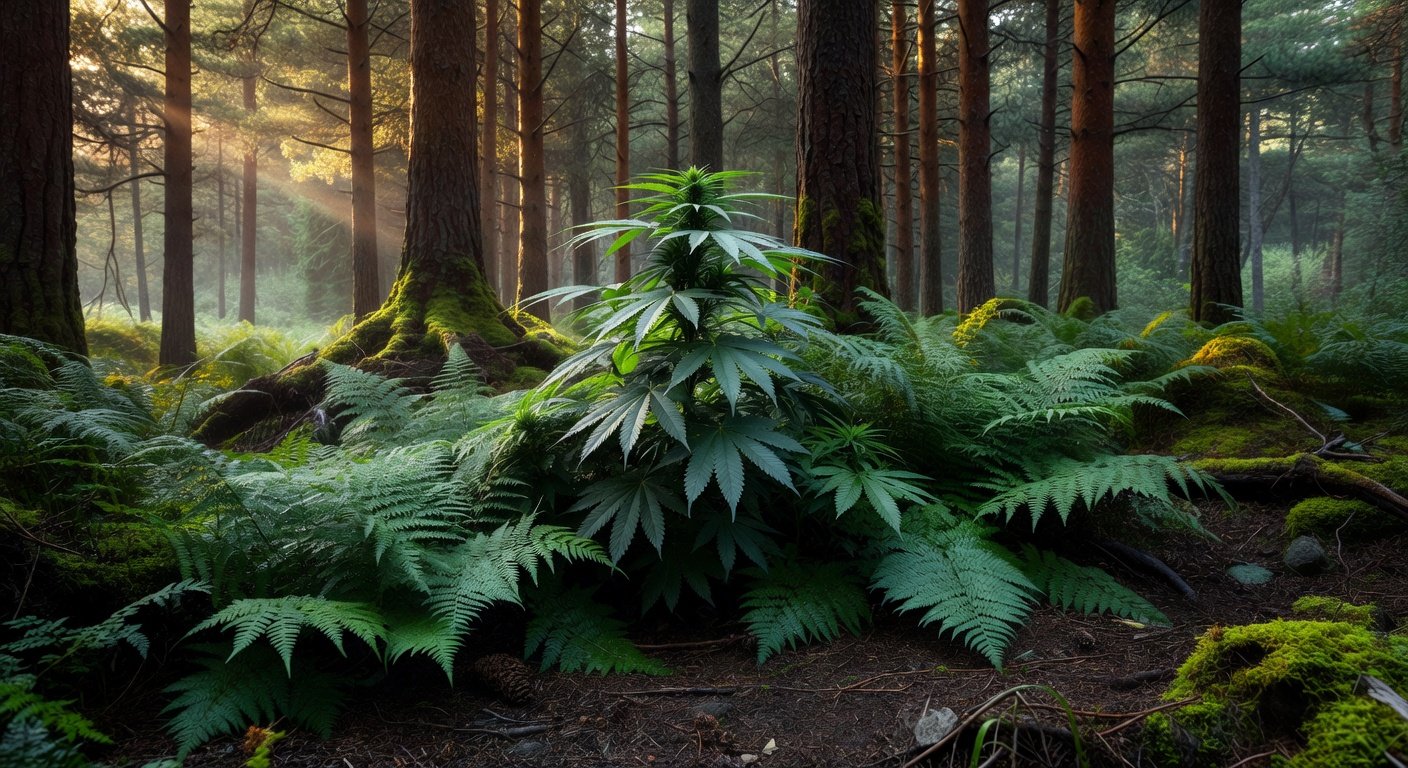
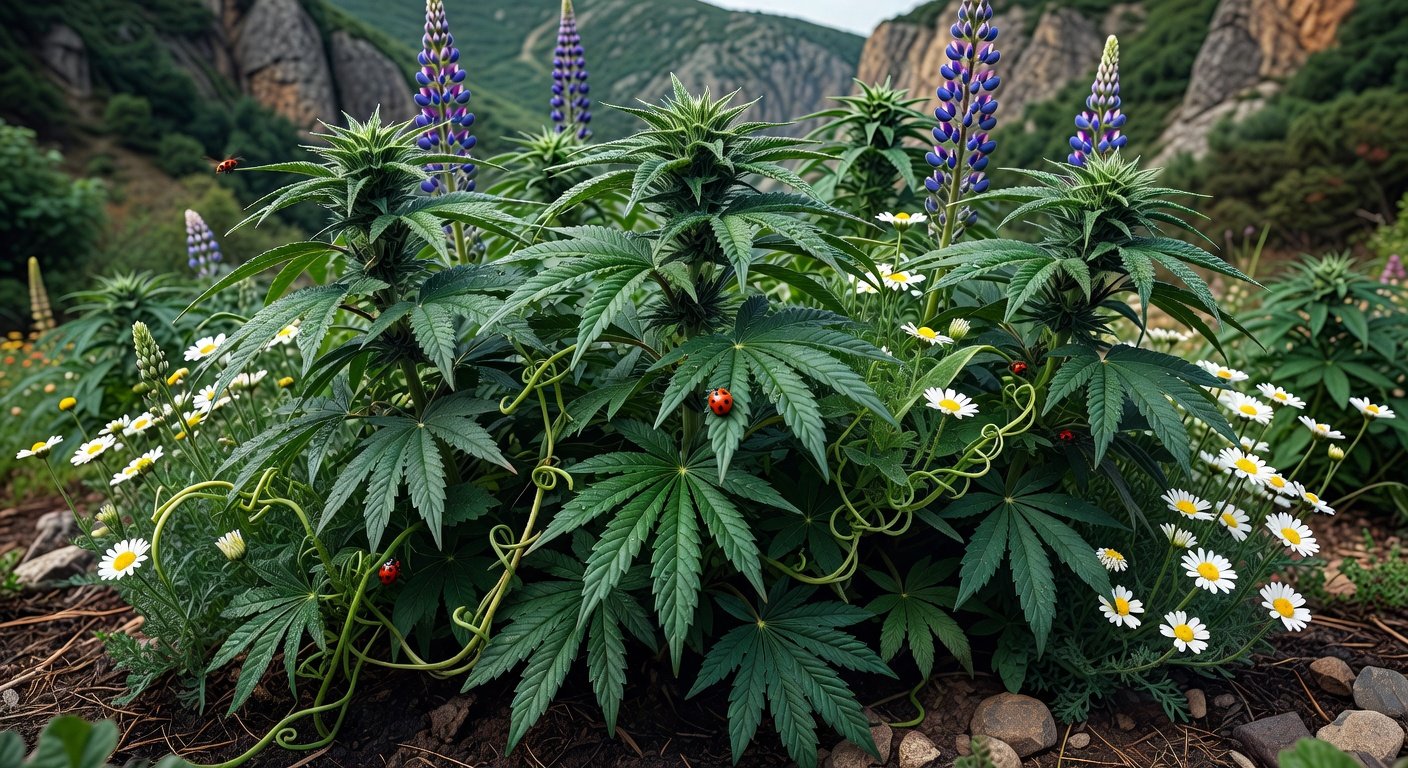
    Camouflage is about more than hiding plants—it’s integrating them seamlessly into the ecosystem. Start with companion planting: surround cannabis with native species like ferns, wildflowers, or berry bushes that match growth cycles and deter herbivores.

    Advanced techniques include:

    1. Strategic Planting: Stagger plants in irregular clusters mimicking natural vegetation. Use taller perennials to shield shorter cannabis from ground view.
    2. Netting and Foliage: Employ UV-resistant deer netting draped with local leaves or vines. Avoid synthetic materials that reflect light unnaturally.
    3. Color Adaptation: Select strains with foliage that blends—deep greens for forests, silvery hues for deserts. In 2026, new hybrid seeds from reputable banks offer stealthier phenotypes.

    For extra stealth, train plants low and bushy using LST (Low-Stress Training) methods adapted outdoors. This keeps canopies below eye level, reducing silhouette risks. Remember, over-camouflage can look suspicious; aim for organic integration.

    Security Measures: Protecting Your Remote Operation

    Security in guerrilla growing means layered defenses against humans, animals, and elements. Install motion-activated trail cams powered by solar batteries to monitor without frequent visits. In 2026, affordable AI cams from brands like Reolink can send alerts to your phone via encrypted apps.

    Human deterrence includes:

    • Perimeter Alarms: DIY tripwires with bells or battery-operated sensors around the site perimeter.
    • False Trails: Create decoy paths leading away from your plants to mislead intruders.
    • Odor Control: Plant aromatic companions like mint or lavender to mask cannabis scents during flowering.

    Against wildlife, use non-toxic repellents and fencing. For extreme security, employ scent-neutralizing sprays on access routes. Visit sites at dawn or dusk to avoid patterns, and always carry a cover story—like foraging or surveying—for plausible deniability.

    Digital Security for Growers

    Protect your data with VPNs when researching or mapping. Avoid social media posts about outdoor adventures near your sites. In an era of widespread surveillance, compartmentalize knowledge—don’t share coordinates even with trusted friends.

    Organic Pest Control: Sustainable Defense in the Wild

    Pests are inevitable outdoors, but organic methods preserve your plants’ quality and avoid chemical traces. Integrated Pest Management (IPM) combines prevention, monitoring, and targeted treatments.

    Prevention starts with healthy soil: Incorporate neem cake or mycorrhizal fungi at planting to boost resilience. Monitor weekly for signs like aphids or spider mites using a hand lens.

    Effective organic controls include:

    • Neem Oil Sprays: Dilute with water and a drop of dish soap; apply at dusk to avoid leaf burn. Safe for beneficial insects if used sparingly.
    • Beneficial Insects: Release ladybugs or predatory nematodes early in the season. Source from organic suppliers.
    • Homemade Remedies: Garlic-chili sprays for caterpillars or diatomaceous earth for crawling pests. Rotate applications to prevent resistance.

    For fungal issues like powdery mildew, use milk dilutions (1:9 with water) as a natural fungicide. Consult resources from the USDA’s Organic Agriculture page (usda.gov/topics/organic) for compliant practices. In remote areas, brew compost teas on-site to minimize transport.

    Harvesting Strategies: Discreet and Efficient Yields

    Timing is critical for potency and stealth. Harvest when 70% of pistils are brown and trichomes are mostly cloudy, typically late September to October in temperate zones. Scout with a jeweler’s loupe during low-light hours.

    Discreet harvesting techniques:

    1. Staged Collection: Harvest in phases over days, starting with lower branches to reduce visibility.
    2. Transport Prep: Trim on-site using portable tools, storing buds in odor-proof vacuum bags. Backpack out small loads to avoid bulk.
    3. Post-Harvest Cleanup: Remove all debris, roots, and tags. Scatter mulch to restore the site naturally.

    For drying, hang in shaded, ventilated wild spots or transport to a secure home setup. Cure in glass jars for 2-4 weeks to enhance flavor. Advanced growers track terpene profiles with portable testers available in 2026 for strain optimization.

    Yield expectations: In ideal guerrilla setups, expect 0.5-1 pound per plant, depending on strain and conditions. Focus on quality over quantity—stealth ensures sustainability for future seasons.

    Conclusion: Thriving Undetected in Nature

    Guerrilla growing in 2026 demands respect for the environment, meticulous planning, and adaptive skills. By mastering site selection, camouflage, security, pest control, and harvesting, experienced cultivators can achieve bountiful, high-quality cannabis harvests while staying under the radar. Embrace the wild’s challenges for rewarding results that connect you deeply with the plant’s natural roots.

    For faster cycles and easier management in remote spots, try autoflower cannabis seeds.

  • Hydroponics vs Soil: Boosting Indoor Cannabis Yields in 2026

    Hydroponics vs Soil: Boosting Indoor Cannabis Yields in 2026

    Introduction to Indoor Cannabis Growing: Hydroponics vs. Soil

    In the evolving world of indoor cannabis cultivation, growers in 2026 have more options than ever to maximize yields while minimizing environmental impact. As home enthusiasts and seasoned cultivators seek efficiency, the debate between hydroponic systems and traditional soil methods remains central. Hydroponics offers precision and speed, while soil provides a natural, forgiving foundation. This article dives deep into their differences, tackling setup challenges, nutrient management, seed integration, and advanced techniques tailored for experienced growers aiming to optimize harvests in the coming year.

    With innovations like AI-monitored nutrient delivery and LED spectrum tuning hitting the market, 2026 promises breakthroughs in yield optimization. Whether you’re upgrading your grow tent or experimenting with new strains, understanding these systems is key to pushing boundaries.

    Understanding the Basics: Hydroponics and Soil Systems

    What is Hydroponics for Cannabis?

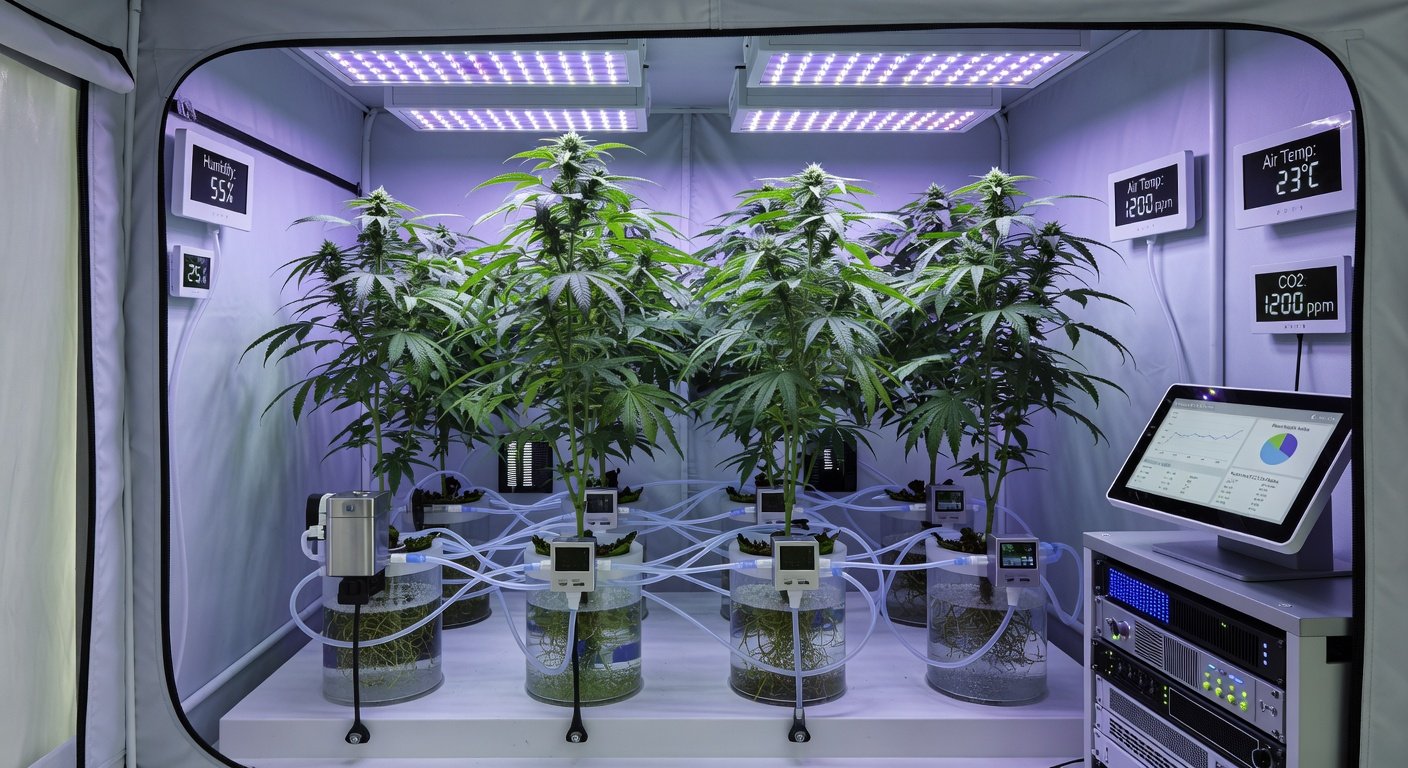
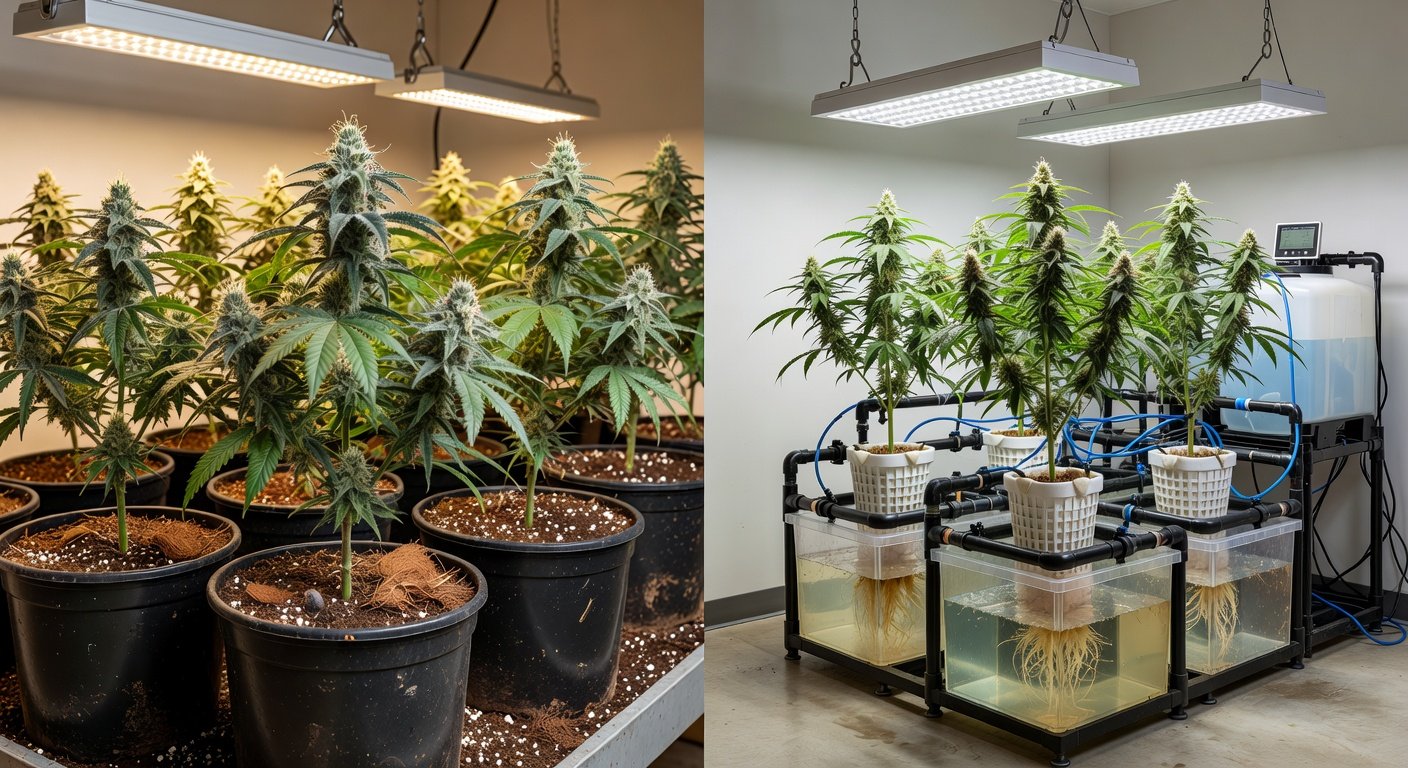
    Hydroponics is a soilless method where cannabis roots are suspended in a nutrient-rich water solution, often using media like rockwool or clay pebbles for support. This approach delivers oxygen, water, and nutrients directly to the roots, bypassing soil’s buffering effects. For indoor setups, popular systems include deep water culture (DWC), nutrient film technique (NFT), and ebb-and-flow setups, all scalable for home grows.

    The appeal lies in faster growth cycles—hydroponic cannabis can mature 20-30% quicker than soil-grown plants—thanks to controlled environments. In 2026, expect integrations with smart sensors that adjust pH and EC (electrical conductivity) in real-time, reducing waste and boosting potency.

    Traditional Soil Growing Indoors

    Soil-based cultivation mimics nature, using organic or amended potting mixes rich in microbes and humus. Roots draw nutrients slowly from the medium, fostering robust terpene profiles and resilience against minor fluctuations. For indoor cannabis, super soil mixes—pre-loaded with amendments like bat guano and worm castings—simplify the process for home growers.

    While yields may lag behind hydroponics by 10-20%, soil excels in flavor complexity and lower startup costs. With 2026’s bio-engineered soils incorporating mycorrhizal fungi enhancers, this method is seeing a renaissance among enthusiasts prioritizing sustainability.

    Setup Challenges: Building Your Indoor Grow Space

    Hydroponics Setup Hurdles

    Setting up a hydroponic system demands technical know-how and investment. You’ll need reservoirs, pumps, timers, and pH meters—initial costs can hit $500-1500 for a 4×4 tent setup. Challenges include preventing clogs in delivery lines and maintaining sterile conditions to avoid root rot from pathogens like Pythium.

    Space is another factor; vertical hydro towers save floor area but require precise leveling. In 2026, modular kits with app-controlled automation ease these pains, but experienced growers must still monitor for leaks that could flood grows. Ventilation is crucial—pair with inline fans and carbon filters to manage humidity at 40-60%.

    Soil Setup Considerations

    Soil setups are more straightforward, starting with fabric pots and quality grow bags filled with a 70/30 coco coir-perlite blend for drainage. Costs are lower, around $200-500, but challenges arise from overwatering and pest infiltration in organic media. Indoor soil grows need excellent airflow to prevent mold, especially in dense canopies.

    For 2026 innovations, automated irrigation like drip systems adapted for soil reduces manual labor. However, pH swings from tap water can lock out nutrients, so regular testing with kits is essential. Both methods benefit from reflective walls and full-spectrum LEDs, but soil forgives beginner errors better.

    Nutrient Management: Fueling Your Cannabis Plants

    Nutrients in Hydroponic Systems

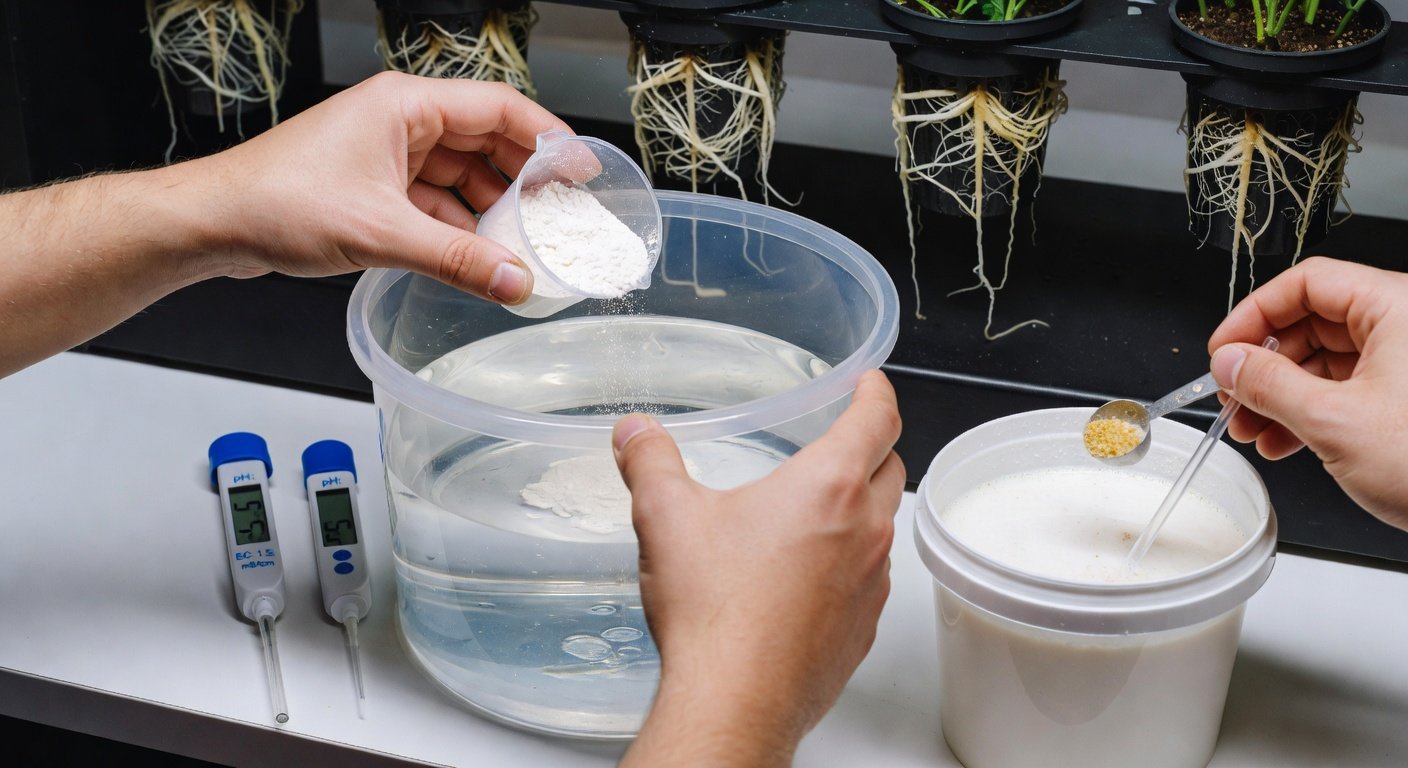
    Hydroponics shines in nutrient precision. Use water-soluble formulas like General Hydroponics Flora series, mixing A/B bases with bloom boosters for vegetative and flowering stages. Monitor EC at 1.0-2.5 mS/cm and pH between 5.5-6.5 to ensure uptake—deviations cause deficiencies like yellowing leaves from nitrogen lockout.

    Advanced 2026 techniques include chelated micronutrients and AI apps that predict needs based on strain genetics. Change reservoirs weekly to prevent buildup, and incorporate beneficial bacteria like Hydroguard for root health. This method yields denser buds but requires vigilance; overfeeding leads to tip burn.

    Nutrient Strategies for Soil Grows

    Soil nutrients come from slow-release organics or synthetics, with compost teas providing microbial boosts. Aim for pH 6.0-7.0, as soil buffers extremes. Use products like FoxFarm Ocean Forest for veg, transitioning to Big Bloom for flower—feed every 1-2 weeks, letting soil dry between waterings.

    Challenges include salt accumulation from hard water; flush with plain water monthly. In 2026, enhanced organic lines with nano-emulsified delivery improve absorption without synthetic harshness. Soil’s ecosystem recycles nutrients naturally, reducing waste, but testing runoff EC helps avoid toxicities.

    For deeper insights on sustainable nutrient practices, check the EPA’s guidelines on sustainable agriculture, adaptable to indoor cannabis.

    Integrating Indoor Seeds: From Germination to Harvest

    Seed Selection and Germination

    Choosing feminized or auto-flowering seeds optimized for indoors is crucial. For hydroponics, opt for compact indicas like Northern Lights that thrive in confined roots. Soil suits sativa-dominant hybrids for deeper root runs. In 2026, gene-edited seeds resistant to powdery mildew are emerging—source from reputable banks like Seedsman or ILGM.

    Germinate in rockwool cubes for hydro or jiffy pellets for soil, maintaining 70-80°F and 70% humidity under a dome. Transplant hydro seedlings after 1-2 weeks into net pots; soil plants can stay longer in starters.

    Growth Stages and Adaptation

    Vegetative phase: 18/6 light cycle for both, but hydro plants stretch less with CO2 enrichment up to 1200 ppm. Flowering flips to 12/12; hydro’s faster cycle (8-10 weeks) vs. soil’s 9-12 allows multiple harvests yearly.

    Integrate seeds by scouting for low-odor strains in shared spaces. Use trellising for SCROG in both to maximize light penetration, boosting yields 20-30%.

    Advanced Techniques for Yield Optimization in 2026

    Cutting-Edge Innovations

    For experienced growers, 2026 brings plasma lighting that mimics sunlight spectra, increasing cannabinoid production by 15%. In hydro, closed-loop systems recycle water, cutting usage by 90%—pair with reverse osmosis filters for purity.

    Soil growers can adopt aerated compost extracts for microbial diversity, enhancing terpenes. AI grow journals track data, predicting harvests with 95% accuracy.

    Yield-Boosting Strategies

    • Pruning and Training: LST (low-stress training) in hydro for even canopies; topping in soil for bushier plants.
    • CO2 Supplementation: Essential for hydro yields over 1g/watt; vent in soil to avoid excess.
    • Pest Management: Neem oil for soil, beneficial insects like ladybugs; UV sterilizers for hydro reservoirs.

    Combine with strain-specific feeding—e.g., high-THC autos in hydro for quick turns. Expect 400-600g/m² in optimized setups.

    Research from USDA’s hydroponics resources supports these efficiencies for controlled environments.

    Recommendations for Experienced Home Growers

    If you’re yield-focused, start with hydro for its scalability, but master pH first. Soil is ideal for flavor chasers, especially with organic certifications rising in 2026. Hybrid approaches, like soil-less coco in hydro reservoirs, blend benefits.

    Invest in quality seeds and monitor with tools like Bluelab meters. Join communities on Reddit’s r/microgrowery for tips. With climate regs tightening, prioritize low-water methods for sustainability.

    Conclusion

    Hydroponics edges out in speed and control, while soil offers simplicity and taste. For 2026, blend innovations to suit your setup—yields await those who adapt. Happy growing!

  • Advanced Feminized Seeds Guide: Max Yields in 2026

    Advanced Feminized Seeds Guide: Max Yields in 2026

    Introduction to Advanced Feminized Seed Cultivation in 2026

    In 2026, the cannabis cultivation landscape has evolved with smarter breeding and sustainable practices, making feminized seeds a cornerstone for home growers seeking high-potency harvests without the hassle of male plants. Feminized seeds, genetically engineered to produce only female plants, offer up to 99.9% reliability, allowing enthusiasts to focus on yield optimization rather than sexing plants. This guide dives into advanced methods tailored for experienced cultivators, covering precise light cycles for photoperiod strains, stress training techniques to enhance bud production, strategies to prevent hermaphroditism, and comparisons with traditional growing approaches. Whether you’re upgrading your setup for maximum efficiency or experimenting with 2026’s latest trends like automated nutrient delivery, these tips will elevate your grow.

    Understanding Feminized Seeds: Why They’re Ideal for Advanced Growers

    Feminized seeds revolutionized cannabis growing by eliminating the need to identify and remove males, saving space and resources in home setups. Derived from stressing female plants to produce pollen for self-pollination, these seeds ensure female offspring that develop the resin-rich buds prized for potency. In 2026, advancements in seed banks like those from Leafly-recommended breeders have increased resistance to environmental stressors, making them perfect for indoor and outdoor cultivation. However, advanced growers must still manage genetics carefully to avoid reverting to hermaphroditic traits under duress.

    Compared to regular seeds, which yield about 50% males, feminized options streamline the process but require vigilant monitoring. Traditional growers using regulars often cull males early, a labor-intensive step that feminized seeds bypass, allowing more energy toward yield-boosting techniques.

    Selecting High-Quality Feminized Seeds for 2026

    Choose strains from reputable sources with verified genetics. Look for photoperiod feminized seeds if you want control over flowering, or autoflowering variants for quicker cycles. In 2026, popular choices include high-THC hybrids like Gorilla Glue or CBD-rich options for therapeutic grows. Test seed viability by floating them in water—sinkers are prime candidates.

    Precise Light Cycles for Photoperiod Feminized Cannabis

    Photoperiod feminized seeds thrive on manipulated light schedules, mimicking natural seasonal changes to trigger flowering. Unlike autoflowers, which bloom automatically, photoperiods allow growers to extend vegetative growth for larger plants and bigger yields.

    Vegetative Stage: Building a Strong Foundation

    Maintain 18-24 hours of light daily during veg to promote robust growth. In 2026, LED grow lights with full-spectrum output are standard, providing energy-efficient illumination that reduces heat stress. Aim for 250-400 PPFD (photosynthetic photon flux density) at canopy level for optimal photosynthesis without light burn. Use timers for consistency—interruptions can cause foxtailing or reduced potency.

    • 18/6 cycle: Ideal for faster veg in small spaces, yielding bushy plants.
    • 24/0 cycle: Maximizes growth for advanced setups with CO2 supplementation, potentially increasing yields by 20-30%.

    Monitor with a PAR meter to ensure even coverage, adjusting heights as plants stretch.

    Flowering Stage: Timing for Peak Potency

    Switch to 12/12 (12 hours light, 12 hours uninterrupted darkness) to induce flowering. This cycle triggers hormonal shifts, with buds forming in 8-10 weeks depending on strain. In 2026, smart grow systems integrate apps for automated flips, preventing light leaks that could revert plants to veg or induce hermies.

    Advanced tip: Use a gradual transition from 14/10 to 12/12 over a week to reduce shock, enhancing resin production. For high-efficiency grows, incorporate UV-B lights in the last 2-3 weeks to boost THC levels by up to 15%, as supported by studies from the National Center for Biotechnology Information (NCBI).

    Traditional methods relied on natural sunlight, but indoor precision in 2026 allows year-round control, outperforming seasonal limitations.

    Stress Training Techniques to Enhance Yields

    Stress training (LST) manipulates plant structure to expose more bud sites to light, increasing yields without added height—crucial for stealthy home grows. For feminized seeds, which can stretch vigorously, these methods prevent apical dominance and promote even canopies.

    Low-Stress Training (LST) Basics and Advanced Applications

    Bend and tie main stems horizontally using soft plant ties during early veg. This creates a flat canopy, improving light penetration and airflow. In 2026, reusable silicone ties and automated trellis systems make this easier for multi-plant setups.

    1. Start at week 3 of veg: Gently bend the top and secure to the pot edge.
    2. Repeat every 2-3 days, training new growth outward.
    3. Combine with SCROG (Screen of Green): Install a net 20-30cm above soil to weave branches through, maximizing space efficiency.

    Expect 20-50% yield boosts; feminized plants respond well due to their vigor, unlike traditional regulars that might herm under stress.

    High-Stress Training (HST) for Maximum Efficiency

    For experienced growers, HST like topping or fimming cuts the main stem to create multiple colas. Top once at node 4-5, then again on new tops for 8-16 sites. Main-lining, a 2026 favorite, involves precise pruning to form a manifold, directing energy equally.

    Recovery takes 7-10 days, but results in denser buds with higher cannabinoid profiles. Always sterilize tools to avoid pathogens— a common pitfall in traditional hand-pruning methods.

    Compared to no training, these techniques can double yields in limited spaces, making them essential for urban home growers.

    Preventing Hermaphroditism in Female Plants

    Hermaphroditism, where females develop male pollen sacs, ruins harvests by seeding buds and reducing potency. In feminized seeds, it’s often genetic but triggered by stress. Prevention is key for 2026’s high-stakes grows aiming for premium flower.

    Common Triggers and Avoidance Strategies

    Light leaks, nutrient imbalances, and temperature swings (above 28°C or below 18°C) are culprits. Maintain stable environments: 20-26°C daytime, 60-70% humidity in veg, dropping to 40-50% in flower.

    • Genetics first: Source from stable breeders; avoid cheap seeds prone to herming.
    • Nutrient management: Use pH-balanced feeds (5.8-6.5 hydro, 6.0-7.0 soil) to prevent lockout.
    • Stress minimization: Avoid overwatering or root-bound pots; employ gentle training only.

    Monitor daily for bananas (yellow pollen sacs)—remove affected parts immediately. In advanced setups, use UV stress judiciously to build resilience without tipping into hermie territory.

    Traditional growing with regulars faced higher risks from male pollen, but feminized prevention focuses on environmental precision, a clear upgrade for efficiency.

    Comparing Advanced vs. Traditional Approaches

    Traditional cannabis cultivation involved outdoor plots with natural light and manual sexing, yielding variable results based on weather. Feminized seeds shift to controlled indoors, where light cycles and training yield predictable, potent crops.

    Pros of advanced methods:

    • Higher efficiency: 1.5-2g/watt vs. traditional 0.5g/watt.
    • Potency focus: Targeted stressors enhance terpenes and cannabinoids.
    • Sustainability: LEDs and recycling cut energy use by 40% in 2026.

    Cons: Initial setup costs more, but ROI comes quickly with max yields. For home growers, blending both—e.g., outdoor veg with indoor flower—offers hybrid benefits.

    Expert Tips for Maximum Potency and Efficiency in 2026

    To push boundaries, integrate hydroponics for faster nutrient uptake, yielding 20% more than soil. CO2 enrichment (800-1200ppm) during lights-on supercharges growth, but ventilate properly.

    Harvest at 20-30% cloudy trichomes for peak THC. Dry and cure in glass jars for 2-4 weeks to preserve terpenes. Track with apps like GrowBuddy for data-driven tweaks.

    For potency, select strains with myrcene-dominant profiles and use molasses in late flower for microbial boosts. Efficiency tip: Reuse runoff water in recirculating systems to save resources.

    In 2026, community forums emphasize organic amendments like compost teas over synthetics for cleaner, more flavorful buds. Always comply with local laws—check resources from organizations like NORML for updates.

    By mastering these techniques, experienced growers can achieve 500g/m² yields with 25%+ THC, turning home cultivation into a fine art.

  • Top Autoflower Strains 2026: Speed, Potency & Pest Resistance

    Top Autoflower Strains 2026: Speed, Potency & Pest Resistance

    Introduction to Autoflower Strains in 2026

    Autoflowering cannabis strains have revolutionized home growing, offering quick harvests without the hassle of light cycle changes. In 2026, breeders continue to innovate, blending classic genetics with advanced resistance traits to suit diverse grower needs. Whether you’re a novice setting up your first tent or an experienced enthusiast chasing massive yields, selecting the right autoflower strain is key. This guide compares popular options based on growth speed, potency, and pest resistance, helping you choose based on your experience level and goals.

    Autoflowers typically mature in 8-12 weeks from seed, making them ideal for multiple harvests per year. But with so many strains on the market—from high-THC powerhouses to resilient, easy-grow varieties—it’s essential to weigh factors like harvest time, cannabinoid profiles, and how well they fend off common pests like spider mites or powdery mildew. We’ll spotlight five top strains available in 2026, drawing from seed bank data and grower reports.

    Key Factors for Choosing Autoflower Strains

    Before diving into comparisons, let’s break down the core attributes:

    • Growth Speed: Measured in weeks from seed to harvest. Faster strains suit impatient growers or those in short seasons.
    • Potency: Primarily THC levels, but also CBD for balanced effects. High-potency strains (20%+ THC) appeal to recreational users, while lower ones are better for medical or daytime use.
    • Pest Resistance: Genetic traits that deter insects and fungi, reducing the need for chemicals. This is crucial for organic home grows.

    Other considerations include yield (grams per plant), height (for space-limited setups), and flavor profiles. For beginners, prioritize forgiving strains with built-in resilience; pros might opt for high-yield beasts requiring more attention.

    Beginner-Friendly vs. Advanced Grower Options

    Novices should start with compact, low-maintenance autos that thrive in imperfect conditions. These often have moderate potency to avoid overwhelming effects. Experienced growers can tackle taller, higher-yielding strains that demand precise nutrients and training techniques like LST (low-stress training).

    Top Autoflower Strains Compared

    Here, we compare five standout autoflowers for 2026: Northern Lights Auto, Gorilla Glue Auto #4, Blue Dream Auto, Zkittlez Auto, and a new entrant, Resilience Haze Auto. Data is based on average performance from reputable seed banks like Royal Queen Seeds and FastBuds.

    Northern Lights Auto: The Easy-Going Classic

    This indica-dominant strain remains a staple for its reliability. Growth speed clocks in at 8-9 weeks, with heights under 100cm—perfect for stealthy indoor grows. Potency hits 18-22% THC, delivering relaxing body highs ideal for evenings.

    Pest resistance is strong thanks to its ruderalis heritage, shrugging off mildew and aphids with minimal intervention. Yields average 400-500g/m² indoors. For beginners, it’s unbeatable: forgiving of overwatering and nutrient fluctuations. Pros might find it too tame, but it’s great for consistent, low-effort harvests.

    Gorilla Glue Auto #4: Potency Powerhouse

    If high THC is your goal, Gorilla Glue Auto #4 delivers 24-28% THC in just 9-10 weeks. Its sticky, resinous buds ooze with earthy, diesel flavors, providing euphoric, couch-lock effects.

    Standing 100-140cm tall, it’s suited for intermediate growers who can manage its vigorous growth. Pest resistance is moderate; watch for bud rot in humid setups, but its thick trichomes deter some insects. Yields soar to 600g/m² outdoors. This strain shines for yield-focused pros but may overwhelm newbies with its intensity.

    Blue Dream Auto: Balanced Sativa Speedster

    A sativa-hybrid favorite, Blue Dream Auto finishes in 9-11 weeks with 20-24% THC and uplifting, creative effects. Berry-like terpenes make it a sensory delight.

    At 80-130cm, it’s versatile for indoors or out. Pest resistance is excellent, inherited from its Blueberry parent, resisting spider mites and fungal issues effectively. Yields hit 450-550g/m². Beginners love its forgiving nature and moderate stretch; advanced growers can push yields with CO2 enrichment.

    Zkittlez Auto: Flavorful and Resilient

    Candy-sweet Zkittlez Auto matures in 8-10 weeks, boasting 19-23% THC for happy, munchie-inducing highs. Its compact 60-100cm stature fits small spaces.

    Exceptional pest resistance comes from stable genetics, making it a top pick for organic growers battling common foes like thrips. Indoor yields reach 500g/m². This strain bridges beginner and pro levels—easy to grow yet rewarding with premium flavors and potency.

    Resilience Haze Auto: The 2026 Innovator

    New for 2026, this haze-dominant auto from Dutch Passion combines speed (10-12 weeks) with 22-26% THC for cerebral, long-lasting effects. Haze citrus notes elevate the experience.

    Taller at 120-150cm, it demands experienced hands for topping and support. Pest resistance is groundbreaking, engineered with CRISPR-like edits for broad-spectrum immunity to molds and insects—backed by studies from the National Center for Biotechnology Information. Yields top 650g/m² outdoors. Ideal for pros seeking cutting-edge genetics.

    Key Differences and Recommendations

    Comparing these strains reveals clear patterns. For growth speed, Northern Lights and Zkittlez lead at under 10 weeks, while Resilience Haze takes longer but offers superior potency. Potency peaks with Gorilla Glue and Resilience Haze (25%+ THC), contrasting Northern Lights’ milder profile.

    Pest resistance favors Blue Dream and Zkittlez for everyday threats, but Resilience Haze sets the bar for future-proofing against evolving pests, as noted in reports from the Health Canada cannabis research division.

    Recommendations for High-Yield Growers

    Chase big hauls with Gorilla Glue Auto #4 or Resilience Haze Auto. These yield monsters (600g+/m²) reward dialed-in environments—think hydroponics or greenhouse setups. Expect 10-12 weeks and invest in IPM (integrated pest management) to maximize returns. Pros: THC-rich buds for top-shelf sales or personal stashes.

    Easy-to-Grow Options for Beginners

    Start with Northern Lights Auto or Zkittlez Auto. Their 8-9 week cycles and robust defenses mean fewer headaches. Compact sizes suit apartments, and moderate THC (18-23%) provides gentle introductions. Yields are solid (400-500g/m²) without advanced techniques.

    Balancing Goals: Yield vs. Ease

    For medical users, Blue Dream Auto offers balanced CBD traces alongside THC. Recreational growers might mix Zkittlez for fun flavors and Gorilla Glue for potency. Always check local laws and source seeds from licensed banks.

    Hybrid approaches work too: Pair a fast easy-grow like Northern Lights with a high-yield like Blue Dream in rotation for year-round variety.

    Final Tips for Successful Autoflower Cultivation

    Regardless of strain, success hinges on basics: 18-24 hours of light, well-draining soil or coco, and pH-balanced nutrients. Monitor for pests early—neem oil works wonders organically. In 2026, LED tech advancements make energy-efficient grows easier than ever.

    By matching strains to your skill and space, you’ll harvest top-quality buds tailored to your vibe. Experiment, track results, and join communities like those on Leafly for shared insights.

    Explore more top autoflowers like our Banana Punch Autoflower for impressive yields and flavors.

  • Indica vs Sativa Strains: Top Picks for Home Growers 2026

    Indica vs Sativa Strains: Top Picks for Home Growers 2026

    Indica vs Sativa: Understanding the Basics for Home Cultivation

    In the evolving world of cannabis cultivation, choosing between Indica and Sativa strains remains a cornerstone decision for home growers. As of 2026, with advanced seed genetics and optimized growing tech, these classifications guide enthusiasts toward strains that match their desired effects, flavors, and environmental needs. Indicas, known for their relaxing body highs, suit evening use and compact indoor setups. Sativas, offering uplifting cerebral effects, thrive in taller outdoor grows. This comparison dives into popular strains, their profiles, and pro tips to help you select seeds wisely.

    Whether you’re a novice or seasoned grower, understanding THC (tetrahydrocannabinol, the psychoactive compound) and CBD (cannabidiol, non-intoxicating) levels is key. High-THC strains energize or sedate, while balanced CBD options aid wellness. We’ll explore effects, flavors, and real grower feedback, plus techniques to maximize yields in diverse setups.

    Key Differences in Effects and Growing Traits

    • Indica Effects: Deep relaxation, pain relief, sleep aid. Ideal for stress relief after a long day.
    • Sativa Effects: Euphoria, creativity, focus. Perfect for daytime motivation.
    • Growth Patterns: Indicas are bushy and short (2-4 feet), fitting small tents. Sativas stretch tall (up to 12 feet), demanding vertical space.

    Hybrids blend these traits, but pure strains offer distinct profiles for targeted cultivation. For seed buyers, check lab-tested THC/CBD ratios from reputable banks like ILGM or Seedsman.

    Top Indica Strains for 2026 Home Grows

    Indicas dominate for indoor enthusiasts due to their resilience and quick flowering (8-10 weeks). Here’s a breakdown of favorites:

    Granddaddy Purple (GDP)

    A classic Indica with 17-23% THC and low CBD (<1%). Effects: Heavy sedation, euphoria. Flavors: Grape, berry, earthy. Growers love its purple hues and 400-500g/m² yields. Suited for hydroponics in cool climates; watch for mold in humidity.

    Northern Lights

    THC around 16-21%, minimal CBD. Effects: Calming body buzz, appetite boost. Flavors: Pine, sweet, spicy. This strain’s autoflowering versions finish in 7-9 weeks, yielding 450g/m². Excellent for beginners in soil or coco coir setups.

    Real-world review from grower Alex in California: “Northern Lights saved my first indoor run—compact, pest-resistant, and potent. Paired with LED lights, I hit 18% THC without fuss.”

    Advanced Techniques for Indica Optimization

    1. SCROG (Screen of Green): Train bushy Indicas horizontally to expose buds to light, boosting yields by 20-30%.
    2. Nutrient Management: Use phosphorus-rich feeds during flowering to enhance resin production. Monitor pH at 6.0-6.5 for soil grows.
    3. Environmental Control: Keep temps at 68-77°F (20-25°C) and humidity 40-50% to prevent bud rot.

    For more on cannabis nutrient science, visit the National Center for Complementary and Integrative Health.

    Top Sativa Strains for Outdoor and Creative Cultivation

    Sativas shine in sunny, spacious environments, flowering in 10-16 weeks but rewarding with uplifting highs and high yields (up to 600g/plant outdoors). They’re ideal for warm climates like the Mediterranean or Southern U.S.

    Sour Diesel

    THC 19-25%, trace CBD. Effects: Energizing, mood-lifting. Flavors: Diesel, citrus, pungent. This strain stretches vigorously, so top early. Yields 500g/m² indoors with CO2 supplementation.

    Jack Herer

    THC 15-24%, low CBD. Effects: Clear-headed focus, happiness. Flavors: Pine, spice, earthy. A sativa-dominant hybrid, it grows to 6 feet and finishes in 9-11 weeks. Great for greenhouse setups.

    Grower review from Maria in Oregon: “Jack Herer transformed my outdoor plot—tall plants caught every sun ray, delivering cerebral highs perfect for writing sessions. THC tested at 22% after organic composting.”

    Advanced Techniques for Sativa Success

    1. LST (Low-Stress Training): Bend and tie branches to manage height, improving light penetration and yields by 25%.
    2. Photoperiod Management: Use 18/6 light cycles in veg for vigorous growth; switch to 12/12 for bloom.
    3. Pest Defense: Companion plant with basil or marigolds to deter aphids, common in tall sativas.

    Explore strain genetics further at Leafly’s strain resources.

    THC and CBD Profiles: Matching Strains to Your Needs

    THC drives psychoactivity: Indicas like GDP offer 20%+ for deep relaxation, while Sativas like Sour Diesel energize at similar levels. CBD balances effects—look for hybrids like Cannatonic (6-17% CBD, 6-20% THC) for therapeutic grows without intense highs.

    Effects comparison:

    • High-THC Indica: Couch-lock, ideal for insomnia.
    • High-THC Sativa: Anti-fatigue, creative spark.
    • Balanced CBD: Anxiety relief, non-impairing.

    Flavors influence enjoyment: Indicas lean sweet/berry, Sativas citrus/pine. Test via small seed packs to match palates.

    Growing Environments: Indoor vs Outdoor Choices

    Indicas excel indoors—compact size fits 4×4 tents with 600W LEDs, yielding 1-2 oz/ft². Sativas prefer outdoors for natural light, but indoor versions need 8-10ft ceilings or training.

    Hybrid tip: A 70/30 Indica-dominant like Blue Dream combines bushiness with sativa uplift, versatile for balconies or closets.

    Real-World Grower Reviews and Seed Buying Tips

    From forums like Reddit’s r/microgrowery, growers rave about GDP’s ease: “Bred true in my basement, flavors popped after curing.” Sativa fans note Jack Herer’s resilience: “Survived a heatwave, still potent.”

    When buying seeds in 2026, prioritize feminized or auto-flowering for reliability. Check for lab-verified genetics and germination guarantees. Budget $50-100 for 5-10 seeds from trusted vendors.

    Challenges: Indicas risk overfeeding; Sativas, nutrient lockout in veg. Solution: Dial in EC levels (1.0-2.0) with digital meters.

    Conclusion: Select Your Strain for Optimal 2026 Harvests

    Indica or Sativa? It boils down to your goals—relaxation or inspiration—and space. Start with Northern Lights for Indica simplicity or Sour Diesel for Sativa thrill. Employ SCROG/LST for pros, and track progress with journals. With these insights, your home grow will flourish, delivering personalized buds year-round.

  • 2026 Hydroponic Cannabis Guide: Systems, Setup & Yields

    2026 Hydroponic Cannabis Guide: Systems, Setup & Yields

    Introduction to Hydroponic Cannabis Cultivation in 2026

    Hydroponics has revolutionized cannabis growing, offering precise control over nutrients and water to boost yields and quality. For home growers and enthusiasts in 2026, advancements in automated systems and sustainable tech make it easier than ever to cultivate high-performance strains from premium seeds. This guide covers the latest hydroponic setups, nutrient strategies, troubleshooting, and a comparison with soil methods, helping you maximize your harvest while minimizing environmental impact.

    Understanding Hydroponic Systems for Cannabis

    Hydroponics grows plants without soil, using nutrient-rich water solutions. It’s ideal for cannabis because it accelerates growth cycles—often 20-30% faster than soil—and allows for denser planting. In 2026, systems are smarter, with IoT sensors monitoring pH, EC (electrical conductivity), and oxygen levels in real-time via apps.

    Key benefits include reduced water usage (up to 90% less than soil) and no soil-borne pests, perfect for indoor home setups. For seed buyers, hydroponics pairs well with high-THC or auto-flowering strains that thrive in controlled environments.

    Latest Hydroponic Systems Suitable for Cannabis in 2026

    2026 brings innovative systems tailored for cannabis. Here’s a breakdown of the top options:

    • Deep Water Culture (DWC): Roots dangle in oxygenated nutrient water. Affordable for beginners, with 2026 models featuring auto-top-off reservoirs and UV sterilizers to prevent algae.
    • Nutrient Film Technique (NFT): A thin film of nutrients flows over roots in channels. Efficient for veg stages, now with modular LED-integrated channels for space-saving vertical grows.
    • Aeroponics: Roots misted with nutrients in air. High oxygen delivery yields bigger buds; 2026 innovations include nano-bubble tech for finer mists and better absorption.
    • Ebb and Flow (Flood and Drain): Trays flood periodically. Versatile for various strains, enhanced by AI pumps that adjust cycles based on plant needs.
    • Vertical Hydroponics: Tower systems stacking plants. Sustainable for urban growers, with 2026 solar-powered variants reducing energy costs.

    Choose based on space: DWC for small tents, vertical for apartments. Pair with full-spectrum LEDs mimicking sunlight for optimal cannabinoid production.

    Setting Up Your Hydroponic Cannabis System

    Starting a hydroponic grow requires planning. Here’s a step-by-step guide for a basic DWC system, scalable to others:

    1. Gather Materials: Reservoir (20-50 gallons), air pump with stones, net pots, grow medium (clay pebbles or rockwool), pH/EC meter, and cannabis seeds or clones. Invest in a 2026 smart controller for automation.
    2. Prepare the Space: Use a grow tent (4×4 ft for 4-6 plants) with ventilation, exhaust fans, and humidity control (40-60% RH). Ensure 18/6 light cycle for veg, 12/12 for flower.
    3. Assemble the System: Fill reservoir with RO water, add nutrients (start at 1/4 strength for seedlings). Place air stones to maintain DO >6ppm. Insert plants into net pots with medium.
    4. Germinate and Transplant: Soak seeds in pH 5.8 water for 24 hours, then into rockwool cubes. Transplant to system after roots show (7-10 days).
    5. Monitor and Adjust: Keep pH 5.5-6.5, EC 1.0-2.5 mS/cm. Change reservoir every 1-2 weeks.

    For advanced setups like aeroponics, add mist nozzles calibrated to 5-10 micron droplets. Total setup cost: $300-800 for home scale.

    Nutrient Management in Hydroponic Cannabis Grows

    Nutrients are the backbone of hydroponics—no soil means direct delivery. Use cannabis-specific formulas with NPK ratios: high nitrogen (3-1-2) for veg, high phosphorus/potassium (1-3-4) for flower.

    In 2026, bio-engineered nutrients include microbial additives for root health and silica boosters for pest resistance. Mix step-by-step:

    • Start with base nutrients (e.g., General Hydroponics Flora series).
    • Add cal-mag if using RO water to prevent deficiencies.
    • Supplements: Bloom boosters for yields, enzymes for root pruning.

    Schedule: Flush every 2 weeks with plain water. Monitor leaves for signs—yellowing tips indicate pH issues, purple stems suggest phosphorus lockout. Sustainable tip: Recycle runoff with filters, reducing waste by 70%. For more on sustainable nutrient practices, check the EPA’s sustainable agriculture guidelines.

    Troubleshooting Common Hydroponic Issues

    Even with 2026 tech, problems arise. Here’s how to fix them:

    pH Imbalances

    Symptoms: Nutrient burn or lockout. Solution: Calibrate meter, adjust with pH up/down solutions. Aim for stability; auto-dosers in new systems prevent this.

    Root Rot

    Caused by low oxygen or pathogens. Fix: Increase aeration, use beneficial bacteria like Hydroguard. In aeroponics, clean misters weekly.

    Nutrient Deficiencies

    Nitrogen: Pale leaves—boost N. Calcium: Spotty growth—add calmag. Test EC to avoid overfeeding.

    Pests and Algae

    Prevent with IPM: Neem oil sprays, UV lights. Algae in reservoirs? Blackout covers and hydrogen peroxide treatments.

    Pro tip: Log data with apps like GrowBuddy for predictive troubleshooting.

    Hydroponics vs. Soil-Based Methods: A Comparison for Advanced Growers

    For seasoned cultivators, hydroponics shines in speed and control but demands more attention than soil.

    Aspect Hydroponics Soil
    Yield 20-50% higher; faster cycles (8-10 weeks) Steady but slower (10-12 weeks)
    Setup Cost $500+ initial; ongoing nutrients $100-300; organic amendments
    Maintenance Daily monitoring; precise Forgiving; less frequent
    Sustainability Water-efficient; recyclable Soil health buildup; natural
    Strain Suitability Best for hybrids needing consistency Ideal for organic, terpene-rich grows

    Hydro wins for commercial-scale home grows, especially with 2026 strains optimized for soilless media. Soil offers flavor depth but risks overwatering. Hybrid approaches, like coco coir with hydro nutrients, blend benefits.

    Innovations in 2026: Efficiency and Sustainability for Seed Buyers

    2026 hydroponics emphasizes green tech. AI-driven systems like Grobo’s latest predict harvests via camera scans, optimizing light and CO2. Closed-loop recirculating systems cut water use by 95%, aligning with global regs.

    For sustainability, bio-degradable reservoirs and LED efficiencies reduce carbon footprints. Seed buyers should select strains like Blue Dream or Gorilla Glue autos, bred for hydro resilience—higher resin, faster finishes.

    Integrate solar panels for off-grid grows; per the U.S. Department of Energy, this slashes costs. These innovations make hydroponics accessible, yielding 1-2 lbs per plant for enthusiasts.

    Conclusion

    Embracing 2026 hydroponic systems empowers cannabis growers to achieve superior yields sustainably. From setup to troubleshooting, mastery comes with practice. Start small, experiment with nutrients, and watch your seeds flourish into potent harvests. Happy growing!

  • Advanced Cannabis Breeding: Create Stable Strains at Home

    Advanced Cannabis Breeding: Create Stable Strains at Home

    Introduction to Advanced Cannabis Breeding

    In the evolving world of cannabis cultivation, breeding your own strains has become a pinnacle achievement for home growers and enthusiasts. As of 2026, with legalization expanding across English-speaking regions, advanced breeding techniques allow you to craft personalized, resilient varieties tailored to your needs—whether for higher yields, potent THC profiles, or therapeutic CBD dominance. This guide dives into selecting parent plants, the power of hybridization, ensuring genetic stability, and step-by-step processes. We’ll also cover common pitfalls when sourcing from seed banks, empowering beginners and experts to breed successfully at home.

    Breeding isn’t just about mixing strains; it’s a science of genetics that demands patience and precision. By understanding polyploidy, recessive traits, and environmental influences, you can create stable lines that pass desirable qualities to future generations. Let’s explore how to elevate your grow from cultivation to creation.

    Selecting Parent Plants: The Foundation of Great Genetics

    Choosing the right parent plants is the cornerstone of successful cannabis breeding. Start by evaluating your goals: Do you want a high-CBD medical strain, a flavorful indica-dominant hybrid, or a vigorous sativa for outdoor grows? Look for plants exhibiting vigorous growth, resistance to pests like spider mites, and consistent cannabinoid profiles.

    Phenotype hunting is key. From a batch of seeds—ideally from a reputable seed bank—grow out 10-20 plants under controlled conditions. Observe traits over the full lifecycle:

    • Vigor and Structure: Select plants with strong stems, dense bud sites, and balanced internodal spacing.
    • Resin Production: High trichome coverage indicates potent genetics; use a jeweler’s loupe to inspect.
    • Aroma and Flavor: Terpene profiles (e.g., myrcene for relaxation or limonene for uplift) should align with your desired outcome.
    • Yield and Maturity Time: Choose parents that finish in your climate’s window, avoiding late-flowering sativas if you’re in a short-season area.

    For genetic diversity, select one male and one female from different lineages. Males contribute pollen, so isolate them early to prevent unwanted pollination. Test for sex by observing pre-flowers around week 4-6 of veg. Remember, hermaphroditism can ruin stability—discard any plants showing both sexes.

    Pro tip: Use cloning to preserve elite phenotypes. Take cuttings from your chosen mother and root them in rockwool cubes under 18/6 light to maintain genetics indefinitely.

    The Role of Hybridization in Creating Resilient Strains

    Hybridization is the art of crossing two distinct cannabis varieties to combine their best traits, much like Gregor Mendel’s pea experiments but with modern twists. In cannabis, this creates F1 hybrids—first-generation offspring—that often exhibit hybrid vigor (heterosis), leading to faster growth, higher yields, and enhanced disease resistance.

    Why hybridize? Pure landraces (e.g., Afghan indica or Thai sativa) are stable but limited. Crossing them yields resilient strains adapted to home environments. For instance, blending a mold-resistant parent with a high-THC one can produce buds that thrive in humid UK grows or arid Australian setups.

    Understand the genetics: Cannabis is diploid (2n chromosomes), but polyploid strains (e.g., tetraploid with 4n) are emerging in 2026 breeding circles for amplified potency. Resources like the National Center for Biotechnology Information detail how hybridization influences terpene and cannabinoid synthesis.

    Step-by-Step Hybridization Process

    1. Isolate Parents: Separate male and female in a dedicated breeding tent. Use 24/0 light for veg to promote health.
    2. Collect Pollen: When the male shows ripe pollen sacs (yellow, bursting), shake over paper in a dark room. Store in a vial with silica gel at 4°C for up to 6 months.
    3. Pollinate Female: Select branches on the female (keep the main cola unpollinated for personal smoke). Lightly mist with pollen using a fine brush during early flower (week 2-3). Cover with breathable bags to contain spread.
    4. Harvest Seeds: Allow pollinated branches to mature (6-8 weeks). Dry, then extract seeds—expect 50-200 per branch.
    5. Grow and Select F1: Plant seeds and phenotype hunt as in selection phase.

    For advanced users, backcrossing (crossing F1 with a parent) stabilizes traits, but it narrows diversity—balance with outcrossing to avoid inbreeding depression.

    Ensuring Genetic Stability in Your Bred Strains

    Genetic stability means your strain breeds true: offspring mirror parent traits without rogue variations. Instability arises from heterozygosity (mixed genes), so aim for homozygosity through selective breeding over generations.

    Key techniques:

    • Inbreeding: Self-pollinate or sibling-cross F1s to fix traits, but monitor for reduced vigor—cull weak plants ruthlessly.
    • Stabilization Rounds: Breed through 4-7 generations (F4+ for IBL—Inbred Lines). Test in varied conditions: indoor LED, outdoor sun, hydro vs. soil.
    • Marker-Assisted Selection: In 2026, affordable home kits test for genes like THCAS (THC synthase). Labs like Steep Hill offer services, but DIY microscopy reveals crystal morphology linked to potency.

    Environmental stability is crucial. Stress-test plants with pH fluctuations or light leaks to ensure resilience. Document everything in a grow journal: lineage, cross dates, observed traits. This data refines future breeds.

    For deeper insights, check Leafly’s guide on breeding basics, which aligns with current home grower practices.

    Once stable, your strain can be shared via seed banks or community forums, contributing to the global gene pool.

    Step-by-Step Tips for Beginners and Experts

    Whether you’re new to breeding or refining techniques, follow this comprehensive guide:

    For Beginners

    1. Source Quality Seeds: Start with feminized or auto-flowering from trusted banks like Seedsman or ILGM to simplify sexing.
    2. Small-Scale Setup: Use a 4×4 tent for isolation. Maintain 70-80°F and 40-60% RH.
    3. Simple Cross: Pair a known hybrid (e.g., Blue Dream) with a landrace for vigor without complexity.
    4. Track Progress: Use apps like GrowBuddy to log phenotypes.

    For Experts

    1. Advanced Pollination: Employ colloidal silver to reverse female sex, creating feminized pollen for all-female seeds—safer for home grows.
    2. Genetic Mapping: Collaborate with breeders via platforms like SeedFinder.eu to access rare genetics.
    3. Polyploid Induction: Use chemicals like colchicine (handle with care) to double chromosomes, boosting biomass—research safety first.
    4. Lab Testing: Send samples to SC Labs for HPLC analysis to verify cannabinoid ratios post-stabilization.

    Scale up responsibly: In legal areas, share seeds ethically, labeling for THC/CBD content.

    Avoiding Common Pitfalls with Seed Banks and Breeding

    Seed banks are gateways to genetics, but pitfalls abound. Mislabeling happens—strains touted as ‘pure’ may be hybrids. Always verify via independent reviews on forums like ICMag.

    Common errors:

    • Poor Storage: Seeds lose viability without cool, dark conditions. Buy fresh packs with high germination rates (>90%).
    • Legal Oversights: In 2026, check local laws—breeding for personal use is fine in Canada or parts of the US, but commercial intent varies.
    • Contamination: Rogue pollen from nearby males can crossbreed unintentionally. Use air filters and isolation nets.
    • Overambition: Don’t chase too many traits early; focus on 2-3 (e.g., yield + potency) to avoid unstable results.
    • Health Risks: Wear PPE when handling pollen or chemicals; mold from unstable strains can cause respiratory issues.

    Choose banks with guarantees: Look for those offering replacements for duds and detailed genetics info. Avoid hype—stable strains take time, not miracles.

    Conclusion: Breeding Your Legacy in 2026

    Advanced cannabis breeding transforms home growers into genetic innovators, crafting strains that withstand climate challenges and personal preferences. By selecting wisely, hybridizing thoughtfully, and stabilizing rigorously, you’ll avoid pitfalls and reap rewarding harvests. Start small, document meticulously, and join the community—your custom strain could be the next big thing. With dedication, 2026’s tech and knowledge make elite breeding accessible to all enthusiasts.

We use cookies to improve your experience and analyse site traffic. See our Privacy Policy and Cookie Policy for details.