
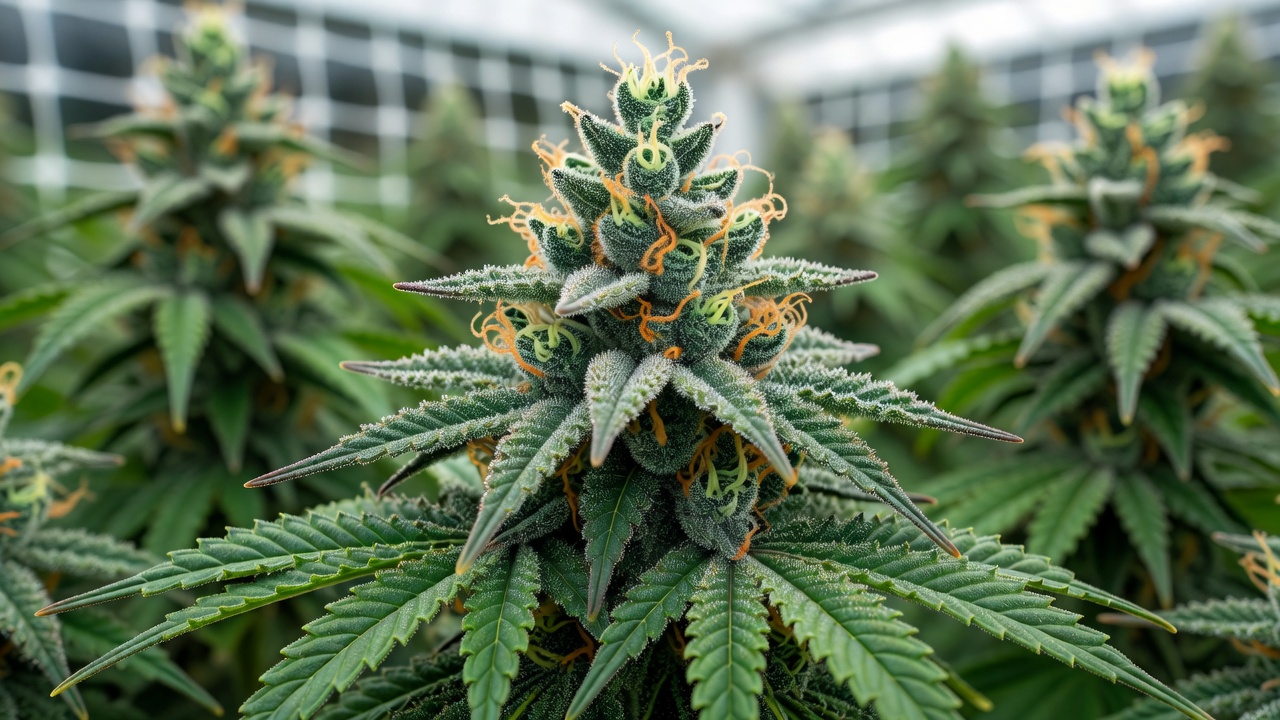
Introduction to Harvesting Feminized Photoperiod Cannabis
Determining the ideal harvest window is critical for home growers cultivating feminized photoperiod cannabis strains. These genetics, which produce only female plants, respond to light cycle changes to initiate flowering, allowing precise control over bud development. In 2026, cultivators benefit from advanced observation techniques and environmental monitoring to maximize potency, flavor, and yields while minimizing issues like mold or nutrient lockout.
Proper post-flowering management, including flushing, drying, and curing, directly impacts the final product quality. This guide outlines evidence-based practices tailored for female plants, helping enthusiasts achieve professional-grade results at home. For instance, a grower managing a small 4×4 tent can use digital microscopes weekly from week six of flower onward to track trichome shifts, avoiding guesswork that often leads to suboptimal harvests.
Understanding Photoperiod Feminized Genetics
Photoperiod feminized seeds eliminate male chromosomes through selective breeding, ensuring nearly 100% female plants that focus energy on resinous buds. Unlike autoflowers, these varieties require a shift from 18/6 to 12/12 light cycles to trigger flowering, typically lasting 8-10 weeks depending on the strain.
Growers must monitor plant maturity closely because premature or delayed harvests can reduce THC levels and terpene profiles. Feminized plants often show uniform flowering patterns, making them ideal for consistent home setups. In practice, a cultivator might maintain 18 hours of light during vegetative growth for six weeks before switching, then observe how indica-dominant feminized lines finish closer to eight weeks while sativa-leaning ones extend to ten or eleven. This control lets home growers stagger multiple strains in one space for continuous harvests without introducing male plants that could pollinate the crop.
Identifying the Ideal Harvest Window
The harvest window is best determined by examining trichomes under magnification. Clear trichomes indicate immaturity, while milky white ones signal peak potency and amber trichomes suggest a more sedative effect. Aim for 70-90% milky trichomes for balanced effects.
Pistil color changes provide secondary cues, with 70-80% browning often aligning with optimal ripeness. Environmental factors like temperature drops in late flower can accelerate maturity in 2026 indoor grows. To apply this guidance, start checking trichomes with a 60-100x jeweler loupe or USB microscope at the beginning of week seven. For a strain like Northern Lights feminized, harvest when most heads turn milky with 10-20% amber for a relaxing yet functional effect. Pistils that have receded and turned orange-brown across 75% of the buds reinforce the decision. Temperature drops of 5-8°F at night in the final two weeks can speed resin maturation, but growers should avoid swings below 60°F to prevent stress.
Practical Trichome Monitoring Schedule
Establish a weekly checklist: day one of week seven, photograph ten bud sites; repeat every three days. Record percentages of clear, milky, and amber trichomes in a notebook. This data-driven approach prevents early cutting that leaves THC levels 15-20% below peak.
Implementing Effective Flushing Schedules
Flushing removes excess nutrients from the root zone, typically starting 10-14 days before harvest for photoperiod feminized plants. Use pH-balanced water without additives to leach soil or coco media, improving taste and smoothness.
Monitor runoff EC levels dropping below 0.4 to confirm completion. Over-flushing risks stressing female plants, so observe leaf yellowing as a natural sign of nutrient depletion rather than deficiency. In a soil grow, begin flushing with 2-3 gallons of pH 6.0 water per plant when trichomes reach 50% milky. For coco coir, use 1.5 gallons per gallon of medium daily until EC readings stabilize under 0.4. Yellowing fan leaves during this period indicate successful nutrient drawdown; if leaves brown rapidly instead, reduce water volume slightly to avoid root shock.
Proper Drying Techniques
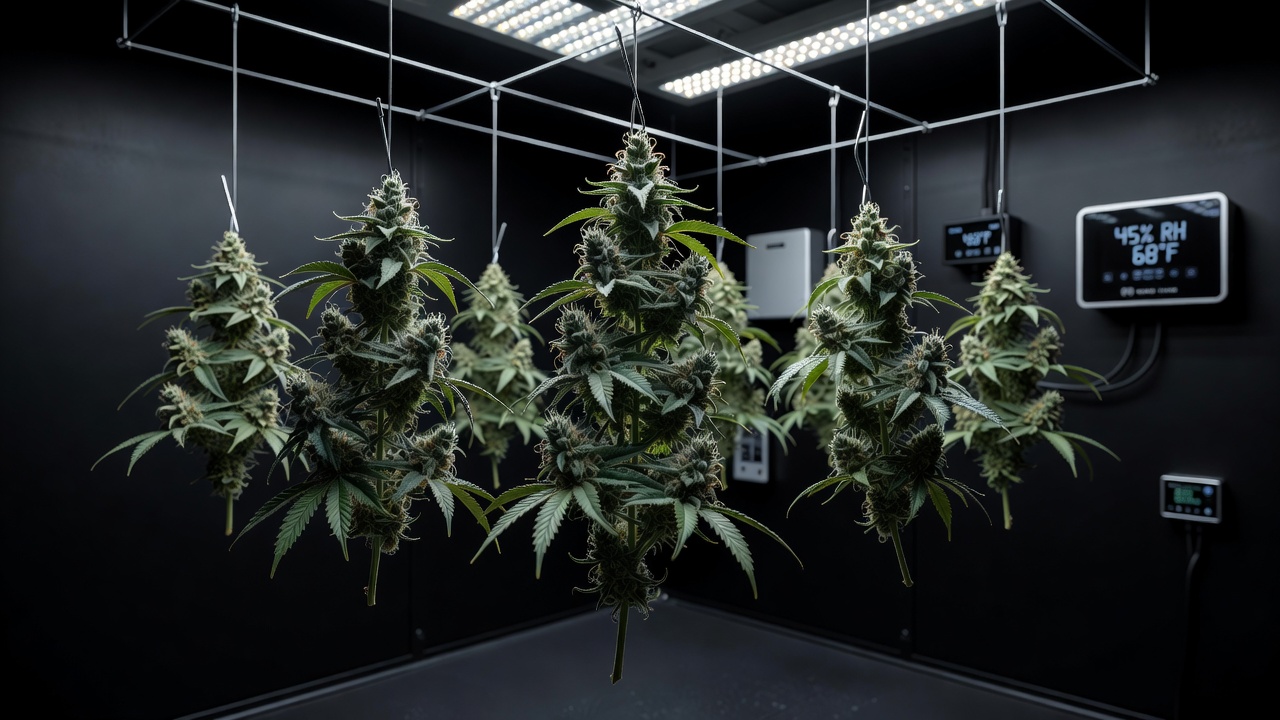
After harvest, hang branches upside down in a dark room at 60-70°F with 45-55% humidity for 7-14 days. Good airflow prevents mold without rapid drying that degrades cannabinoids.
Stems should snap cleanly when ready, indicating internal moisture has equalized. For feminized grows, gentle handling preserves delicate trichomes during this stage. Trim large fan leaves before hanging to improve airflow, but leave sugar leaves intact until after drying. Position oscillating fans on low speed two feet from branches, ensuring no direct breeze hits buds. In a 70°F room with 50% humidity, most photoperiod harvests dry in 10-12 days; check small stems daily after day seven. When they snap with an audible crack rather than bend, move immediately to curing to lock in remaining moisture at 10-12%.
Curing Processes for Enhanced Quality
Transfer dried buds to airtight glass jars, filling them 75% full and burping daily for the first week. Maintain 58-62% humidity using packs if needed, allowing 2-4 weeks for flavors to develop fully.
Longer cures up to 8 weeks enhance smoothness and aroma in photoperiod strains. Store away from light and heat to preserve potency for 2026 harvests. Fill quart jars three-quarters full, seal, and open once daily for five minutes during week one. After seven days, reduce burping to every other day. If humidity exceeds 65%, add a 58% pack; below 55%, include a small piece of fresh leaf from the same plant. By week four, terpene profiles deepen noticeably, producing smoother smoke with pronounced strain-specific aromas such as citrus or pine.
Avoiding Common Post-Flowering Pitfalls
Common errors include harvesting too early due to impatience or improper humidity causing bud rot. Always verify trichomes rather than relying on breeder timelines alone.
Skipping flush or rushing dry can lead to harsh smoke and reduced yields. Use digital hygrometers and consistent environments to sidestep these issues in female plant cultivation. Set phone reminders for trichome checks and maintain two hygrometers per drying space to catch humidity spikes above 60% that invite mold. If rot appears, remove affected buds immediately and increase airflow rather than lowering temperature too far, which can slow drying unevenly.
Conclusion
Mastering these stages ensures superior results from feminized photoperiod cannabis. By focusing on observation and patience, home growers in 2026 can produce high-quality harvests consistently. For further reading on cultivation standards, consult resources from usda.gov and nih.gov.