
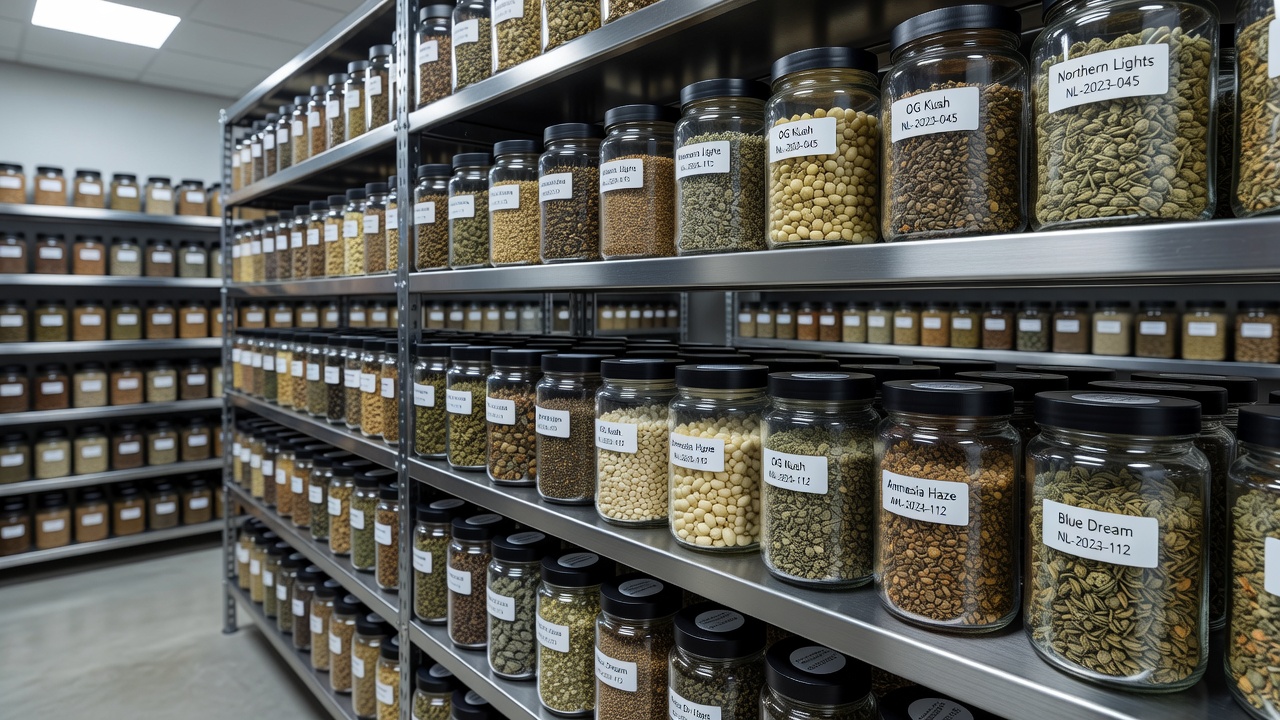
As home growers seek consistent results from cannabis seeds, understanding epigenetics has become essential in 2026. Epigenetic factors modify gene expression without altering DNA sequences, affecting traits like potency, yield, and resilience in ways traditional genetics cannot predict. When sourcing from seed banks, buyers must look beyond basic lineage to evaluate how environmental histories influence seed performance. This approach helps secure stable genetics for enhanced breeding and cultivation outcomes. For example, a grower in a controlled indoor tent using LED lights at 18/6 during veg might still encounter unexpected variations if the parent plants experienced heat stress, leading to lower THC expression in the offspring despite identical genetics on paper.
Understanding Epigenetics in Cannabis Cultivation
Epigenetics involves mechanisms such as DNA methylation and histone modification that respond to environmental cues. In cannabis, these processes determine how plants express traits under varying light, temperature, and nutrient conditions. Seed banks that document parental plant environments provide more reliable offerings because they account for these influences. Growers benefit from recognizing that even identical genetic lines can produce varied phenotypes due to epigenetic marks inherited from previous generations. Consider a practical scenario where two batches of the same Blue Dream lineage are purchased: one from a bank that grew mothers under steady 75°F conditions with balanced organic nutrients, and another from a source with fluctuating humidity during flowering. The first batch typically delivers uniform canopy growth and consistent 18% THC levels, while the second may show 10-15% variation in resin production across siblings.
Research from institutions like the National Institutes of Health highlights how stress during flowering can imprint lasting changes on offspring. For cannabis enthusiasts, this means selecting seeds from breeders who maintain controlled environments to minimize unwanted epigenetic variations. Such practices lead to more predictable growth cycles and reduced phenotypic drift in home setups. A concrete example involves monitoring VPD levels between 0.8-1.2 kPa during the final four weeks of flower to avoid stress-induced methylation that could suppress terpene profiles like myrcene or limonene in future generations.
Key Environmental Triggers to Monitor
Growers should track specific variables that commonly trigger epigenetic responses. Temperature swings above 85°F during lights-on periods, pH fluctuations outside 6.0-6.5 in soil, or inconsistent CO2 supplementation at 800-1200 ppm can all leave marks. In one documented case, a Pacific Northwest outdoor cultivator noted that seeds from parents exposed to late-season cold snaps produced plants with delayed flowering by up to 10 days compared to siblings from climate-controlled stock.
How Epigenetic Factors Affect Genetic Stability
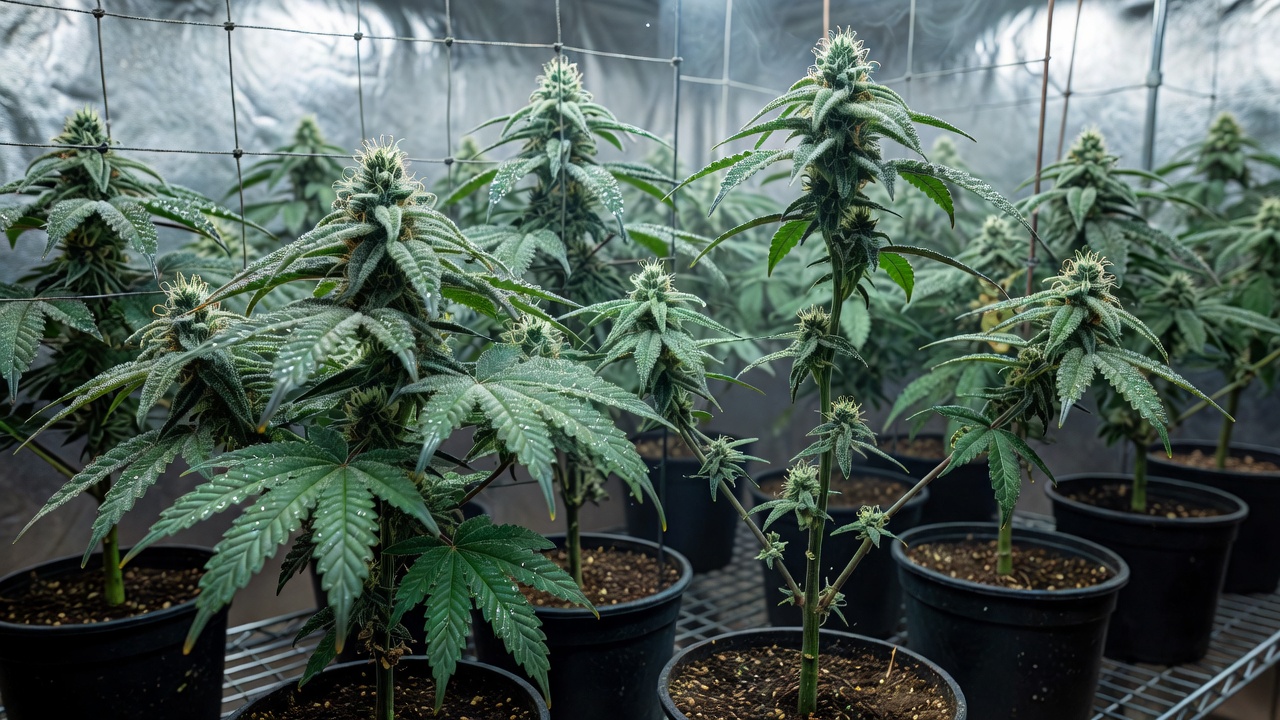
Stable cannabis genetics rely on minimizing epigenetic instability passed through seeds. Unstable lines may exhibit inconsistent resin production or hermaphroditic tendencies triggered by prior environmental stresses on parent plants. Seed banks addressing this offer detailed grow histories, helping buyers avoid lines prone to variation. In practice, this stability translates to uniform crops that perform well across different indoor or outdoor conditions. An advanced grower might run a side-by-side test: plant 10 seeds from a stabilized line versus 10 from a less-documented source, noting that the former shows only 5% hermaphrodite risk under identical 12/12 lighting after week four of flower.
Advanced growers in 2026 prioritize banks that use epigenetic testing data during breeding. These tests reveal methylation patterns linked to desirable traits like pest resistance. By focusing on such metrics, enthusiasts achieve better breeding outcomes without relying solely on visual selection of mother plants. For instance, selecting mothers that demonstrated strong resistance after deliberate spider mite exposure allows breeders to pass on those adaptive marks, resulting in offspring that require 30% less pesticide intervention in subsequent grows.
Evaluating Seed Bank Offerings for Reliability
When browsing seed banks, examine descriptions for mentions of stabilized lines and environmental controls during breeding. Reputable sources provide information on generation counts and selection pressures applied to reduce epigenetic noise. Look for transparency regarding parent plant conditions, as this directly impacts trait reliability in the seeds you purchase. Always request or review any available data on grow-room parameters such as daily light integral (DLI) values around 40-60 mol/m²/day during vegetative stages.
- Review customer feedback on phenotype consistency across multiple grows, focusing on reports that mention identical flowering times and cannabinoid percentages within a 2% margin.
- Check for certifications or third-party lab reports on genetic stability, including any mentions of methylation analysis or multi-generational testing results.
- Prioritize banks publishing detailed breeding logs from 2024 onward that list exact nutrient regimens, light schedules, and stress events avoided.
- Compare batch photos and user-submitted grow journals to spot patterns of variation in leaf morphology or bud density.
These steps filter out offerings where epigenetic factors may undermine expected results. In one practical application, a home grower cross-checked three banks for a sought-after OG Kush phenotype and selected the supplier whose logs showed zero temperature excursions above 80°F, yielding a crop with 95% uniformity in plant height at harvest.
Practical Buying Tips Beyond Basic Genetics
Start by matching seed selections to your specific growing environment to counteract potential epigenetic mismatches. Choose feminized or regular seeds from banks emphasizing multi-generational stability testing. Always verify batch dates and storage conditions, since improper handling can introduce new epigenetic stresses post-harvest. Store seeds at 40°F and 30% relative humidity in airtight containers to preserve existing marks. Additionally, cross-reference strain information with independent databases for reported variations. This helps identify lines where epigenetic influences have been successfully managed. Home growers report higher success rates when combining these checks with small test grows before committing to larger purchases. Begin with a 4-plant trial under your exact setup—same medium, lights, and feeding schedule—to observe real-world expression before scaling to 20 or more plants.
Advanced 2026 Strategies for Enhanced Breeding
In 2026, leverage emerging tools like epigenetic profiling services offered by select seed banks to predict trait expression more accurately. Integrate data from climate simulations during selection to simulate real-world variables. Breeders now combine traditional backcrossing with epigenetic markers for superior outcomes in hybrid development. For example, using software models that replicate 95°F heat waves allows selection of lines less prone to cannabinoid degradation. Stay updated via industry resources on new testing protocols that quantify environmental impacts on seed lots. This strategy allows enthusiasts to select offerings optimized for specific breeding goals, such as higher cannabinoid profiles or faster flowering times. Applying these methods consistently elevates overall cultivation reliability, with some users documenting 20% yield improvements after switching to profiled stock.
Conclusion
Mastering epigenetic considerations when buying cannabis seeds empowers home growers to achieve stable, high-performing genetics. By applying these 2026-focused evaluation techniques, enthusiasts secure better results from seed banks while advancing their breeding projects with confidence and precision. Consistent documentation of your own grow conditions further refines future selections, creating a feedback loop that minimizes unwanted variation across seasons.