🎁 Free bonus seeds with every pack 🚚 Discreet tracked shipping worldwide 🌱 Germination guarantee on every order

Author: buyweedseeds

  • Autoflower Seeds for Beginners: Easy 2026 Grow Guide

    Autoflower Seeds for Beginners: Easy 2026 Grow Guide

    What Are Autoflower Seeds?

    Autoflower seeds represent a game-changer in cannabis cultivation, especially for those dipping their toes into home growing in 2026. Unlike traditional photoperiod cannabis strains that rely on light cycle changes to trigger flowering, autoflowers are derived from Cannabis ruderalis genetics. This hybrid heritage allows them to automatically transition from vegetative growth to the flowering stage after a set period, typically 2-4 weeks, regardless of light exposure.

    The result? Shorter grow cycles—often just 8-10 weeks from seed to harvest—making them ideal for impatient beginners or those with limited space and time. In 2026, with advanced seed breeding, autoflowers boast improved yields and potency, rivaling their photoperiod counterparts while maintaining that effortless appeal.

    Why Autoflowers Are Perfect for Beginners

    For novice home growers and cannabis enthusiasts, autoflowers eliminate many complexities of traditional growing. No need to meticulously adjust light schedules or worry about accidental light leaks that could revert plants to vegetative mode. This simplicity reduces stress and increases success rates.

    They’re also forgiving in suboptimal conditions. Autoflowers thrive in smaller pots and compact setups, perfect for apartments or discreet indoor grows. Yields might be modest (around 50-200 grams per plant indoors), but the quality of buds—rich in THC and terpenes—delivers satisfying results without years of experience.

    Moreover, in regions where cannabis legalization continues to expand, autoflowers align with the ethos of sustainable, low-maintenance home cultivation. According to Leafly’s 2026 grow trends report, over 60% of new growers start with autos for their reliability (Leafly.com).

    Essential Equipment for Your First Autoflower Grow

    Setting up doesn’t require a fortune or a greenhouse. Focus on basics to create a controlled environment. Here’s what you’ll need:

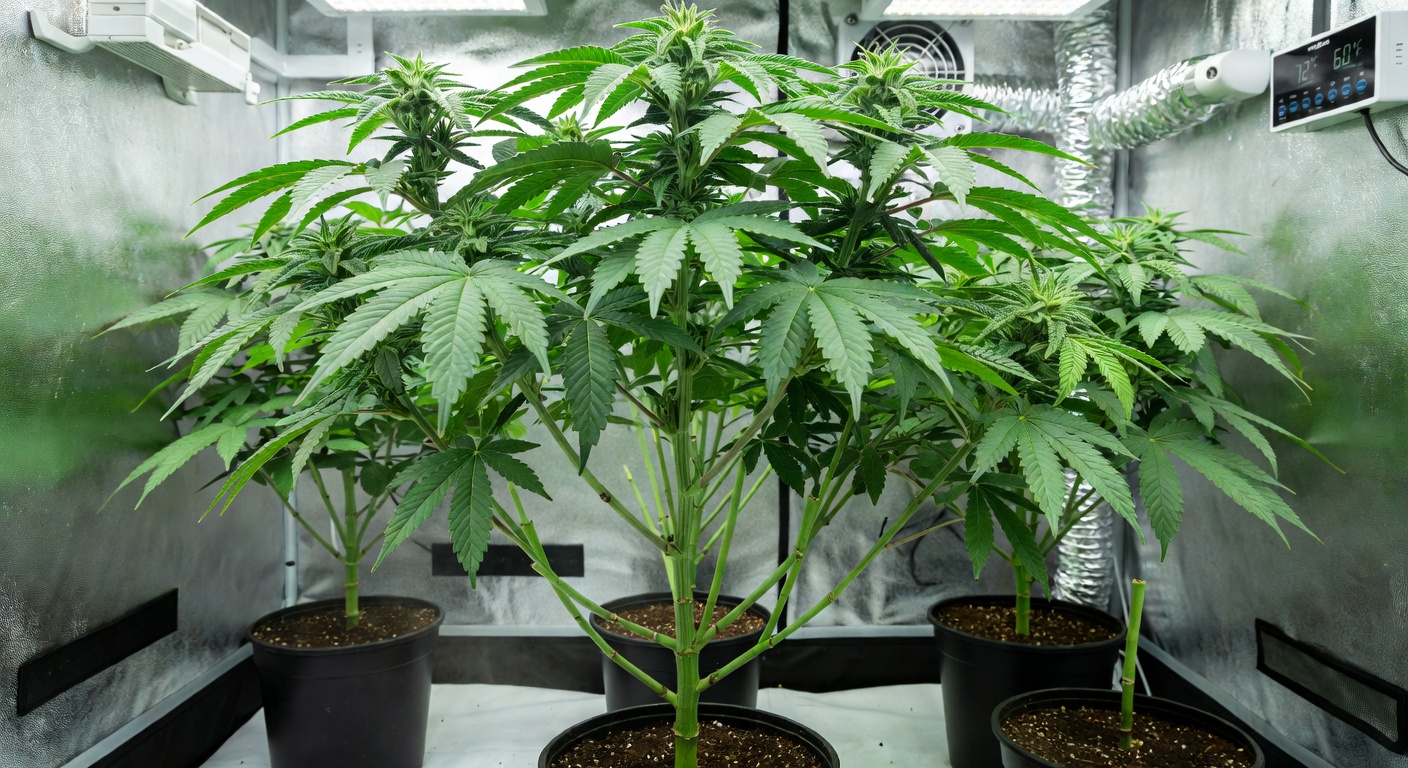
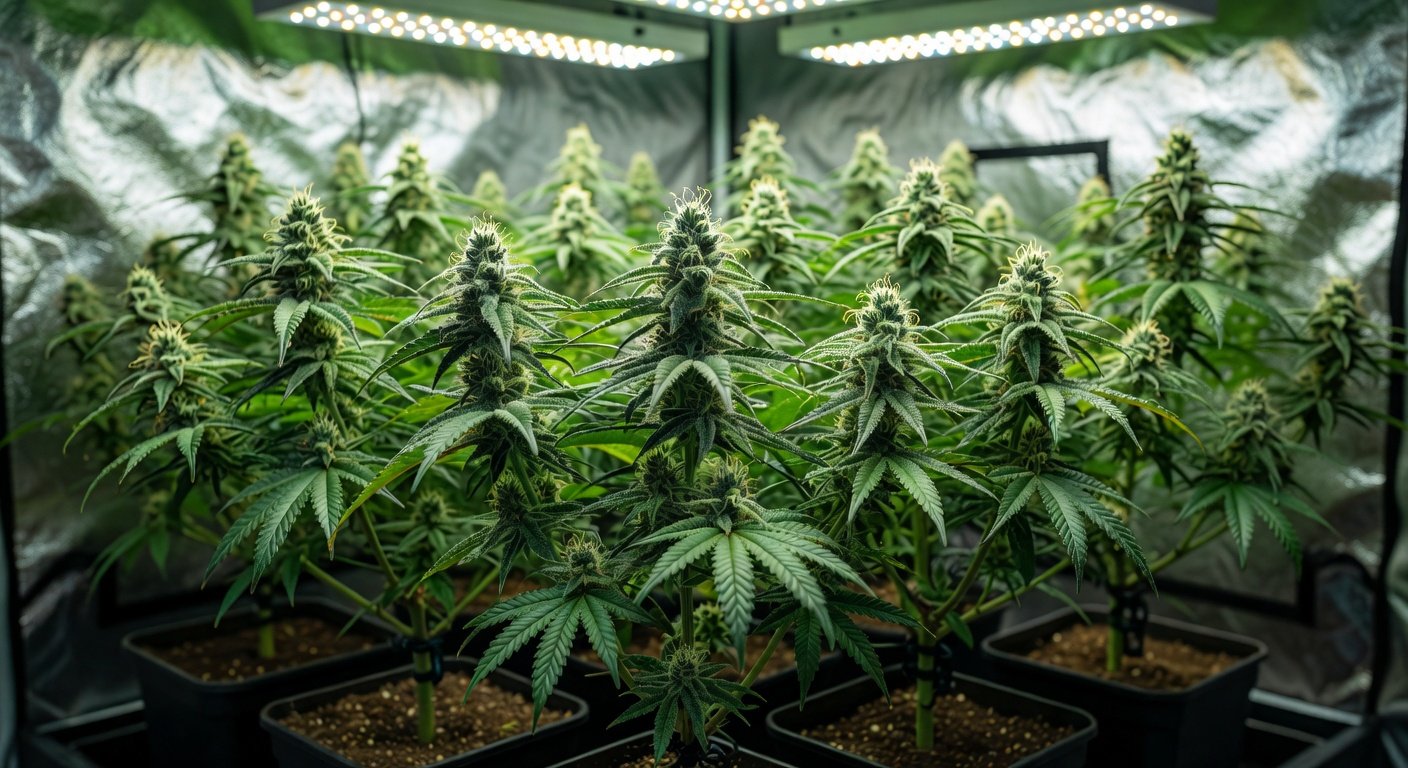
    • Grow Lights: LED panels are energy-efficient and full-spectrum, mimicking sunlight. A 200-400W unit suffices for 2-4 plants in a 2×2 foot space.
    • Grow Medium: Soil is beginner-friendly; opt for pre-mixed organic potting soil with good drainage. Coco coir works for hydroponic-curious growers.
    • Containers: 3-5 gallon fabric pots promote root health and prevent overwatering.
    • Ventilation: A small inline fan and carbon filter keep air fresh and control humidity (aim for 40-60%).
    • pH and Nutrient Tools: A basic pH meter and autoflower-specific nutrients (low nitrogen during veg, balanced for flower).
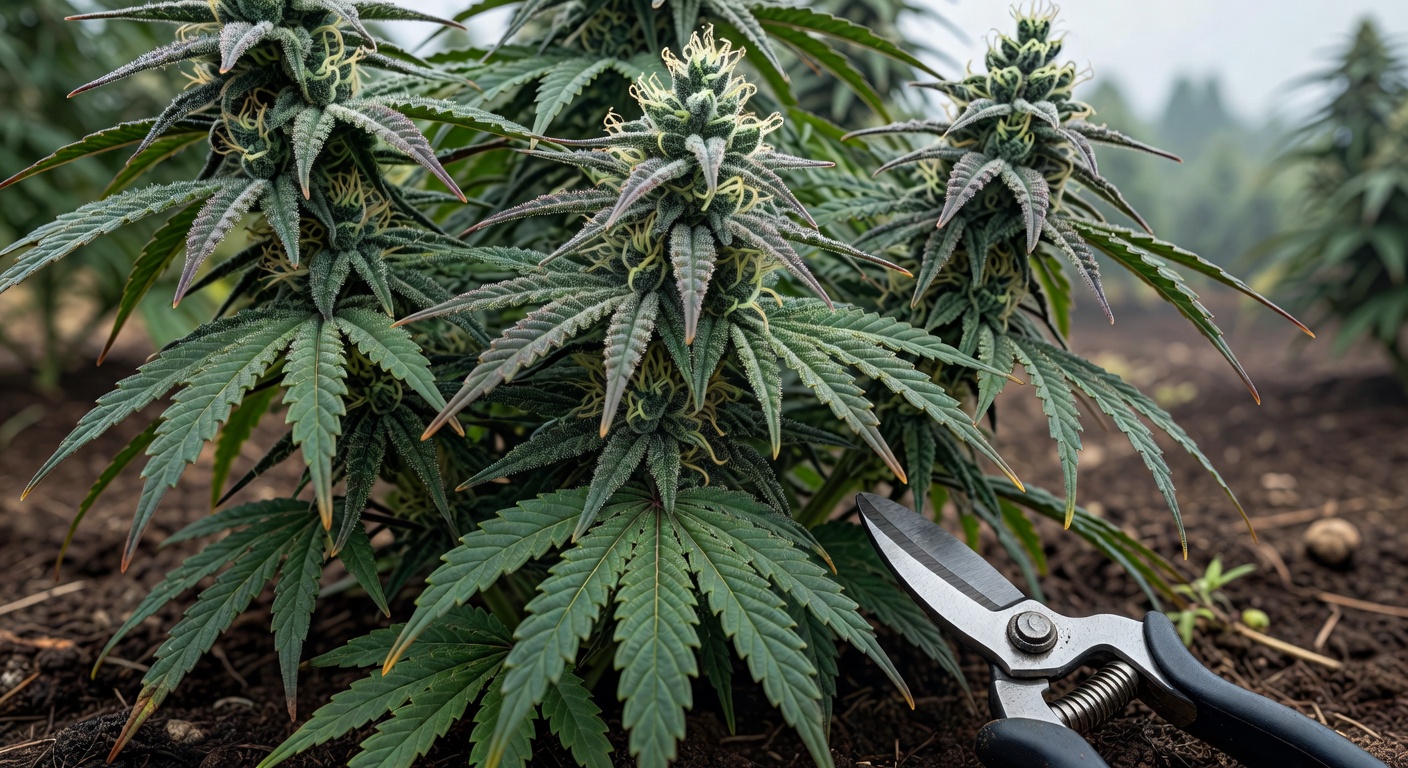
    • Other Essentials: Thermometer/hygrometer, timers, and pruning shears.

    Budget around $200-500 for a starter kit in 2026, with prices dropping due to tech advancements. For soil health insights, check the USDA’s guidelines on organic growing practices (USDA.gov).

    Simple Steps to Set Up and Grow Your First Autoflowers

    Ready to start? Follow this straightforward 8-10 week plan for indoor growing, adaptable to outdoors in mild climates.

    Step 1: Germination (Days 1-3)

    Soak seeds in water for 12-24 hours until they sink, then transfer to damp paper towels in a warm (70-80°F), dark spot. Roots emerge in 1-3 days. Plant sprouted seeds ¼ inch deep in small starter pots.

    Step 2: Seedling Stage (Weeks 1-2)

    Provide 18-24 hours of light daily under gentle LEDs. Keep soil moist but not soggy; temperature 70-85°F, humidity 60-70%. True leaves appear—your plant is establishing roots.

    Step 3: Vegetative Growth (Weeks 2-4)

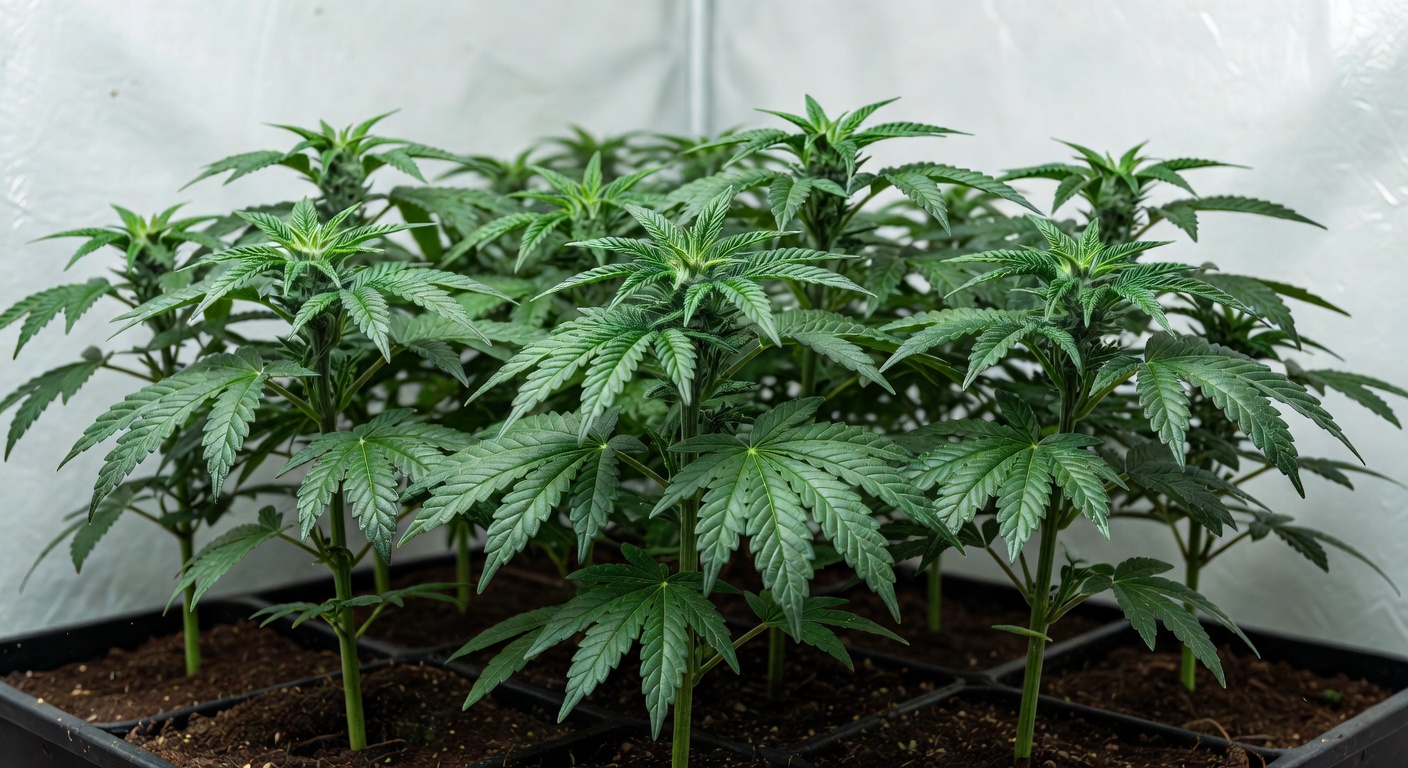
    Transplant to larger pots once roots fill the starter. Maintain 18/6 light cycle (18 hours on, 6 off). Water when top inch of soil dries; feed half-strength nutrients weekly. Plants stretch and bush out automatically.

    Step 4: Flowering (Weeks 4-8)

    No light changes needed—autos flower on their own. Bud sites form; increase phosphorus-rich nutrients. Trim lower leaves for better airflow. Watch for pistils turning amber.

    Step 5: Late Flowering and Flush (Weeks 8-10)

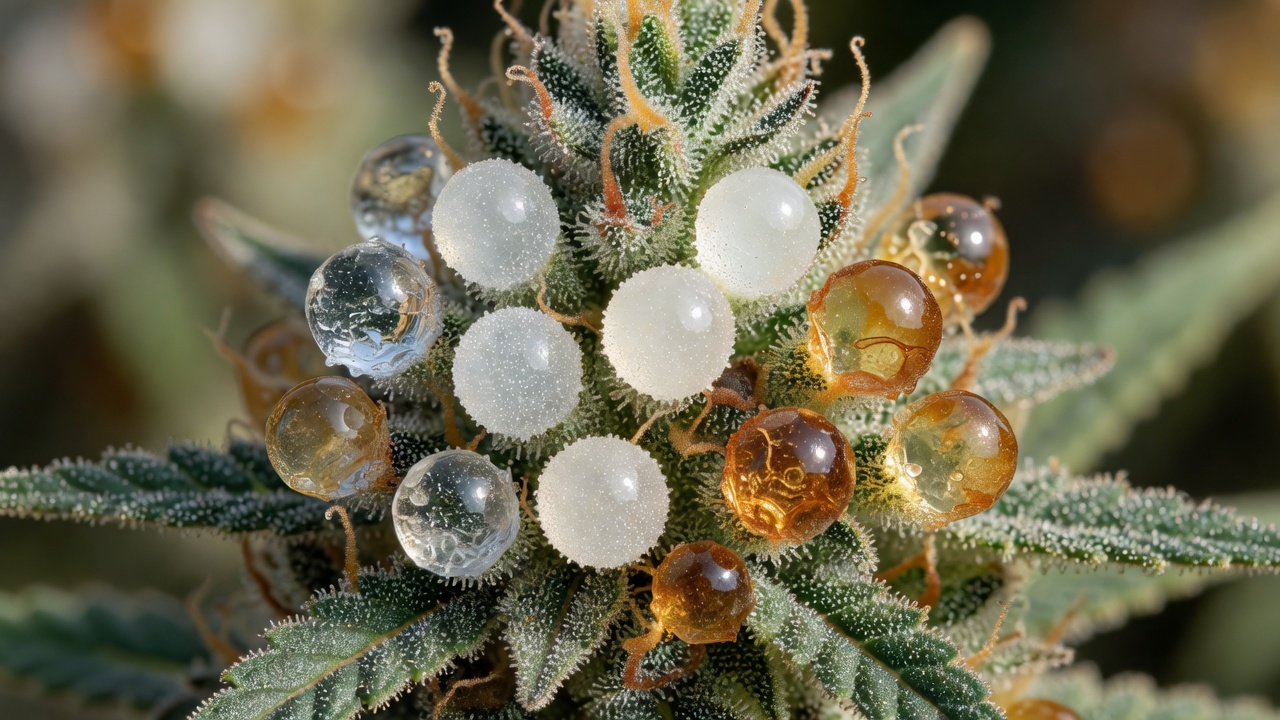
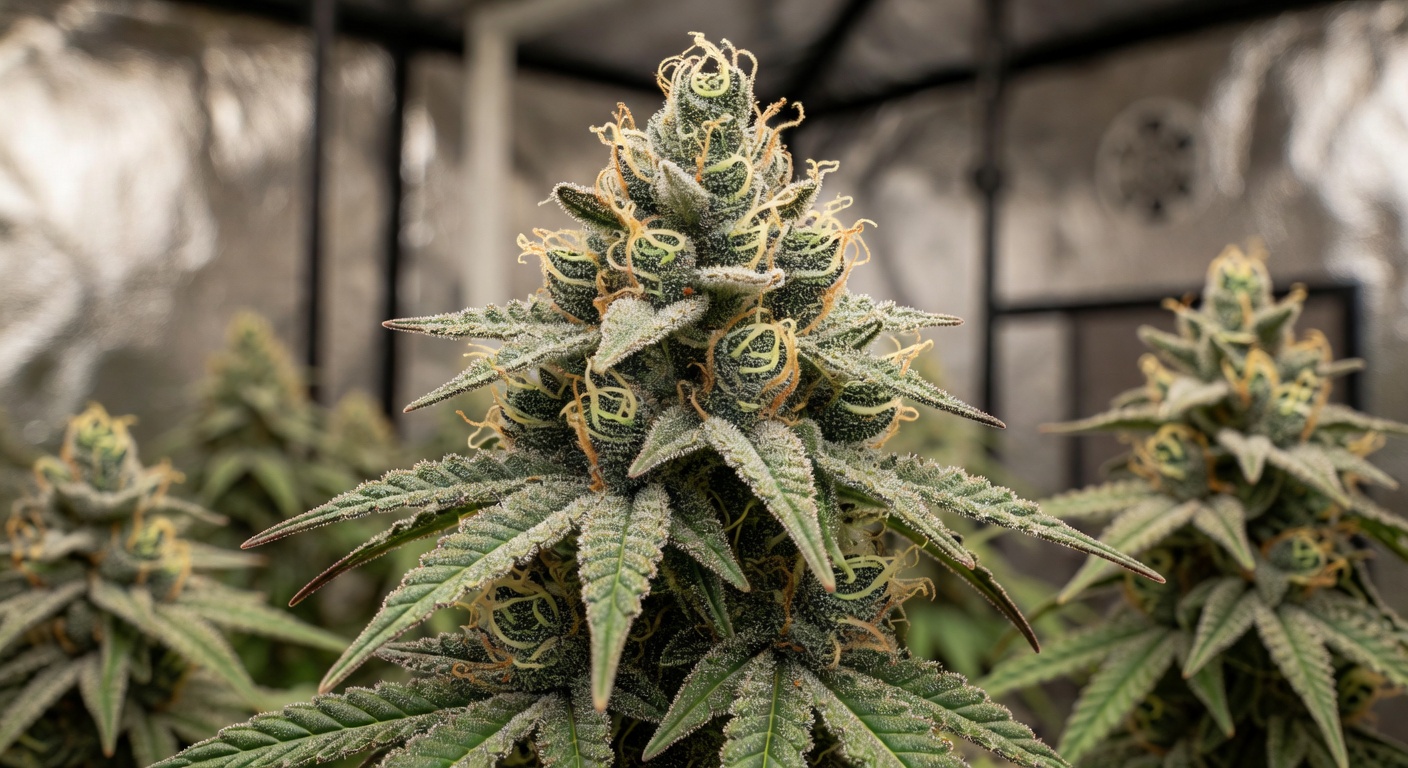
    Buds swell; reduce nutrients in the last 2 weeks to flush out residues for smoother smoke. Harvest when 70% trichomes are cloudy (use a jeweler’s loupe).

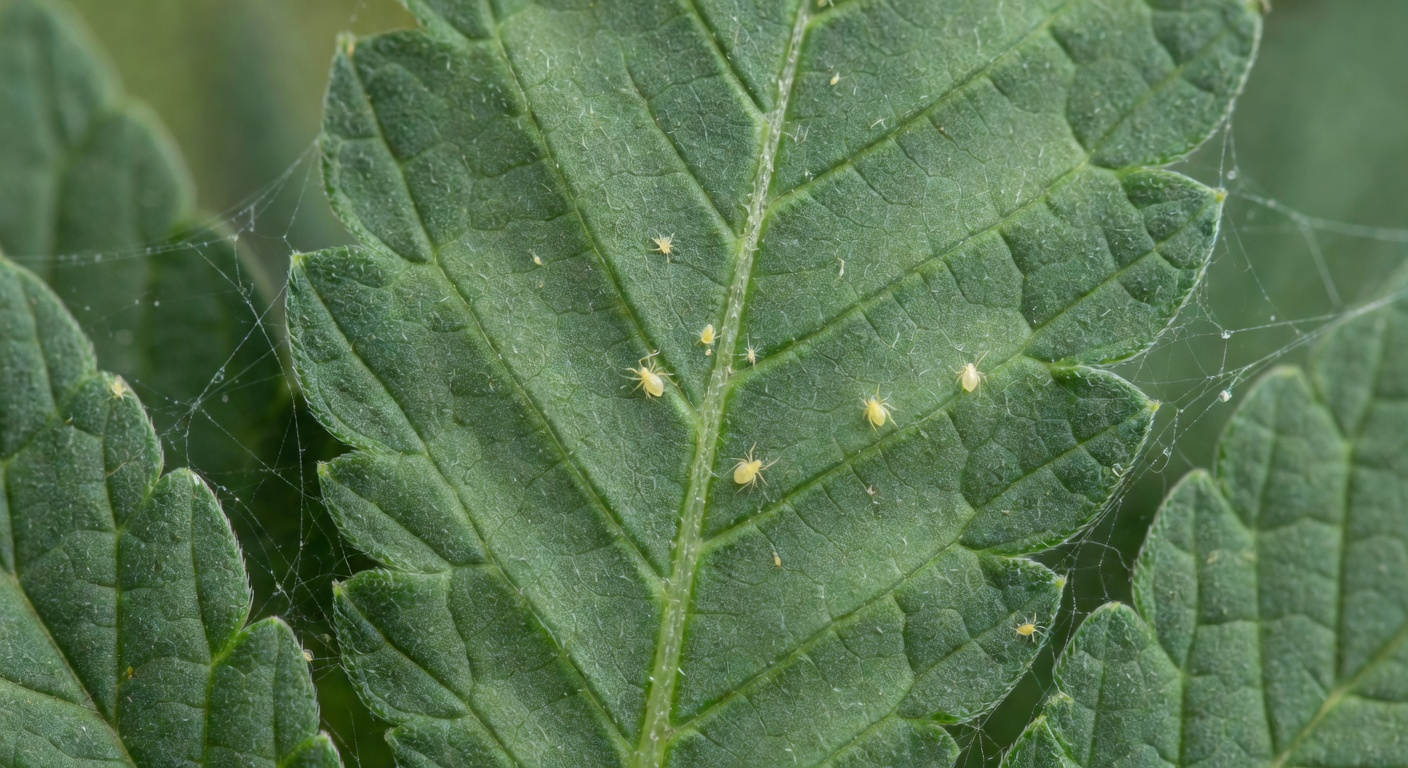
    Throughout, monitor for pests like spider mites—neem oil is a safe organic remedy. Outdoors, plant in spring for summer harvest, protecting from heavy rain.

    Common Pitfalls to Avoid as a Beginner

    Even with autoflowers’ ease, mistakes happen. Here’s how to sidestep them:

    1. Overwatering: The top killer. Let soil dry between waterings; root rot thrives in wet conditions.
    2. Nutrient Burn: Less is more—start at ¼ strength. Yellow tips signal overload; flush immediately.
    3. Poor Lighting: Too far or weak lights cause stretching. Hang LEDs 18-24 inches above canopy, adjusting as plants grow.
    4. Ignoring pH: Aim for 6.0-7.0 in soil. Off-balance locks out nutrients, stunting growth.
    5. Impatience with Harvest: Rushing leads to underdeveloped buds. Wait for peak trichome maturity for max potency.

    Genetics play a role too—choose reputable seed banks for stable strains like Northern Lights Auto or Blue Dream Auto, which resist common issues.

    Achieving a Successful Harvest with Minimal Experience

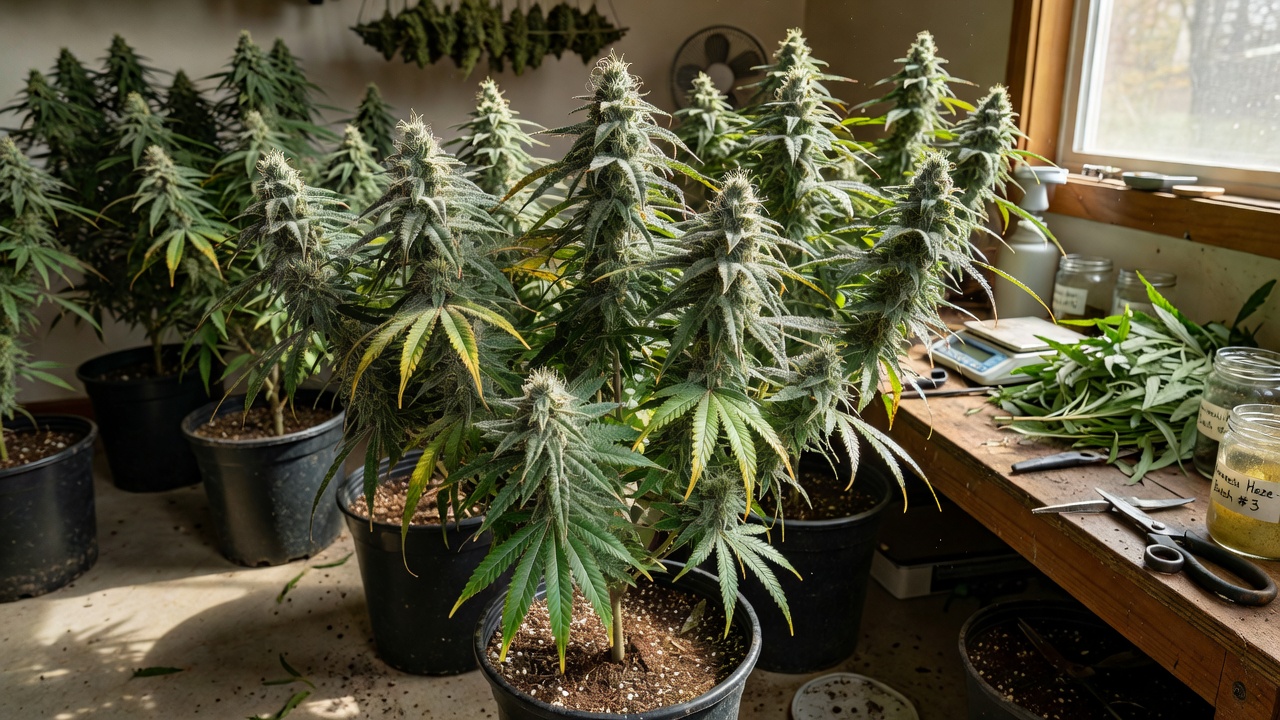
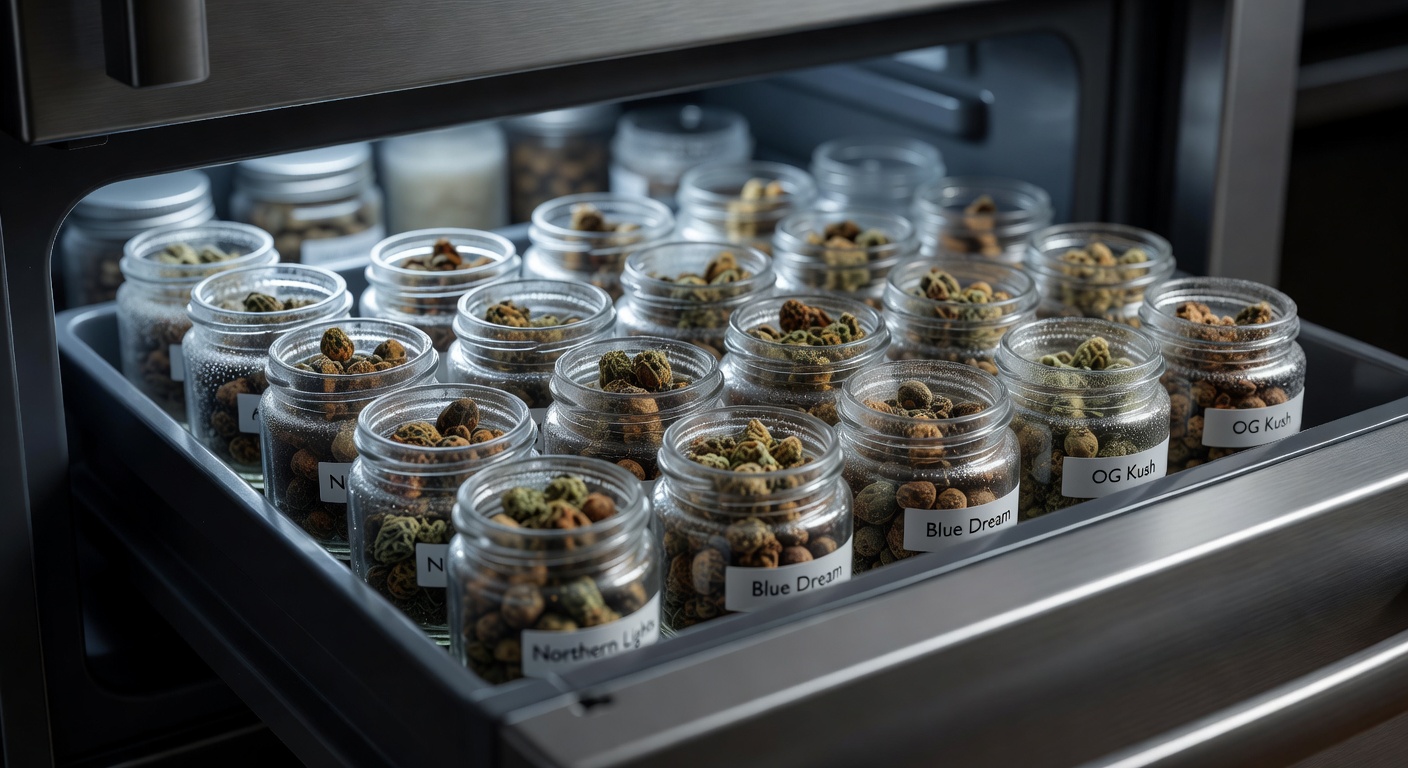
    Your first harvest could yield 1-2 ounces per plant, enough for personal use. Dry buds upside down in a dark, 60-70°F space for 5-10 days until stems snap. Cure in glass jars, burping daily for 2 weeks to enhance flavor and smoothness.

    Success comes from observation: Daily checks reveal issues early. In 2026, apps like GrowBuddy integrate AI for pH reminders and pest ID, boosting newbie confidence. Remember, each grow teaches—treat failures as lessons, not defeats.

    With autoflowers, you’re not just growing cannabis; you’re building skills for a rewarding hobby. Start small, stay consistent, and enjoy the fruits (or buds) of your labor. Happy growing!

  • Top 10 High-THC Cannabis Strains for Seeds in 2026

    Top 10 High-THC Cannabis Strains for Seeds in 2026

    Introduction to High-THC Strains in 2026

    As we step into 2026, the cannabis seed market has evolved dramatically, offering home growers an array of high-THC strains that promise potent effects and impressive yields. With legalization expanding across more regions, enthusiasts are turning to seeds for their genetic purity and customization potential. This listicle spotlights the top 10 high-THC cannabis strains available for purchase, focusing on those with THC levels exceeding 25%. We’ll delve into their effects, flavors, cultivation requirements, and yield comparisons to help both novice and seasoned growers make informed choices.

    High-THC strains are prized for their euphoric, energizing, or deeply relaxing highs, making them ideal for recreational and medicinal use. Factors like terpene profiles influence flavors, while breeding advancements have boosted THC potency without sacrificing ease of growth. For beginners, look for forgiving indicas or hybrids; advanced growers can tackle finicky sativas for maximum rewards. Always source seeds from reputable banks to ensure quality genetics. According to the Leafly database, 2026 sees a surge in THC-dominant hybrids, reflecting consumer demand for balanced experiences.

    1. Gorilla Thunder (THC: 28-32%)

    Gorilla Thunder, a potent hybrid born from Gorilla Glue #4 and Thunderstruck, dominates 2026 seed sales with its sky-high THC content. Users report an initial cerebral rush followed by full-body relaxation, perfect for stress relief and creative pursuits. The flavor profile bursts with earthy pine notes accented by diesel and a hint of sweetness, thanks to dominant terpenes like myrcene and caryophyllene.

    For cultivation, this strain thrives in both indoor and outdoor setups. Beginners will appreciate its resilience to pests and mold, germinating in 3-5 days under standard conditions. Use a soil medium with pH 6.0-7.0 and maintain temperatures around 70-80°F during veg. Flowering takes 8-9 weeks, yielding 18-22 oz per square meter indoors for novices—double that for advanced growers employing SCROG techniques and CO2 enrichment. Compared to older strains like OG Kush, Gorilla Thunder offers 20% higher yields with less stretching, making it a top pick for efficiency.

    2. Nebula Haze (THC: 27-30%)

    A sativa-leaning powerhouse, Nebula Haze crosses Amnesia Haze with a high-THC nebula variant, delivering uplifting euphoria and focus-enhancing effects. Ideal for daytime use, it combats fatigue and sparks motivation without paranoia. Flavors lean citrusy and spicy, with limonene and pinene terpenes creating a zesty, herbal exhale.

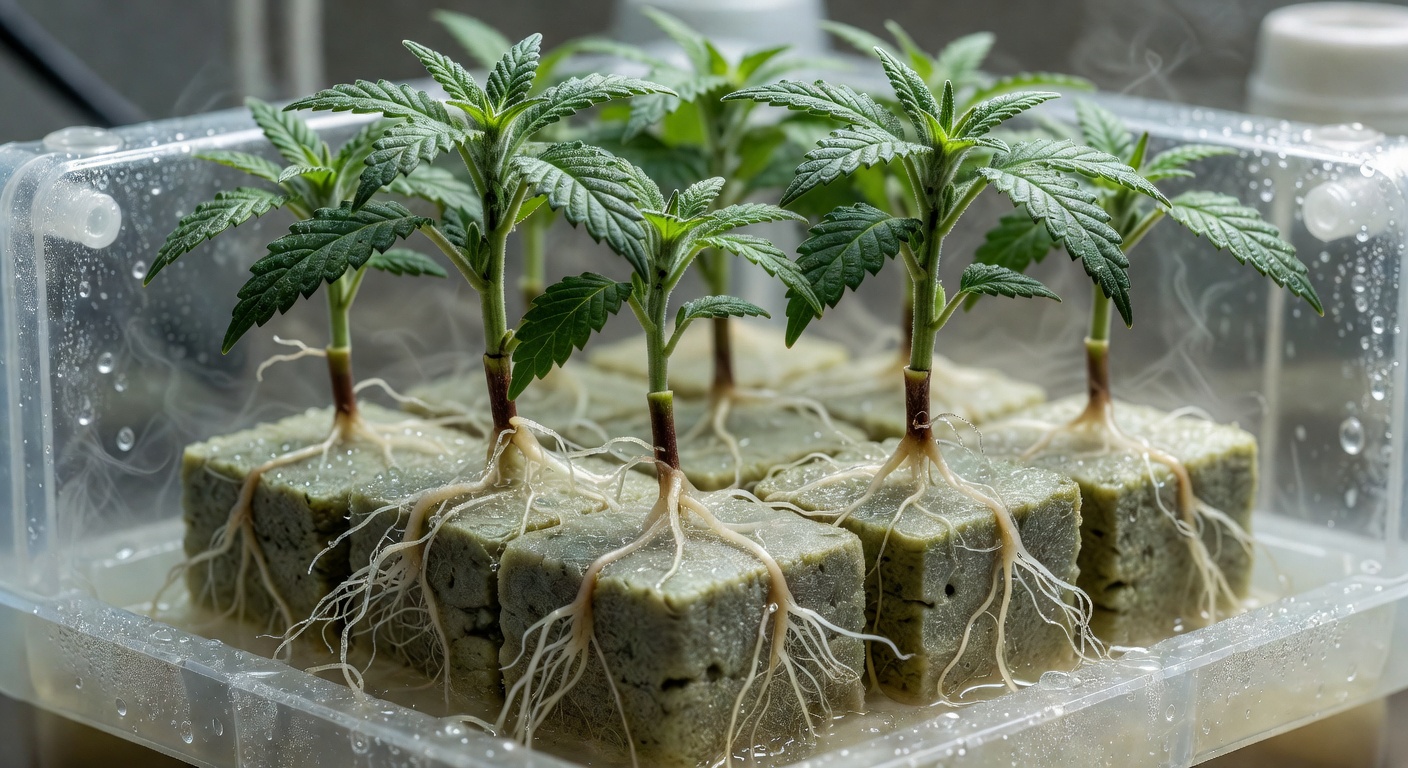
    Growing Nebula Haze suits intermediate to advanced cultivators due to its tall stature (up to 6 feet). Start seeds in rockwool cubes for hydroponic systems, ensuring 18/6 light cycles in veg. It flowers in 10-11 weeks, producing 16-20 oz/m² indoors; beginners might see 12-15 oz with basic pruning. Outdoors, harvest in late October for yields up to 25 oz per plant in sunny climates. Versus classics like Jack Herer, it boasts 15% more THC and better resistance to humidity, per data from the NORML research archives.

    3. Purple Punch Fire (THC: 26-29%)

    This indica-dominant beauty, a remix of Purple Punch and Fire OG, packs a sedative punch for evening unwinding. Effects include deep calm, pain relief, and appetite stimulation, with flavors of grape candy and vanilla cream dominating the palate—courtesy of linalool and humulene.

    Cultivation is beginner-friendly, with compact bushes (3-4 feet) that bush out nicely under 24/0 lights initially. Soil or coco coir works best; expect 7-8 week flowering and 20-24 oz/m² yields indoors. Advanced growers can push 30 oz with topping and LST methods. In comparison to Granddaddy Purple, Purple Punch Fire yields 25% more bud while maintaining dense, resinous nuggets, ideal for extract production.

    4. Bruce Banner Extreme (THC: 29-33%)

    Elevating the iconic Bruce Banner, this 2026 iteration amps THC for Hulk-like intensity: explosive energy turning to mellow vibes. Great for chronic pain and depression, it tastes berry-sweet with earthy undertones from beta-caryophyllene and myrcene.

    Hybrid vigor makes it versatile—indoors, veg for 4-6 weeks at 75°F, flower in 9 weeks for 18-23 oz/m². Beginners succeed with auto-flowering versions yielding 15 oz; pros hit 28 oz via mainlining. Outperforms original Banner by 10% in THC and yield, with stronger mold resistance for humid grows.

    5. Strawberry Banana Blaze (THC: 25-28%)

    A fruity hybrid of Strawberry Banana and Blaze OG, it offers happy, giggly highs with minimal couch-lock. Flavors mimic ripe strawberries and bananas, driven by ocimene terpenes for a tropical twist.

    Easy for newbies: germinates fast, flowers in 8-10 weeks, yielding 17-21 oz/m² indoors. Use LED lights to avoid stretch. Advanced setups with deep water culture boost to 26 oz. Compared to Banana Kush, it provides higher THC and faster finishes, suiting impatient growers.

    6. Girl Scout Cookies Supreme (THC: 27-31%)

    The supreme version of GSC blends Thin Mint with high-THC cookies, yielding euphoric bliss and body buzz. Effects aid insomnia and nausea; flavors are sweet cookie dough with minty spice.

    Indoor favorite: 9-week flower, 19-24 oz/m² for beginners using organic nutrients. Advanced hydro yields 30+ oz. Edges out original GSC in potency (15% more THC) and yield stability.

    7. White Widow Widowmaker (THC: 26-30%)

    Revamped White Widow with Widowmaker genetics for resin-drenched buds. Energizing yet relaxing, it flavors earthy and woody with pine accents.

    Versatile grower: 8-9 weeks flower, 16-20 oz/m² indoors. Beginners get solid results; pros maximize with fluxing for 25 oz. Superior to classic Widow in THC density and pest tolerance.

    8. Blue Dream Dreamweaver (THC: 25-29%)

    Sativa hybrid for dreamy creativity, blending Blue Dream with Dreamweaver. Berry-blue flavors, uplifting effects for focus.

    Stretches tall; train early for 18-22 oz/m² in 9-10 weeks. Beginners: 14 oz; advanced: 28 oz outdoors. 20% THC boost over original.

    9. Death Star Destroyer (THC: 28-32%)

    Indica for knockout relaxation, starry flavors of diesel and citrus.

    Compact, 7-8 week flower, 20-25 oz/m². Easy for all levels; pros push 32 oz.

    10. Sour Diesel Turbo (THC: 27-31%)

    Sativa rocket fuel: energizing, sour lemon diesel taste.

    10-week flower, 17-21 oz/m² indoors. Advanced yields 26 oz with SOG. Faster than original Diesel.

    Choosing the Right Strain for Your Grow

    When selecting seeds, consider your space, experience, and goals. Beginners should prioritize resilient strains like Purple Punch Fire for quick wins; advanced growers can experiment with Nebula Haze for premium yields. Always monitor THC lab tests from seed banks. In 2026, sustainable practices like organic feeding enhance terpene profiles, boosting overall quality. Happy growing!

  • Top 10 Tips to Optimize Cannabis Growth in 2026

    Top 10 Tips to Optimize Cannabis Growth in 2026

    Introduction to Optimizing Cannabis Growth in 2026

    In 2026, cannabis cultivation has evolved dramatically, thanks to innovations in automated systems, sustainable practices, and precision agriculture. Whether you’re a novice home grower or a seasoned enthusiast, optimizing your cannabis growth can lead to healthier plants, higher yields, and more potent buds. This guide focuses on the top 10 tips, emphasizing nutrient management, pest control strategies, and how emerging technologies like AI-driven irrigation and LED lighting can enhance sustainability. With legalization expanding globally, home growers now have access to tools that make professional-level results achievable in small spaces.

    These tips are tailored for English-speaking audiences in regions where home cultivation is permitted. Always check local laws before starting. By integrating traditional methods with 2026’s tech advancements, you can reduce waste, minimize environmental impact, and enjoy a bountiful harvest.

    1. Choose High-Quality Genetics

    Start with the foundation: superior seeds or clones. In 2026, seed banks offer strains bred for resilience against climate variability and optimized for indoor/outdoor grows. Look for autoflowering varieties that shorten cycles to 8-10 weeks, ideal for beginners.

    Tip: Research strains via reputable sources. For example, the USDA’s National Institute of Food and Agriculture provides insights into plant genetics that apply to cannabis breeding programs. Select genetics matching your setup—Indica for compact spaces, Sativa for taller grows.

    2. Master Nutrient Management

    Nutrients are the lifeblood of cannabis plants. The key is balance: nitrogen (N) for vegetative growth, phosphorus (P) for flowering, and potassium (K) for overall health. In 2026, smart nutrient dispensers use sensors to monitor pH and EC (electrical conductivity), preventing overfeeding that leads to nutrient burn.

    Strategy: Use organic options like compost teas for sustainability. Follow a feeding schedule—high N in veg (e.g., 3-1-2 NPK ratio), then switch to bloom formulas (1-3-2). Test soil or hydroponic solutions weekly. Innovations like automated hydroponic kits from companies like General Hydroponics integrate app-controlled dosing, reducing waste by 30% and boosting yields.

    • Vegetative stage: 200-400 ppm nutrients.
    • Flowering stage: 600-1000 ppm, with calcium and magnesium supplements to prevent deficiencies.

    For home growers, start with pre-mixed nutrients from trusted brands to avoid trial-and-error.

    3. Optimize Lighting with LED Innovations

    Light is crucial for photosynthesis. Full-spectrum LEDs in 2026 mimic sunlight while using 50% less energy than HPS lamps. Aim for 18-24 hours of light in veg and 12/12 in flower.

    Tip: Position lights 18-24 inches above canopy, adjusting for intensity. Smart systems like those from Mars Hydro auto-dim based on plant height, preventing light stress. This not only enhances growth but supports sustainability by lowering electricity bills and carbon footprints.

    4. Control Temperature and Humidity

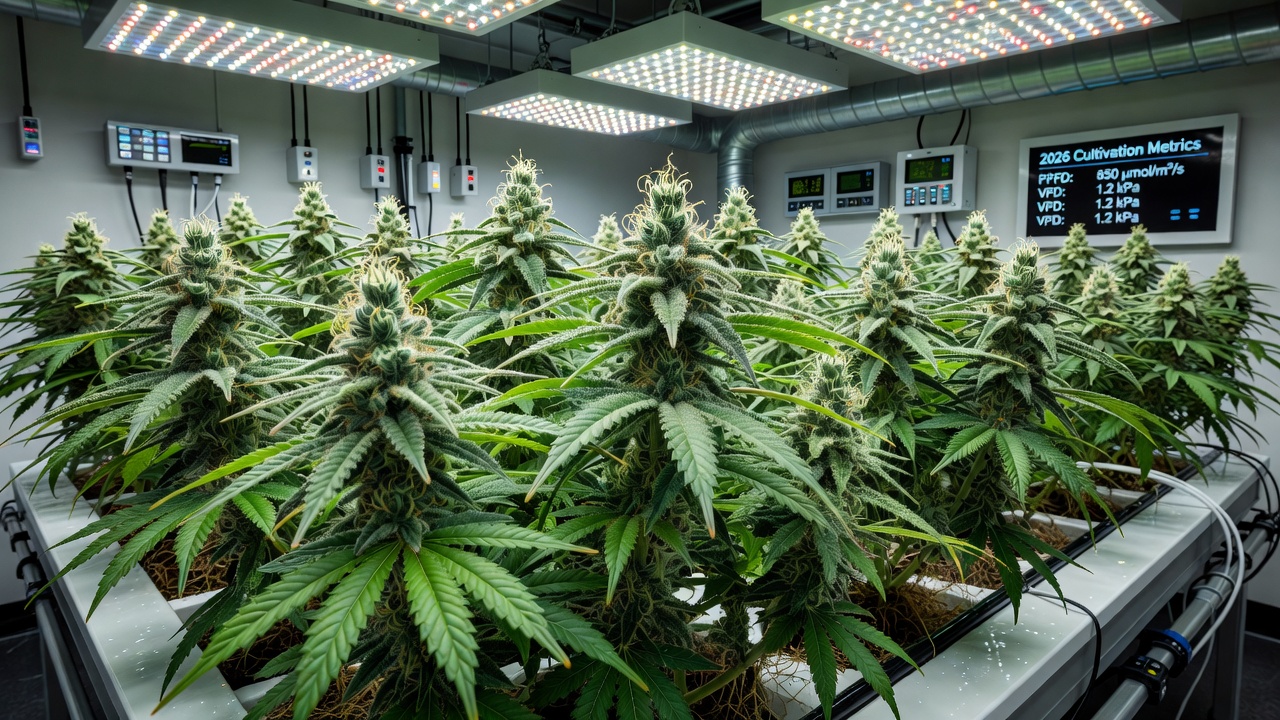
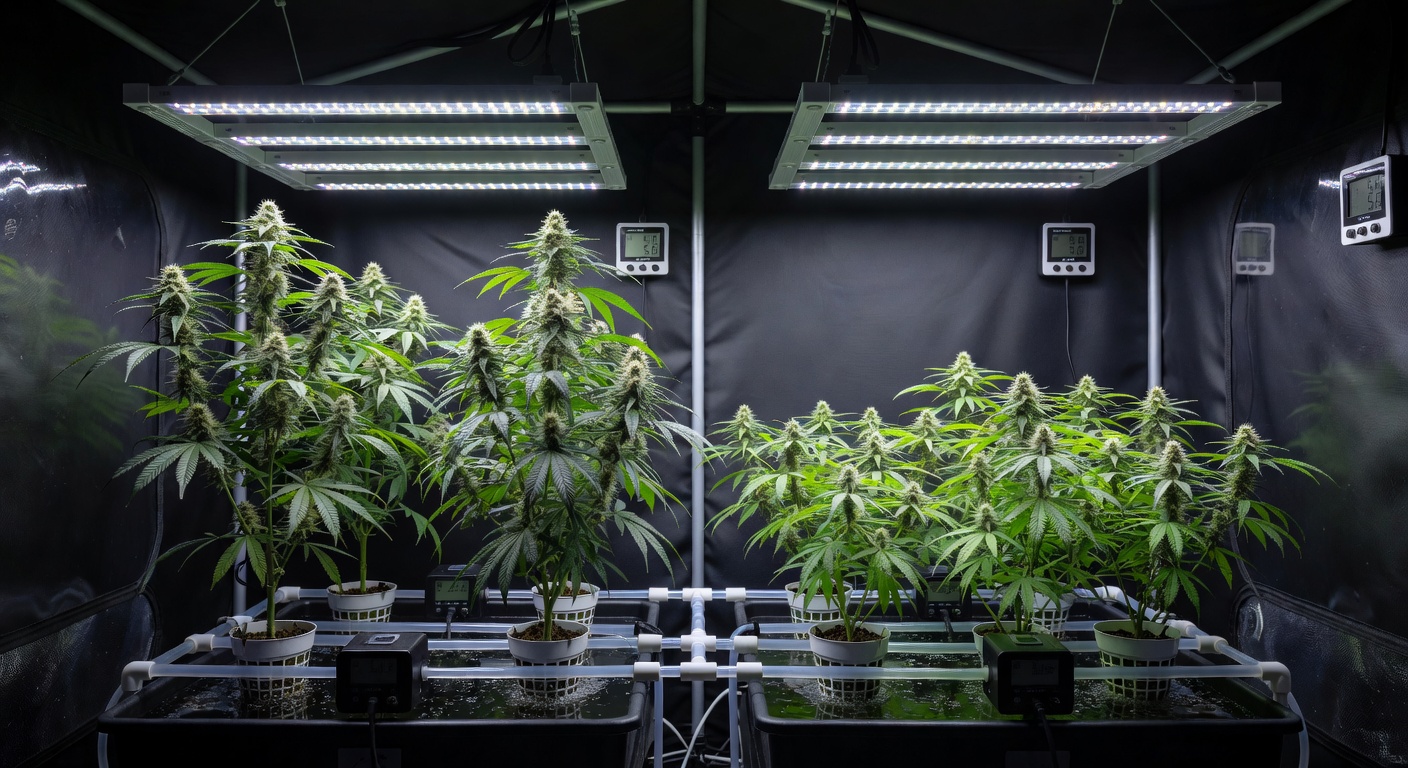
    Cannabis thrives at 70-85°F (21-29°C) during the day and 58-70°F (14-21°C) at night, with humidity at 40-60% in veg and 40-50% in flower. 2026’s climate-controlled grow tents with IoT sensors maintain these levels automatically, alerting you via apps to fluctuations.

    Strategy: Use exhaust fans and dehumidifiers. For pest prevention, lower humidity reduces mold risk. Novices can invest in affordable kits that integrate with smart home devices like Google Nest.

    5. Implement Effective Pest Control

    Pests like spider mites, aphids, and fungus gnats can devastate crops. Integrated Pest Management (IPM) is key: prevention over reaction.

    Strategies: Introduce beneficial insects like ladybugs early. Use neem oil sprays weekly as a natural deterrent. In 2026, UV-C light systems in automated enclosures zap pests without chemicals, promoting organic grows. Monitor with magnifying lenses or apps that scan leaves for early detection.

    For authoritative guidance, refer to the EPA’s Safe Pest Control resources, adapting them to cannabis. Avoid broad-spectrum pesticides; opt for targeted, eco-friendly options to protect pollinators and soil health.

    1. Inspect plants daily.
    2. Quarantine new additions.
    3. Maintain cleanliness to deter infestations.

    6. Enhance Watering with Automation

    Overwatering is a common rookie mistake. Cannabis needs consistent moisture but hates soggy roots. Drip irrigation systems in 2026 use soil moisture sensors to water precisely, saving up to 40% on usage and preventing root rot.

    Tip: Water when the top inch of soil is dry. For hydroponics, recirculating systems with automated timers ensure even distribution. This tech not only optimizes growth but boosts sustainability by conserving water in drought-prone areas.

    7. Prune and Train for Better Yields

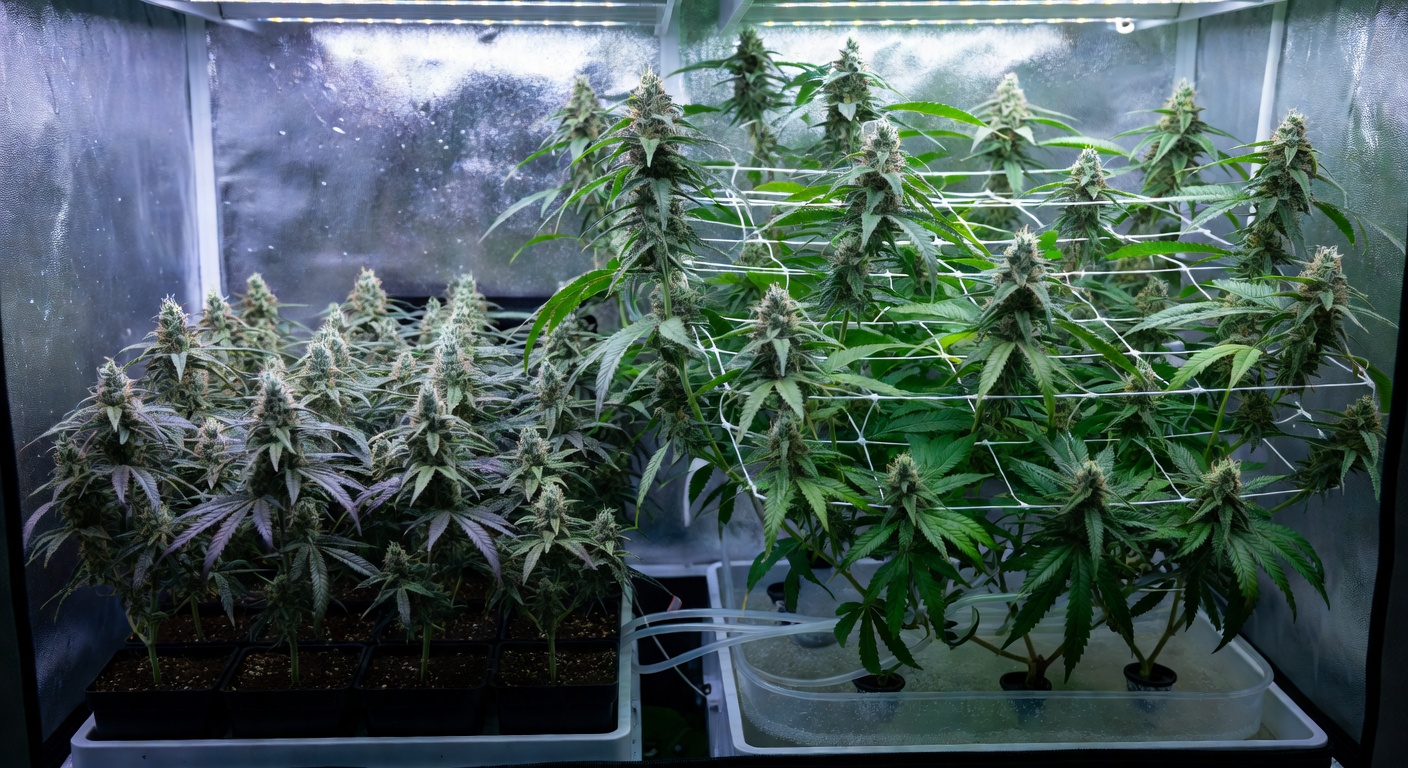
    Techniques like topping, low-stress training (LST), and SCROG (Screen of Green) increase light penetration and airflow, leading to bushier plants and 20-30% more buds.

    For experienced growers, 2026’s AI pruning tools suggest cuts via camera analysis. Start simple: Remove lower fan leaves in veg to focus energy on tops. Always sterilize tools to avoid disease spread.

    8. Monitor CO2 Levels

    Elevated CO2 (800-1200 ppm) can accelerate growth by 20-30%. Sealed grow rooms with CO2 generators or tanks, monitored by 2026 smart sensors, make this accessible.

    Tip: Combine with proper ventilation. For home setups, CO2 bags offer a low-tech alternative. This innovation enhances photosynthesis efficiency, especially in indoor environments.

    9. Harvest at the Right Time

    Timing is everything. Check trichomes with a jeweler’s loupe—harvest when 70% are cloudy for balanced effects. Flush plants with plain water for 1-2 weeks pre-harvest to improve taste.

    In 2026, apps like those from Cannalyze use imaging to predict harvest windows, reducing guesswork. Dry and cure in controlled humidity (45-55%) for 7-14 days to preserve terpenes.

    10. Embrace Sustainable Practices

    Sustainability is non-negotiable in 2026. Use renewable energy for lights, recycle water, and choose organic media like coco coir over soil for easier cleanup.

    Automated systems integrate solar panels and composting units, cutting your grow’s environmental impact. Track metrics with apps to refine future cycles. For novices, start small; enthusiasts can scale to vertical farms.

    By following these top 10 tips, you’ll optimize your cannabis growth for maximum yields and quality. Innovations in automation not only simplify the process but ensure eco-friendly practices, making 2026 the best year yet for home cultivation. Happy growing!

  • Cannabis Seed Selection & Germination Guide for 2026

    Cannabis Seed Selection & Germination Guide for 2026

    Introduction to Cannabis Cultivation in 2026

    As cannabis cultivation evolves, 2026 brings exciting advancements in seed technology, making it easier than ever for home growers to achieve successful harvests. Whether you’re a beginner or a seasoned enthusiast, selecting high-quality cannabis seeds, mastering germination, and providing proper early-stage care are the foundation of a thriving grow. This guide will walk you through each step, highlight common mistakes to avoid, and share the latest tips tailored to modern seed innovations. Let’s dive into the essentials of growing cannabis at home.

    Selecting High-Quality Cannabis Seeds in 2026

    Choosing the right seeds is the first and most critical step in your cannabis cultivation journey. With advancements in seed technology, 2026 offers genetically optimized strains with enhanced resilience, potency, and yield. Here’s what to look for when selecting seeds:

    • Reputable Seed Banks: Purchase from trusted seed banks with verified reviews and transparency about genetics. Look for companies offering detailed strain information and germination guarantees.
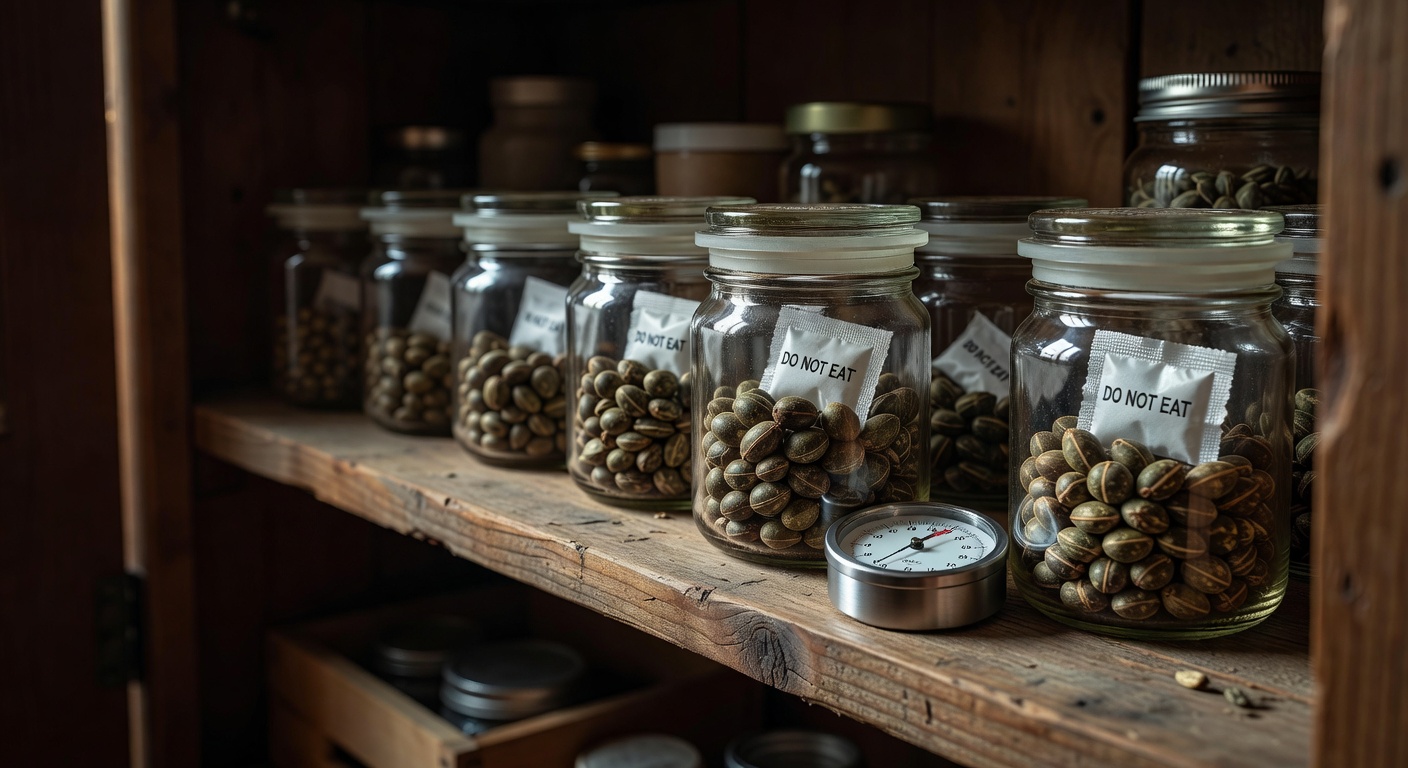
    • Seed Appearance: High-quality seeds are typically dark brown or gray with a mottled pattern. Avoid pale, green, or cracked seeds, as they’re often immature or damaged.
    • Strain Type: Decide between indica, sativa, or hybrid strains based on your desired effects and growing conditions. New 2026 strains often include traits like drought resistance or faster flowering times.
    • Feminized or Autoflowering: Feminized seeds ensure female plants (which produce buds), while autoflowering seeds flower automatically, ideal for beginners or short growing seasons.

    Thanks to 2026 biotech, many seeds now come with improved stability and resistance to pests and mold. Check for lab-tested seeds with documented cannabinoid profiles to ensure you’re growing the exact strain you want. For further reading on cannabis genetics, the National Center for Biotechnology Information (NCBI) offers valuable research on plant genomics.

    Step-by-Step Germination Techniques

    Germination is the process of awakening a seed and encouraging it to sprout. It’s a delicate stage, but with the right approach, you can achieve high success rates. Below are two proven methods updated for 2026 growing practices, leveraging tools like smart germination kits.

    Method 1: Paper Towel Technique

    1. Gather Materials: You’ll need two clean paper towels, a plate, distilled water, and your seeds.
    2. Moisten Paper Towels: Dampen the towels with distilled water—wet but not soaking.
    3. Place Seeds: Lay one towel on the plate, place your seeds about an inch apart, and cover with the second towel.
    4. Maintain Environment: Keep the plate in a warm (70-80°F or 21-27°C), dark place. Check daily to ensure the towels stay moist.
    5. Wait for Sprouts: Within 2-7 days, seeds should crack open, revealing a small taproot. Once the root is 0.5-1 inch long, they’re ready to plant.

    Method 2: Direct Water Soak

    1. Prepare Water: Fill a glass with lukewarm distilled water (pH 5.5-6.5).
    2. Soak Seeds: Place seeds in the glass and let them soak for 12-24 hours in a dark, warm spot.
    3. Check Progress: After soaking, seeds may sink (a good sign of viability) and begin to crack. Transfer them to a moist medium or use the paper towel method to finish germination.

    In 2026, smart germination devices with built-in humidity and temperature controls are widely available, reducing human error. Whichever method you choose, avoid touching the delicate taproot during transfer to prevent damage.

    Early-Stage Care for Cannabis Seedlings

    Once your seeds have sprouted, the seedling stage begins. This phase, lasting 2-3 weeks, is crucial for establishing strong roots and healthy growth. Here’s how to care for your young plants with 2026 growing insights in mind.

    Planting Sprouted Seeds

    Transfer sprouted seeds to a growing medium like soil, coco coir, or a hydroponic setup. Use small pots or starter plugs with a light, well-draining mix. Plant the seed with the taproot facing down, about 0.5 inches deep, and lightly cover it. Keep the medium moist but not waterlogged to avoid drowning the seedling.

    Light and Temperature

    Seedlings need gentle light—18-24 hours daily under a low-intensity LED or fluorescent grow light. Modern 2026 LED grow lights often come with spectrum adjustability tailored for seedlings, promoting photosynthesis without stress. Maintain temperatures between 68-77°F (20-25°C) and humidity around 60-70% to mimic a nurturing environment.

    Watering and Nutrients

    Overwatering is a common beginner mistake. Water sparingly, allowing the top inch of soil to dry out between sessions. Use pH-balanced water (6.0-6.5 for soil) to prevent nutrient lockout. At this stage, seedlings don’t need heavy feeding—rely on the nutrients in your medium or use a diluted, seedling-specific fertilizer if growth seems slow.

    Ventilation and Airflow

    Good airflow prevents mold and strengthens stems. Use a small oscillating fan on a low setting to simulate a natural breeze, but avoid direct drafts on fragile seedlings. Many 2026 grow tents now integrate smart ventilation systems that monitor and adjust airflow automatically.

    Common Beginner Mistakes to Avoid

    Starting your cannabis grow can be challenging, but knowing common pitfalls can save your crop. Here are mistakes often made by beginners and how to avoid them:

    • Overwatering: Too much water suffocates roots, leading to rot. Stick to a light watering schedule and ensure proper drainage.
    • Insufficient Light: Weak or improper lighting causes leggy, stretched seedlings. Invest in quality grow lights with seedling-friendly spectrums.
    • Ignoring pH Levels: Incorrect pH disrupts nutrient uptake. Test your water and soil regularly using affordable pH meters, widely available in 2026.
    • Handling Seeds Roughly: Damaging the taproot during germination or planting can kill the seed. Use tweezers and handle with care.

    For additional resources on plant care, the Royal Queen Seeds website offers detailed guides and strain-specific advice for growers of all levels.

    Tips for Healthy Growth with 2026 Advancements

    Modern seed technology and cultivation tools in 2026 provide home growers with unprecedented advantages. Here are cutting-edge tips to ensure robust seedling development:

    • Use Biotech-Enhanced Seeds: Many 2026 seeds are engineered for faster germination and disease resistance. Look for “smart seeds” with embedded growth data accessible via companion apps.
    • Leverage Smart Sensors: Affordable IoT devices can monitor soil moisture, light levels, and humidity, sending alerts to your phone for optimal care.
    • Experiment with Micro-Dosing Nutrients: New nutrient formulas designed for seedlings allow precise micro-dosing, preventing burn while encouraging growth.
    • Keep a Grow Journal: Track germination dates, watering schedules, and light exposure. Digital grow apps in 2026 make this easier with AI-driven insights.

    By integrating these advancements, you can minimize guesswork and maximize your plants’ potential from the very start.

    Conclusion: Building a Strong Foundation for Your Cannabis Grow

    Starting with high-quality cannabis seeds, mastering germination, and providing attentive early-stage care are the cornerstones of a successful grow in 2026. With new seed technologies and smart tools at your fingertips, even beginners can achieve professional results. Avoid common mistakes, stay consistent with environmental controls, and embrace the latest innovations to nurture healthy seedlings into thriving plants. Your journey to a bountiful harvest begins here—happy growing!

We use cookies to improve your experience and analyse site traffic. See our Privacy Policy and Cookie Policy for details.