
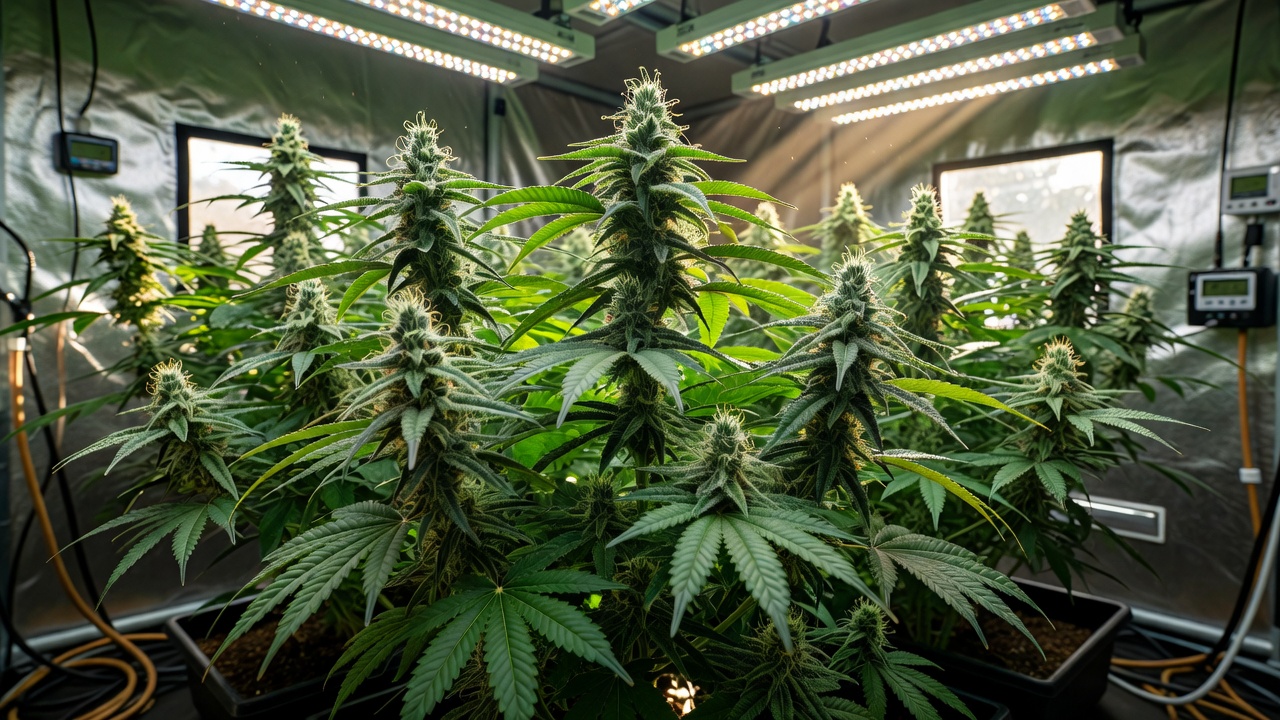
As home cultivation continues to evolve in 2026, selecting the right high-yielding cannabis strains from seed remains essential for maximizing harvests. Whether growing indoors, outdoors, or in hydroponic systems, understanding strain genetics, combined with precise environmental controls, can lead to impressive results. This guide explores the leading varieties suited for various experience levels and highlights 2026 trends like climate-resilient hybrids and rapid-flowering autos. Home growers benefit from matching genetics to their specific setup, as this reduces common issues like poor germination or uneven growth and increases overall success rates.
Leading High-Yield Strains for 2026
Among the standout options this year are Gorilla Glue #4, known for its massive resin production and yields up to 600 grams per square meter indoors. This strain thrives when given 18 hours of light during vegetation and benefits from early topping to control its vigorous stretch. Northern Lights offers reliable performance with dense buds and resistance to common pests, making it ideal for beginners. It performs well in soil with minimal feeding and reaches harvest in nine weeks of flower. Sour Diesel provides energetic effects and strong outdoor yields exceeding 700 grams per plant in optimal conditions. For advanced growers, strains like Amnesia Haze deliver potent THC levels and extended vegetative growth for bigger colas. Give this variety at least four weeks of vegetative time before switching to flower to maximize cola size.
2026 trends emphasize autoflowering varieties such as Royal Auto or new crosses with enhanced terpene profiles for better pest resistance. These strains flower in 8-10 weeks regardless of light cycles, suiting quick-turnaround setups. Always source quality seeds from reputable breeders to ensure genetic stability and high germination rates. Test a small batch of seeds first by placing them in a damp paper towel for 24 to 48 hours to confirm viability before committing to a full grow.
Optimal Lighting for Seed-Grown Cannabis
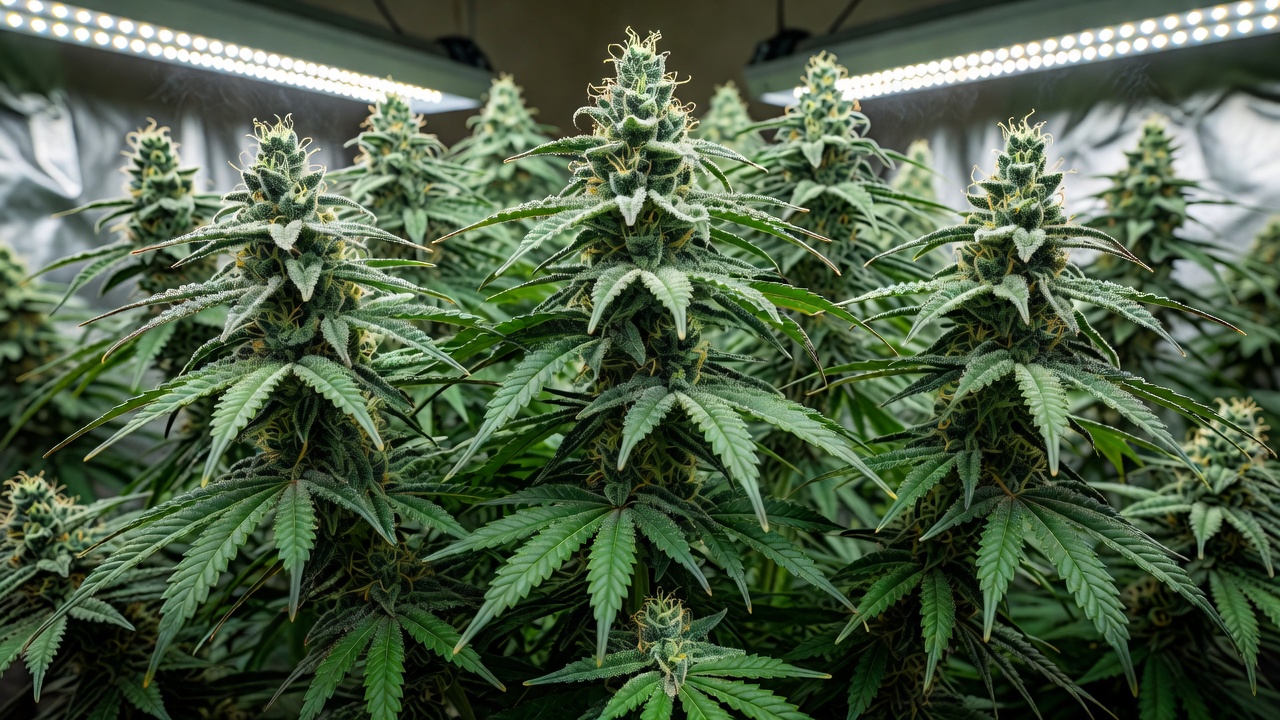
Lighting plays a critical role in transitioning seedlings to vigorous plants. Start with full-spectrum LED grow lights at 18-24 hours daily during vegetative stages to promote strong root and leaf development. Switch to 12/12 schedules for flowering to trigger bud formation. High-yielding strains respond well to intensities around 600-1000 PPFD, but monitor for light burn on sensitive leaves. Keep a daily log of light distance and intensity readings to avoid stressing plants during the transition to bloom.
In 2026, smart lighting systems with adjustable spectra are gaining popularity, allowing growers to fine-tune blue light for growth and red for flowering. Position lights 30-60 cm above the canopy and rotate plants regularly for even exposure. Outdoor growers should select strains that thrive in full sun, aiming for at least 6-8 hours of direct light daily. Supplement with reflective mylar sheeting on walls to increase light efficiency by up to 30 percent without raising electricity costs.
Practical Indoor Lighting Schedule Example
A typical indoor schedule begins with 24 hours of light for the first three days after germination, then drops to 18 hours until week four. At that point, reduce to 12 hours to initiate flowering. Check leaf tips weekly for signs of stress and adjust height accordingly.
Nutrient Management Strategies
Proper nutrition supports the heavy demands of high-yield genetics. Begin seedlings with light, balanced formulas rich in nitrogen, then transition to phosphorus-heavy mixes during bloom. Organic options like compost teas enhance soil biology, while hydro systems benefit from precise EC monitoring between 1.2-2.0 mS/cm. Mix nutrients in small batches and apply only after testing pH to prevent imbalances that slow growth.
Avoid overfeeding, which can cause nutrient lockout and reduce yields. Flush plants with pH-balanced water in the final two weeks. Authoritative resources such as CDC marijuana guidelines stress safe handling practices during cultivation. Track pH levels between 6.0-7.0 for soil and 5.5-6.5 for hydro to optimize uptake. In practice, a weekly feeding chart helps beginners stay consistent while advanced growers adjust based on leaf color and growth speed.
Training Techniques to Boost Yields
Low-stress training (LST) and topping encourage bushier growth and multiple colas. For beginners, LST involves gently bending stems to create an even canopy, increasing light penetration without shock. Advanced techniques like SCROG (screen of green) or defoliation remove lower foliage to direct energy to buds.
- Top plants at the fourth node for branching.
- Use ties or nets to spread branches horizontally.
- Apply these methods early in veg for best results on strains like White Widow.
- Monitor recovery for three days after any training and provide extra humidity if leaves droop.
These approaches can boost yields by 20-40% when combined with the right genetics. Combine LST with a simple bamboo stake grid for even better light distribution in small tents.
Beginner vs Advanced Grower Tips
Beginners should start with forgiving strains like Northern Lights that tolerate minor errors in watering or lighting. Focus on stable environments and simple soil grows. Advanced cultivators can experiment with CO2 supplementation and advanced pruning on high-THC varieties for record harvests. Record daily temperature and humidity readings to spot patterns that affect final yield.
In 2026, many enthusiasts incorporate AI monitoring apps for real-time adjustments, a trend bridging experience gaps. These tools alert growers to pH drifts or temperature spikes before they damage plants.
Adapting to Different Growing Setups
Indoor setups favor compact strains with controlled humidity at 40-50% during flower. Outdoor requires pest-resistant options suited to local climates. Hydroponics accelerates growth for fast-yield autos but demands vigilant maintenance. Check reservoir temperatures daily to keep them between 18 and 22 degrees Celsius.
Scale nutrients and training accordingly—soil buffers errors better than coco or DWC systems. In hydro, change nutrient solution every seven to ten days to maintain oxygen levels and prevent root rot.
Conclusion
Choosing high-yielding cannabis strains from seed and applying targeted cultivation practices sets the foundation for abundant 2026 harvests. By mastering lighting, nutrients, and training while matching strains to your skill level and setup, home growers can achieve professional-level results. Stay updated on emerging trends and always prioritize quality genetics for success. Consistent observation and small adjustments throughout the cycle often make the difference between average and exceptional yields.