🎁 Free bonus seeds with every pack 🚚 Discreet tracked shipping worldwide 🌱 Germination guarantee on every order

Author: buyweedseeds

  • Top Autoflower Strains 2026: Speed, Potency & Pest Resistance

    Top Autoflower Strains 2026: Speed, Potency & Pest Resistance

    Introduction to Autoflower Strains in 2026

    Autoflowering cannabis strains have revolutionized home growing, offering quick harvests without the hassle of light cycle changes. In 2026, breeders continue to innovate, blending classic genetics with advanced resistance traits to suit diverse grower needs. Whether you’re a novice setting up your first tent or an experienced enthusiast chasing massive yields, selecting the right autoflower strain is key. This guide compares popular options based on growth speed, potency, and pest resistance, helping you choose based on your experience level and goals.

    Autoflowers typically mature in 8-12 weeks from seed, making them ideal for multiple harvests per year. But with so many strains on the market—from high-THC powerhouses to resilient, easy-grow varieties—it’s essential to weigh factors like harvest time, cannabinoid profiles, and how well they fend off common pests like spider mites or powdery mildew. We’ll spotlight five top strains available in 2026, drawing from seed bank data and grower reports.

    Key Factors for Choosing Autoflower Strains

    Before diving into comparisons, let’s break down the core attributes:

    • Growth Speed: Measured in weeks from seed to harvest. Faster strains suit impatient growers or those in short seasons.
    • Potency: Primarily THC levels, but also CBD for balanced effects. High-potency strains (20%+ THC) appeal to recreational users, while lower ones are better for medical or daytime use.
    • Pest Resistance: Genetic traits that deter insects and fungi, reducing the need for chemicals. This is crucial for organic home grows.

    Other considerations include yield (grams per plant), height (for space-limited setups), and flavor profiles. For beginners, prioritize forgiving strains with built-in resilience; pros might opt for high-yield beasts requiring more attention.

    Beginner-Friendly vs. Advanced Grower Options

    Novices should start with compact, low-maintenance autos that thrive in imperfect conditions. These often have moderate potency to avoid overwhelming effects. Experienced growers can tackle taller, higher-yielding strains that demand precise nutrients and training techniques like LST (low-stress training).

    Top Autoflower Strains Compared

    Here, we compare five standout autoflowers for 2026: Northern Lights Auto, Gorilla Glue Auto #4, Blue Dream Auto, Zkittlez Auto, and a new entrant, Resilience Haze Auto. Data is based on average performance from reputable seed banks like Royal Queen Seeds and FastBuds.

    Northern Lights Auto: The Easy-Going Classic

    This indica-dominant strain remains a staple for its reliability. Growth speed clocks in at 8-9 weeks, with heights under 100cm—perfect for stealthy indoor grows. Potency hits 18-22% THC, delivering relaxing body highs ideal for evenings.

    Pest resistance is strong thanks to its ruderalis heritage, shrugging off mildew and aphids with minimal intervention. Yields average 400-500g/m² indoors. For beginners, it’s unbeatable: forgiving of overwatering and nutrient fluctuations. Pros might find it too tame, but it’s great for consistent, low-effort harvests.

    Gorilla Glue Auto #4: Potency Powerhouse

    If high THC is your goal, Gorilla Glue Auto #4 delivers 24-28% THC in just 9-10 weeks. Its sticky, resinous buds ooze with earthy, diesel flavors, providing euphoric, couch-lock effects.

    Standing 100-140cm tall, it’s suited for intermediate growers who can manage its vigorous growth. Pest resistance is moderate; watch for bud rot in humid setups, but its thick trichomes deter some insects. Yields soar to 600g/m² outdoors. This strain shines for yield-focused pros but may overwhelm newbies with its intensity.

    Blue Dream Auto: Balanced Sativa Speedster

    A sativa-hybrid favorite, Blue Dream Auto finishes in 9-11 weeks with 20-24% THC and uplifting, creative effects. Berry-like terpenes make it a sensory delight.

    At 80-130cm, it’s versatile for indoors or out. Pest resistance is excellent, inherited from its Blueberry parent, resisting spider mites and fungal issues effectively. Yields hit 450-550g/m². Beginners love its forgiving nature and moderate stretch; advanced growers can push yields with CO2 enrichment.

    Zkittlez Auto: Flavorful and Resilient

    Candy-sweet Zkittlez Auto matures in 8-10 weeks, boasting 19-23% THC for happy, munchie-inducing highs. Its compact 60-100cm stature fits small spaces.

    Exceptional pest resistance comes from stable genetics, making it a top pick for organic growers battling common foes like thrips. Indoor yields reach 500g/m². This strain bridges beginner and pro levels—easy to grow yet rewarding with premium flavors and potency.

    Resilience Haze Auto: The 2026 Innovator

    New for 2026, this haze-dominant auto from Dutch Passion combines speed (10-12 weeks) with 22-26% THC for cerebral, long-lasting effects. Haze citrus notes elevate the experience.

    Taller at 120-150cm, it demands experienced hands for topping and support. Pest resistance is groundbreaking, engineered with CRISPR-like edits for broad-spectrum immunity to molds and insects—backed by studies from the National Center for Biotechnology Information. Yields top 650g/m² outdoors. Ideal for pros seeking cutting-edge genetics.

    Key Differences and Recommendations

    Comparing these strains reveals clear patterns. For growth speed, Northern Lights and Zkittlez lead at under 10 weeks, while Resilience Haze takes longer but offers superior potency. Potency peaks with Gorilla Glue and Resilience Haze (25%+ THC), contrasting Northern Lights’ milder profile.

    Pest resistance favors Blue Dream and Zkittlez for everyday threats, but Resilience Haze sets the bar for future-proofing against evolving pests, as noted in reports from the Health Canada cannabis research division.

    Recommendations for High-Yield Growers

    Chase big hauls with Gorilla Glue Auto #4 or Resilience Haze Auto. These yield monsters (600g+/m²) reward dialed-in environments—think hydroponics or greenhouse setups. Expect 10-12 weeks and invest in IPM (integrated pest management) to maximize returns. Pros: THC-rich buds for top-shelf sales or personal stashes.

    Easy-to-Grow Options for Beginners

    Start with Northern Lights Auto or Zkittlez Auto. Their 8-9 week cycles and robust defenses mean fewer headaches. Compact sizes suit apartments, and moderate THC (18-23%) provides gentle introductions. Yields are solid (400-500g/m²) without advanced techniques.

    Balancing Goals: Yield vs. Ease

    For medical users, Blue Dream Auto offers balanced CBD traces alongside THC. Recreational growers might mix Zkittlez for fun flavors and Gorilla Glue for potency. Always check local laws and source seeds from licensed banks.

    Hybrid approaches work too: Pair a fast easy-grow like Northern Lights with a high-yield like Blue Dream in rotation for year-round variety.

    Final Tips for Successful Autoflower Cultivation

    Regardless of strain, success hinges on basics: 18-24 hours of light, well-draining soil or coco, and pH-balanced nutrients. Monitor for pests early—neem oil works wonders organically. In 2026, LED tech advancements make energy-efficient grows easier than ever.

    By matching strains to your skill and space, you’ll harvest top-quality buds tailored to your vibe. Experiment, track results, and join communities like those on Leafly for shared insights.

    Explore more top autoflowers like our Banana Punch Autoflower for impressive yields and flavors.

  • Indica vs Sativa Strains: Top Picks for Home Growers 2026

    Indica vs Sativa Strains: Top Picks for Home Growers 2026

    Indica vs Sativa: Understanding the Basics for Home Cultivation

    In the evolving world of cannabis cultivation, choosing between Indica and Sativa strains remains a cornerstone decision for home growers. As of 2026, with advanced seed genetics and optimized growing tech, these classifications guide enthusiasts toward strains that match their desired effects, flavors, and environmental needs. Indicas, known for their relaxing body highs, suit evening use and compact indoor setups. Sativas, offering uplifting cerebral effects, thrive in taller outdoor grows. This comparison dives into popular strains, their profiles, and pro tips to help you select seeds wisely.

    Whether you’re a novice or seasoned grower, understanding THC (tetrahydrocannabinol, the psychoactive compound) and CBD (cannabidiol, non-intoxicating) levels is key. High-THC strains energize or sedate, while balanced CBD options aid wellness. We’ll explore effects, flavors, and real grower feedback, plus techniques to maximize yields in diverse setups.

    Key Differences in Effects and Growing Traits

    • Indica Effects: Deep relaxation, pain relief, sleep aid. Ideal for stress relief after a long day.
    • Sativa Effects: Euphoria, creativity, focus. Perfect for daytime motivation.
    • Growth Patterns: Indicas are bushy and short (2-4 feet), fitting small tents. Sativas stretch tall (up to 12 feet), demanding vertical space.

    Hybrids blend these traits, but pure strains offer distinct profiles for targeted cultivation. For seed buyers, check lab-tested THC/CBD ratios from reputable banks like ILGM or Seedsman.

    Top Indica Strains for 2026 Home Grows

    Indicas dominate for indoor enthusiasts due to their resilience and quick flowering (8-10 weeks). Here’s a breakdown of favorites:

    Granddaddy Purple (GDP)

    A classic Indica with 17-23% THC and low CBD (<1%). Effects: Heavy sedation, euphoria. Flavors: Grape, berry, earthy. Growers love its purple hues and 400-500g/m² yields. Suited for hydroponics in cool climates; watch for mold in humidity.

    Northern Lights

    THC around 16-21%, minimal CBD. Effects: Calming body buzz, appetite boost. Flavors: Pine, sweet, spicy. This strain’s autoflowering versions finish in 7-9 weeks, yielding 450g/m². Excellent for beginners in soil or coco coir setups.

    Real-world review from grower Alex in California: “Northern Lights saved my first indoor run—compact, pest-resistant, and potent. Paired with LED lights, I hit 18% THC without fuss.”

    Advanced Techniques for Indica Optimization

    1. SCROG (Screen of Green): Train bushy Indicas horizontally to expose buds to light, boosting yields by 20-30%.
    2. Nutrient Management: Use phosphorus-rich feeds during flowering to enhance resin production. Monitor pH at 6.0-6.5 for soil grows.
    3. Environmental Control: Keep temps at 68-77°F (20-25°C) and humidity 40-50% to prevent bud rot.

    For more on cannabis nutrient science, visit the National Center for Complementary and Integrative Health.

    Top Sativa Strains for Outdoor and Creative Cultivation

    Sativas shine in sunny, spacious environments, flowering in 10-16 weeks but rewarding with uplifting highs and high yields (up to 600g/plant outdoors). They’re ideal for warm climates like the Mediterranean or Southern U.S.

    Sour Diesel

    THC 19-25%, trace CBD. Effects: Energizing, mood-lifting. Flavors: Diesel, citrus, pungent. This strain stretches vigorously, so top early. Yields 500g/m² indoors with CO2 supplementation.

    Jack Herer

    THC 15-24%, low CBD. Effects: Clear-headed focus, happiness. Flavors: Pine, spice, earthy. A sativa-dominant hybrid, it grows to 6 feet and finishes in 9-11 weeks. Great for greenhouse setups.

    Grower review from Maria in Oregon: “Jack Herer transformed my outdoor plot—tall plants caught every sun ray, delivering cerebral highs perfect for writing sessions. THC tested at 22% after organic composting.”

    Advanced Techniques for Sativa Success

    1. LST (Low-Stress Training): Bend and tie branches to manage height, improving light penetration and yields by 25%.
    2. Photoperiod Management: Use 18/6 light cycles in veg for vigorous growth; switch to 12/12 for bloom.
    3. Pest Defense: Companion plant with basil or marigolds to deter aphids, common in tall sativas.

    Explore strain genetics further at Leafly’s strain resources.

    THC and CBD Profiles: Matching Strains to Your Needs

    THC drives psychoactivity: Indicas like GDP offer 20%+ for deep relaxation, while Sativas like Sour Diesel energize at similar levels. CBD balances effects—look for hybrids like Cannatonic (6-17% CBD, 6-20% THC) for therapeutic grows without intense highs.

    Effects comparison:

    • High-THC Indica: Couch-lock, ideal for insomnia.
    • High-THC Sativa: Anti-fatigue, creative spark.
    • Balanced CBD: Anxiety relief, non-impairing.

    Flavors influence enjoyment: Indicas lean sweet/berry, Sativas citrus/pine. Test via small seed packs to match palates.

    Growing Environments: Indoor vs Outdoor Choices

    Indicas excel indoors—compact size fits 4×4 tents with 600W LEDs, yielding 1-2 oz/ft². Sativas prefer outdoors for natural light, but indoor versions need 8-10ft ceilings or training.

    Hybrid tip: A 70/30 Indica-dominant like Blue Dream combines bushiness with sativa uplift, versatile for balconies or closets.

    Real-World Grower Reviews and Seed Buying Tips

    From forums like Reddit’s r/microgrowery, growers rave about GDP’s ease: “Bred true in my basement, flavors popped after curing.” Sativa fans note Jack Herer’s resilience: “Survived a heatwave, still potent.”

    When buying seeds in 2026, prioritize feminized or auto-flowering for reliability. Check for lab-verified genetics and germination guarantees. Budget $50-100 for 5-10 seeds from trusted vendors.

    Challenges: Indicas risk overfeeding; Sativas, nutrient lockout in veg. Solution: Dial in EC levels (1.0-2.0) with digital meters.

    Conclusion: Select Your Strain for Optimal 2026 Harvests

    Indica or Sativa? It boils down to your goals—relaxation or inspiration—and space. Start with Northern Lights for Indica simplicity or Sour Diesel for Sativa thrill. Employ SCROG/LST for pros, and track progress with journals. With these insights, your home grow will flourish, delivering personalized buds year-round.

  • 2026 Hydroponic Cannabis Guide: Systems, Setup & Yields

    2026 Hydroponic Cannabis Guide: Systems, Setup & Yields

    Introduction to Hydroponic Cannabis Cultivation in 2026

    Hydroponics has revolutionized cannabis growing, offering precise control over nutrients and water to boost yields and quality. For home growers and enthusiasts in 2026, advancements in automated systems and sustainable tech make it easier than ever to cultivate high-performance strains from premium seeds. This guide covers the latest hydroponic setups, nutrient strategies, troubleshooting, and a comparison with soil methods, helping you maximize your harvest while minimizing environmental impact.

    Understanding Hydroponic Systems for Cannabis

    Hydroponics grows plants without soil, using nutrient-rich water solutions. It’s ideal for cannabis because it accelerates growth cycles—often 20-30% faster than soil—and allows for denser planting. In 2026, systems are smarter, with IoT sensors monitoring pH, EC (electrical conductivity), and oxygen levels in real-time via apps.

    Key benefits include reduced water usage (up to 90% less than soil) and no soil-borne pests, perfect for indoor home setups. For seed buyers, hydroponics pairs well with high-THC or auto-flowering strains that thrive in controlled environments.

    Latest Hydroponic Systems Suitable for Cannabis in 2026

    2026 brings innovative systems tailored for cannabis. Here’s a breakdown of the top options:

    • Deep Water Culture (DWC): Roots dangle in oxygenated nutrient water. Affordable for beginners, with 2026 models featuring auto-top-off reservoirs and UV sterilizers to prevent algae.
    • Nutrient Film Technique (NFT): A thin film of nutrients flows over roots in channels. Efficient for veg stages, now with modular LED-integrated channels for space-saving vertical grows.
    • Aeroponics: Roots misted with nutrients in air. High oxygen delivery yields bigger buds; 2026 innovations include nano-bubble tech for finer mists and better absorption.
    • Ebb and Flow (Flood and Drain): Trays flood periodically. Versatile for various strains, enhanced by AI pumps that adjust cycles based on plant needs.
    • Vertical Hydroponics: Tower systems stacking plants. Sustainable for urban growers, with 2026 solar-powered variants reducing energy costs.

    Choose based on space: DWC for small tents, vertical for apartments. Pair with full-spectrum LEDs mimicking sunlight for optimal cannabinoid production.

    Setting Up Your Hydroponic Cannabis System

    Starting a hydroponic grow requires planning. Here’s a step-by-step guide for a basic DWC system, scalable to others:

    1. Gather Materials: Reservoir (20-50 gallons), air pump with stones, net pots, grow medium (clay pebbles or rockwool), pH/EC meter, and cannabis seeds or clones. Invest in a 2026 smart controller for automation.
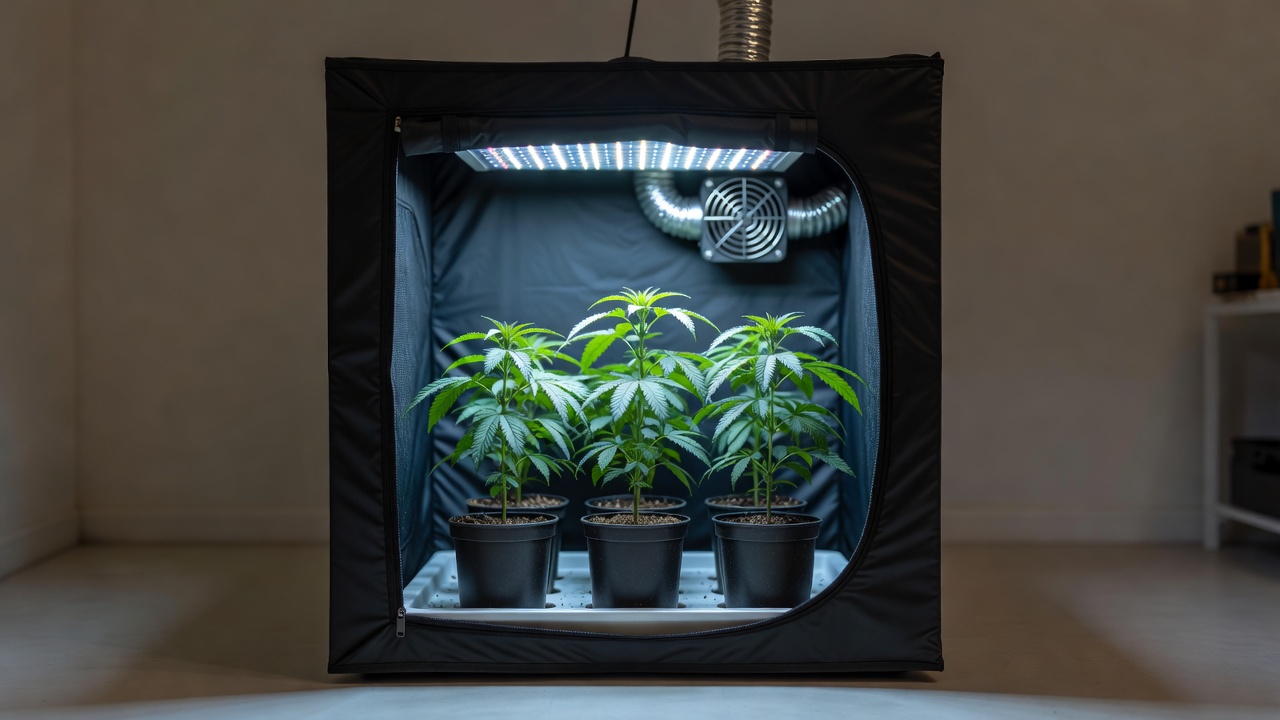
    2. Prepare the Space: Use a grow tent (4×4 ft for 4-6 plants) with ventilation, exhaust fans, and humidity control (40-60% RH). Ensure 18/6 light cycle for veg, 12/12 for flower.
    3. Assemble the System: Fill reservoir with RO water, add nutrients (start at 1/4 strength for seedlings). Place air stones to maintain DO >6ppm. Insert plants into net pots with medium.
    4. Germinate and Transplant: Soak seeds in pH 5.8 water for 24 hours, then into rockwool cubes. Transplant to system after roots show (7-10 days).
    5. Monitor and Adjust: Keep pH 5.5-6.5, EC 1.0-2.5 mS/cm. Change reservoir every 1-2 weeks.

    For advanced setups like aeroponics, add mist nozzles calibrated to 5-10 micron droplets. Total setup cost: $300-800 for home scale.

    Nutrient Management in Hydroponic Cannabis Grows

    Nutrients are the backbone of hydroponics—no soil means direct delivery. Use cannabis-specific formulas with NPK ratios: high nitrogen (3-1-2) for veg, high phosphorus/potassium (1-3-4) for flower.

    In 2026, bio-engineered nutrients include microbial additives for root health and silica boosters for pest resistance. Mix step-by-step:

    • Start with base nutrients (e.g., General Hydroponics Flora series).
    • Add cal-mag if using RO water to prevent deficiencies.
    • Supplements: Bloom boosters for yields, enzymes for root pruning.

    Schedule: Flush every 2 weeks with plain water. Monitor leaves for signs—yellowing tips indicate pH issues, purple stems suggest phosphorus lockout. Sustainable tip: Recycle runoff with filters, reducing waste by 70%. For more on sustainable nutrient practices, check the EPA’s sustainable agriculture guidelines.

    Troubleshooting Common Hydroponic Issues

    Even with 2026 tech, problems arise. Here’s how to fix them:

    pH Imbalances

    Symptoms: Nutrient burn or lockout. Solution: Calibrate meter, adjust with pH up/down solutions. Aim for stability; auto-dosers in new systems prevent this.

    Root Rot

    Caused by low oxygen or pathogens. Fix: Increase aeration, use beneficial bacteria like Hydroguard. In aeroponics, clean misters weekly.

    Nutrient Deficiencies

    Nitrogen: Pale leaves—boost N. Calcium: Spotty growth—add calmag. Test EC to avoid overfeeding.

    Pests and Algae

    Prevent with IPM: Neem oil sprays, UV lights. Algae in reservoirs? Blackout covers and hydrogen peroxide treatments.

    Pro tip: Log data with apps like GrowBuddy for predictive troubleshooting.

    Hydroponics vs. Soil-Based Methods: A Comparison for Advanced Growers

    For seasoned cultivators, hydroponics shines in speed and control but demands more attention than soil.

    Aspect Hydroponics Soil
    Yield 20-50% higher; faster cycles (8-10 weeks) Steady but slower (10-12 weeks)
    Setup Cost $500+ initial; ongoing nutrients $100-300; organic amendments
    Maintenance Daily monitoring; precise Forgiving; less frequent
    Sustainability Water-efficient; recyclable Soil health buildup; natural
    Strain Suitability Best for hybrids needing consistency Ideal for organic, terpene-rich grows

    Hydro wins for commercial-scale home grows, especially with 2026 strains optimized for soilless media. Soil offers flavor depth but risks overwatering. Hybrid approaches, like coco coir with hydro nutrients, blend benefits.

    Innovations in 2026: Efficiency and Sustainability for Seed Buyers

    2026 hydroponics emphasizes green tech. AI-driven systems like Grobo’s latest predict harvests via camera scans, optimizing light and CO2. Closed-loop recirculating systems cut water use by 95%, aligning with global regs.

    For sustainability, bio-degradable reservoirs and LED efficiencies reduce carbon footprints. Seed buyers should select strains like Blue Dream or Gorilla Glue autos, bred for hydro resilience—higher resin, faster finishes.

    Integrate solar panels for off-grid grows; per the U.S. Department of Energy, this slashes costs. These innovations make hydroponics accessible, yielding 1-2 lbs per plant for enthusiasts.

    Conclusion

    Embracing 2026 hydroponic systems empowers cannabis growers to achieve superior yields sustainably. From setup to troubleshooting, mastery comes with practice. Start small, experiment with nutrients, and watch your seeds flourish into potent harvests. Happy growing!

  • Advanced Cannabis Breeding: Create Stable Strains at Home

    Advanced Cannabis Breeding: Create Stable Strains at Home

    Introduction to Advanced Cannabis Breeding

    In the evolving world of cannabis cultivation, breeding your own strains has become a pinnacle achievement for home growers and enthusiasts. As of 2026, with legalization expanding across English-speaking regions, advanced breeding techniques allow you to craft personalized, resilient varieties tailored to your needs—whether for higher yields, potent THC profiles, or therapeutic CBD dominance. This guide dives into selecting parent plants, the power of hybridization, ensuring genetic stability, and step-by-step processes. We’ll also cover common pitfalls when sourcing from seed banks, empowering beginners and experts to breed successfully at home.

    Breeding isn’t just about mixing strains; it’s a science of genetics that demands patience and precision. By understanding polyploidy, recessive traits, and environmental influences, you can create stable lines that pass desirable qualities to future generations. Let’s explore how to elevate your grow from cultivation to creation.

    Selecting Parent Plants: The Foundation of Great Genetics

    Choosing the right parent plants is the cornerstone of successful cannabis breeding. Start by evaluating your goals: Do you want a high-CBD medical strain, a flavorful indica-dominant hybrid, or a vigorous sativa for outdoor grows? Look for plants exhibiting vigorous growth, resistance to pests like spider mites, and consistent cannabinoid profiles.

    Phenotype hunting is key. From a batch of seeds—ideally from a reputable seed bank—grow out 10-20 plants under controlled conditions. Observe traits over the full lifecycle:

    • Vigor and Structure: Select plants with strong stems, dense bud sites, and balanced internodal spacing.
    • Resin Production: High trichome coverage indicates potent genetics; use a jeweler’s loupe to inspect.
    • Aroma and Flavor: Terpene profiles (e.g., myrcene for relaxation or limonene for uplift) should align with your desired outcome.
    • Yield and Maturity Time: Choose parents that finish in your climate’s window, avoiding late-flowering sativas if you’re in a short-season area.

    For genetic diversity, select one male and one female from different lineages. Males contribute pollen, so isolate them early to prevent unwanted pollination. Test for sex by observing pre-flowers around week 4-6 of veg. Remember, hermaphroditism can ruin stability—discard any plants showing both sexes.

    Pro tip: Use cloning to preserve elite phenotypes. Take cuttings from your chosen mother and root them in rockwool cubes under 18/6 light to maintain genetics indefinitely.

    The Role of Hybridization in Creating Resilient Strains

    Hybridization is the art of crossing two distinct cannabis varieties to combine their best traits, much like Gregor Mendel’s pea experiments but with modern twists. In cannabis, this creates F1 hybrids—first-generation offspring—that often exhibit hybrid vigor (heterosis), leading to faster growth, higher yields, and enhanced disease resistance.

    Why hybridize? Pure landraces (e.g., Afghan indica or Thai sativa) are stable but limited. Crossing them yields resilient strains adapted to home environments. For instance, blending a mold-resistant parent with a high-THC one can produce buds that thrive in humid UK grows or arid Australian setups.

    Understand the genetics: Cannabis is diploid (2n chromosomes), but polyploid strains (e.g., tetraploid with 4n) are emerging in 2026 breeding circles for amplified potency. Resources like the National Center for Biotechnology Information detail how hybridization influences terpene and cannabinoid synthesis.

    Step-by-Step Hybridization Process

    1. Isolate Parents: Separate male and female in a dedicated breeding tent. Use 24/0 light for veg to promote health.
    2. Collect Pollen: When the male shows ripe pollen sacs (yellow, bursting), shake over paper in a dark room. Store in a vial with silica gel at 4°C for up to 6 months.
    3. Pollinate Female: Select branches on the female (keep the main cola unpollinated for personal smoke). Lightly mist with pollen using a fine brush during early flower (week 2-3). Cover with breathable bags to contain spread.
    4. Harvest Seeds: Allow pollinated branches to mature (6-8 weeks). Dry, then extract seeds—expect 50-200 per branch.
    5. Grow and Select F1: Plant seeds and phenotype hunt as in selection phase.

    For advanced users, backcrossing (crossing F1 with a parent) stabilizes traits, but it narrows diversity—balance with outcrossing to avoid inbreeding depression.

    Ensuring Genetic Stability in Your Bred Strains

    Genetic stability means your strain breeds true: offspring mirror parent traits without rogue variations. Instability arises from heterozygosity (mixed genes), so aim for homozygosity through selective breeding over generations.

    Key techniques:

    • Inbreeding: Self-pollinate or sibling-cross F1s to fix traits, but monitor for reduced vigor—cull weak plants ruthlessly.
    • Stabilization Rounds: Breed through 4-7 generations (F4+ for IBL—Inbred Lines). Test in varied conditions: indoor LED, outdoor sun, hydro vs. soil.
    • Marker-Assisted Selection: In 2026, affordable home kits test for genes like THCAS (THC synthase). Labs like Steep Hill offer services, but DIY microscopy reveals crystal morphology linked to potency.

    Environmental stability is crucial. Stress-test plants with pH fluctuations or light leaks to ensure resilience. Document everything in a grow journal: lineage, cross dates, observed traits. This data refines future breeds.

    For deeper insights, check Leafly’s guide on breeding basics, which aligns with current home grower practices.

    Once stable, your strain can be shared via seed banks or community forums, contributing to the global gene pool.

    Step-by-Step Tips for Beginners and Experts

    Whether you’re new to breeding or refining techniques, follow this comprehensive guide:

    For Beginners

    1. Source Quality Seeds: Start with feminized or auto-flowering from trusted banks like Seedsman or ILGM to simplify sexing.
    2. Small-Scale Setup: Use a 4×4 tent for isolation. Maintain 70-80°F and 40-60% RH.
    3. Simple Cross: Pair a known hybrid (e.g., Blue Dream) with a landrace for vigor without complexity.
    4. Track Progress: Use apps like GrowBuddy to log phenotypes.

    For Experts

    1. Advanced Pollination: Employ colloidal silver to reverse female sex, creating feminized pollen for all-female seeds—safer for home grows.
    2. Genetic Mapping: Collaborate with breeders via platforms like SeedFinder.eu to access rare genetics.
    3. Polyploid Induction: Use chemicals like colchicine (handle with care) to double chromosomes, boosting biomass—research safety first.
    4. Lab Testing: Send samples to SC Labs for HPLC analysis to verify cannabinoid ratios post-stabilization.

    Scale up responsibly: In legal areas, share seeds ethically, labeling for THC/CBD content.

    Avoiding Common Pitfalls with Seed Banks and Breeding

    Seed banks are gateways to genetics, but pitfalls abound. Mislabeling happens—strains touted as ‘pure’ may be hybrids. Always verify via independent reviews on forums like ICMag.

    Common errors:

    • Poor Storage: Seeds lose viability without cool, dark conditions. Buy fresh packs with high germination rates (>90%).
    • Legal Oversights: In 2026, check local laws—breeding for personal use is fine in Canada or parts of the US, but commercial intent varies.
    • Contamination: Rogue pollen from nearby males can crossbreed unintentionally. Use air filters and isolation nets.
    • Overambition: Don’t chase too many traits early; focus on 2-3 (e.g., yield + potency) to avoid unstable results.
    • Health Risks: Wear PPE when handling pollen or chemicals; mold from unstable strains can cause respiratory issues.

    Choose banks with guarantees: Look for those offering replacements for duds and detailed genetics info. Avoid hype—stable strains take time, not miracles.

    Conclusion: Breeding Your Legacy in 2026

    Advanced cannabis breeding transforms home growers into genetic innovators, crafting strains that withstand climate challenges and personal preferences. By selecting wisely, hybridizing thoughtfully, and stabilizing rigorously, you’ll avoid pitfalls and reap rewarding harvests. Start small, document meticulously, and join the community—your custom strain could be the next big thing. With dedication, 2026’s tech and knowledge make elite breeding accessible to all enthusiasts.

  • 5 Essential Beginner Cannabis Growing Tips for Success in 2026

    5 Essential Beginner Cannabis Growing Tips for Success in 2026

    5 Essential Beginner Cannabis Growing Tips for Success in 2026

    Embarking on cannabis cultivation as a beginner can be exciting yet daunting. With legalization expanding across many regions in 2026, more home growers are turning to this rewarding hobby. However, success hinges on avoiding common mistakes and mastering basic techniques. This guide outlines the five most essential beginner cannabis growing tips, focusing on monitoring plant health, managing lighting and watering, and other key areas. Whether you’re setting up an indoor grow tent or tending an outdoor plot, these tips will help you cultivate healthy plants and boost your yield. Let’s dive into practical advice tailored for English-speaking cannabis enthusiasts eager to start their journey.

    1. Choose the Right Seeds and Strains for Beginners

    Selecting appropriate seeds is the foundation of successful cannabis cultivation. As a beginner, opt for feminized or autoflowering seeds, which are easier to manage and more forgiving. Feminized seeds ensure nearly all plants are female, producing buds without the hassle of identifying and removing males. Autoflowers, on the other hand, flower automatically based on age rather than light cycles, making them ideal for short seasons or indoor setups.

    A common pitfall is choosing high-maintenance strains like pure sativas, which can stretch tall and require advanced training techniques. Instead, start with hybrids like Northern Lights or Blue Dream, known for resilience and moderate growth. Source seeds from reputable banks to avoid low germination rates—look for those with high THC/CBD ratios suited to your goals, whether recreational or medicinal.

    • Tip: Germinate seeds using the paper towel method: Place seeds between damp towels in a warm, dark spot for 24-72 hours until taproots emerge.
    • Pitfall to Avoid: Overlooking seed viability; always check reviews and storage conditions.

    For more on seed selection, consult resources from established organizations like the Leafly education center, which offers strain guides based on grower experiences.

    2. Master Lighting Management for Optimal Growth

    Lighting is crucial in cannabis cultivation, mimicking the sun’s power to drive photosynthesis. Beginners often underestimate the importance of light spectrum and intensity, leading to stretched, leggy plants or nutrient deficiencies. In 2026, LED grow lights have become affordable and efficient, providing full-spectrum coverage from blue (vegetative stage) to red (flowering stage) wavelengths.

    For indoor grows, aim for 18-24 hours of light during veg and 12/12 for flower. Position lights 18-24 inches above seedlings, adjusting as plants grow to prevent burn. Outdoors, choose a sunny spot with at least 6-8 hours of direct sunlight, but watch for excessive heat in warmer climates.

    Common Lighting Pitfalls and Fixes

    1. Inadequate Intensity: Use a PAR meter to ensure 300-600 ¾mol/m²/s in veg. Fix by upgrading to higher-wattage LEDs if plants yellow.
    2. Light Leaks: In tents, seal all edges to maintain dark periods during flower; leaks can cause re-vegging.
    3. Overheating: Install fans or reflective materials to dissipate heat—cannabis thrives at 70-85°F (21-29°C).

    Proper lighting not only promotes bushy growth but also enhances resin production. Remember, consistent cycles prevent stress, a top reason for failed beginner grows.

    3. Watering and Humidity: Balance for Healthy Roots

    Watering is a make-or-break aspect of beginner cannabis growing. Overwatering is the most frequent mistake, leading to root rot and stunted growth, while underwatering causes wilting and nutrient lockout. Cannabis plants need moist but not soggy soil—think of it like a wrung-out sponge.

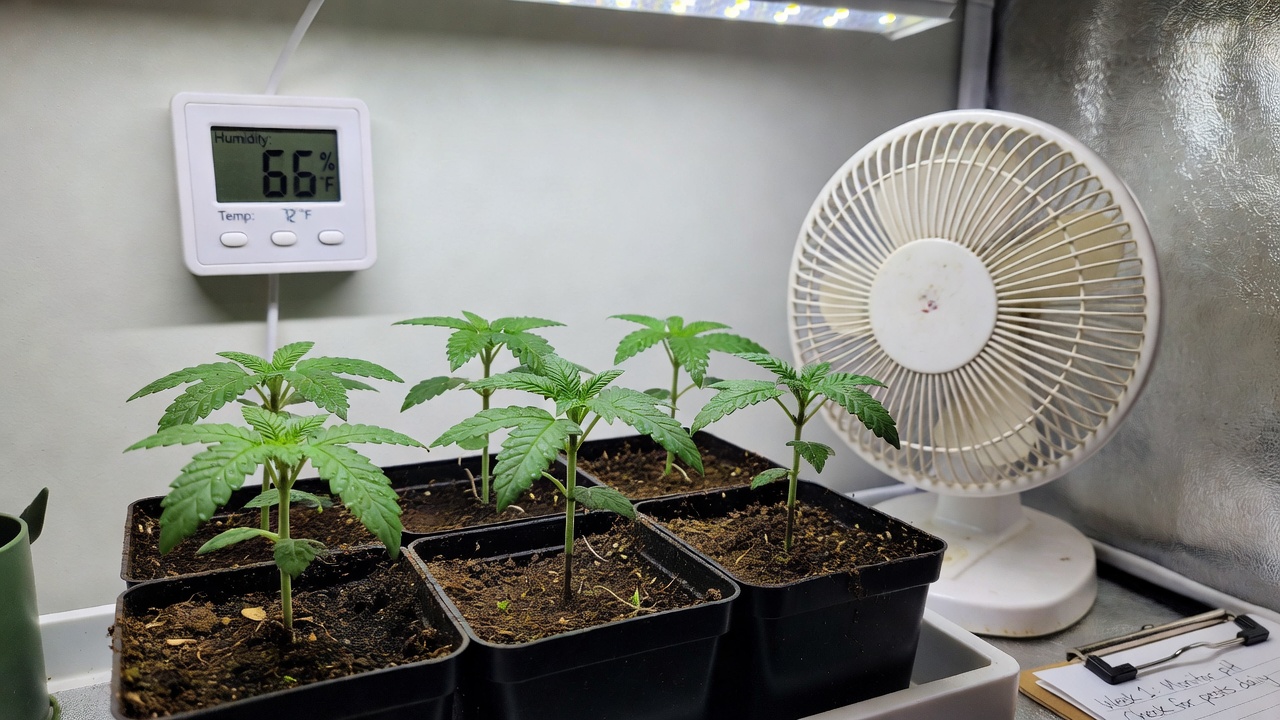
    Water every 2-4 days, depending on pot size and environment, using pH-balanced water (6.0-7.0 for soil). Start with small amounts for seedlings, increasing as roots develop. In hydroponics, monitor reservoir levels daily. Humidity plays a role too: Keep 60-70% in veg to support transpiration, dropping to 40-50% in flower to prevent mold.

    • Technique: Check soil moisture by lifting the pot—if it’s light, water; use your finger to test the top inch.
    • Pitfall: Ignoring drainage; always use pots with holes and a saucer to avoid standing water.

    For humidity control, employ a hygrometer and adjust with humidifiers or dehumidifiers. In outdoor setups, mulch around plants to retain moisture. These simple steps ensure robust root systems, vital for nutrient uptake.

    4. Monitor Plant Health to Catch Issues Early

    Monitoring plant health is essential in cannabis cultivation, allowing you to spot problems before they escalate. Beginners often miss subtle signs like yellowing leaves (nitrogen deficiency) or spots (pests), resulting in crop loss. Regular observation—daily if possible—helps maintain vigor.

    Key indicators include leaf color, curl, and growth rate. Use a journal to track changes, noting pH, EC (electrical conductivity for nutrients), and environmental factors. Common issues: Nutrient burn from over-fertilizing (brown tips) or deficiencies (pale leaves). Pests like spider mites thrive in dry conditions—inspect undersides weekly.

    Simple Monitoring Techniques

    1. Visual Checks: Look for discoloration; adjust nutrients accordingly—use half-strength for beginners.
    2. pH Testing: Invest in a digital meter; imbalances lock out essentials like phosphorus.
    3. Preventive Care: Introduce beneficial insects or neem oil for organic pest control.

    For authoritative advice on plant health, refer to the USDA’s general horticulture guidelines at nifa.usda.gov, which cover soil and pest management applicable to home grows. Early intervention can save your harvest and build your confidence as a grower.

    5. Nutrient Management and Training for Bigger Yields

    Nutrients fuel cannabis growth, but beginners frequently overdo it, causing toxicity. Start with a balanced, cannabis-specific formula: High nitrogen in veg, phosphorus and potassium in flower. Organic options like compost tea are forgiving for soil grows, while synthetics suit hydro.

    Feed every other watering at 25-50% strength initially, flushing with plain water bi-weekly to prevent buildup. Training techniques like low-stress training (LST)—bending branches to expose more bud sites—increase yields without stress. Avoid high-stress methods like topping until you’re experienced.

    • Tip: Follow a feeding schedule; monitor EC to stay under 1.5 mS/cm.
    • Pitfall: Ignoring micronutrients; deficiencies in calcium or magnesium show as spotted leaves—supplement as needed.

    Integrating these with prior tips creates a holistic approach. By 2026, soil amendments like mycorrhizal fungi are widely available, enhancing root health naturally.

    Conclusion: Start Small and Scale Up

    These five essential beginner cannabis growing tips—seed selection, lighting, watering, health monitoring, and nutrients—provide a solid roadmap. Avoid pitfalls by starting small, perhaps with 2-3 plants, and learn from each cycle. With patience and consistency, you’ll enjoy a successful home grow. Happy cultivating in 2026!

  • Best Outdoor Cannabis Seeds for 2026: Top Strains & Tips

    Best Outdoor Cannabis Seeds for 2026: Top Strains & Tips

    Introduction to Outdoor Cannabis Growing in 2026

    Outdoor cannabis cultivation remains a favorite among home growers and enthusiasts in 2026, thanks to advancements in seed genetics that make it easier to achieve bountiful harvests under natural sunlight. With climate change influencing growing conditions worldwide, selecting the right seeds is crucial for success. This guide spotlights the best outdoor cannabis seeds available this year, comparing their growth traits, resistance to elements like pests, mold, and weather extremes, and yield potential across various climates. We’ll also provide buyer guidance on choosing based on strain spotlights, THC levels, and more, plus practical tips for germinating and planting outdoors.

    Whether you’re a seasoned cultivator or a beginner, these resilient strains are bred for outdoor environments, offering high yields and potent effects. Remember, always check local laws before starting your grow—cannabis cultivation is legal in many places but regulated. For reliable info on regulations, visit Leafly’s laws section.

    Top Outdoor Cannabis Seeds for 2026

    In 2026, seed banks have released hybrids optimized for outdoor performance, focusing on autoflowering traits for quicker cycles and photoperiod strains for maximum yield. We’ve curated a list of the best, based on expert reviews and grower feedback. Each strain is highlighted with key attributes to help you decide.

    1. Blue Dream Hybrid

    A classic that’s evolved in 2026 with enhanced mold resistance, Blue Dream is an indica-dominant hybrid ideal for temperate climates. It grows tall (up to 6 feet) with a flowering time of 9-10 weeks. THC levels range from 18-24%, delivering uplifting cerebral effects perfect for daytime use. Its berry-like aroma and resistance to humidity make it a top pick for coastal areas.

    2. Gorilla Glue #4 Auto

    This autoflowering powerhouse from 2026 seed lines boasts sticky resin production and robust pest resistance. Suited for short summers, it finishes in 8-9 weeks, reaching 4-5 feet. With THC up to 28%, it’s potent for relaxation. Yields can hit 500g/m² outdoors, thriving in Mediterranean or continental climates despite wind and rain.

    3. Northern Lights CBD

    For medical growers, this 2026 low-THC variant (under 10%) offers high CBD (15-20%) and exceptional cold tolerance. It’s compact (3-4 feet) with an 8-week flower period, resisting frost better than most. Ideal for northern latitudes, it yields 400g/plant and has an earthy scent, making it discreet for urban outdoor setups.

    4. Amnesia Haze Sativa

    Updated for 2026 with better UV resistance, this sativa shines in hot, sunny climates like the Southwest US or southern Europe. It stretches to 7 feet, flowering in 10-12 weeks, with THC at 20-25% for euphoric highs. High yields (600g/m²) come from its vigorous growth, though it needs support against strong winds.

    5. Critical Mass Feminized

    A heavy yielder for 2026, this indica hybrid resists drought and heat, perfect for arid regions. At 4-5 feet tall, it flowers in 7-8 weeks with THC around 19%. Expect massive buds yielding 550g/plant, with a sweet flavor profile that’s beginner-friendly.

    6. White Widow Outdoor

    Revamped for climate resilience in 2026, White Widow handles variable weather with strong mildew resistance. Photoperiod strain growing to 5 feet, 9-week flower, THC 18-22%. It’s versatile for mixed climates, yielding 450g/m² with resin-covered trichomes for potent extracts.

    Comparing Growth Traits and Resistance to Elements

    When choosing outdoor seeds, evaluate growth traits like height, flowering time, and structure. Autoflowers like Gorilla Glue #4 Auto are compact and fast, ideal for beginners or small spaces, while tall sativas like Amnesia Haze suit experienced growers with room for training techniques such as LST (low-stress training).

    Resistance is key in 2026’s unpredictable weather. Blue Dream and White Widow excel against mold in humid areas, thanks to their indica genetics. For pests, Gorilla Glue’s sticky resin deters insects naturally. Cold-hardy strains like Northern Lights CBD withstand early frosts, with growers reporting survival down to 40°F (4°C). In hot climates, Critical Mass and Amnesia Haze maintain vigor above 90°F (32°C) without wilting, reducing water needs.

    Overall, hybrids dominate this year’s list for balanced traits—faster than pure sativas, yieldier than pure indicas. Compare via this quick table in your mind: For wind resistance, opt for bushy indicas; for rain, choose mold-resistant hybrids.

    Yield Potential for Different Climates

    Yields vary by climate, but 2026 seeds are bred for optimization. In Mediterranean zones (mild winters, hot summers), Amnesia Haze and Critical Mass can produce 600g/m² under full sun. Temperate regions (e.g., Pacific Northwest) favor Blue Dream, yielding 500g/plant with 6-8 hours of daily light.

    For continental climates with cold snaps, Northern Lights CBD offers reliable 400g yields, even in partial shade. Arid deserts suit Gorilla Glue Auto at 450g/m², as its quick cycle avoids extreme heat peaks. Remember, soil quality and nutrients boost outputs—aim for organic amendments like compost for 20% higher yields.

    For authoritative climate data to match your zone, check the USDA’s hardiness map at USDA Plant Hardiness Zone Map.

    Buyer Guidance: Selecting Seeds Based on Strain Spotlights and THC Levels

    Start by assessing your goals. For recreational highs, prioritize high-THC strains like Gorilla Glue (28%) or Amnesia Haze (25%)—euphoric and creative. Medical users might prefer Northern Lights CBD for pain relief without psychoactivity.

    Consider climate first: Match resistance to your area—humidity? Go Blue Dream. Short season? Autoflowers. Budget-wise, feminized seeds ensure bud-producing females, costing $50-100 per pack. Reputable banks like ILGM or Seedsman offer guarantees.

    Spotlight factors: Aroma (berry for Blue Dream), ease (Critical Mass for newbies), and effects (relaxing indicas vs. energizing sativas). Read lab-tested THC/CBD profiles; in 2026, many include terpene data for flavor prediction. Avoid unverified sellers—look for EU or US certifications.

    • High-THC Pick: Gorilla Glue for potency.
    • Balanced: White Widow for versatility.
    • Low-THC/Medical: Northern Lights CBD.

    Tips for Germinating and Planting Outdoors

    Germination sets the foundation. In 2026, use the paper towel method: Moisten towels, place seeds between, and keep at 70-80°F (21-27°C) in darkness for 2-5 days. Once taproots emerge (1/4 inch), transfer to starter pots with light soil mix.

    For outdoor planting, wait until after the last frost—mid-May in most zones. Choose sunny spots with 6+ hours of direct light, well-draining soil (pH 6.0-7.0). Dig holes 1-2 feet apart, plant seedlings deep for strong roots. Water gently initially, then deeply as they establish.

    1. Site Prep: Amend soil with perlite for drainage; test for nutrients.
    2. Planting: Harden off seedlings outdoors for a week to acclimate.
    3. Maintenance: Mulch to retain moisture; use neem oil for early pest control.
    4. Flowering: For photoperiods, natural light triggers bloom in late summer.

    Monitor for issues: Yellow leaves signal overwatering; curl from heat stress needs shade cloth. Harvest when 70% trichomes are cloudy—late September to October. Dry and cure buds for optimal potency.

    With these tips, your 2026 outdoor grow can yield premium cannabis tailored to your needs. Experiment responsibly and enjoy the process—nature’s bounty awaits!

  • Top 10 Best Grow Lights for Indoor Cannabis 2026

    Top 10 Best Grow Lights for Indoor Cannabis 2026

    Introduction to Choosing Grow Lights for Indoor Cannabis in 2026

    Indoor cannabis cultivation has evolved dramatically by 2026, with advancements in LED technology making it easier and more affordable for home growers to achieve high yields. As a seed buyer starting your indoor setup, selecting the right grow light is crucial. It affects everything from plant health to energy bills. This listicle ranks the top 10 grow lights based on energy efficiency, spectrum options, and compatibility with grow tents—key factors for cultivating cannabis strains like indicas, sativas, and hybrids. We’ll cover pros, cons, and tips to help you pick cost-effective options that maximize your seed investment without breaking the bank.

    Energy efficiency is paramount in 2026, with LEDs dominating due to their low heat output and reduced electricity costs. Full-spectrum lights mimic natural sunlight, supporting all growth stages from vegetative to flowering. For grow tents, look for lights with daisy-chain capabilities and adjustable heights. Whether you’re growing photoperiod strains that need precise light cycles or autoflowers that thrive under consistent illumination, these lights deliver. Remember, pairing efficient lights with quality seeds can boost ROI—expect to see savings on utilities that offset seed costs over multiple harvests.

    Ranking Criteria

    We evaluated lights based on:

    • Energy Efficiency: Watts per square foot and electricity savings.
    • Spectrum Options: Full-spectrum coverage for veg and bloom phases.
    • Grow Tent Compatibility: Size, mounting, and heat management.
    • Cost-Effectiveness: Initial price vs. long-term savings, ideal for seed buyers on a budget.
    • User Reviews and Performance: Yield potential for cannabis strains.

    For authoritative insights on energy-efficient lighting, check out the U.S. Department of Energy’s guidelines on LED efficacy at energy.gov.

    10. Mars Hydro TS 1000

    Starting our list is the budget-friendly Mars Hydro TS 1000, a staple for small grow tents.

    Pros

    • Energy-efficient at 150W, covering 2×2 ft tents with 2.5 Âľmol/J efficiency.
    • Full-spectrum with IR diodes for enhanced flowering.
    • Compatible with daisy-chaining for multi-tent setups.

    Cons

    • Limited coverage for larger spaces.
    • Basic dimming without app control.

    Tips for Strains: Ideal for autoflowering indicas like Northern Lights, which need compact, low-heat lights. For seed buyers, its $100 price tag makes it cost-effective for first-time grows, saving on energy for 3-4 cycles per year.

    9. Viparspectra P2000

    The Viparspectra P2000 offers solid value for mid-sized tents.

    Pros

    • 200W draw with 2.7 Âľmol/J, efficient for 3×3 ft areas.
    • Samsung LEDs provide customizable spectrum via dimmer.
    • Low heat, perfect for enclosed tents.

    Cons

    • No built-in timer.
    • Slightly higher upfront cost at $150.

    Tips for Strains: Suits sativa-dominant hybrids like Blue Dream, requiring strong blue spectrum for vegetative stretch. Cost-wise, it’s a smart pick for seed enthusiasts, recouping costs through efficient 18/6 cycles.

    8. Spider Farmer SF-2000

    Known for reliability, the SF-2000 shines in energy savings.

    Pros

    • 200W with 2.7 Âľmol/J, full-spectrum including UV for resin production.
    • MeanWell driver ensures tent compatibility up to 4×4 ft.
    • Quiet fanless design.

    Cons

    • App integration can be finicky.
    • Weighty for solo hanging.

    Tips for Strains: Great for photoperiod indicas like Granddaddy Purple, where UV boosts potency. At $180, it’s cost-effective for growers buying feminized seeds, minimizing waste from poor lighting.

    7. HLG 350R Elite

    Horticulture Lighting Group’s 350R steps up with premium efficiency.

    Pros

    • 350W at 2.8 Âľmol/J, covering 4×4 ft tents seamlessly.
    • Broad-spectrum with quantum board design for even light distribution.
    • Remote driver reduces tent heat.

    Cons

    • Price around $400 may deter beginners.
    • Limited color customization.

    Tips for Strains: Perfect for high-yield sativas like Jack Herer, needing intense light penetration. For seed buyers, its longevity (50,000+ hours) ensures cost savings over years of cultivation.

    6. Gavita Pro 1700e

    A professional-grade option adapted for home use.

    Pros

    • High efficiency at 630W with 2.9 Âľmol/J for 5×5 ft tents.
    • Full-spectrum optimized for cannabis bloom.
    • Integrated controls for precise tent integration.

    Cons

    • Expensive at $800+.
    • Requires sturdy mounting.

    Tips for Strains: Excels with balanced hybrids like Gelato, supporting 12/12 cycles efficiently. Though pricier, it’s cost-effective for serious seed collectors aiming for commercial-quality yields.

    5. Kind LED K5 XL1000

    The K5 series blends efficiency with user-friendliness.

    Pros

    • 400W with 2.6 Âľmol/J, veg/bloom switchable spectrum.
    • Water-resistant for humid tents.
    • Covers 4×4 ft evenly.

    Cons

    • Dimming limited to 50%.
    • $500 price point.

    Tips for Strains: Ideal for autoflowers like Auto AK-47, with switchable modes for quick cycles. Seed buyers appreciate its durability, cutting replacement costs.

    4. Fluence SPYDR 2i

    Fluence’s SPYDR brings commercial tech to homes.

    Pros

    • 660W at 2.7 Âľmol/J, full-spectrum for large 5×5 tents.
    • App-controlled spectrum tuning.
    • Low thermal load.

    Cons

    • High cost ($1,200).
    • Complex setup for novices.

    Tips for Strains: Best for exotic sativas needing tailored light recipes. For cost-conscious seed growers, its efficiency slashes bills, justifying the investment for premium strains.

    3. California Lightworks SolarSystem 550

    A veteran in efficient lighting, updated for 2026.

    Pros

    • 325W with 2.8 Âľmol/J, UV/IR enhanced spectrum.
    • Modular design for tent scalability.
    • Energy savings up to 40% vs. HPS.

    Cons

    • Bulky housing.
    • $600 tag.

    Tips for Strains: Suits indica-heavy grows like OG Kush, enhancing terpenes. Cost-effective for seed banks, as it supports denser planting without extra power.

    2. AC Infinity Ionframe EVO8

    AC Infinity’s EVO8 integrates smart features.

    Pros

    • 480W at 2.9 Âľmol/J, full-spectrum with AI dimming.
    • Perfect for 4×4 tents, with built-in circulation.
    • Controller app for strain-specific schedules.

    Cons

    • App-dependent operation.
    • $700 price.

    Tips for Strains: Versatile for all types, especially hybrids. Seed buyers save on automation, reducing manual adjustments for photoperiod shifts.

    1. NextLight Mega Pro

    Topping the list is NextLight’s Mega Pro, the pinnacle of 2026 efficiency.

    Pros

    • 650W with 3.0 Âľmol/J—best-in-class efficiency for 5×5 tents.
    • Ultra-full-spectrum mimicking sunlight, plus tunable channels.
    • Passive cooling for silent, heat-free operation.

    Cons

    • Premium $1,000+ cost.
    • Larger footprint.

    Tips for Strains: Unmatched for any strain, from delicate autos to robust indicas. For seed investors, its superior PPFD ensures maximum yields, making it the most cost-effective long-term choice. Pair with high-THC seeds for optimal returns.

    Tips for Selecting Lights for Your Indoor Setup

    1. Assess Your Space: Measure tent size; aim for 30-50W per sq ft.
    2. Strain Considerations: Indicas prefer red-heavy spectra; sativas need more blue. Autos benefit from 20/4 cycles under efficient LEDs.
    3. Budget Balance: Factor in electricity—efficient lights like our top picks can save $200+ yearly. Start with mid-range for seed trials.
    4. Compatibility Check: Ensure VESA mounts and low EMI for tent ecosystems.
    5. Sustainability: Opt for lights with recyclable components; see NORML’s resources on eco-friendly growing at norml.org.

    In 2026, these grow lights empower home growers to cultivate premium cannabis affordably. Invest wisely to complement your seeds and harvest success.

  • Top 5 Feminized Cannabis Strains for High Yields in 2026

    Top 5 Feminized Cannabis Strains for High Yields in 2026

    Top 5 Feminized Cannabis Strains for High Yields in 2026

    As we dive into 2026, the world of cannabis cultivation continues to evolve with strains that prioritize high yields, simplicity in growth, and resilience against common challenges like pests, mold, and environmental stress. Feminized seeds are a game-changer for home growers, eliminating the guesswork of male plants and maximizing bud production. This listicle spotlights the top five feminized photoperiod strains perfect for both indoor and outdoor setups. These selections are based on their proven performance in diverse conditions, offering THC-rich harvests that appeal to enthusiasts seeking quality and quantity.

    Whether you’re a seasoned cultivator or just starting out, these strains thrive under standard photoperiod lighting—12/12 cycles for flowering—making them versatile for greenhouses, closets, or backyards. We’ll cover each strain’s key traits, including flowering time, THC content, yield potential, and why they’re resistant and easy to grow. For more on cannabis genetics, check out Leafly, a trusted resource for strain information.

    1. Nebula Haze: The High-Yield Hybrid Powerhouse

    Nebula Haze stands out in 2026 as a feminized sativa-dominant hybrid that’s a favorite among yield-focused growers. Bred from Haze and Northern Lights genetics, this strain delivers massive colas with minimal effort. Its THC levels hover around 22-25%, providing an uplifting cerebral high ideal for daytime use.

    Flowering time is a swift 8-9 weeks, allowing for multiple harvests per year indoors. Outdoors, it finishes by mid-October in northern hemispheres, yielding up to 600g per plant under optimal sun exposure. What makes Nebula Haze easy to grow? Its vigorous growth and short stature (around 1.2-1.5m) suit indoor spaces, while its resistance to powdery mildew and spider mites ensures fewer interventions. For indoor setups, maintain temperatures between 20-26°C and humidity at 40-50% during flowering to push yields over 500g/m².

    This strain’s adaptability shines in both environments: indoors, it responds well to SCROG (Screen of Green) techniques to maximize light penetration; outdoors, its sturdy structure withstands wind and rain. Home growers love how it forgives beginner mistakes, like slight overwatering, without sacrificing bud quality. If you’re battling common issues in humid climates, Nebula Haze’s natural resilience makes it a top pick.

    2. Frosty Girl: Indica Ease with Potent Rewards

    For those seeking an indica-leaning feminized strain that’s a breeze to cultivate, Frosty Girl tops the 2026 charts. A cross of Girl Scout Cookies and Blueberry, it boasts THC content of 20-24%, delivering deep relaxation and pain relief without heavy sedation.

    With a flowering period of 7-8 weeks, it’s one of the quickest to harvest, perfect for impatient growers. Indoor yields can reach 450-550g/m², while outdoor plants produce 500-700g each in sunny, Mediterranean-like conditions, ready by early October. Ease of growth comes from its compact size (1-1.3m) and low-maintenance profile—it thrives in soil or hydroponics with basic nutrients.

    Frosty Girl’s resistance to bud rot and nutrient deficiencies is legendary, thanks to its thick resin coating that acts as a natural barrier. Indoors, use LED lights at 18/6 during veg to promote bushy growth; outdoors, plant in well-draining soil to avoid root issues. This strain is ideal for urban balconies or small tents, where space is limited but yields aren’t compromised. Its sweet berry aroma during flowering adds to the enjoyment, making cultivation a sensory delight for enthusiasts.

    3. Solar Flare: Sativa Speed and Resilience

    Solar Flare emerges as a 2026 standout for sativa lovers craving high yields without the hassle. Derived from Amnesia Haze and Durban Poison, this feminized photoperiod strain packs 23-26% THC for an energetic, creative buzz.

    Flowering takes 9-10 weeks, with indoor production hitting 500-600g/m² using techniques like topping for even canopies. Outdoors, expect 600-800g per plant, harvesting in late October. Its ease lies in rapid vegetative growth and tolerance to fluctuating temperatures—handling drops to 15°C at night without stress.

    Resistance to pests like aphids and fungal diseases makes Solar Flare reliable in organic setups. For indoor growers, a CO2-enriched environment boosts yields further; outdoors, its tall frame (up to 2m) soaks up sunlight efficiently in equatorial regions. This strain’s mold-resistant buds ensure quality even in rainy seasons, helping seed buyers avoid common pitfalls. According to the National Institute on Drug Abuse (NIDA), understanding strain potency like Solar Flare’s aids in responsible cultivation.

    4. Emerald Thunder: Balanced Yield Monster

    Emerald Thunder, a 2026 feminized hybrid of OG Kush and Emerald Headband, offers balanced effects with 21-24% THC, blending euphoria and body calm. It’s designed for growers prioritizing yield over complexity.

    Flowering in 8-9 weeks, it yields 550-650g/m² indoors and 700g+ per outdoor plant by mid-October. Easy growth stems from its medium height (1.3-1.7m) and strong root system, which absorbs nutrients efficiently even in poorer soils.

    Highly resistant to hermaphroditism and leaf spot, Emerald Thunder minimizes light leaks or stress-induced issues in photoperiod grows. Indoors, train with LST (Low-Stress Training) for denser buds; outdoors, its thunderous trichome production shines in full sun. This strain’s versatility makes it suitable for novices experimenting with photoperiod cycles, delivering consistent results that inform smarter seed choices.

    5. Aurora Bliss: Resilient All-Rounder for 2026

    Rounding out our list is Aurora Bliss, a feminized indica-sativa hybrid from White Widow and Northern Lights #5. With THC at 19-23%, it provides a blissful, well-rounded high perfect for evening unwinding.

    Its 7-9 week flowering time yields 450-600g/m² indoors and up to 650g outdoors, finishing early October. Ease of cultivation is unmatched—it’s forgiving of pH swings and overfeeding, ideal for hydro or soil newbies.

    Aurora Bliss excels in resistance to cold snaps and powdery mildew, thriving in cooler climates indoors (18-24°C) or outdoors in temperate zones. Use reflective walls indoors to enhance light efficiency; plant in raised beds outside for better drainage. For home growers, this strain’s stability ensures high-quality buds, helping you build confidence in selecting feminized photoperiod options.

    Why Choose These Strains for Your 2026 Grow?

    These top five feminized strains—Nebula Haze, Frosty Girl, Solar Flare, Emerald Thunder, and Aurora Bliss—represent the pinnacle of 2026 cannabis breeding. Their high-yield potential (often exceeding 500g/m² indoors), ease of growth for beginners, and robust resistance to issues like mold and pests make them essential for informed seed buyers. Whether growing indoors under controlled lights or outdoors in natural photoperiods, they adapt seamlessly, delivering potent THC-packed harvests.

    Start with quality seeds from reputable banks, monitor your setup closely, and remember that local laws apply—consult resources like NIDA for guidance. By choosing these strains, you’ll not only maximize your grow but also enjoy the therapeutic benefits of home-cultivated cannabis. Happy growing!

  • 10 Proven Strategies to Boost Autoflower Yields in 2026

    10 Proven Strategies to Boost Autoflower Yields in 2026

    Unlocking Maximum Yields: 10 Strategies for Autoflower Success

    Autoflowering cannabis varieties have revolutionized home growing, offering fast cycles and resilience without the need for light cycle changes. However, maximizing yields remains a challenge for many enthusiasts. In 2026, with advanced genetics and tools at our disposal, home growers can push autoflowers to produce 500g/m² indoors or 200g/plant outdoors. This guide outlines 10 proven strategies, each addressing specific hurdles like nutrient lockout, light stress, or environmental fluctuations. We’ll explore real-world applications for both indoor and outdoor setups, drawing from grower experiences and scientific principles.

    Whether you’re a novice in a small tent or scaling up outdoors, these tips will help you harvest denser buds and higher quantities. Remember, always check local laws and prioritize safety—cannabis cultivation is legal in many places but regulated.

    1. Optimize Lighting Schedules for Energy Efficiency

    Autoflowers thrive on consistent light, but mismatched schedules can stunt growth or cause foxtailing. The key challenge is balancing intensity and duration without stressing the plant’s natural 8-10 week cycle.

    Use a 18/6 or 20/4 light cycle from seed to harvest. For indoors, LED lights like the Mars Hydro TS series deliver full-spectrum coverage at 300-500 PPFD during veg and 600-800 during flower. This prevents light burn while promoting photosynthesis.

    Real-world example: An indoor grower in California reported a 25% yield boost by switching to 20/4 with quantum board LEDs, yielding 450g/m² from Northern Lights Auto. Outdoors, in Mediterranean climates, position plants for 14+ hours of natural sun, supplementing with reflective mulches on cloudy days to mimic this schedule.

    2. Tailor Nutrient Regimens to Autoflower Needs

    Autoflowers are sensitive to overfeeding, leading to nutrient burn or deficiencies that cap yields at subpar levels. The solution? A balanced, low-strength regimen focused on micronutrients.

    Start with half-strength vegetative nutrients (high nitrogen) for the first 3 weeks, then transition to bloom formulas (high phosphorus and potassium) around week 4. Use organic options like Fox Farm Ocean Forest soil amended with compost teas for slow-release feeding.

    In practice, a UK outdoor grower using BioBizz nutrients on White Widow Auto achieved 150g/plant by monitoring EC levels at 1.0-1.5 mS/cm, avoiding salt buildup. Indoors, hydroponic setups with General Hydroponics Flora series saw 30% more colas due to precise dosing via automated feeders.

    3. Master pH and EC Management

    Fluctuating pH locks out essential nutrients, causing yellowing leaves and reduced bud sites—a common yield killer in autoflowers’ short life.

    Maintain soil pH at 6.0-7.0 or hydro at 5.5-6.5. Test runoff weekly and adjust with pH Up/Down solutions. Cal-Mag supplements prevent deficiencies in RO water setups.

    Example: A basement grower in Colorado fixed pH swings in their DWC system, boosting yields from 200g to 350g/m² on Gorilla Glue Auto. Outdoors, amending clay soils with perlite and lime stabilized pH, allowing Amnesia Haze Auto to yield 180g/plant in rainy Pacific Northwest conditions.

    4. Implement Low-Stress Training (LST)

    Autoflowers’ fixed flowering timeline limits height, but poor canopy management leads to uneven light exposure and lower yields.

    Gently bend and tie main stems horizontally from week 2 to create an even canopy. Avoid high-stress techniques like topping, which can delay recovery.

    Indoor success story: Using LST on Blueberry Auto in a 4×4 tent, a hobbyist increased bud sites by 40%, harvesting 400g. Outdoors, in sunny Arizona, LST on taller autos like Critical+ prevented shading, yielding 220g/plant despite wind exposure.

    5. Control Temperature and Humidity Precisely

    Heat above 85°F or humidity over 70% invites mold and slows metabolism, directly impacting yield density.

    Aim for 70-80°F days and 60-65°F nights, with 40-50% RH in flower. Use exhaust fans, heaters, or dehumidifiers indoors; shade cloth outdoors.

    A Toronto indoor grower cooled their space to 75°F, preventing bud rot onZkittlez Auto and upping yields to 500g/m². In humid Florida outdoors, a greenhouse with vents kept RH at 45%, saving a crop of Gelato Auto for 160g/plant.

    6. Choose High-Quality Genetics and Seeds

    Subpar seeds result in hermies or weak plants, slashing potential yields before you start.

    Select from reputable breeders like FastBuds or Royal Queen Seeds, focusing on high-yield strains like Mimosa Auto (up to 550g/m²).

    Example: An Australian outdoor enthusiast switched to premium autos, harvesting 250g/plant from Orange Sherbet versus 100g from generics. Indoors, feminized seeds ensured 100% females, maximizing space efficiency.

    7. Enhance Watering Practices

    Overwatering drowns roots, while underwatering stresses plants—both reduce nutrient uptake and yield.

    Water when the top 1-2 inches of soil are dry; use the lift method for pots. Incorporate mycorrhizae for better root health.

    In a Seattle indoor setup, drip irrigation on Auto Ultimate yielded 420g/m² by maintaining even moisture. Outdoors in dry Spain, deep watering every 3 days on Power Plant Auto produced 200g/plant with minimal waste.

    8. Integrate Beneficial Microbes and Organics

    Chemical reliance can harm soil biology, leading to imbalanced ecosystems and lower yields.

    Add compost teas, worm castings, or products like Great White mycorrhizae to boost root mass by 20-30%.

    A Midwest US outdoor grower enriched soil with microbes, turning a 120g yield on Lemon Auto into 190g. Indoors, living soil beds with EM-1 enhanced terpene production in Purple Punch Auto, adding weight to buds.

    9. Scout and Prevent Pests Early

    Pests like spider mites can devastate yields in autoflowers’ short window, with no time for recovery.

    Inspect daily; use neem oil or IPM with ladybugs. Companion planting with marigolds deters nematodes.

    Example: An indoor Californian caught aphids early on Tangie Auto, saving 80% of the crop for 380g/m². Outdoors in Oregon, BT spray controlled caterpillars on Green Gelato, securing 170g/plant.

    10. Time Harvest for Peak Potency and Yield

    Harvesting too early sacrifices weight; too late risks degradation.

    Monitor trichomes: harvest at 70% milky for max yield. Flush 1-2 weeks prior with plain water.

    A Vancouver indoor grower waited for 20% amber on Wedding Cake Auto, boosting dry weight to 480g/m². Outdoors in British Columbia, cloudy-day harvesting preserved yields at 210g/plant despite fall rains.

    Implementing these strategies holistically can transform your autoflower grows. For more on strain selection, visit Leafly, a trusted resource for cannabis education. Experiment, track your results, and watch your yields soar in 2026.

  • Beginner’s Guide to CBD-Rich Cannabis Strains for Seeds

    Beginner’s Guide to CBD-Rich Cannabis Strains for Seeds

    Introduction to CBD-Rich Cannabis Strains

    In the evolving world of cannabis cultivation, CBD-rich strains have gained popularity among home growers and enthusiasts seeking therapeutic benefits without the intense psychoactive effects of THC. As of 2026, with increasing legalization and accessibility, choosing the right CBD-dominant seeds can be a game-changer for beginners. This guide will walk you through the essentials of selecting CBD-rich strains, focusing on key factors like CBD content, effects, and flavors to maximize health advantages. We’ll also include simple reviews of popular strains and practical tips for starting your first grow.

    CBD, or cannabidiol, is a non-intoxicating compound found in cannabis that offers potential relief for anxiety, pain, inflammation, and sleep issues. Unlike THC, it won’t get you high, making it ideal for medical users and those new to cultivation. For seed buyers, understanding strain profiles ensures you pick varieties that align with your goals, whether for personal use or therapeutic purposes.

    Key Factors to Consider When Choosing CBD-Rich Strains

    Selecting the right CBD-rich cannabis seeds involves evaluating several elements. Start with the cannabinoid profile, then consider terpenes for flavor and effects, and don’t forget growability for beginners.

    CBD Content and THC Ratio

    The CBD percentage is crucial—aim for strains with at least 10-20% CBD to ensure noticeable benefits. Most CBD-rich strains have a low THC level, often under 0.3%, to comply with legal hemp standards in many regions. A 20:1 CBD-to-THC ratio is common for pure therapeutic effects, but some hybrids offer a balanced 1:1 ratio for mild relaxation without impairment.

    For therapeutic maximization, higher CBD content correlates with stronger anti-inflammatory and anxiolytic properties. Research from the National Institutes of Health supports CBD’s role in managing chronic pain and epilepsy; check out their studies at NCBI for evidence-based insights.

    Effects and Therapeutic Benefits

    CBD strains typically promote calm, focus, and pain relief. Effects vary by strain: some are uplifting for daytime use, while others are sedating for evenings. Beginners should prioritize strains known for reducing stress or aiding sleep, as these are versatile for home growing.

    • Calming Effects: Ideal for anxiety relief, with strains like ACDC providing clear-headed relaxation.
    • Pain Management: High-CBD options like Harlequin target inflammation without drowsiness.
    • Sleep Support: Varieties with myrcene terpenes, such as Cannatonic, enhance restful nights.

    Always consider your specific needs—consult a healthcare professional for medical advice, especially in 2026’s regulated market.

    Flavors and Aromas

    Flavor profiles influence the overall experience and can enhance therapeutic outcomes through the entourage effect, where terpenes boost cannabinoid benefits. CBD strains often feature earthy, citrusy, or herbal notes.

    • Citrusy and Piney: Strains like Charlotte’s Web offer zesty flavors that pair well with uplifting effects.
    • Earthy and Spicy: Options like Remedy bring woody undertones, appealing to those seeking subtle tastes.
    • Sweet and Floral: Ringo’s Gift provides a gentle, honey-like aroma for a pleasant smoke or vape.

    Terpenes like limonene (citrus) or linalool (floral) not only define taste but also amplify CBD’s calming properties. Experimenting with flavors can make cultivation more enjoyable for first-timers.

    Simple Reviews of Top CBD-Rich Strains for Seed Buyers

    Here are straightforward reviews of beginner-friendly CBD-rich strains available as seeds from reputable banks. These selections are based on ease of growth, high CBD yields, and positive user feedback from platforms like Leafly.

    ACDC

    This sativa-dominant hybrid boasts a 20:1 CBD-to-THC ratio, with around 16-24% CBD. Effects are profoundly relaxing yet non-sedating, perfect for daytime pain relief or focus. Flavors lean towards earthy pine with subtle lemon hints. Growers love its resilience—it’s forgiving for novices, yielding 400-500g/m² indoors. Seeds are widely available and germinate easily.

    Charlotte’s Web

    A legendary strain with 12-20% CBD and minimal THC (<0.3%). Known for its role in treating seizures, it delivers gentle euphoria and anti-inflammatory benefits. The taste is sweet and nutty, with earthy undertones. It’s a compact plant, ideal for small home setups, producing 350-450g/m². First-time growers appreciate its low maintenance and pest resistance.

    Cannatonic

    Offering a balanced 1:1 ratio (6-17% CBD, 6-17% THC), this hybrid provides mild euphoria alongside therapeutic relief for migraines and muscle spasms. Flavors are citrusy and spicy, with a pine finish. It grows to medium height, suitable for indoor or outdoor cultivation, with yields up to 500g/m². It’s a solid choice for those wanting subtle psychoactive effects.

    For more strain details and user reviews, visit Leafly, a trusted resource for cannabis education.

    Tips for First-Time Growers Starting CBD-Rich Plants

    Growing CBD-rich cannabis from seeds is accessible for beginners, but success hinges on basics like lighting, soil, and monitoring. In 2026, affordable LED lights and organic nutrients make home growing straightforward.

    Selecting Quality Seeds

    Buy from established seed banks like Seedsman or ILGM, which offer feminized CBD seeds to ensure bud production. Look for organic, lab-tested genetics to guarantee high CBD levels. Start with auto-flowering varieties for quicker harvests (8-10 weeks) without light cycle changes.

    1. Germination: Soak seeds in water for 24 hours, then plant in damp soil or rockwool cubes at 70-80°F.
    2. Seedling Stage: Provide 18-24 hours of light daily with gentle humidity (60-70%). Use a starter kit for simplicity.
    3. Vegetative Growth: Maintain 70-85°F and 40-60% humidity. Feed balanced nutrients low in nitrogen.

    Common Challenges and Solutions

    Beginners often face overwatering or nutrient deficiencies. CBD strains are hardy but prefer well-draining soil with a pH of 6.0-7.0. Watch for yellowing leaves, which signal pH issues—adjust with lime or sulfur.

    • Pest Control: Use neem oil for aphids; CBD plants attract fewer pests due to their terpene profile.
    • Harvesting: Chop when 70% trichomes are cloudy for peak CBD. Dry slowly in a dark space at 60°F.
    • Legal Note: Ensure compliance with local laws; in the US, hemp-derived CBD (<0.3% THC) is federally legal.

    Start small with 2-3 plants to learn. Track progress in a journal, noting effects and yields to refine future grows.

    Maximizing Therapeutic Yields

    To enhance CBD production, expose plants to full-spectrum light and avoid stress. Post-harvest, cure buds for 2-4 weeks to preserve cannabinoids. Consume via tinctures, edibles, or topicals for targeted benefits.

    Conclusion

    Choosing CBD-rich cannabis strains empowers beginners to cultivate therapeutic plants tailored to their needs. By focusing on CBD content, effects, and flavors, you’ll select seeds that deliver real benefits. With the simple reviews and growing tips here, you’re set to start your journey. Happy growing—may your harvest bring wellness and joy.

We use cookies to improve your experience and analyse site traffic. See our Privacy Policy and Cookie Policy for details.