
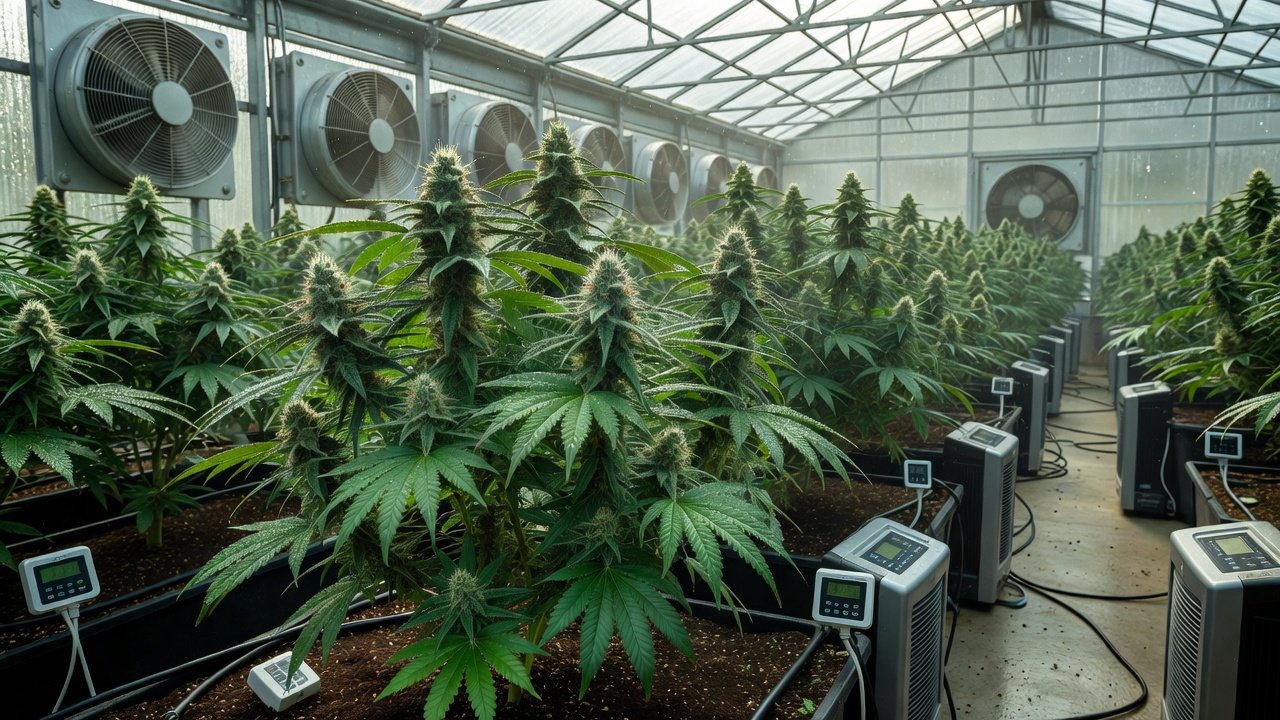
High humidity poses unique challenges for cannabis growers, especially in tropical or coastal regions where moisture levels often exceed 70% RH. In 2026, home cultivators must prioritize seed selection and early-stage care to prevent mold, mildew, and root rot while maximizing yields. This guide provides practical strategies tailored for humid environments, helping enthusiasts achieve robust plants from germination onward. Growers in places like Miami or Bangkok routinely battle year-round moisture that can quickly turn a promising crop into a loss if left unchecked.
Understanding Humidity Challenges in Cannabis Cultivation
Excessive moisture creates ideal conditions for fungal pathogens like powdery mildew and botrytis. These issues often start at the seedling stage, where delicate tissues are most vulnerable. High humidity reduces transpiration, slowing nutrient uptake and leading to weak stems. Growers in areas like Southeast Asia or the Pacific Northwest face these problems year-round, requiring proactive environmental management. For instance, a cultivator in coastal Oregon might notice white powdery spots appearing within days of sprouting if airflow is insufficient. Research from major health organizations highlights how indoor humidity above 60% promotes mold growth on plants and surfaces alike. The EPA provides detailed guidance on controlling moisture to protect both crops and indoor air quality. Early intervention through proper strain choice and monitoring prevents costly losses later in the flowering phase. Practical monitoring involves placing inexpensive digital sensors at canopy level to catch spikes before they cause damage.
Selecting Mold-Resistant Strains for Humid Climates
Choosing the right genetics forms the foundation of success in humid areas. Landrace strains from equatorial regions, such as certain Thai or Colombian varieties, have evolved natural resistance to damp conditions. Modern hybrids incorporating these genetics offer improved mold resistance without sacrificing potency or flavor. A concrete example is selecting a Thai landrace cross that finishes in nine weeks, allowing it to avoid late-season rains common in Southeast Asia. Look for strains labeled as “mold resistant” or those with dense trichome coverage that repels spores. In 2026, breeders have released updated cultivars optimized for high-humidity zones, featuring faster maturation to outpace seasonal rains. Always source seeds from reputable suppliers who test for genetic stability. Growers report success with varieties like Colombian Gold hybrids that maintain tight bud structure even when ambient RH hovers near 65%.
Seed Selection and Germination Tips for 2026
Start with fresh, high-quality seeds suited to your climate. Opt for feminized or autoflowering options that complete their cycle quickly, minimizing exposure time to humidity. Germinate seeds in a controlled environment using paper towel methods or rockwool cubes at 70-75°F with moderate humidity around 60%. For a practical example, place seeds between damp paper towels inside a sealed container on a seedling heat mat, checking daily for taproot emergence. Monitor for even sprouting within 3-7 days. Once seedlings emerge, maintain gentle airflow to strengthen stems. Avoid overwatering at this stage, as saturated media combined with high ambient moisture invites damping-off disease. Use pH-balanced water at 6.0-6.5 to support early root development. Many 2026 growers add a light dusting of mycorrhizal powder to rockwool to boost early resilience against humidity-related stress.
Ventilation and Environmental Control Strategies
Effective airflow is critical for reducing leaf surface moisture. Install oscillating fans and exhaust systems to achieve 4-6 air exchanges per hour in grow tents or rooms. Dehumidifiers rated for your space size help maintain RH between 40-55% during vegetative growth and lower during flowering. Position intake vents low and exhaust high to create natural convection. Smart controllers with hygrometers allow precise automation in 2026 setups. Combine these with HEPA filtration to remove airborne spores.
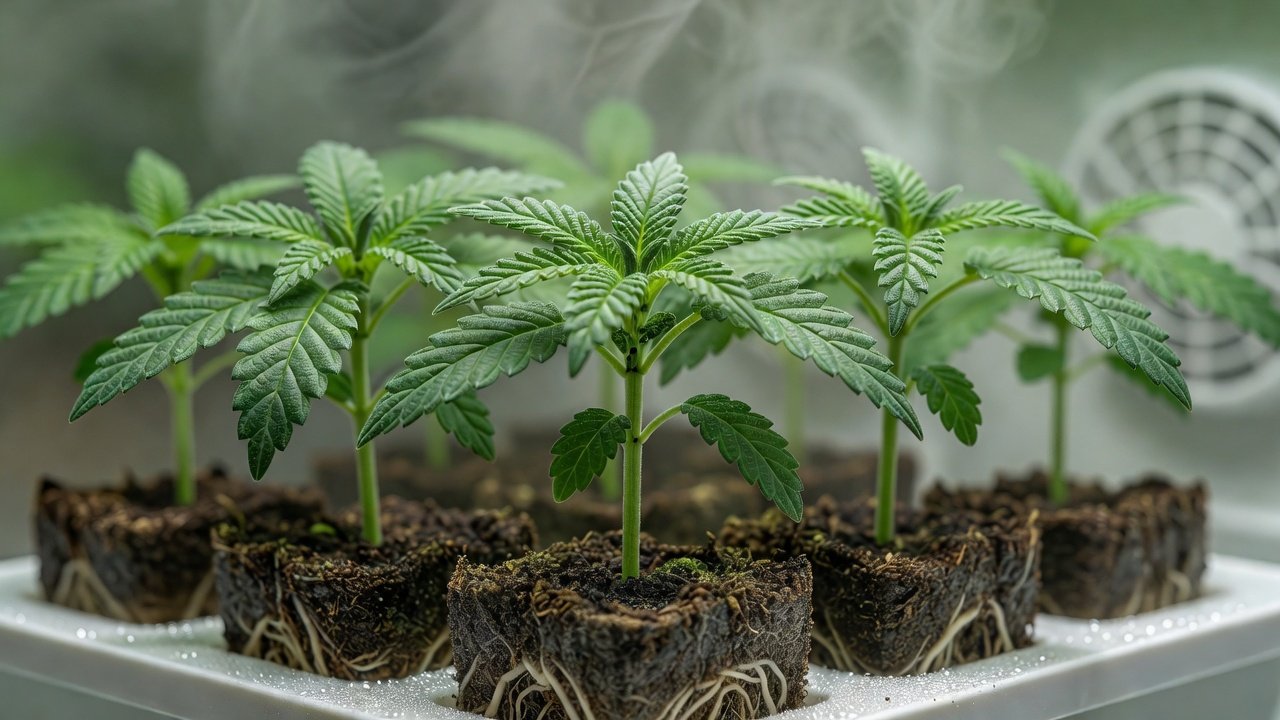
A real-world setup might include two 6-inch inline fans paired with a 70-pint dehumidifier in a 4×4 tent, cutting nighttime RH spikes by 20%. Regular filter cleaning prevents spore buildup that could otherwise spread through the system.
Early-Stage Care and Monitoring Techniques
Daily inspections catch problems early. Use digital hygrometers and leaf surface moisture sensors to track microclimates around plants. Prune lower leaves to improve circulation and reduce humidity pockets. Implement IPM strategies with organic neem or beneficial microbes from day one. Water only when the top inch of soil dries, adjusting schedules for seasonal humidity spikes. Track VPD (vapor pressure deficit) values between 0.8-1.2 kPa for optimal transpiration in seedlings and young plants.
- Check RH levels twice daily
- Rotate plants for even light and air exposure
- Document growth in a journal for pattern recognition
- Apply diluted neem oil weekly as a preventive foliar spray
- Introduce beneficial bacteria like Bacillus subtilis to the root zone
These steps, when followed consistently, help maintain healthy transpiration even when outdoor conditions remain damp for weeks.
Common Pitfalls and Advanced 2026 Solutions
Many beginners overlook temperature differentials that spike relative humidity at night. Use heaters or AC units to stabilize conditions. Advanced LED lighting with lower heat output helps, but pair it with targeted dehumidification. Emerging tech like AI-driven grow assistants now predict humidity trends based on weather data. Integrate these with traditional methods for best results. Always quarantine new seeds or clones to prevent introducing pathogens into your humid grow space. One advanced tactic involves setting up automated alerts on a smartphone app that notifies growers when VPD drifts outside the target range. Consistent application of these techniques ensures vigorous growth. By focusing on resistant genetics and vigilant early care, growers in challenging climates can produce premium harvests in 2026 and beyond.