
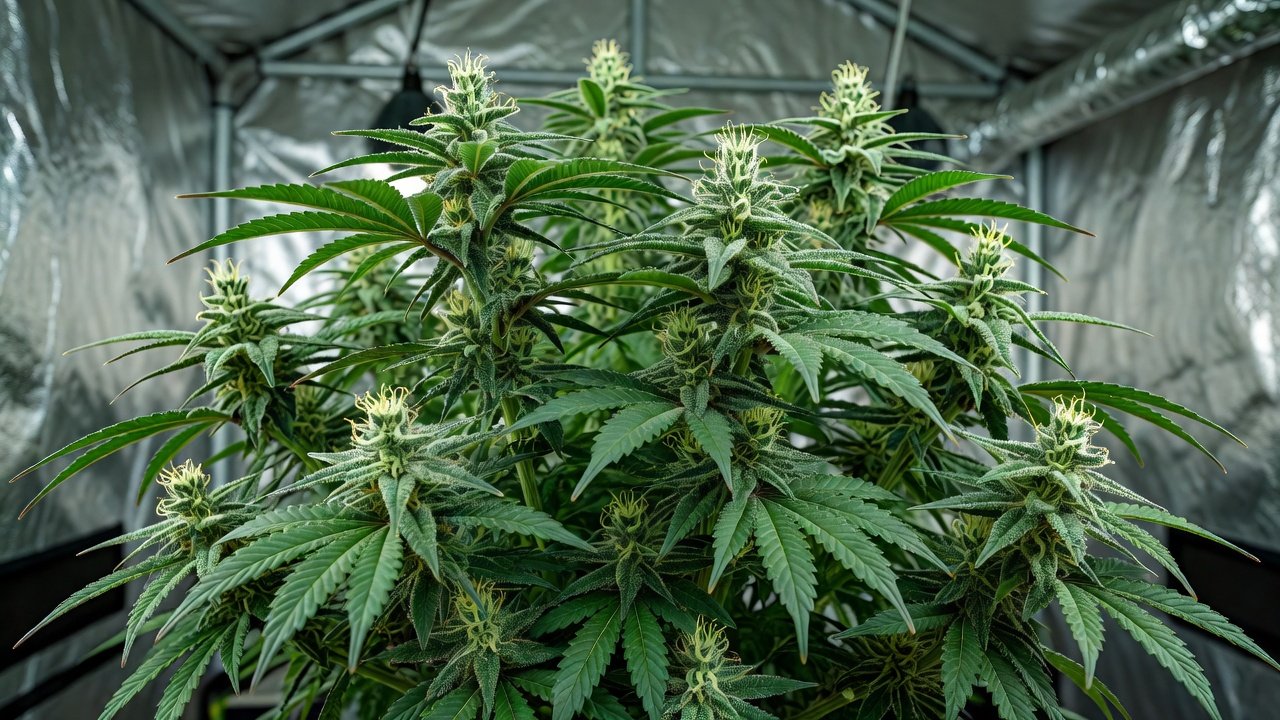
Defoliation is a powerful technique for home growers working with feminized cannabis seeds, especially in photoperiod strains. By strategically removing leaves, cultivators improve light penetration to lower bud sites and enhance airflow to reduce mold risk. This guide covers safe application for female plants, focusing on timing that aligns with growth stages to avoid unnecessary stress while maximizing yields. Home growers often start with small test runs on one or two plants before applying the method across an entire tent or room.
Understanding Defoliation in Feminized Photoperiod Grows
Feminized seeds produce predominantly female plants, making them ideal for consistent harvests without male pollination concerns. In photoperiod varieties, defoliation helps manage the dense foliage that develops during the vegetative phase. Unlike autoflowers, photoperiod plants allow precise control over the light cycle, giving growers flexibility to defoliate before flipping to flower. This control lets cultivators time leaf removal to match the plant’s natural recovery window, typically when roots are established and new growth is visible within days.
The process targets fan leaves that shade bud sites or block air circulation. For feminized plants, the goal remains the same as with regular seeds but emphasizes minimal disruption since these genetics are often bred for vigor and uniformity. Proper technique supports the plant’s natural recovery without triggering hermaphroditism risks common in stressed females. A practical example is removing only the largest fan leaves that cover secondary bud sites while leaving smaller leaves that still contribute to photosynthesis.
Why Feminized Photoperiod Plants Respond Well
These plants usually display uniform growth patterns, so defoliation results are predictable. Growers report that after the first session, plants rebound faster than expected when environmental factors such as temperature and humidity stay within optimal ranges of 72–78°F and 50–60% RH during vegetative growth.
Key Benefits for Light Penetration and Airflow
Improved light exposure reaches lower canopy areas, promoting even bud development and higher overall yields. In indoor setups, this counters the limited intensity of grow lights at distance. Airflow increases around stems and buds, lowering humidity pockets that foster powdery mildew or botrytis. A concrete example involves a 4×4 tent with four feminized photoperiod plants where removing 25% of fan leaves increased lower bud density by roughly 20% compared with an untouched control plant in the same environment.
Studies from agricultural extensions highlight how canopy management techniques like defoliation reduce disease incidence in dense crops. For home growers, this translates to healthier feminized plants with fewer interventions needed later in flower. The result is denser, higher-quality colas without compromising plant health when performed correctly. Regular monitoring with a small hygrometer placed at mid-canopy level helps confirm airflow improvements after each session.
Additional Advantages in Limited Spaces
In small grow tents, defoliation also reduces the need for extra oscillating fans. Growers who combine leaf removal with strategic plant spacing of 18–24 inches between pots often see fewer microclimates that trap moisture.
Optimal Timing for Photoperiod and Female Plants
Begin defoliation in the vegetative stage once plants reach 4-6 weeks old and show strong root development. Perform the first session 1-2 weeks before the light cycle switch to 12/12. A second lighter pass can occur around day 21 of flower if needed, focusing only on obstructing leaves. Many growers mark their calendars at the six-week veg mark and schedule the session for the following Monday to allow three full days of observation before any other tasks.
Avoid defoliation during the first two weeks of flower or the final three weeks, as plants are most sensitive then. For feminized photoperiods, monitor stretch periods closely. Strain-specific adjustments matter: indica-dominant varieties tolerate more aggressive removal than sativas, which may require gentler thinning to prevent shock. A practical tip is to take photos before and after each session so you can compare recovery speed across different strains in future grows.
Seasonal and Environmental Adjustments
During summer months when indoor temperatures rise, reduce the percentage of leaves removed to 15% per session. In cooler winter conditions, plants recover more slowly, so extend the interval between sessions to ten days.
Step-by-Step Defoliation Methods
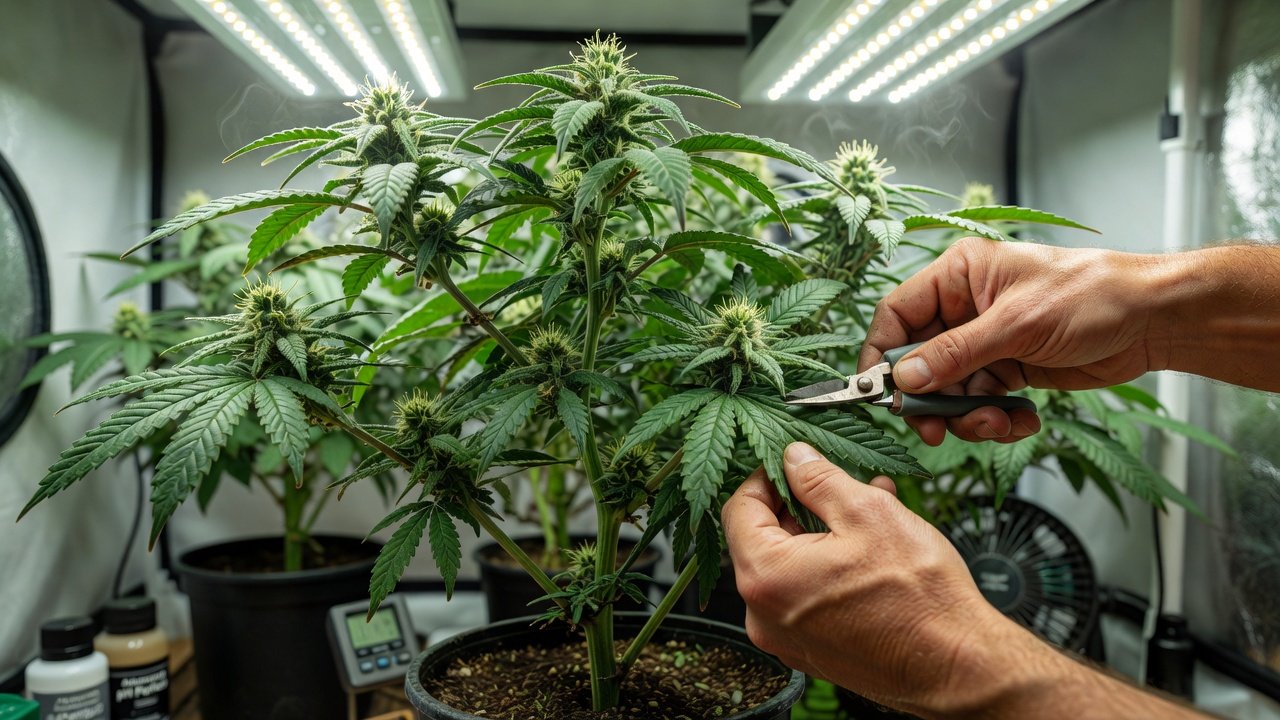
Start with sterilized scissors or pruning shears. Identify large fan leaves shading bud sites or crowding the interior. Remove no more than 20-30% of foliage per session to allow recovery. Always work under bright lights so you can clearly see petiole attachment points and avoid damaging stems.
- Inspect the plant from all angles under full lights.
- Pinch and cut leaves at the base of the petiole.
- Focus on lower branches and inner canopy first.
- Monitor for wilting over the next 48 hours and adjust watering.
Repeat only after the plant shows new growth. This measured approach suits feminized female plants by minimizing stress hormones that could affect resin production. After the session, many growers lightly mist the remaining foliage with pH-balanced water to reduce transplant shock and maintain humidity around 55%.
Tool Maintenance and Safety
Wipe blades with 70% isopropyl alcohol between plants to prevent cross-contamination. Keep a small spray bottle nearby for quick cleaning. Never defoliate when plants are dry; water lightly the evening before so leaves are turgid and easier to cut cleanly.
Strain-Specific Tips and Yield Optimization
Fast-flowering indica hybrids like those derived from Afghan genetics respond well to moderate defoliation in week 3 of veg. Sativa-leaning feminized strains benefit from selective leaf removal only around main colas to preserve their longer internodes. Always research your specific cultivar’s leaf density before starting. For example, a dense indica may lose 30% of fan leaves without issue, while a tall sativa may show stress if more than 15% is removed at once.
Combine defoliation with low-stress training for compounded benefits. Track results across grows to refine timing. This leads to improved yields of 15-25% in well-managed photoperiod setups when airflow and light are optimized without over-pruning. Keeping a simple notebook with weekly yield notes and photos helps identify the exact timing that works best for each strain in your environment.
Integrating With Other Techniques
Many successful growers pair defoliation with SCROG nets. After leaf removal, tuck new growth through the screen so lower sites receive direct light, further increasing overall bud uniformity.
Conclusion
Applying defoliation thoughtfully elevates results in feminized cannabis cultivation. Focus on timing, limited removal, and strain awareness to boost light and air without setbacks. Home growers achieve superior harvests by integrating these practices into standard photoperiod routines. Consistent observation and gradual implementation remain the most reliable path to long-term success.