
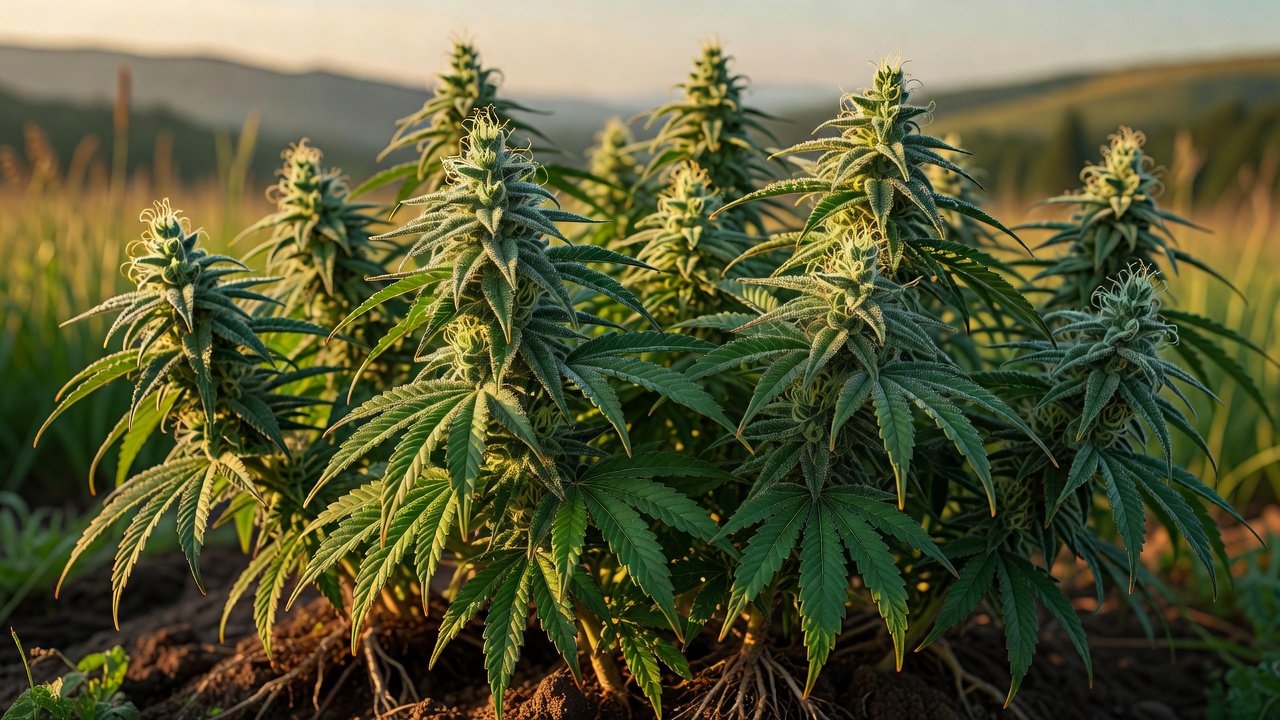
In the evolving landscape of cannabis cultivation in 2026, home growers face a pivotal choice when sourcing seeds from reputable seed banks: heirloom genetics or modern hybrids. Heirloom strains represent landrace varieties preserved through generations, offering unique terpene profiles and resilience shaped by natural selection. Modern hybrids, by contrast, deliver targeted traits like higher yields and potency through deliberate crossbreeding. Understanding these differences empowers enthusiasts to make informed purchases that align with their growing goals and environmental conditions.
Understanding Heirloom Cannabis Genetics
Heirloom cannabis genetics trace their roots to traditional landraces from regions like Afghanistan, Jamaica, and Southeast Asia. These strains have adapted over centuries to specific climates without human intervention, resulting in robust plants with stable cannabinoid expressions. Growers value heirlooms for their authenticity, often yielding earthy, spicy, or citrus notes that modern breeding sometimes dilutes. For example, an Afghan landrace might thrive in cooler outdoor climates with minimal intervention, producing dense buds rich in myrcene for a relaxing effect.
Preservation efforts by dedicated seed banks ensure these genetics remain available, protecting biodiversity against homogenization. However, heirlooms may exhibit longer flowering times and lower THC levels compared to contemporary options, requiring patience from cultivators seeking classic effects. A practical example involves starting Afghan heirlooms in early spring outdoors, expecting 10-12 weeks of flowering while monitoring for natural pest resistance rather than relying on heavy pesticides.
The Rise of Modern Hybrids in Seed Banks
Modern hybrids dominate seed bank catalogs due to their engineered advantages, including faster maturation and resistance to pests. Breeders combine indica and sativa lineages to create balanced plants suited for indoor or outdoor setups. This innovation has expanded consumer choices but sometimes at the cost of genetic diversity. Growers often see hybrids reach harvest in 8-9 weeks indoors under 18/6 light cycles during veg and 12/12 during flower.
While hybrids excel in commercial production, they can introduce variability in offspring, making phenotype selection crucial. Home growers benefit from hybrids’ predictability in controlled environments, yet many return to heirlooms for their natural vigor and unique aromas. Consider a hybrid like a balanced indica-sativa cross that yields 500 grams per square meter in a 4×4 tent with LED lights at 600 watts, though it may lack the deep spice of pure landraces.
Key Factors for Identifying Stable Heirloom Genetics
Stability in heirloom strains hinges on consistent phenotypic expression across generations. Look for seed banks that provide detailed lineage histories and lab-tested cannabinoid data. Factors like origin documentation and grower reports help confirm authenticity over hype-driven marketing. Concrete guidance includes requesting batch-specific reports showing THC around 12-15% for classic landraces.
Examine seed morphology—mature, dark seeds with hard shells indicate viability. Reputable banks share germination rates above 90 percent and offer guarantees.
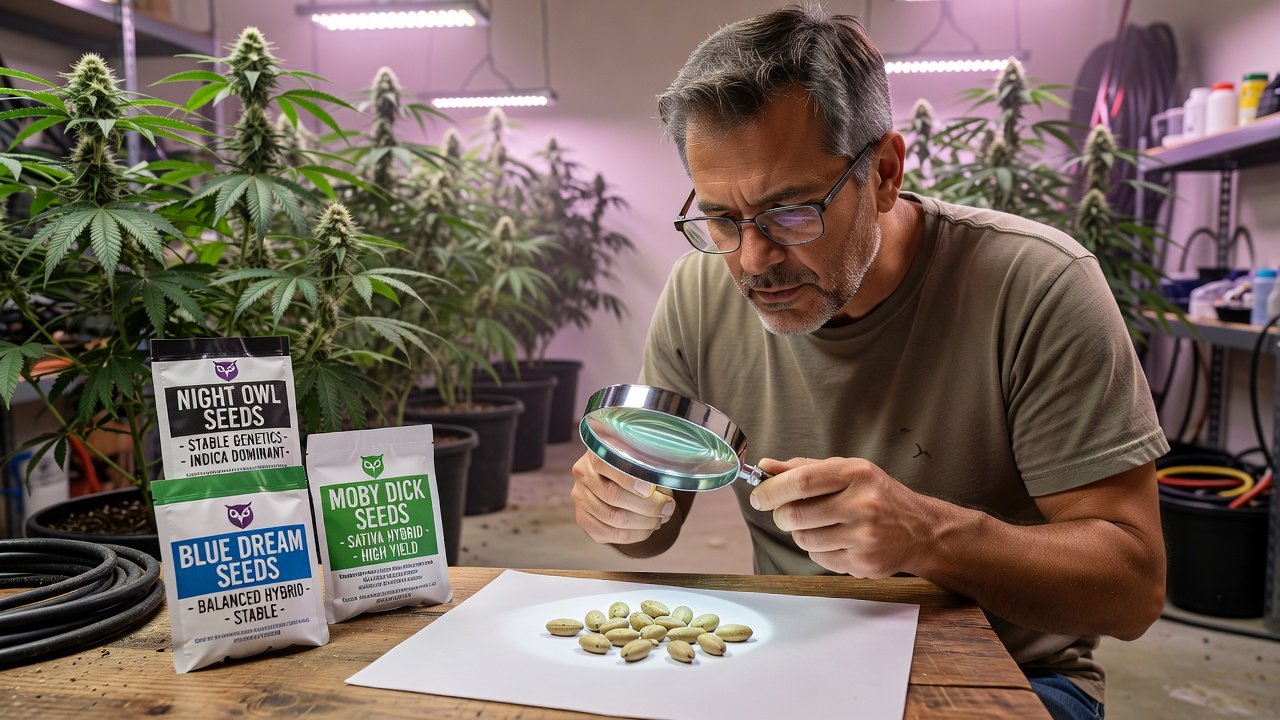
Avoid strains with vague descriptions; stable genetics show uniform growth patterns in user forums and reviews. In practice, test five seeds from a lot in rockwool cubes at 20-25°C with 70% humidity to verify even sprouting within 48 hours.
- Verify landrace purity through third-party genetic testing references.
- Check for minimal outcrossing in breeding records.
- Assess terpene consistency via strain-specific profiles.
Breeding Insights for Consistent Results
Successful breeding of heirlooms involves selective backcrossing to maintain landrace traits while enhancing stability. Expert breeders monitor for hermaphroditism and select mother plants with desirable resin production. This process yields seeds that perform reliably in varied conditions. A home example is selecting a vigorous female from an initial pack, cloning her, and backcrossing to a stable male over two generations while tracking resin gland density with a jeweler’s loupe.
Modern techniques like marker-assisted selection accelerate results without compromising heirloom integrity. Growers experimenting at home should start with small batches and document traits over multiple cycles to refine selections. Maintain a journal noting pH levels at 6.0-6.5 in soil and EC under 1.2 during early veg to avoid stressing genetics.
Verification Methods When Purchasing from Seed Banks
Verification begins with researching bank reputation through independent reviews and community feedback. Request certificates of analysis for heavy metals and pathogens. Established banks like those affiliated with major preservation projects provide transparency on sourcing. Practical steps include cross-checking at least three grower reports on forums for the exact seed lot before ordering.
Genetic sequencing services offer definitive proof of lineage; some seed banks partner with labs for this. Cross-reference with resources such as https://www.ncbi.nlm.nih.gov for peer-reviewed cannabis studies. Always purchase from vendors with clear return policies to mitigate risks. For instance, confirm the bank allows exchanges if germination falls below stated rates.
Tips for Home Growers Seeking Reliability
Start with small orders of heirloom varieties to test compatibility with your setup. Maintain detailed grow journals tracking environmental factors and plant responses. Consistent results come from replicating proven conditions and avoiding over-fertilization that masks genetic potential. An example workflow: veg under 300W LEDs at 24°C day/20°C night, then transition to flower with organic amendments like compost tea every two weeks.
Network with other enthusiasts via forums to share experiences on specific seed lots. Consider photoperiod versus autoflower options based on space constraints. Ultimately, prioritizing stability over novelty ensures rewarding harvests year after year. Photoperiod heirlooms in a 2×2 tent can deliver 200-300 grams with proper training like low-stress training applied at week four of veg.
Conclusion
Choosing between heirloom and hybrid cannabis genetics requires balancing tradition with innovation. By focusing on stability indicators, rigorous verification, and informed breeding insights, home growers can secure quality seeds that deliver consistent, satisfying results from trusted seed banks. Informed decisions foster both personal success and the preservation of cannabis heritage.