🎁 Free bonus seeds with every pack 🚚 Discreet tracked shipping worldwide 🌱 Germination guarantee on every order

Author: buyweedseeds

  • Organic Cannabis Pest Control: Spider Mites, Aphids & Mildew

    Organic Cannabis Pest Control: Spider Mites, Aphids & Mildew

    Introduction to Cannabis Pest Management

    Home cannabis growers face ongoing challenges from pests and diseases that can quickly damage plants and reduce yields. In 2026, integrated approaches focusing on prevention remain the most effective way to protect crops without synthetic chemicals. This guide helps enthusiasts identify common threats like spider mites, aphids, and powdery mildew while implementing organic solutions.

    Identifying Common Pests and Diseases

    Early detection is critical. Regular inspections under leaves and monitoring plant health allow growers to act before infestations spread.

    Spider Mites

    Spider mites are tiny arachnids that thrive in warm, dry environments. Look for fine webbing, stippled leaves turning yellow or bronze, and tiny moving dots on leaf undersides. They reproduce rapidly during the vegetative stage.

    Aphids

    Aphids cluster on new growth and stems, sucking sap and causing curled or distorted leaves. They excrete honeydew that promotes sooty mold. These soft-bodied insects are often green, black, or brown and appear in both veg and early flower.

    Powdery Mildew

    This fungal disease shows as white powdery spots on leaves and buds. It spreads in humid conditions with poor airflow, weakening plants and affecting bud quality during flowering.

    Organic Prevention Strategies

    Neem Oil Sprays

    Neem oil disrupts pest life cycles and provides antifungal properties. Mix 1-2 teaspoons of cold-pressed neem oil with a few drops of insecticidal soap per quart of water. Apply weekly during veg, reducing frequency in flower to avoid residue on buds.

    Companion Planting

    Interplant with basil, marigolds, or garlic to repel pests naturally. These companions improve biodiversity and deter spider mites and aphids without competing heavily for resources.

    Beneficial Insects

    Introduce predatory mites, ladybugs, or lacewings early in the grow cycle. They target spider mites and aphids specifically, maintaining balance in the grow space.

    Integrated Pest Management Tips for Veg and Flower

    IPM combines monitoring, cultural controls, and biological agents. Maintain proper humidity (40-60% in veg, under 50% in flower), ensure strong airflow, and quarantine new plants. For detailed IPM frameworks, refer to resources from UC IPM and the EPA.

    During vegetation, focus on neem applications and beneficial releases. In flower, emphasize manual removal of affected leaves and strict environmental control to safeguard yields. Consistent scouting prevents small issues from becoming major losses.

  • Landrace vs Hybrid Cannabis: Stability & Best Seeds 2026

    Landrace vs Hybrid Cannabis: Stability & Best Seeds 2026

    Cannabis cultivation in 2026 demands a clear understanding of genetic foundations. Home growers and enthusiasts must weigh landrace strains against modern hybrids to optimize stability, resilience, and overall performance.

    Understanding Landrace Cannabis Genetics

    Landrace strains represent original varieties adapted to specific regions over centuries. These genetics offer exceptional stability because they evolved naturally without human intervention. Growers value their resilience to local pests, climates, and soils.

    Key Traits of Landrace Strains

    • High genetic stability across generations
    • Strong resistance to regional diseases
    • Unique terpene profiles tied to native environments

    Examples include Afghan and Thai landraces that continue to perform reliably in outdoor grows.

    Hybrid Cannabis Genetics Explained

    Hybrids combine multiple strains to enhance desired traits such as potency, yield, and flowering speed. While they deliver impressive performance, hybrids can vary in stability depending on breeding quality.

    Performance Advantages for Growers

    1. Faster growth cycles suitable for indoor setups
    2. Higher THC or CBD levels on average
    3. Improved uniformity in plant structure

    However, poorly stabilized hybrids may exhibit phenotypic variation that frustrates consistent results.

    Stability and Resilience Comparison

    Landraces excel in long-term resilience, making them ideal for outdoor breeding projects. Hybrids often outperform in controlled environments where speed and yield matter most. Selecting the right type depends on your grow goals and local conditions.

    Buying Seeds from Reputable Banks in 2026

    Choose seed banks with transparent breeding histories and third-party testing. Look for banks offering detailed genetic data and germination guarantees. Reputable sources include those partnered with established breeders who focus on stabilization.

    Selecting Seeds for Breeding Projects

    Prioritize landrace-dominant hybrids for introducing stability into new crosses. Always verify seed lineage through lab reports before purchase.

    Selecting Seeds for Personal Grows

    Opt for feminized hybrids with proven resilience scores if you seek high yields indoors. Start with small packs to test performance in your specific setup.

    Emerging Stable Strains in 2026

    Watch for newly stabilized releases such as Northern Thai Landrace crosses and balanced hybrid lines like Frosted Afghan. These strains combine landrace durability with hybrid vigor, delivering consistent results for both novice and experienced cultivators.

    Common Pitfalls to Avoid

    Avoid unverified online sellers and strains lacking pedigree information. Never purchase based solely on marketing claims about potency without supporting data. Cross-reference reviews on trusted grower forums and check for recent lab testing results.

    For deeper insights into plant genetics, consult resources from https://www.ncbi.nlm.nih.gov and agricultural guidelines at https://www.usda.gov. With careful selection, your 2026 grows can achieve outstanding stability and resilience.

  • Autoflowering vs Photoperiod Seeds: Best for Beginners in 2026

    Autoflowering vs Photoperiod Seeds: Best for Beginners in 2026

    Introduction to Cannabis Seed Types for Novices

    Starting your first cannabis grow can feel overwhelming, but choosing the right seeds makes all the difference. In 2026, both autoflowering and photoperiod cannabis seeds offer strong options for home growers. This guide breaks down the key differences to help beginners succeed with minimal stress.

    Ease of Growth Comparison

    Autoflowering seeds are renowned for their simplicity. They transition from vegetative to flowering stage automatically based on age, eliminating the need for manual light schedule changes. Photoperiod strains, however, require precise 18/6 or 12/12 light cycles to trigger blooming, which can challenge new growers managing timers and setups.

    Light and Environment Needs

    • Autoflowers thrive in consistent 18-24 hours of light daily without adjustments.
    • Photoperiod plants demand strict darkness periods during flowering for optimal results.

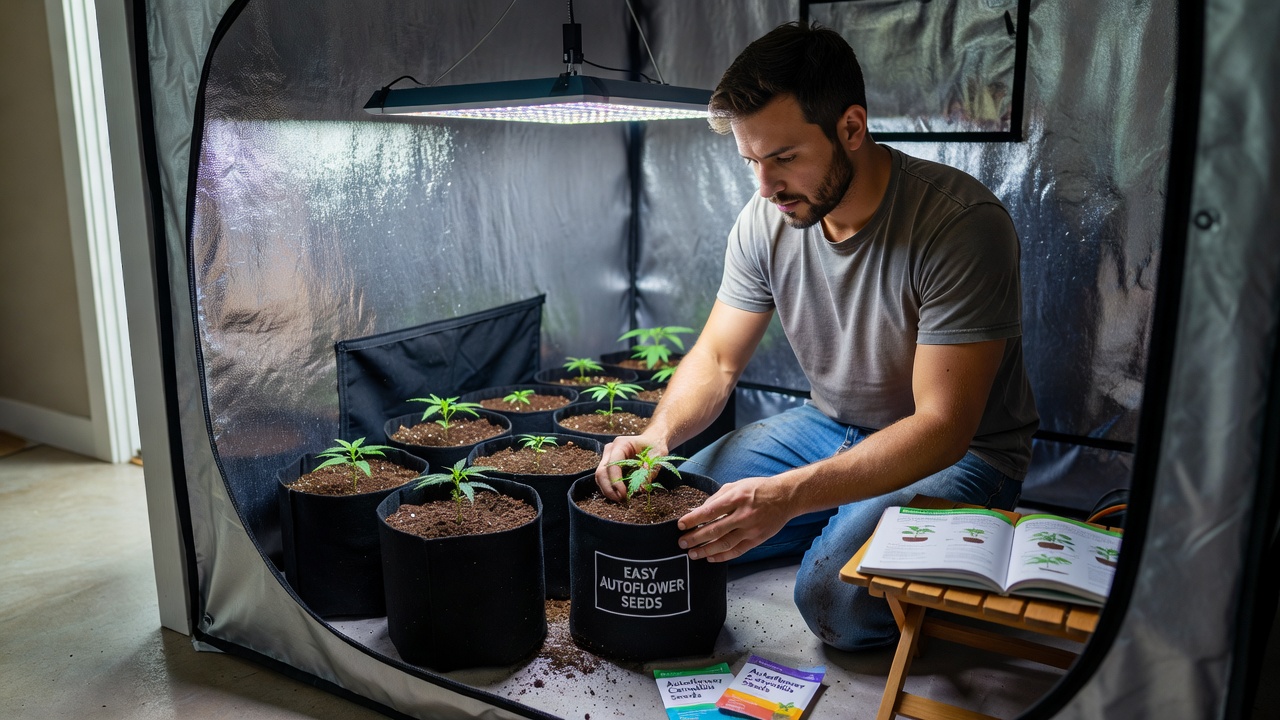
    With basic LED grow lights and a small tent, autoflowers fit perfectly into beginner-friendly indoor spaces.

    Time to Harvest

    Autoflowering varieties typically reach harvest in 8-10 weeks from seed. Photoperiod strains often take 12-16 weeks or longer, including extended vegetative periods that allow for bigger plants but demand more patience and care.

    Yield Potential for First-Time Grows

    While photoperiod plants can produce higher yields under expert care, autoflowers deliver respectable 100-200g per plant in compact setups. Beginners often achieve better overall success rates with autos due to fewer errors in timing and stress management.

    Why Autoflowers Suit Beginners Best

    Autoflowers remove common pitfalls like light leaks or incorrect schedules that can ruin photoperiod crops. Their compact size suits discreet home growing with simple equipment. No advanced knowledge of cloning or training is needed, making them ideal for novices.

    For authoritative cultivation basics, check resources from the World Health Organization.

    2026 Beginner Strain Recommendations

    Top Autoflowering Strains

    Northern Lights Auto and White Widow Auto remain easy winners for 2026, offering fast growth and resilience.

    Easy Photoperiod Options

    Blueberry and Skunk #1 provide forgiving growth for those ready to master light timing later.

    Start with autos to build confidence before advancing.

    Final Tips for Successful 2026 Grows

    Monitor pH, use quality soil, and maintain 40-60% humidity. Track progress weekly for the best results in your home garden.

  • Top Companion Plants for Outdoor Cannabis Growing in 2026

    Top Companion Plants for Outdoor Cannabis Growing in 2026

    Why Companion Planting Matters for Outdoor Cannabis

    Companion planting enhances outdoor cannabis cultivation by creating symbiotic relationships that deter pests, improve soil fertility, and support healthier plants. In 2026, home growers report up to 30% yield increases when pairing cannabis with strategic allies.

    Top Companion Plants and Their Benefits

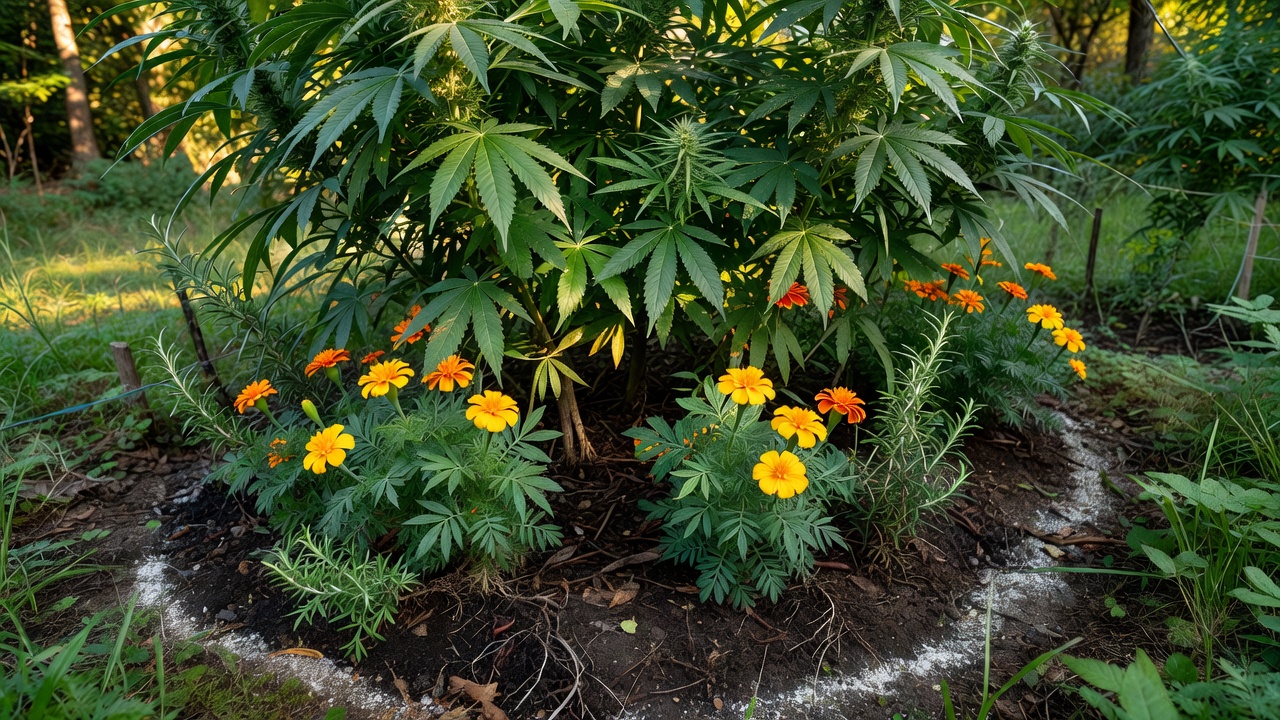
    Marigolds repel nematodes and aphids while attracting beneficial pollinators. Basil deters mosquitoes and spider mites with its strong aroma. Clover fixes nitrogen in the soil, reducing fertilizer needs. Garlic and chives ward off fungal diseases and insects.

    • Marigolds: Pest barrier and pollinator magnet
    • Basil: Aromatic repellent for flying insects
    • White clover: Natural nitrogen booster
    • Yarrow: Improves soil structure and attracts ladybugs

    Step-by-Step Planting Instructions

    1. Prepare soil with compost and test pH levels between 6.0-7.0.
    2. Sow companion seeds 2-3 weeks before cannabis seedlings.
    3. Space marigolds 12 inches from cannabis bases.
    4. Interplant basil and garlic in alternating rows.
    5. Mulch around companions to retain moisture.

    Seasonal Timing for Optimal Results

    Start in early spring after last frost. Plant nitrogen-fixers like clover in March for summer growth. Introduce flowering companions like marigolds in May to align with cannabis vegetative stage.

    Guerrilla Growing Adaptations for Stealth

    Use low-profile plants like clover and yarrow that blend into wild meadows. Avoid tall companions in visible areas. Water companions at dawn to minimize detection. Choose native species to mimic natural surroundings.

    Strain-Specific Pairings

    Sativa-dominant strains pair well with tall marigolds for vertical support and pest control. Indica varieties thrive alongside compact basil and garlic to match bushy growth habits. Hybrid growers in 2026 favor clover for balanced nutrient uptake across phenotypes.

    Real-World Success Stories from 2026 Growers

    California outdoor enthusiast Alex Rivera documented a 25% yield boost using marigold and clover pairings with Blue Dream strains. In Colorado, guerrilla grower Lena Torres reported zero pest issues after interplanting garlic with OG Kush in remote forest plots. These methods are backed by university research from University of Minnesota Extension and sustainable agriculture guidelines at USDA Organic Agriculture.

  • Vertical Hydroponics in Grow Tents: Maximize Cannabis Yields 2026

    Vertical Hydroponics in Grow Tents: Maximize Cannabis Yields 2026

    Why Vertical Hydroponics Excel in Compact Grow Tents

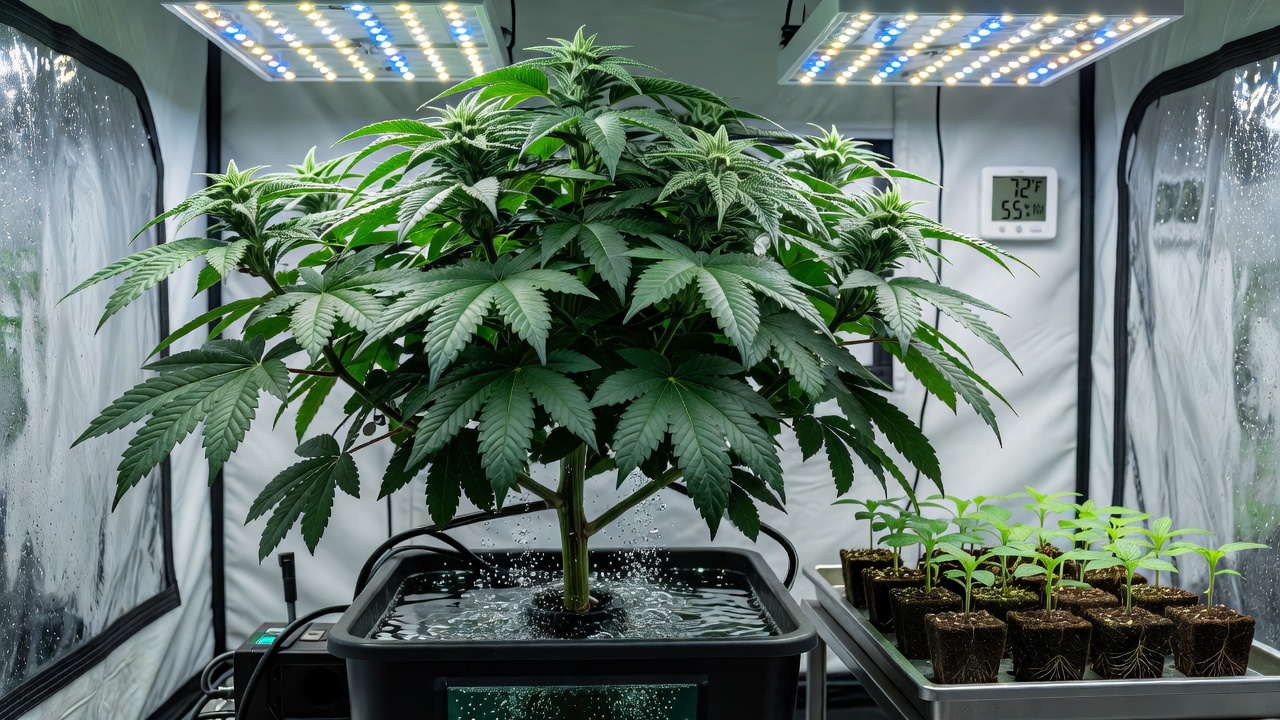
    Vertical hydroponic systems transform limited indoor spaces into high-output cannabis gardens. By stacking growing layers, growers achieve up to three times the yield per square foot compared to traditional horizontal setups. These systems suit small tents perfectly, delivering efficient nutrient delivery directly to roots while reducing water waste.

    Key Advantages for Home Growers

    • Space maximization in tents as small as 2×2 feet
    • Higher yields through multi-level plant stacking
    • Precise control over nutrients and lighting
    • Reduced risk of soil-borne pests and diseases

    In 2026, energy-efficient LEDs pair seamlessly with vertical rigs for lower electricity costs.

    Step-by-Step Guide to Setting Up a Vertical Hydro Rig

    1. Select Your Equipment

    Choose a sturdy vertical tower system or PVC frame designed for hydroponics. Ensure it fits your tent dimensions with at least 12 inches between levels for airflow.

    2. Install Grow Lights

    Position full-spectrum LED bars vertically along the tent walls or use adjustable hanging panels at each tier. Aim for 30-40 watts per square foot, adjusting height as plants grow to maintain 18-24 inches from canopy.

    3. Set Up Nutrient Delivery

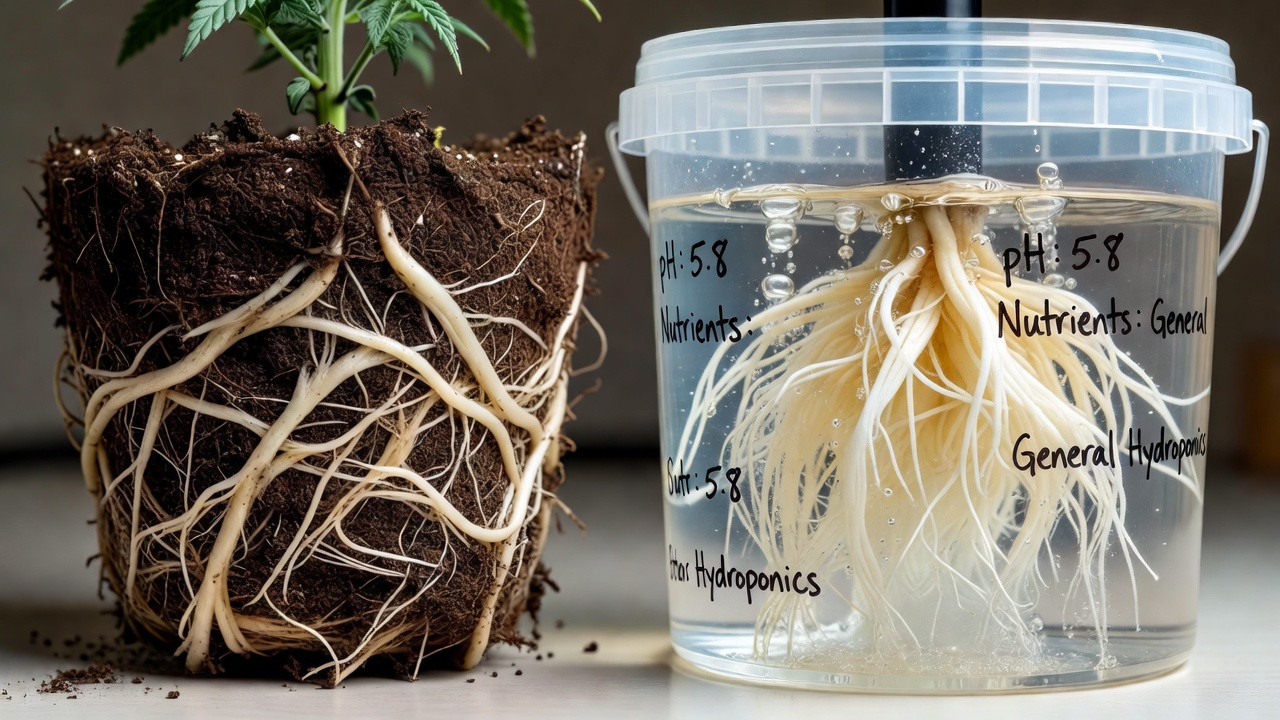
    Connect a reservoir pump to drip emitters or aeroponic misters at each level. Use a pH-balanced nutrient solution (5.5-6.5) with EC around 1.2-1.8 for vegetative growth, increasing during flowering. Monitor daily with digital meters.

    4. Plant and Veg Phase

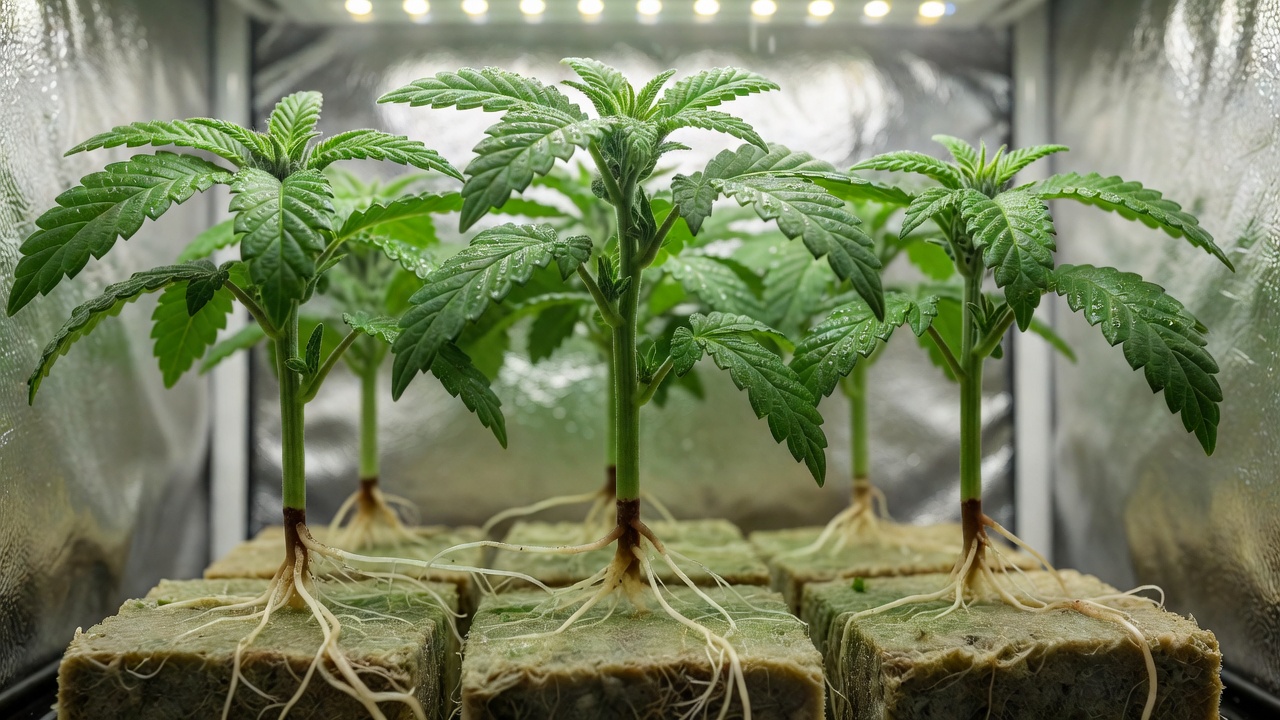
    Start clones or seedlings in net pots with rockwool. Transition to 18/6 light cycle for 3-4 weeks before flipping to 12/12.

    Top Indoor Cannabis Seeds for Vertical Setups

    Compact, fast-flowering strains thrive here. Consider Northern Lights for dense buds and resilience, or White Widow for high yields in tight spaces. Autoflower options like Royal Automatic allow continuous harvests without light schedule changes.

    Optimizing Airflow and Pest Prevention in 2026

    Install inline fans at top and bottom vents for constant circulation. Use oscillating fans between tiers to prevent mold. For pests, integrate sticky traps and beneficial insects like ladybugs early. Maintain 40-60% humidity and temperatures of 70-80°F. Check EPA guidelines for safe organic controls and visit USDA resources for updated cultivation best practices.

    Regular scouting and proper sanitation keep issues at bay, ensuring robust 2026 harvests.

  • Feminized Photoperiod vs Autoflowering Cannabis Seeds: 2026 Guide

    Feminized Photoperiod vs Autoflowering Cannabis Seeds: 2026 Guide

    Understanding Feminized Photoperiod Cannabis Seeds

    Feminized photoperiod seeds produce nearly 100% female plants, eliminating the need to identify and remove males. These strains require precise light cycle management to transition from vegetative growth to flowering, typically shifting from 18 hours of light to 12 hours. This control allows growers to extend the vegetative phase for larger plants and customized results.

    Autoflowering Varieties: Simplicity and Speed

    Autoflowering seeds, often feminized as well, flower automatically based on age rather than light changes. They are ideal for beginners or those seeking quick harvests in as little as 8-10 weeks from seed. However, they offer less flexibility in plant size and yield potential compared to photoperiod strains.

    Key Benefits of Female Plants in Photoperiod Grows

    All-female plants from feminized seeds maximize space and resources by focusing energy on bud production. This leads to higher potency and resin levels when growers optimize conditions during extended vegetative periods.

    Precise Light Cycle Control for Maximum Results

    Photoperiod varieties thrive with tailored schedules. Home growers can veg plants for 4-8 weeks or longer to achieve bigger yields. Consistent 12/12 lighting during flower prevents stress and hermaphroditism risks.

    Higher Yield Potential Through Longer Veg Periods

    • Customize plant height and canopy for your grow space.
    • Build robust root systems for nutrient uptake.
    • Achieve 20-50% higher yields versus autos in optimal setups.

    Selecting the Right Seeds Based on Your Goals

    Choose feminized photoperiod seeds if you have experience, dedicated space, and aim for maximum potency or large harvests. Opt for autoflowering if time, simplicity, or stealth is priority. Beginners may start with autos before advancing to photoperiod control.

    Tips for Successful Photoperiod Cultivation

    1. Maintain strict light schedules with timers to avoid interruptions.
    2. Monitor for light leaks that can delay flowering.
    3. Use quality nutrients during extended veg phases.
    4. Train plants with LST or SCROG for even light distribution.

    For more insights on cannabis cultivation best practices, visit https://www.leafly.com. Research from health authorities is available at https://www.canada.ca.

    Final Thoughts for 2026 Home Growers

    Feminized photoperiod seeds empower enthusiasts with control over potency, yields, and timelines. By understanding the differences from autoflowering options, you can select strains that match your experience level and space constraints for rewarding results.

  • Autoflower Nutrient Schedule: Week-by-Week Feeding Guide

    Autoflower Nutrient Schedule: Week-by-Week Feeding Guide

    Introduction to Autoflower Feeding

    Autoflowers transition quickly from seedling to flower, demanding precise nutrients for top yields. This schedule covers base feeds, boosters and flush timing across soil, coco and hydro systems. Home growers achieve 100-200 g per plant with consistent EC and pH management.

    Core Parameters: pH and EC by Medium

    Soil: pH 6.0-7.0, EC 0.8-1.6 mS/cm. Coco: pH 5.8-6.2, EC 1.0-1.8 mS/cm. Hydro: pH 5.5-6.0, EC 1.2-2.0 mS/cm. Always measure runoff and adjust gradually.

    Organic vs Synthetic Options

    Organic growers use compost teas, worm castings and seaweed for slow-release nitrogen. Synthetic programs rely on two-part NPK formulas for exact control. Both deliver strong results when EC stays in range.

    Week-by-Week Nutrient Schedule

    Weeks 1-2: Seedling Stage

    Start with plain pH-adjusted water. Add light root booster at EC 0.4-0.6. No base nutrients yet. Organic: dilute compost tea. Synthetic: 1/4 strength veg formula.

    Weeks 3-4: Vegetative Growth

    Introduce base veg nutrients: NPK 3-1-2 at EC 1.0-1.4. Add silica and humic acid. Organic: fish emulsion plus mycorrhizae. Maintain pH and watch for dark green leaves.

    Weeks 5-7: Flowering Transition

    Switch to bloom formula NPK 1-3-2. Boost PK at EC 1.4-1.8. Organic: bat guano and bone meal teas. Reduce nitrogen sharply after week 6.

    Weeks 8-10: Late Flower & Ripening

    Lower EC to 1.2-1.5. Add final PK booster and terpene enhancers. Organic: molasses for microbes. Monitor trichomes daily.

    Weeks 11-12: Flush

    Flush with plain pH water for 7-14 days. Soil needs longest flush; hydro shortest. This removes salts and improves taste.

    Troubleshooting Common Deficiencies

    • Nitrogen shortage: yellow lower leaves – raise veg EC slightly.
    • Phosphorus lockout: dark spots – check pH first.
    • Magnesium deficiency: interveinal yellowing – add calmag at 0.3 EC.

    Yield Optimization Tips

    Keep lights 60-80 cm above canopy and temperatures 22-26 °C. Top or LST early for even bud sites. Use quality autoflower seeds from reputable breeders and maintain steady EC to avoid stress. For further reading on soil health visit usda.gov and the EPA pesticide guidelines at epa.gov.

    Track every feed in a journal. Adjust based on plant response rather than rigid charts. Consistent practice with this autoflower nutrient schedule produces dense, resinous harvests every cycle.

  • Top Exotic Cannabis Strains Emerging in 2026 for Growers

    Top Exotic Cannabis Strains Emerging in 2026 for Growers

    Introduction to Emerging Exotic Strains in 2026

    As we dive into 2026, the cannabis cultivation world is buzzing with innovation, particularly in exotic strains that blend rare genetics from around the globe. These emerging varieties aren’t just about high THC; they’re crafted for complex flavor profiles, therapeutic effects, and grower-friendly traits. For home growers and seed buyers, selecting the right exotic strain means balancing adventure with practicality—considering grow difficulty, yield potential, and techniques to enhance terpenes and potency.

    This review explores five standout exotic strains poised to dominate 2026. We’ll cover their unique flavors and effects, THC/CBD ratios, cultivation challenges, expected yields, and tips for sourcing seeds. Whether you’re a seasoned enthusiast or a curious novice, these strains offer exciting opportunities to elevate your grow game. Remember, always check local laws and source from reputable breeders to ensure quality genetics.

    1. Nebula Dragon: A Fiery Hybrid from Asian Heritage

    Nebula Dragon emerges as a hybrid sensation in 2026, fusing ancient Asian landraces with modern American breeding. This strain boasts a THC level averaging 24-28%, with CBD under 1%, making it ideal for recreational users seeking euphoria without heavy sedation.

    Flavors and Effects: Expect a bold profile of spicy dragon fruit and citrus zest, underpinned by earthy undertones. Users report uplifting cerebral highs that transition into creative focus, perfect for daytime adventures or artistic pursuits. Its effects are fast-acting, peaking within 20 minutes and lasting 2-3 hours.

    Grow Difficulty and Yield: Rated moderate for home growers, Nebula Dragon thrives in indoor setups with a flowering time of 8-9 weeks. It responds well to hydroponic systems, yielding 400-500g/m² indoors or 450-600g per plant outdoors in warm climates. Watch for its stretch during veg—use low-stress training (LST) to manage height and boost bud sites.

    To maximize terpenes, maintain temperatures at 22-26°C during flower and introduce gentle CO2 enrichment. For potency, flush plants two weeks before harvest to concentrate cannabinoids. Seed sourcing tip: Look for feminized seeds from breeders like Dutch Passion, available through trusted online banks.

    Strain-Specific Techniques

    • Employ SCROG (Screen of Green) to expose lower branches to light, enhancing resin production.
    • Supplement with molasses in the final weeks to amplify terpene complexity.
    • Harvest when 70% trichomes are cloudy for peak THC without over-ripening.

    For more on hybrid genetics, check out Leafly’s strain database, a go-to resource for verified profiles.

    2. Amazonian Whisper: Sativa-Dominant Exotic from the Rainforest

    Hailing from selective breeding of South American sativas, Amazonian Whisper is 2026’s whisper of tropical mystery. With THC at 22-26% and a subtle 2-3% CBD, it offers balanced effects for those exploring medicinal uses alongside recreation.

    Flavors and Effects: Delicate notes of passionfruit and fresh rain mingle with herbal pine. The high is energizing and introspective, easing anxiety while sparking motivation—great for outdoor activities or mindfulness sessions. Effects build gradually, providing 3-4 hours of clarity.

    Grow Difficulty and Yield: Challenging for beginners due to its tall stature (up to 2m), but rewarding for experienced growers. Flowering takes 10-12 weeks, with yields of 350-450g/m² indoors or 500g+ per plant in equatorial-like conditions. It prefers organic soil and high humidity (50-60%) to mimic its rainforest origins.

    Enhance terpenes by using companion planting with basil to deter pests naturally. For potency, apply a phosphorus-rich bloom booster mid-flower. Seeds are best sourced from preservation-focused banks like The Real Seed Company, ensuring authentic landrace traits.

    Strain-Specific Techniques

    1. Top the plant early in veg to promote bushy growth and multiple colas.
    2. Use reflective mylar walls to maximize light penetration in taller setups.
    3. Monitor pH closely (5.8-6.2) to prevent nutrient lockout in humid environments.

    Outdoor growers in legal regions can reference Australia’s Department of Agriculture for climate-adapted cultivation guidelines, adaptable to sativa strains.

    3. Moroccan Mirage: Indica Exotic with Desert Resilience

    Moroccan Mirage, a 2026 indica standout, revives North African kif genetics with enhanced potency. THC hovers at 20-24%, paired with 4-6% CBD for a relaxing, pain-relieving profile suited to evening use.

    Flavors and Effects: Saffron-spiced hash and sweet fig dominate, evoking Moroccan markets. It delivers deep body relaxation, melting away stress and promoting sleep—ideal for insomniacs or recovery after physical exertion. The couch-lock is mild, allowing subtle mental wanderings.

    Grow Difficulty and Yield: Easy to moderate, this strain is forgiving in arid setups, flowering in 7-8 weeks. Expect 450-550g/m² indoors or 600g per plant outdoors with full sun. Its compact structure (1-1.5m) suits small spaces; drought tolerance makes it low-maintenance.

    To boost terpenes, dry cure buds slowly at 18-21°C with 55-65% humidity. Potency peaks with defoliation during early flower to improve airflow and light exposure. Source auto-flowering versions from breeders like FastBuds for quicker cycles.

    Strain-Specific Techniques

    • Incorporate silica supplements for stronger stems against wind in outdoor grows.
    • Use LED lights to simulate desert sun, enhancing cannabinoid synthesis.
    • Trim fan leaves pre-harvest to concentrate energy on bud development.

    4. Himalayan Haze: Rare Sativa from High Altitudes

    Blending Nepalese and Indian highlands, Himalayan Haze is the 2026 exotic for elevation seekers. THC at 23-27% with trace CBD offers a pure head high without the haze of burnout.

    Flavors and Effects: Incense-like myrrh and lemon grass provide a spiritual aroma. Effects are profoundly uplifting, fostering creativity and spiritual insight—perfect for meditation or philosophical discussions. Duration: 2-4 hours of soaring euphoria.

    Grow Difficulty and Yield: Moderate to high, requiring cool temps (18-24°C) and good ventilation to prevent mold. Flowering: 9-11 weeks, yielding 400g/m² indoors or 550g outdoors in mountainous regions. Its resilience to cold makes it viable for northern growers.

    Maximize terpenes with UV-B light exposure in late flower for elevated myrcene levels. For potency, employ a sea-of-green (SOG) method to increase bud count. Seek rare seeds from heritage preservers like ACE Seeds.

    Strain-Specific Techniques

    1. Ventilate aggressively to mimic high-altitude air flow.
    2. Feed with nitrogen-balanced nutrients during veg for vigorous growth.
    3. Harvest at 60% amber trichomes for a more cerebral effect.

    5. Tahitian Dream: Polynesian Indica Hybrid

    Tahitian Dream captures island vibes in 2026, a hybrid of Pacific indicas with THC 21-25% and 3% CBD for balanced bliss.

    Flavors and Effects: Coconut and tropical mango shine through vanilla cream. It induces dreamy relaxation with gentle giggles, aiding social settings or unwinding. Effects last 2-3 hours, body-focused yet light.

    Grow Difficulty and Yield: Beginner-friendly, flowering in 8 weeks with 500g/m² indoors or 650g outdoors in humid tropics. Bushy growth benefits from pruning.

    Terpene enhancement: Use humic acids in soil for richer profiles. Potency tip: Maintain 12/12 light strictly to avoid reveg. Source from tropical specialists like Green House Seeds.

    Strain-Specific Techniques

    • Prune lower nodes to focus energy upward.
    • Employ drip irrigation for consistent moisture.
    • Cure in glass jars to preserve volatiles.

    Seed Sourcing Tips for Exotic Strains

    Sourcing quality seeds is crucial for success. Prioritize breeders with lab-tested genetics and customer reviews. Online banks like Seedsman or ILGM offer discreet shipping to legal areas. Verify strain authenticity via breeder certificates. For exotics, opt for regular seeds to select phenotypes, or feminized for ease. Budget $10-20 per seed, and store in cool, dark places for viability up to 5 years.

    Always research local regulations; in the US, consult state agriculture departments for compliant growing.

    Conclusion: Elevate Your 2026 Grow with Exotics

    2026’s exotic strains like Nebula Dragon and Amazonian Whisper promise transformative cultivation experiences. By mastering strain-specific techniques, you can unlock unparalleled flavors, effects, and yields. Dive in responsibly, and watch your garden become a haven of innovation.

  • Optimal Temp & Humidity for Cannabis in 2026

    Optimal Temp & Humidity for Cannabis in 2026

    Introduction to Temperature and Humidity in Cannabis Cultivation

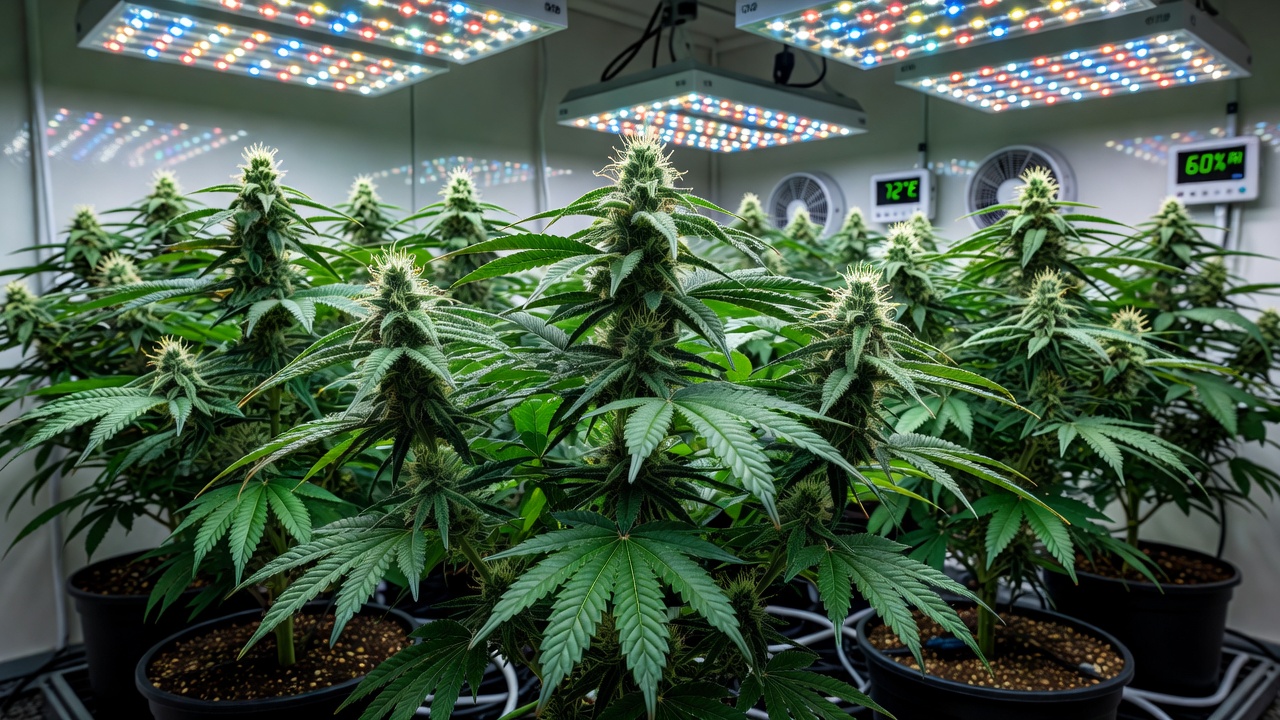
    In 2026, as indoor cannabis growing becomes more accessible for home enthusiasts, mastering environmental controls is key to thriving plants and bumper harvests. Temperature and humidity directly influence photosynthesis, nutrient uptake, and pest resistance. Too hot, and your plants stress; too humid, and mold threatens your crop. This guide breaks down optimal ranges for each growth stage—seedling, vegetative, and flowering—while offering practical, energy-efficient solutions for modern growers.

    Whether you’re a newbie with a small tent or scaling up sustainably, understanding these factors can prevent common pitfalls like stunted growth or bud rot. We’ll cover monitoring essentials, budget-friendly tools, and troubleshooting to keep your setup dialed in.

    Seedling Stage: Gentle Starts for Strong Roots

    The seedling phase, lasting 1-3 weeks, is when your cannabis plants are most vulnerable. They need a warm, humid environment to encourage root development and prevent damping-off disease. Ideal conditions mimic a tropical startup, promoting gentle sprouting without overwhelming the tiny plants.

    Optimal Ranges

    For seedlings, aim for:

    • Temperature: 68-77°F (20-25°C) during lights-on; slightly cooler at 64-68°F (18-20°C) lights-off.
    • Humidity: 70-80% to keep the soil moist and reduce transpiration stress.

    These ranges support rapid cell division and enzyme activity. Deviations can lead to leggy growth or wilting. For quick reference:

    Stage Temp (Lights On) Temp (Lights Off) Humidity
    Seedling 68-77°F 64-68°F 70-80%

    Source: Adapted from horticultural guidelines by the USDA National Institute of Food and Agriculture, emphasizing controlled environments for young plants.

    Vegetative Stage: Building Robust Structure

    During the vegetative phase (3-8 weeks, depending on strain), cannabis focuses on leaf and stem growth. This is your chance to train plants for maximum light exposure. Slightly lower humidity than seedlings prevents fungal issues as foliage thickens, while consistent warmth fuels photosynthesis.

    Optimal Ranges

    Target these for vegging plants:

    • Temperature: 70-85°F (21-29°C) day; 58-70°F (14-21°C) night. Avoid exceeding 85°F to prevent stretching.
    • Humidity: 40-70%, starting higher and tapering as plants mature.

    Maintaining these levels enhances chlorophyll production and prepares plants for flowering. High humidity here can invite powdery mildew, so ventilation is crucial.

    Quick-Reference Chart for Vegetative Stage

    Parameter Ideal Range Why It Matters
    Day Temp 70-85°F Boosts growth without heat stress
    Night Temp 58-70°F Promotes hormone balance
    Humidity 40-70% Prevents excess moisture on leaves

    Flowering Stage: Maximizing Bud Quality

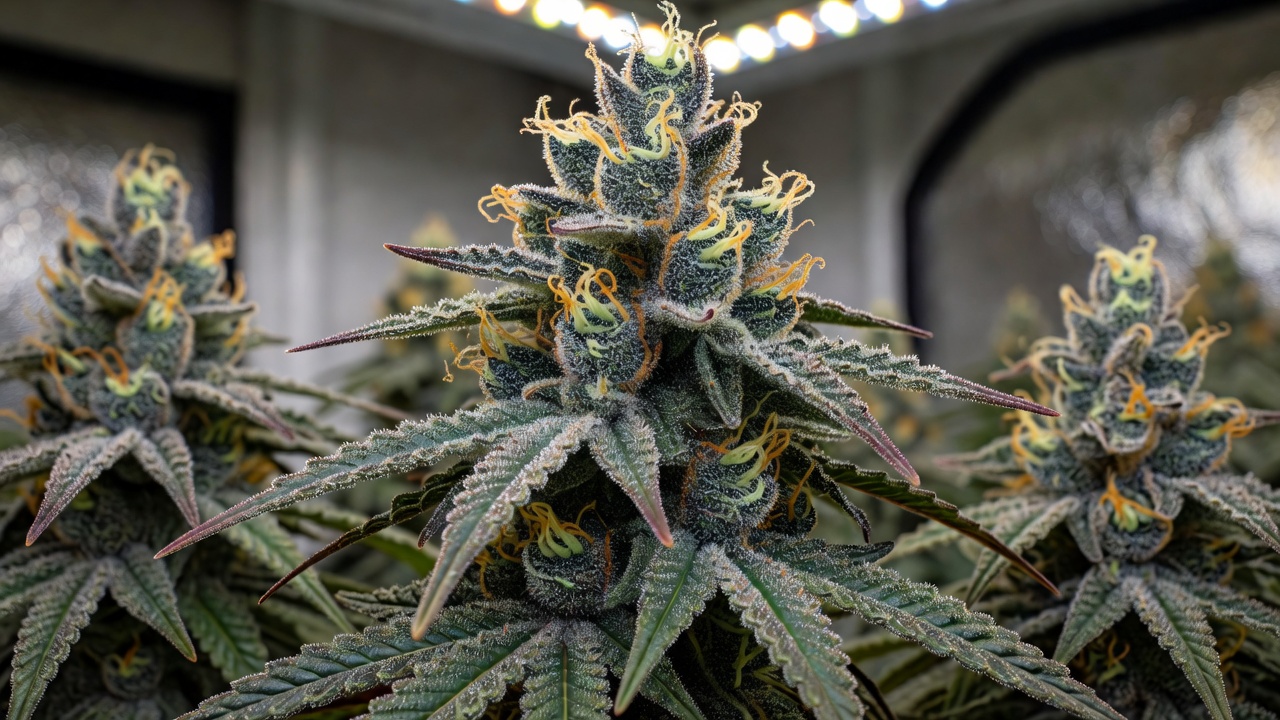
    The flowering stage (8-11 weeks) is where yields shine—or falter. Bud sites swell, and resin production ramps up, but sensitivity to environment peaks. Lower humidity is vital to avoid bud rot (botrytis), while temps should stay moderate to preserve terpenes and cannabinoids.

    Optimal Ranges

    For flowering cannabis:

    • Temperature: 65-80°F (18-26°C) day; 59-67°F (15-19°C) night. Keep below 80°F to avoid foxtailing.
    • Humidity: 40-50% early flower, dropping to 30-40% late to deter mold.

    These conditions optimize resin glands and prevent heat-induced hermaphroditism. As 2026 growers adopt LED lights for efficiency, cooler temps become easier to maintain.

    Full Growth Stage Chart

    Stage Day Temp Night Temp Humidity
    Seedling 68-77°F 64-68°F 70-80%
    Vegetative 70-85°F 58-70°F 40-70%
    Flowering 65-80°F 59-67°F 30-50%

    Monitor VPD (Vapor Pressure Deficit) for precise control—aim for 0.8-1.2 kPa across stages to balance transpiration and CO2 uptake.

    Monitoring Tools for Precise Control

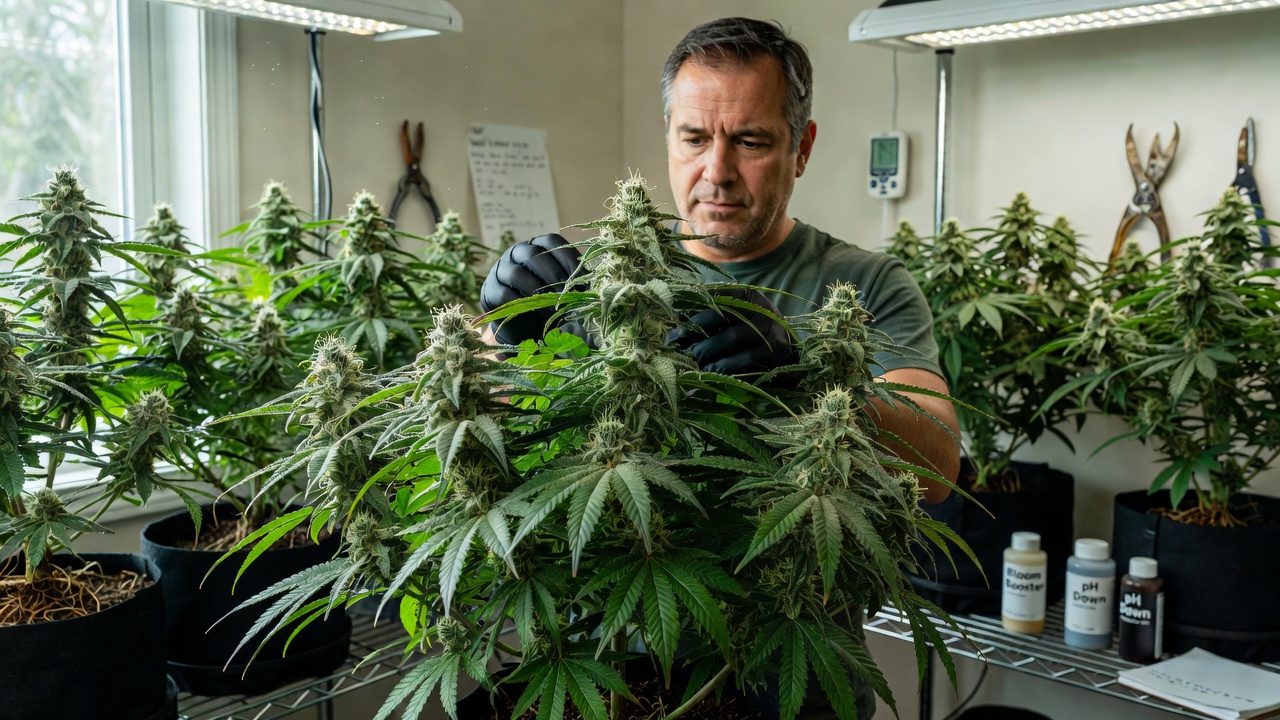
    Accurate tracking is non-negotiable in 2026’s smart grows. Invest in digital hygrometers/thermometers like the Inkbird or Govee models, which offer app integration for real-time alerts. For under $20, these beat analog gauges.

    • Basic Setup: Place sensors at canopy level, away from vents.
    • Advanced: Use data loggers to track trends over days, helping spot subtle shifts before issues arise.

    For energy efficiency, pair with smart plugs to automate lights and fans based on readings.

    Affordable Control Methods for Home Growers

    You don’t need a fortune to regulate your grow space. Focus on passive and low-energy solutions tailored for indoor setups.

    Temperature Management

    1. Fans and Ventilation: Oscillating fans ($15-30) circulate air, preventing hot spots. Exhaust fans with carbon filters maintain negative pressure.
    2. Heating/Cooling: Space heaters or small AC units for extremes, but opt for ceramic heaters to save 20-30% energy over coils.
    3. Insulation: Reflectix foil on tents boosts efficiency, reducing heater runtime.

    Humidity Control

    • Humidifiers: Ultrasonic models like the TaoTronics ($25) add moisture affordably; use distilled water to avoid buildup.
    • Dehumidifiers: Compact Peltier units ($40) for small spaces, drawing less power than compressor types.
    • DIY Tricks: Hang wet towels for humidity boosts or silica gel packs for drying—zero energy cost.

    For 2026 sustainability, integrate solar-powered fans or low-wattage LEDs. Check EPA energy efficiency guidelines for tips on reducing your grow’s carbon footprint by up to 50%.

    Troubleshooting Common Pitfalls

    Even dialed-in grows hit snags. Here’s how to fix them:

    High Humidity Issues

    • Mold/Bud Rot: Increase airflow, lower humidity below 50% in flower. Remove affected parts immediately.
    • Yellowing Leaves: Often excess moisture—let soil dry between waterings.

    Low Humidity Problems

    • Crisp Edges: Boost to 60% with a humidifier; mist leaves sparingly.
    • Slow Growth: In veg, low RH stresses plants—aim for 50-60%.

    Temperature Fluctuations

    • Heat Stress (Wilting): Cool with fans; ensure lights are 18-24″ above canopy.
    • Cold Shock (Purple Stems): Warm gradually; use mats under pots.

    Pro Tip: Log daily readings in a journal or app to predict and prevent recurring issues. Strains like indicas tolerate wider ranges than sativas, so adjust per genetics.

    Energy-Efficient Setups for 2026 Growers

    With rising energy costs, 2026 calls for green innovation. LED grow lights (e.g., Spider Farmer series) run cooler, slashing AC needs by 40%. Pair with timers and occupancy sensors for automated efficiency.

    Consider a microclimate tent with mylar walls to retain conditions, minimizing equipment runtime. For larger ops, CO2 enrichment at optimal temps can yield 20% more, but start small.

    By fine-tuning temp and humidity, you’ll not only maximize yields—up to 1.5g/watt—but also enjoy healthier, potent buds. Experiment safely, and watch your indoor garden flourish.

    Perfect for newbies, autoflower cannabis seeds make managing the vegetative stage easier with their fixed timelines.

    For strains with wider tolerance like indicas, check out feminized cannabis seeds optimized for indoor environments.

  • F1 Hybrid Cannabis Seeds: Unlock Superior Stability and Vigor

    F1 Hybrid Cannabis Seeds: Unlock Superior Stability and Vigor

    What Are F1 Hybrid Cannabis Seeds?

    In the evolving world of cannabis cultivation, F1 hybrid seeds represent a pinnacle of genetic engineering tailored for growers. As of 2026, these seeds are gaining traction among home enthusiasts and professional breeders alike. F1 hybrids are the first-generation offspring from crossing two distinct, purebred parent lines—often called inbred lines or pure strains. This crossbreeding process, rooted in classical plant genetics, produces offspring that inherit a balanced mix of traits from both parents.

    Unlike traditional cannabis seeds, which might result from open pollination or less controlled breeding, F1 hybrids are meticulously developed in controlled environments. Seed banks produce them by selecting parent strains for specific desirable qualities, such as potency, yield, or resistance to pests. The result? Plants that exhibit remarkable uniformity in growth patterns, flowering times, and cannabinoid profiles. For home growers, this means less guesswork and more reliable harvests.

    The Science of Hybrid Vigor in Cannabis

    Hybrid vigor, or heterosis, is the magic behind F1 seeds’ appeal. This phenomenon occurs when the hybrid offspring outperform their parents in key areas like growth rate, yield, and resilience. In cannabis, hybrid vigor manifests as taller plants with denser buds, faster vegetative growth, and enhanced resistance to environmental stresses like heat, drought, or pathogens.

    Why does this happen? At a genetic level, inbreeding in parent lines masks deleterious recessive genes. When crossed, the F1 generation benefits from a broader genetic diversity, leading to improved metabolic efficiency and vigor. Studies on plant hybrids, including cannabis analogs like hemp, show yield increases of up to 30% compared to non-hybrids. For instance, research from agricultural extensions highlights how heterosis boosts photosynthesis and nutrient uptake, translating to bigger, healthier plants.

    For cannabis enthusiasts, this vigor is a game-changer. Imagine starting with seeds that all germinate at the same rate and mature uniformly—no more culling runts from your grow op. This predictability is especially valuable in 2026’s regulated markets, where consistent quality can make or break a home grower’s success.

    Visualizing hybrid vigor: A side-by-side comparison of F1 hybrid plants (left) showing uniform, robust growth versus traditional seeds (right) with varied sizes and health.

    Superior Stability: Why F1 Hybrids Outshine Other Seeds

    Stability is where F1 hybrids truly excel over standard feminized or autoflowering seeds. Traditional seeds can exhibit genetic variability due to polyhybrid backgrounds or unstable breeding lines, leading to inconsistent phenotypes. You might get a plant that’s too stretchy for indoor spaces or one that hermaphrodites under stress.

    F1 hybrids, by contrast, offer genetic homogeneity. Since they’re the direct result of a single controlled cross, all plants from a pack should express the same core traits. This stability extends to cannabinoid and terpene profiles, ensuring your harvest delivers the expected effects—whether that’s a balanced hybrid high or a potent indica relaxation. In terms of pest and disease resistance, F1s often inherit fortified defenses from their parents, reducing the need for chemical interventions in organic grows.

    Compared to IBLs (inbred lines), which can suffer from inbreeding depression (weaker vigor), or polyhybrids (mix of multiple strains, leading to roulette-like results), F1s strike the perfect balance. They’re not as fragile as purebreds but far more predictable than bagseed or mass-market options.

    How to Identify F1 Hybrid Offerings in Seed Bank Catalogs

    Spotting F1 hybrids in 2026’s seed bank catalogs is straightforward once you know the markers. Reputable banks like those affiliated with major genetics providers clearly label them as “F1 Hybrids” or “First-Generation Hybrids.” Look for descriptions emphasizing “uniformity,” “stability,” or “true-breeding potential in the first generation.”

    Key indicators include:

    • Parentage Details: Catalogs will list two specific parent strains, e.g., “Blue Dream x OG Kush F1.” Avoid vague terms like “mixed genetics.”
    • Yield and Growth Specs: Expect claims of high uniformity, such as “95%+ phenotypic consistency” or “synchronized flowering within 7 days.”
    • Breeder Credentials: Seek banks partnered with research institutions or those using marker-assisted selection for verified F1 status.
    • Packaging Notes: F1 packs often highlight “hybrid vigor” and warn that F2 generations (self-crossed F1s) may lose stability—stick to fresh F1s.

    Pro tip: Cross-reference with independent reviews on forums or sites like Leafly, but always verify through the bank’s lab certifications for genetic purity.

    Key Traits to Look for When Buying F1 Hybrid Seeds

    When selecting F1 hybrids, prioritize traits aligned with your goals. For potency seekers, opt for those with stable THC/CBD ratios—aim for parents known for consistent lab-tested profiles. Yield-focused growers should eye hybrids from high-producing lines, targeting 400-600g/m² indoors.

    Essential traits include:

    1. Resilience: Choose F1s with mold-resistant or heat-tolerant parents, ideal for variable climates.
    2. Flowering Time: Uniform 8-10 week cycles prevent staggered harvests.
    3. Structure: Bushy indicas for SCROG or tall sativas for outdoor trellising.
    4. Terpene Stability: Consistent aromas and flavors, like earthy kush notes or citrusy hazes.

    Budget-wise, F1s cost 20-50% more than standard seeds due to R&D, but the ROI in reliable yields justifies it. Always buy from licensed banks to ensure compliance with 2026’s seed import regs.

    Pairing F1 Hybrids for Indoor vs. Outdoor Grows

    F1 hybrids shine in tailored setups. For indoor grows, select compact, fast-finishing F1s like those from indica-dominant crosses. Their stability minimizes light leaks or humidity issues affecting uniformity. Pair with LED lighting for energy efficiency, and expect dense colas perfect for small tents.

    Outdoor enthusiasts should go for sativa-leaning F1s with robust stems and pest resistance. These thrive in natural sunlight, leveraging hybrid vigor for massive yields in summer months. In temperate zones, choose early-flowering hybrids to beat fall frosts.

    Hybrid pairing example: Indoors, try an F1 of Northern Lights x White Widow for mold resistance in humid rooms. Outdoors, a Skunk #1 x Haze F1 offers vigorous growth suited to sunny fields. For mixed ops, versatile F1s like Gelato crosses bridge both environments seamlessly.

    Remember, F1s’ predictability allows precise nutrient schedules—use organic feeds to amplify their vigor without overcomplication.

    Benefits for Breeders and Growers Seeking Predictable Results

    For breeders, F1 hybrids are a foundation for advanced projects. Their stability makes them ideal parents for creating new lines, as you can isolate traits without genetic drift. Home breeders can experiment with F1s to develop custom strains, saving on trial-and-error.

    Growers benefit from reduced risks: Predictable results mean fewer failed crops and optimized space usage. In 2026’s home grow scene, where enthusiasts share harvests online, F1s ensure brag-worthy consistency. Plus, their vigor supports sustainable practices—stronger plants need less water and inputs.

    According to agricultural research, hybrid systems like F1s can increase overall farm efficiency by 25%. For cannabis, this translates to hobbyists yielding pro-level quality without a greenhouse.

    Explore more on plant hybrid vigor through University of Minnesota Extension, a trusted resource for growers.

    Embracing F1 Hybrids for Your Next Grow

    In summary, F1 hybrid cannabis seeds offer unmatched stability and vigor, revolutionizing home cultivation. By identifying them in catalogs and selecting key traits, you can pair them perfectly for indoor or outdoor success. Whether you’re a novice enthusiast or seasoned breeder, these genetics deliver predictable, superior results. Start with a pack today and experience the difference—your plants will thank you with bountiful, uniform harvests.

We use cookies to improve your experience and analyse site traffic. See our Privacy Policy and Cookie Policy for details.