
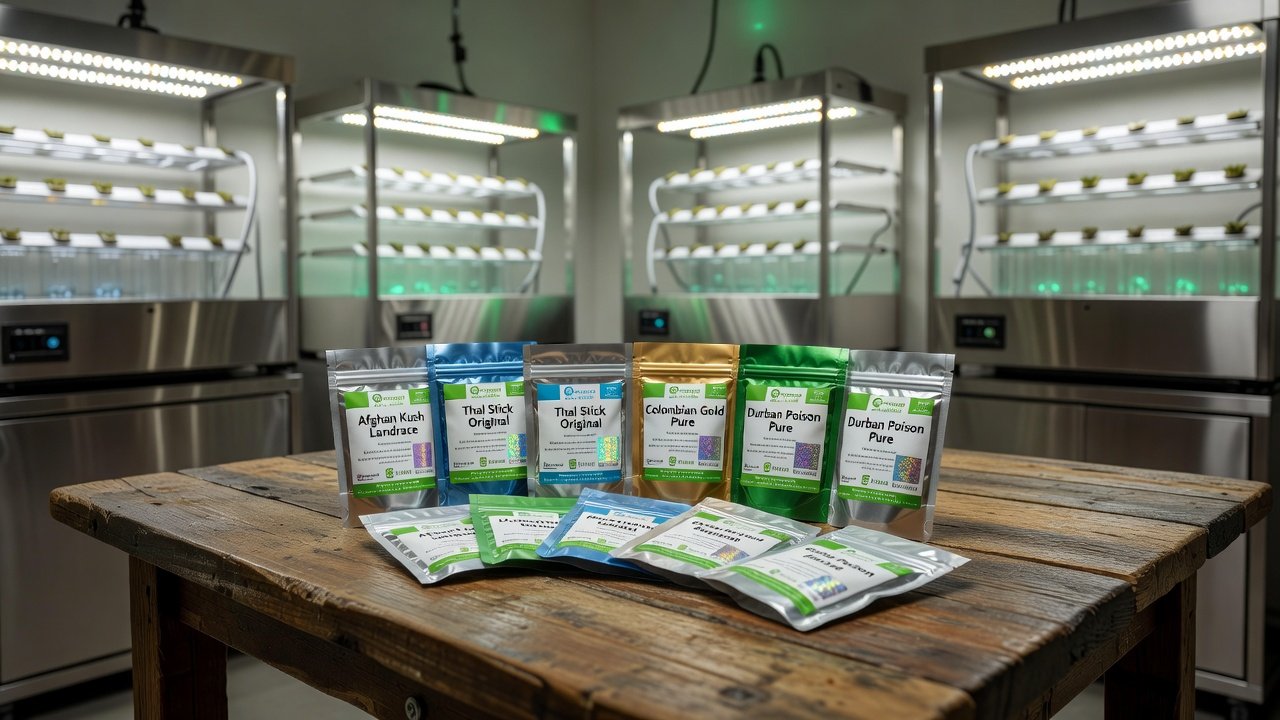
Locating rare cannabis genetics requires careful research and a focus on established seed banks that prioritize authenticity and quality. In 2026, home growers and enthusiasts continue to seek unique landrace varieties and stabilized hybrids that deliver exceptional traits such as specific terpene profiles, disease resistance, and high yields. This guide outlines proven strategies for identifying trusted sources, verifying seed stability, and applying breeding techniques that maintain genetic integrity while supporting biodiversity. Home cultivators often begin by defining their goals clearly, whether pursuing high-CBD landraces for medicinal applications or terpene-rich hybrids for flavor enthusiasts, which helps narrow the search to banks with matching specialties.
Identifying Reputable Seed Banks
Trusted seed banks maintain transparent operations, detailed strain histories, and positive community feedback across multiple platforms. Look for banks that have operated for over a decade and provide lab-tested germination rates above 90 percent. Reputable vendors often partner with independent breeders who document their work through generational tracking, ensuring the genetics you receive match advertised descriptions. For practical guidance, start by visiting the bank’s website and reviewing their about section for evidence of long-term involvement in preservation projects; cross-check this with grower forums where members share multi-year experiences. When evaluating options, note whether the bank lists specific breeders by name and includes photos of parent plants, which adds a layer of accountability absent in newer or anonymous operations.
Examine customer reviews on forums dedicated to cultivation and cross-reference shipping policies, especially for international orders. Banks that offer discreet packaging and germination guarantees demonstrate commitment to customer success. Avoid vendors with frequent complaints about mislabeled seeds or poor viability, as these issues compromise long-term growing projects. A concrete example involves ordering a small test batch first: if germination falls below the advertised threshold, contact support immediately and request replacement stock under the guarantee policy. This stepwise approach minimizes risk before committing to larger acquisitions of rare varieties.
Verifying Authenticity and Stability
Authenticity verification begins with requesting certificates of analysis that confirm cannabinoid and terpene content from independent laboratories. Stable genetics exhibit consistent phenotypic expression across multiple grows, which established banks demonstrate through grow reports and photographic evidence spanning several seasons.
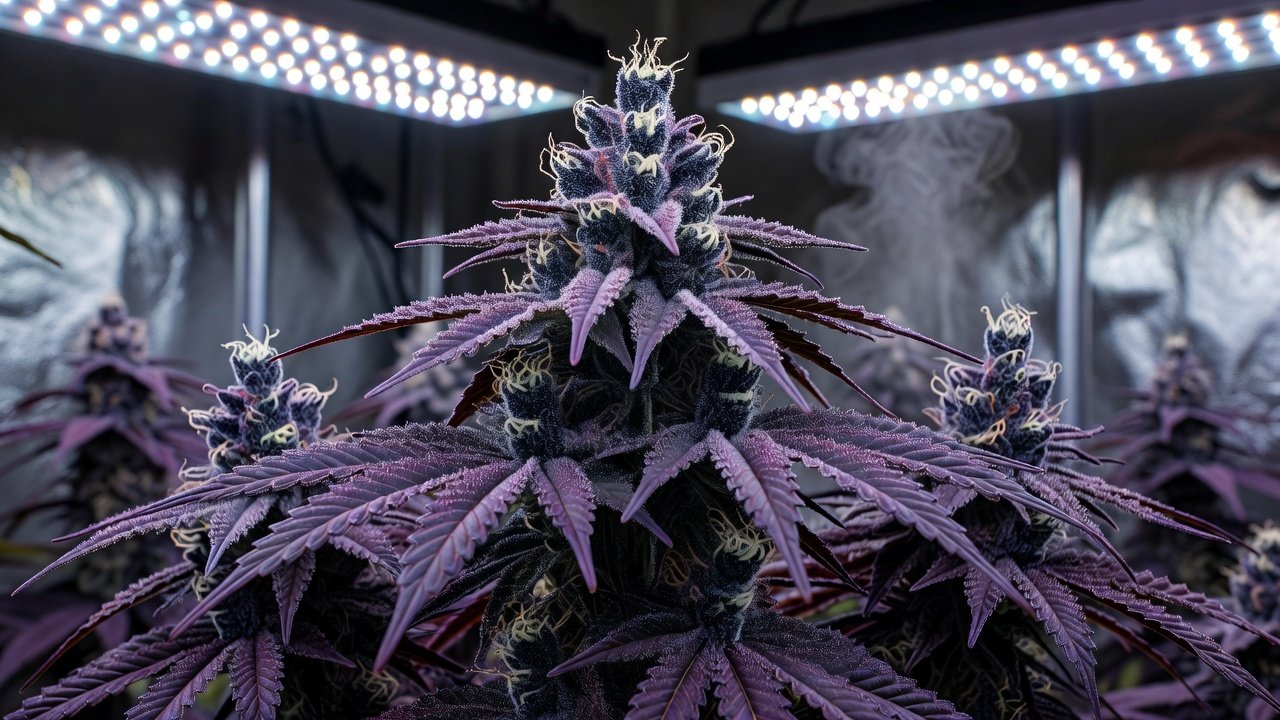
Growers can further verify claims by asking for batch-specific lab results rather than generic strain averages, ensuring the seeds in hand align with expected profiles such as elevated myrcene or limonene levels.
Stability testing involves observing offspring for uniformity in growth patterns, flowering times, and resin production. Home growers can perform simple stability checks by germinating small batches and documenting variations. Banks that provide detailed lineage information, including parent strain origins, allow buyers to predict potential outcomes and avoid unstable crosses that may not breed true. In practice, maintain a spreadsheet tracking plant height at week four, node spacing, and aroma notes during flower; any wide deviations signal potential instability that warrants further testing or return to the source bank for clarification.
Strategies for Sourcing Rare Strains
Focus on seed banks specializing in preservation projects that archive landrace varieties from regions such as Afghanistan, Jamaica, and Southeast Asia. These banks often release limited drops of rare genetics, so monitoring release calendars and joining waitlists increases access opportunities. Networking within grower communities can reveal upcoming drops of high-demand strains before they sell out. Practical steps include setting calendar reminders for quarterly releases and participating in moderated online groups where members post verified stock lists, always confirming authenticity through shared lab reports before trading.
- Subscribe to newsletters from preservation-focused banks for advance notice.
- Attend virtual seed swaps organized by cannabis advocacy groups to exchange verified stock.
- Prioritize banks that collaborate with universities studying cannabis biodiversity.
Target strains with documented demand but limited supply, such as unique CBD-rich landraces or terpene-specific hybrids. Balancing rare acquisitions with more accessible varieties helps maintain a diverse collection that supports future breeding experiments. For instance, pairing a hard-to-find Afghan landrace with a stable commercial hybrid allows beginners to gain experience while preserving the rarer line for later backcrossing projects.
Breeding Tips to Maintain Unique Traits
Successful breeding starts with selecting parent plants that express desired traits most strongly. Isolate male and female specimens early and use controlled pollination techniques to prevent unwanted cross-pollination. Document each generation meticulously, noting flowering times, aroma intensity, and structural characteristics to track trait inheritance. A practical example is labeling every plant with colored tags and photographing key stages; this record becomes invaluable when selecting the strongest male for pollen collection and the most resinous female for seed production.
Backcrossing to original landrace parents helps stabilize rare genetics while preserving their distinctive qualities. Limit the number of generations between outcrosses to avoid genetic drift that dilutes unique profiles. Home growers should maintain detailed grow journals and consider tissue culture methods for long-term preservation of elite clones. When backcrossing, begin with F1 offspring and select only those matching the landrace parent in leaf shape and flowering duration, repeating the process across two or three generations to lock in desired traits without introducing unwanted variability.
Preserving Genetic Diversity
Genetic diversity safeguards against pests, diseases, and environmental stresses that threaten monoculture grows. Acquire seeds from multiple geographic origins and rotate strains seasonally to prevent over-reliance on any single lineage. Support banks that actively conserve heirloom varieties through dedicated preservation programs. Concrete guidance includes maintaining at least four distinct landrace lines in rotation each year, allowing observation of how different origins respond to local climate variations such as humidity fluctuations or temperature swings.
Share verified seeds within trusted grower networks to distribute genetic material responsibly. Avoid over-harvesting wild populations by sourcing exclusively from cultivated, documented stock. This approach ensures future generations of enthusiasts can access the same rare genetics. In community exchanges, always include lineage notes and recent germination test results so recipients can replicate growing conditions successfully and continue the preservation chain.
Best Practices for Purchasing High-Demand Seeds
Time purchases during off-peak seasons when banks restock popular releases. Compare pricing across vendors while factoring in germination guarantees and customer support quality. Always buy from sources that accept cryptocurrency or secure payment methods to protect personal information. Off-peak timing often coincides with post-harvest periods when demand dips, giving growers better selection and sometimes discounted pricing on remaining stock.
- Verify current stock levels directly on bank websites before committing.
- Read strain-specific grow guides provided by the vendor.
- Store seeds in cool, dark conditions immediately upon arrival to maintain viability.
These practices help enthusiasts secure sought-after genetics without compromising on quality or legality in their region. For additional scientific context on cannabis genetic conservation, refer to resources from https://www.ncbi.nlm.nih.gov. Implementing a seed inventory log that records purchase date, source, and storage conditions further supports long-term success by allowing quick identification of aging stock that may need priority germination testing.
Conclusion
Mastering the acquisition of rare cannabis genetics empowers home growers to cultivate distinctive plants while contributing to broader preservation efforts. By partnering with trusted seed banks, verifying stability through rigorous checks, and applying thoughtful breeding methods, enthusiasts can build resilient collections that honor genetic diversity. In 2026 and beyond, these strategies ensure access to high-demand strains without sacrificing authenticity or long-term viability. Consistent application of the outlined techniques transforms casual collecting into a sustainable practice that benefits both individual gardens and the wider cannabis community.
Explore our Triploid Cannabis Seeds for exceptional stability and yields.