
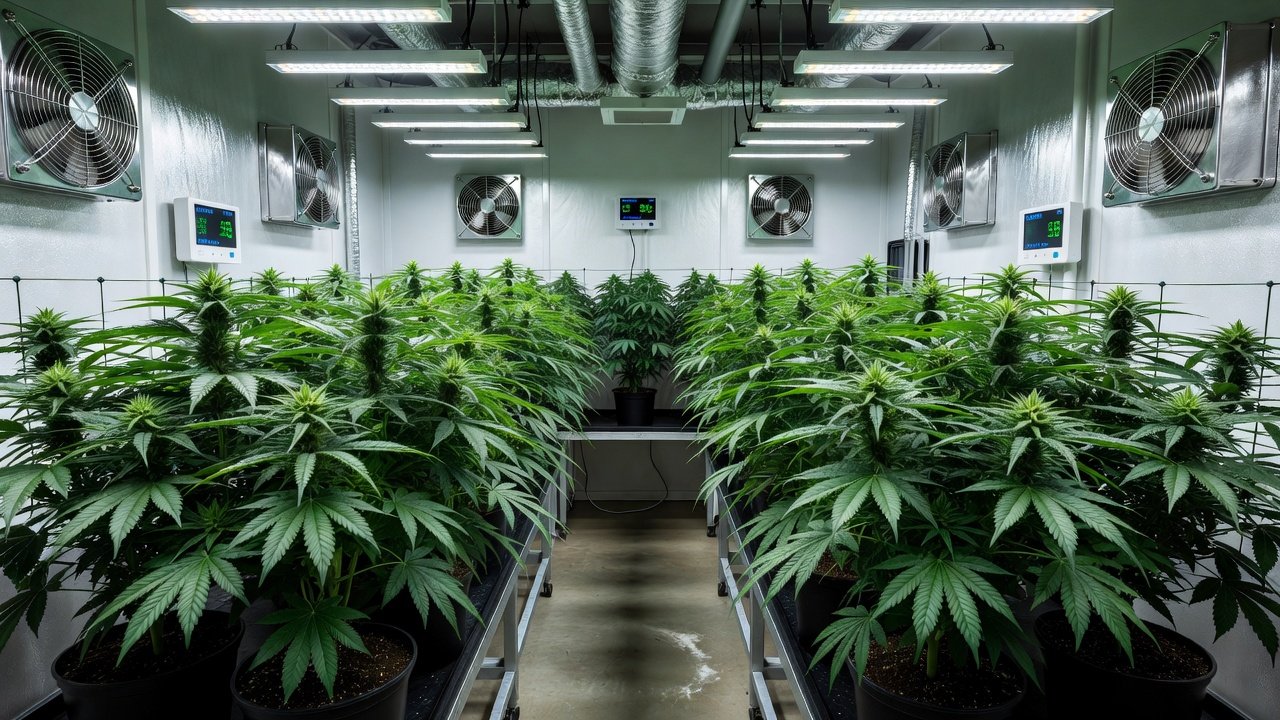
Growing feminized photoperiod cannabis offers home cultivators precise control over plant sex and flowering, making it ideal for maximizing yields whether indoors or outdoors. In 2026, advancements in LED technology and climate monitoring tools allow enthusiasts to optimize results more effectively than ever. This guide examines the key differences between indoor and outdoor setups, focusing on climate control, seed selection, and overcoming common hurdles with photoperiod feminized seeds. By understanding these elements in detail, growers can tailor their approaches for healthier plants and bigger harvests.
Understanding Feminized Photoperiod Strains
Feminized photoperiod seeds produce nearly 100% female plants that flower based on light cycle changes rather than age. Unlike autoflowers, these strains require a shift from 18/6 to 12/12 lighting to trigger blooming, giving growers flexibility in timing harvests. This trait suits both controlled indoor environments and natural outdoor cycles, but demands attention to light pollution and seasonal variations. For instance, even minor light leaks during the dark period can stress plants and lead to unwanted male flowers, reducing overall yield quality.
Selecting high-quality feminized photoperiod genetics ensures robust growth and potent yields. Popular options include strains like Blue Dream or OG Kush feminized varieties bred for resilience. In 2026, breeders emphasize stable genetics resistant to mold and pests, helping home growers achieve consistent results across environments. When choosing seeds, review breeder notes on flowering times and terpene profiles to match your goals, such as selecting a strain with earthy flavors for personal preference or higher THC for medicinal use.
Indoor Growing Setup and Climate Control
Indoor cultivation provides full environmental mastery, essential for photoperiod feminized plants that need exact light schedules. Start with a dedicated grow tent or room equipped with full-spectrum LEDs, oscillating fans, and carbon filters for odor control. Maintain temperatures between 70-80°F during vegetation and slightly cooler during flowering to prevent stress. A practical example involves using a 4×4 foot tent with two 300W LED panels positioned 18-24 inches above the canopy during veg, adjusting height as plants grow to avoid light burn.
Lighting and Ventilation Details
Humidity management is critical: aim for 40-60% RH in veg and drop to 30-50% in flower to reduce mold risks. Use hygrometers and automated systems for precision. Ventilation with intake and exhaust fans ensures fresh CO2 levels, boosting photosynthesis and yields by up to 20% compared to stagnant setups. Install inline fans rated for your tent size and run them on timers synced with lights to maintain steady airflow without drafts directly on leaves.
Space planning matters too. Allow 2-4 square feet per plant for proper airflow and light penetration. Training techniques like LST or SCROG maximize canopy coverage under limited square footage. For LST, gently bend and tie down branches weekly starting in week three of veg, promoting even bud sites that receive uniform light and can increase yields by 15-30% in a compact space.
Nutrient and Monitoring Practices
Track daily readings with digital sensors placed at canopy level. If temperatures spike above 82°F, add an air conditioner or exhaust more aggressively. Beginners often start with soil in fabric pots for better root aeration, watering only when the top inch feels dry to prevent root rot.
Outdoor Cultivation Strategies
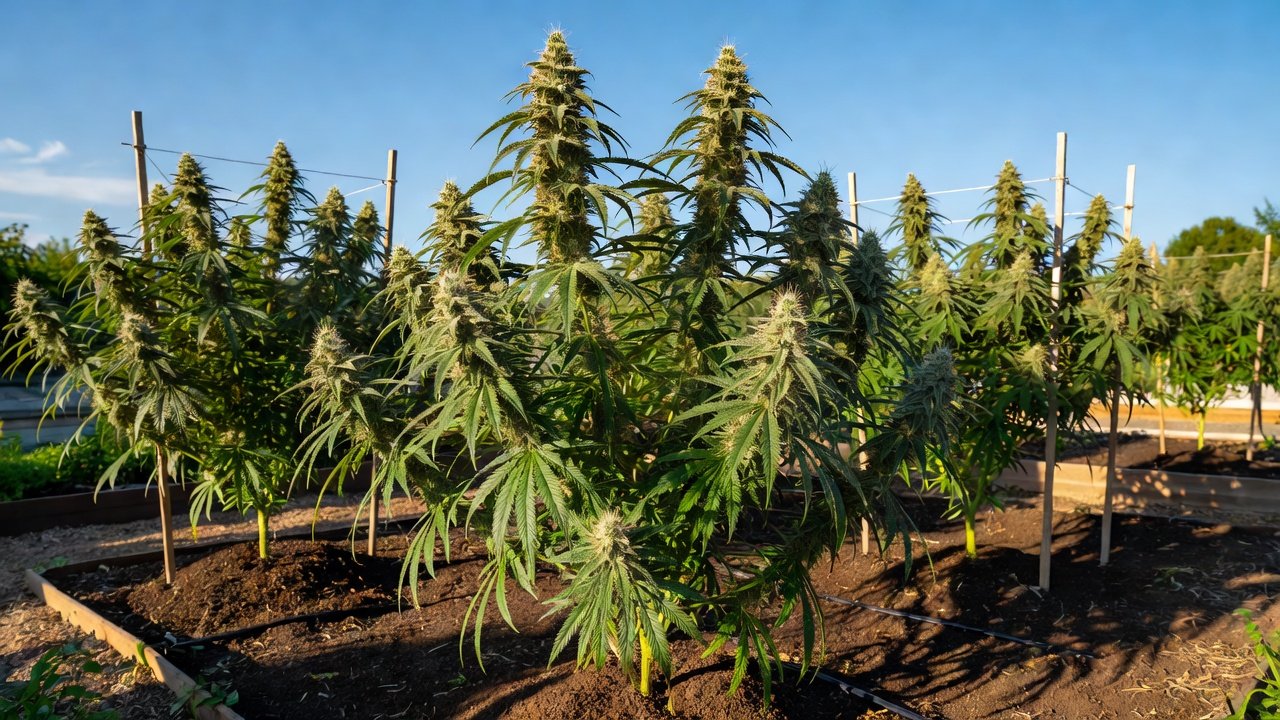
Outdoor growing leverages natural sunlight for cost-effective, high-yield harvests with feminized photoperiod strains. Choose a sunny south-facing spot with at least 8 hours of direct light daily. Soil quality is paramount—amend with organic compost and ensure pH between 6.0-7.0 for optimal nutrient uptake. Test soil with a simple kit before planting and mix in perlite for drainage if clay content is high.
Climate considerations include monitoring local frost dates and using greenhouses or hoop houses for protection against rain or early cold snaps in 2026’s variable weather patterns. Photoperiod plants align well with seasonal light changes, flowering as days shorten in late summer. In regions with unpredictable rain, install raised beds with plastic covers that roll back on sunny days to maintain consistent moisture without excess humidity.
Support structures prevent wind damage, and companion planting with herbs like basil deters pests naturally. Water deeply but infrequently to encourage strong roots, adjusting for rainfall. A real-world example is staking plants at 3 feet tall with bamboo poles and netting to support heavy colas later in flower, reducing breakage during storms.
Seed Selection Strategies for Each Environment
For indoor grows, select compact feminized photoperiod strains with short flowering times of 8-9 weeks to fit limited spaces. Look for indica-dominant hybrids that handle artificial lighting without stretching excessively. Examples include strains known for dense buds that finish quickly, allowing multiple cycles per year in a controlled room.
Outdoor enthusiasts benefit from sativa-leaning or hybrid feminized seeds bred for mold resistance and vigorous growth in varying climates. Check breeder specifications for outdoor suitability and harvest windows matching your region’s first frost. Start seeds indoors 4-6 weeks before the last frost to give seedlings a head start when transplanted outside.
Always source from reputable seed banks offering germination guarantees. Test small batches first to match genetics to your setup, considering factors like THC potency and terpene profiles desired in 2026 harvests. Keep records of each strain’s performance to refine future selections.
Maximizing Yields and Common Challenges
Yield optimization starts with balanced nutrients: nitrogen-heavy in veg, phosphorus-rich in bloom. Monitor pH and EC levels weekly. Indoor growers can supplement with CO2 to push yields higher, while outdoor plants thrive with microbial teas brewed from compost and molasses. Apply teas every two weeks during flower for natural boost without chemical buildup.
Common challenges include light leaks indoors causing hermaphroditism and pests outdoors like spider mites. Combat these with strict dark periods and organic sprays. In 2026, smart sensors help detect issues early, preventing crop loss. For mites, introduce predatory mites as a biological control rather than spraying, preserving beneficial insects.
Overwatering remains a top indoor mistake, while outdoor growers battle theft or legal restrictions. Consistent training and defoliation enhance bud development in both settings. Remove lower fan leaves every 10-14 days to improve airflow and light reach to developing buds.
Practical Tips for Success in 2026
Track progress with journals or apps to refine techniques season after season. Combine indoor cloning with outdoor finishing for hybrid approaches. Stay updated on local regulations and emerging sustainable practices. For example, using recycled rainwater and solar-powered fans reduces costs while supporting eco-friendly growing.
By tailoring setups to feminized photoperiod needs, home growers achieve superior female plant yields. Experiment thoughtfully and prioritize quality genetics for rewarding results year after year. For more on cannabis health considerations, visit nida.nih.gov. Additional regulatory insights are available at cdc.gov/marijuana.