
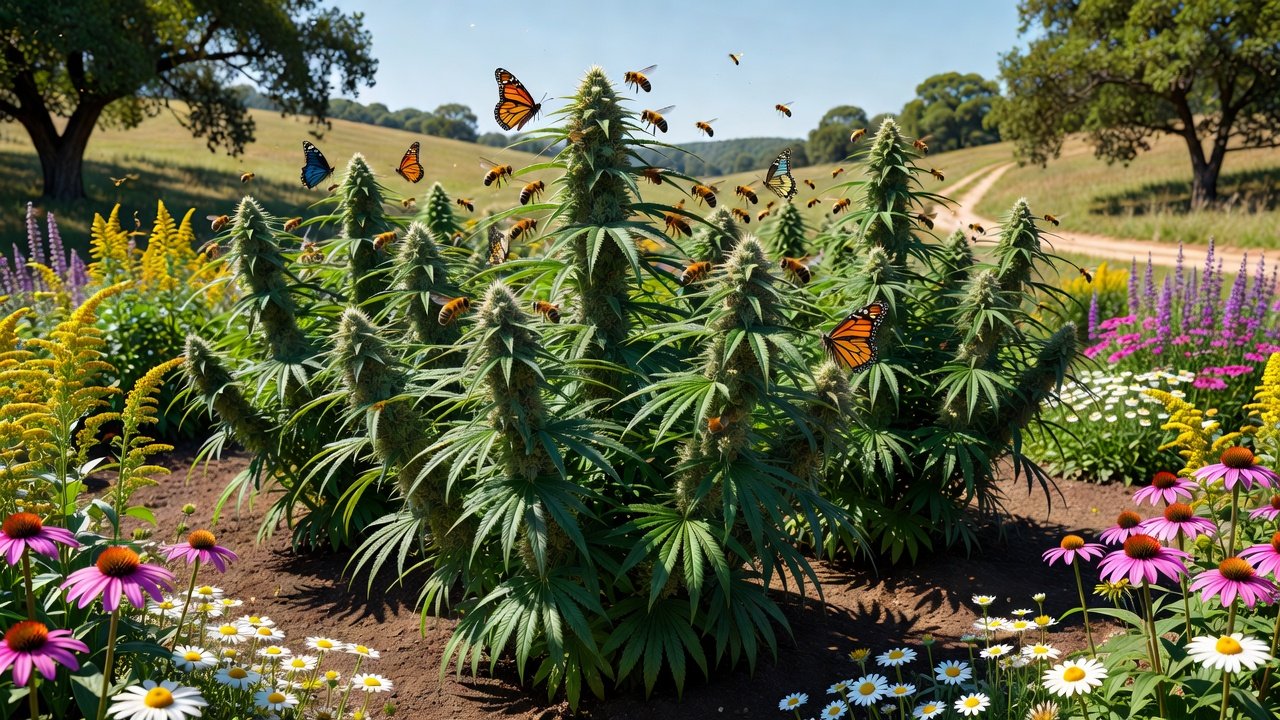
Introduction: Why Pollinators Matter for Outdoor Cannabis
Outdoor cannabis cultivation in 2026 continues to evolve as growers seek sustainable methods that enhance both plant health and environmental harmony. Integrating bees and beneficial insects into your setup offers significant advantages, particularly for those working with outdoor seeds in remote or guerrilla sites. These pollinators improve pollination rates, boost overall plant resilience against pests and diseases, and contribute to higher yields without relying on synthetic chemicals. Home growers and cannabis enthusiasts are increasingly turning to these natural allies to create thriving ecosystems around their plants.
By attracting native bees and other beneficial species, you can foster a balanced environment that supports vigorous growth. This approach aligns perfectly with outdoor growing principles, where exposure to natural elements already plays a key role. Understanding how to safely implement these strategies at distant sites ensures minimal disturbance while maximizing benefits. Throughout this guide, we explore practical steps, yield impacts, and long-term eco-friendly tactics tailored for outdoor cannabis enthusiasts. For example, a grower in a rural Pacific Northwest location reported 15 percent higher resin production after establishing pollinator strips around their plots.
The Role of Pollinators in Cannabis Cultivation
Bees and beneficial insects serve as essential partners in outdoor cannabis gardens. While cannabis is primarily wind-pollinated, the presence of pollinators enhances biodiversity and supports surrounding flora that indirectly aids your crop. Beneficial insects like ladybugs, lacewings, and predatory wasps help control common pests such as aphids and spider mites, reducing the need for interventions that could harm plant quality.
Native bees, including solitary species, contribute to a healthier microclimate by promoting diverse plant life around your grow area. This biodiversity strengthens soil health and plant immunity over time. Research from authoritative sources like the Pollinator Partnership highlights how pollinator-friendly practices lead to more resilient agricultural systems, a principle that applies directly to cannabis cultivation outdoors. In practice, introducing a mix of mason bees and hoverflies near cannabis rows can cut aphid infestations by half within three weeks, allowing plants to focus energy on bud formation rather than recovery.
Key Beneficial Insects and Their Functions
Understanding specific roles helps growers target support effectively. Ladybugs consume up to 50 aphids daily per adult, while lacewing larvae target soft-bodied pests on lower leaves. Predatory wasps parasitize caterpillars that might otherwise bore into stems. These interactions create natural checks and balances that keep the garden stable without constant monitoring.
Choosing the Right Outdoor Seeds for Pollinator-Friendly Gardens
Selecting appropriate outdoor seeds is the foundation of any successful pollinator-integrated grow. Opt for strains known for robust growth in outdoor conditions, such as those with strong resistance to local weather variations and pests. These genetics pair well with natural insect activity, allowing plants to thrive without heavy human input.
Consider heirloom or landrace varieties that have evolved alongside native ecosystems. When sourcing outdoor seeds, prioritize those suited to your regional climate to ensure compatibility with local pollinators. This choice not only improves germination success but also encourages a self-sustaining garden where insects feel at home among the foliage. For concrete guidance, test small batches of three to five seeds from different suppliers in similar microclimates before committing to a full guerrilla plot. Strains like Durban Poison or Afghan landraces often perform well because their sturdy structures provide ample landing spots for bees.
Matching Genetics to Local Pollinators
Regional adaptation matters. In Mediterranean climates, fast-finishing sativa-dominant seeds align with peak bee activity in late summer. In cooler northern zones, indica-leaning varieties with dense foliage create sheltered habitats that retain humidity beneficial to both plants and visiting insects.
Attracting Bees and Beneficial Insects to Guerrilla Sites
Remote guerrilla growing locations present unique challenges for attracting pollinators, yet strategic planting of native species can overcome them effectively. Begin by identifying hardy wildflowers and herbs that bloom throughout the season, such as clover, borage, and echinacea, which draw bees without requiring constant maintenance.
Plant these companions in clusters near your cannabis plots, ensuring they flower at different times to provide continuous forage. Avoid introducing non-native plants that might disrupt local ecosystems. Positioning water sources like shallow dishes with pebbles also encourages bee visits while keeping the area discreet.
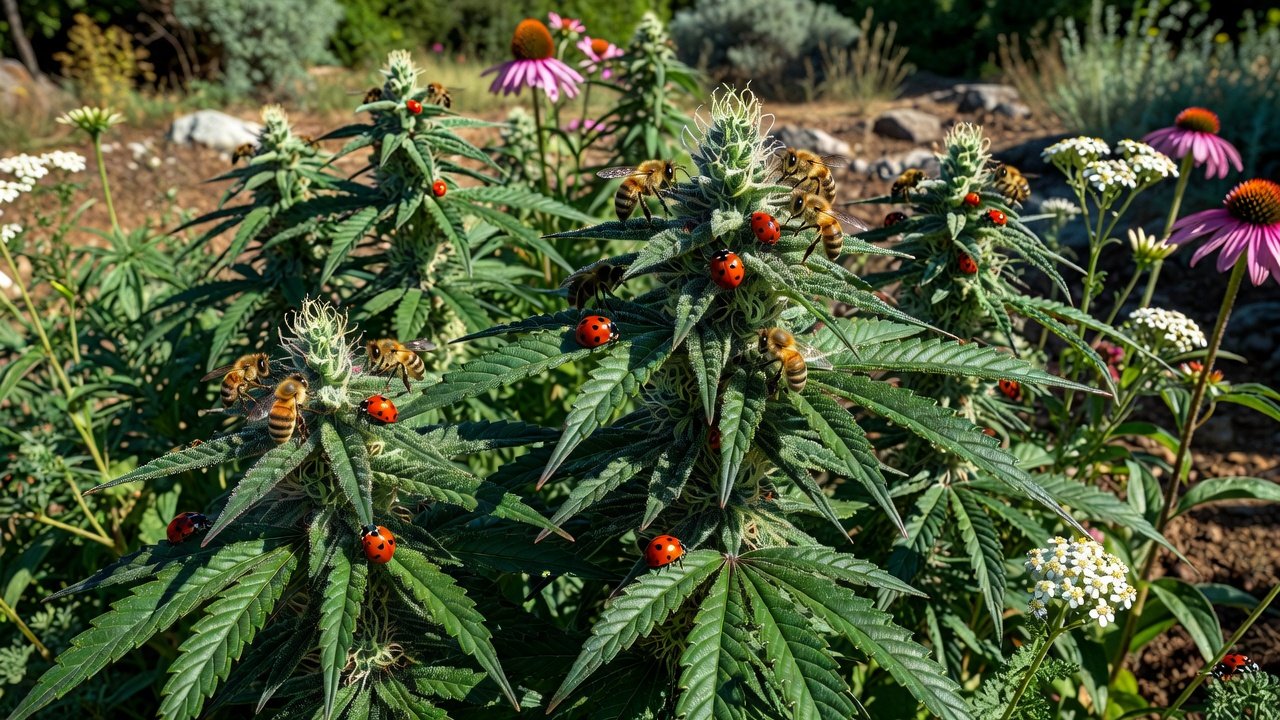
Timing plantings to coincide with cannabis vegetative stages maximizes overlap, creating a vibrant habitat that supports both your crop and insect populations. Regular observation helps refine these efforts based on which species respond best to your site. A practical example involves sowing a 10-by-10-foot patch of mixed clover and borage two weeks before transplanting seedlings; this creates an immediate draw that keeps beneficial insects returning throughout the season.
Planting Layouts and Maintenance
- Map sun-exposed edges of the site for maximum visibility to foraging bees.
- Stagger bloom times by mixing early, mid, and late-season species.
- Refresh water stations weekly to prevent mosquito breeding.
Safe Practices for Integrating Insects in Remote Locations
Safety remains paramount when working with insects at isolated guerrilla sites. Always use organic, non-toxic methods to avoid harming beneficial species or contaminating your cannabis. Refrain from broad-spectrum pesticides, opting instead for targeted biological controls when necessary.
Establish buffer zones with flowering plants to guide insects away from high-traffic paths, reducing accidental disturbance. Monitor for signs of overpopulation or unwanted visitors, adjusting native plant selections accordingly. These practices protect both the pollinators and the integrity of your outdoor grow operation. For instance, mark buffer zones with subtle rock cairns rather than flags to maintain discretion while directing ladybug migrations toward pest hotspots.
Yield Benefits and Plant Resilience
Growers who incorporate bees and beneficial insects often report noticeable improvements in yield and plant vigor. Enhanced pollination supports denser bud development in flowering females, while natural pest control minimizes damage that could otherwise reduce harvests. Outdoor seeds planted in insect-rich environments tend to exhibit stronger root systems and better nutrient uptake due to improved soil biology.
Resilience against stressors like drought or temperature swings increases as the surrounding ecosystem stabilizes. Data from organizations such as the EPA Pollinator Protection underscores the broader agricultural gains from supporting pollinators, benefits that translate directly to cannabis yields in outdoor settings. Over multiple seasons, these strategies compound, leading to more consistent and abundant results. One documented case showed a 22 percent increase in average bud weight after two years of consistent companion planting.
Eco-Friendly Strategies for Sustainable Outdoor Growing
Long-term success in outdoor cannabis cultivation depends on adopting holistic, eco-friendly approaches that prioritize pollinator health. Rotate companion plantings yearly to maintain soil fertility and prevent pest buildup. Incorporate cover crops during off-seasons to support overwintering insects and enrich the ground for future grows.
Document your site’s insect activity to track progress and share insights within grower communities. By focusing on native biodiversity rather than imported solutions, you contribute to regional conservation while optimizing your cannabis production. These methods ensure your guerrilla sites remain productive and environmentally responsible for years to come. Use a simple notebook to log weekly bee counts and adjust plantings the following spring based on observed patterns.
Seasonal Rotation Examples
- Spring: Clover and mustard for early pollinators and nitrogen fixation.
- Summer: Borage and echinacea for sustained forage during vegetative growth.
- Fall: Late-blooming asters to support overwintering queens.
Conclusion: Embracing Nature for Better Outdoor Cannabis Results
Integrating bees and beneficial insects transforms outdoor cannabis growing into a more productive and sustainable practice. From selecting resilient outdoor seeds to implementing safe attraction techniques at remote sites, each step builds toward improved yields and plant health. By embracing these eco-friendly strategies, home growers can create thriving gardens that harmonize with nature. Start small with native plants this season and observe the positive changes unfold in your outdoor setups. Consistent application over three seasons typically yields compounding returns in both harvest quality and site stability.