
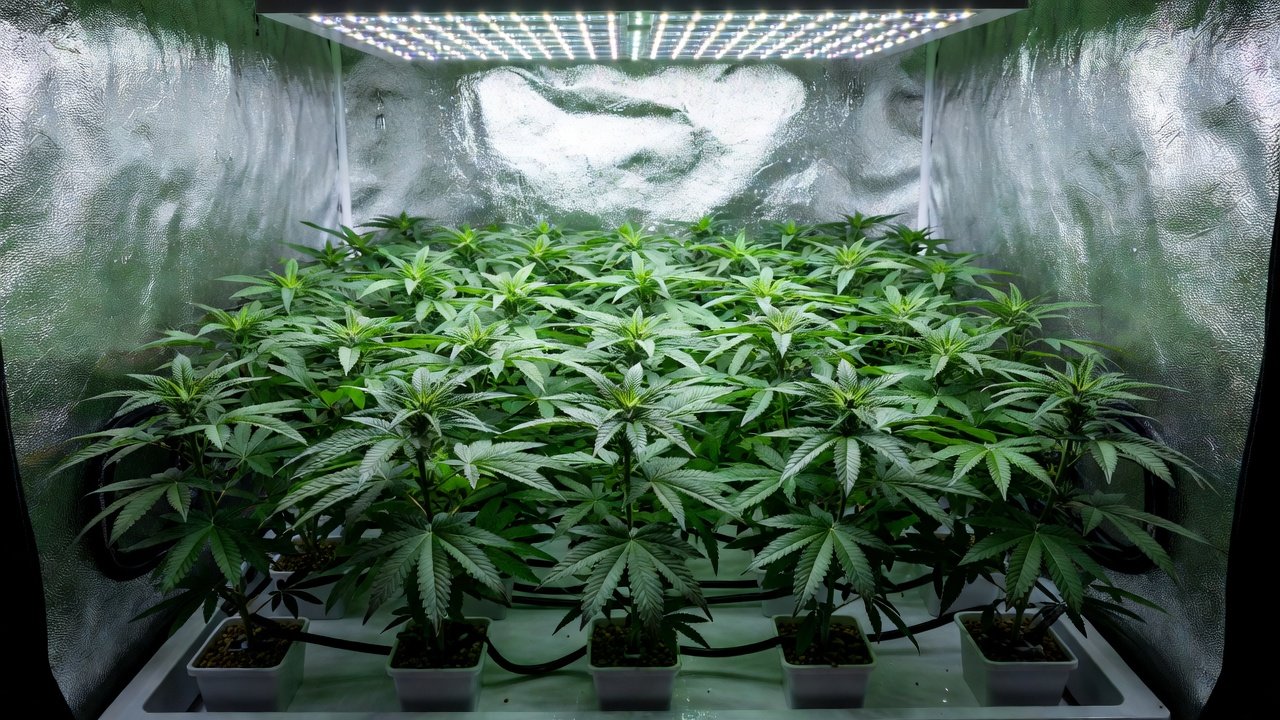
The Sea of Green (SOG) technique has become a favorite among indoor cannabis cultivators seeking efficient, high-yield harvests in limited spaces. By forcing plants into early flowering and growing many smaller specimens close together, SOG maximizes canopy coverage and light utilization. When combined with compact hydroponic systems inside grow tents and precise LED lighting, this approach delivers impressive results for both beginners and intermediate growers in 2026. Many home cultivators report turning small closets or spare rooms into productive micro-farms that produce multiple harvests per year without requiring large investments in equipment or square footage.
Understanding Sea of Green for Hydroponic Indoor Growing
Sea of Green focuses on vegetative growth periods as short as two to three weeks before switching to a 12/12 light cycle. This produces numerous compact plants that flower quickly and uniformly. In hydroponics, roots receive constant nutrient access without soil, accelerating growth and allowing tighter spacing than traditional soil methods. A typical soil-grown plant might need six to eight weeks of vegetation to reach adequate size, but hydroponic SOG cuts that time dramatically because dissolved nutrients reach the root zone instantly and oxygen is supplied continuously through air stones or falling-film designs.
Grow tents provide the perfect controlled environment, maintaining ideal temperature, humidity, and light reflection. Hydroponic setups such as deep water culture or nutrient film technique integrate seamlessly, reducing overall footprint while boosting nutrient uptake efficiency. For example, a 3×3 tent equipped with a 12-site recirculating deep-water-culture system can support twelve plants in three-gallon net pots, each finishing in roughly nine to ten weeks from seed when using indica-dominant genetics. The absence of soil also eliminates pests such as fungus gnats and reduces the risk of root rot when solution temperatures are kept between 65 and 68 °F.
Hydroponic Advantages Over Soil in SOG
Because nutrient delivery is precise, growers can fine-tune electrical conductivity (EC) and pH daily. Beginners often start with an EC of 1.2 during late vegetation and raise it to 1.6–1.8 once flowering begins, while keeping pH locked between 5.8 and 6.2. These small adjustments translate into faster node development and heavier colas compared with soil runs where microbes and buffering can slow uptake.
Selecting Suitable Indoor Cannabis Seeds
Choosing the right genetics is critical for SOG success. Opt for indica-dominant or hybrid strains that stay short and bushy, responding well to early flowering induction. Autoflowering varieties also perform excellently in compact tents because they transition to bloom automatically, removing the need for light-cycle changes and allowing even tighter scheduling.
- Look for strains labeled as compact or low-stretch to avoid overgrowth in limited vertical space; examples include strains with “dwarf” or “short” in their description that rarely exceed 24 inches at harvest.
- Feminized seeds ensure nearly all plants are productive females, maximizing tent utilization and eliminating the need to cull males mid-cycle.
- Popular choices include Northern Lights, White Widow, and certain Skunk hybrids bred for indoor hydroponics; these varieties typically finish in eight to nine weeks of flower and produce dense, resinous buds that respond well to close spacing.
Reputable seed banks provide detailed grow information, helping match genetics to your specific tent size and light setup. Always purchase from vendors that publish germination rates above 90 percent and offer strain-specific feeding schedules.
Designing Compact Hydroponic Systems in Grow Tents
A standard 2×2 or 3×3 grow tent works well for SOG hydroponics. Install a recirculating deep water culture system or ebb-and-flow table to support 9–16 plants depending on container size. Ensure proper aeration with air stones and maintain nutrient solution pH between 5.5 and 6.5. In a 3×3 tent, many growers fit sixteen 3-gallon buckets on a 4×4 flood table, using a 400-gallon-per-hour pump and ½-inch tubing to deliver fresh solution every two hours during lights-on periods.
Reflective mylar lining inside the tent amplifies light efficiency. Pair the system with a small inline fan and carbon filter for odor control and fresh air exchange. This compact configuration keeps everything manageable for home growers. A 4-inch inline fan running at 200 cubic feet per minute, paired with a 6×12-inch carbon filter, provides adequate negative pressure while keeping noise below 40 decibels—important for apartment growers.
Plant Spacing Strategies for Optimal Canopy
Effective spacing prevents overcrowding while creating a uniform “sea” of colas. Place plants 6–10 inches apart in a grid pattern so each receives equal light. Use net trellising early to support branches and maintain flat canopies. In practice, a 3×3 tent might hold twelve plants arranged in four rows of three, with each plant centered under a 3×3-foot LED panel. Netting installed at 10 inches above the pots guides branches outward, creating an even surface that captures 95 percent of available photons.
Beginners should start with fewer plants and refine spacing in subsequent grows. Intermediate cultivators can experiment with staggered planting dates to create continuous harvest cycles within the same tent. For instance, planting six new clones every two weeks allows a perpetual harvest of six mature plants every 60 days while keeping the tent fully occupied.
Light Cycle Adjustments and Targeted Grow Lights
Switch to a 12-hour light / 12-hour dark cycle once plants reach 8–12 inches tall. Full-spectrum LED grow lights positioned 12–18 inches above the canopy provide intense yet efficient illumination without excessive heat.
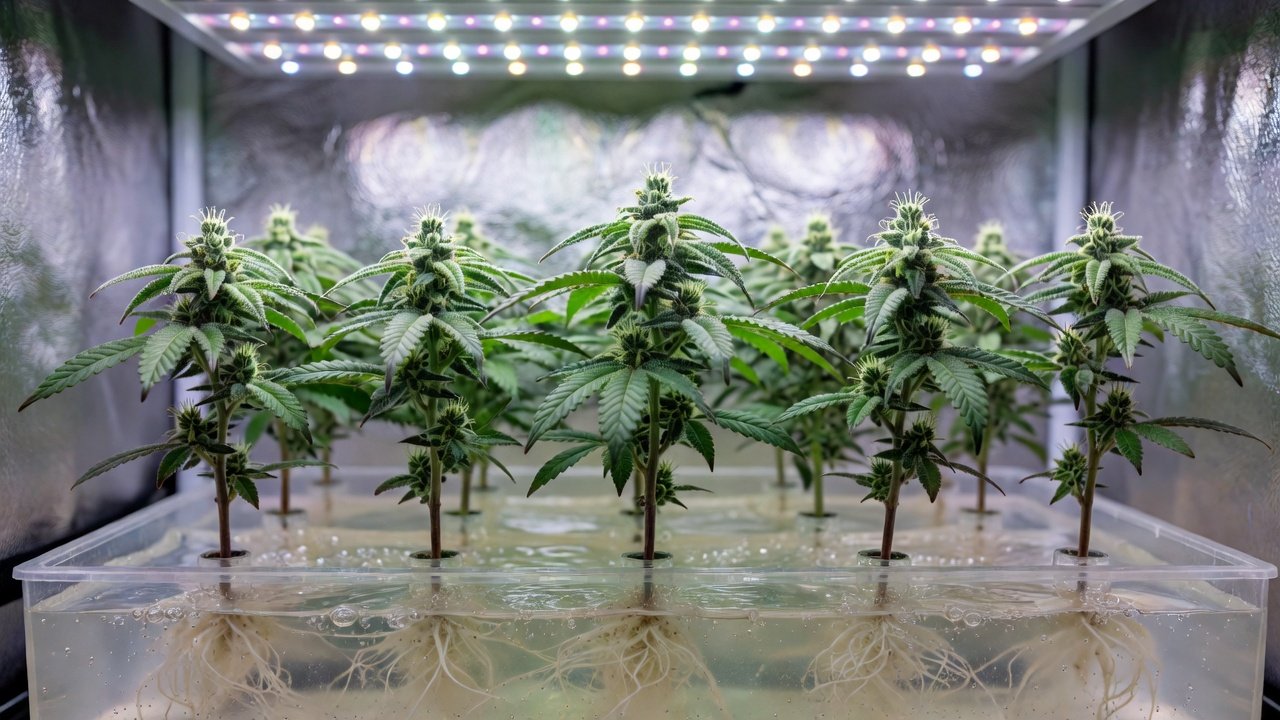
Adjust light intensity gradually during the transition to flowering. Many modern LEDs offer dimming and spectrum tuning, allowing growers to emphasize red wavelengths that promote bud development. Maintain 18–24 hours of light during the brief vegetative phase to encourage rapid node development. A common schedule is 20 hours on / 4 hours off for the first three weeks, then an abrupt shift to 12/12; this change triggers uniform flowering within five to seven days across all plants.
Yield-Maximizing Tips for Beginners and Intermediate Growers
Monitor environmental parameters daily: daytime temperatures of 72–78°F and nighttime drops of 5–10 degrees support robust flowering. Keep relative humidity at 40–50% during bloom to reduce mold risk. Use a digital hygrometer placed at canopy height and log readings twice daily; if humidity spikes above 55 percent, increase exhaust fan speed or add a small dehumidifier rated for 30 pints per day.
Implement low-stress training and light defoliation to improve airflow and light penetration. Remove fan leaves that block lower bud sites at week three of flower, and again at week five if needed. Regular nutrient strength checks and timely reservoir changes prevent deficiencies common in hydroponic SOG grows. Change the entire reservoir every seven to ten days, rinsing roots with pH-balanced water between changes to avoid salt buildup.
Harvest when trichomes reach peak milky-white coloration for maximum potency and yield. Proper drying and curing in a controlled space preserves terpenes and quality. Hang branches in a dark room at 60–65 °F and 50 percent humidity for seven to ten days, then jar the buds with a hygrometer and burp daily until moisture stabilizes at 58–62 percent.
Additional resources on plant health and best practices are available from USDA farming guidelines and university extension services. Local agricultural offices often provide free water-testing kits that help dial in source-water quality before mixing nutrients.
Conclusion
Implementing Sea of Green in compact hydroponic grow tents offers home cultivators an efficient path to consistent, high-quality cannabis harvests. By focusing on suitable seeds, precise spacing, and optimized lighting cycles, growers at any experience level can achieve impressive yields within limited indoor spaces. Consistent monitoring and small iterative improvements will refine results over successive grows, turning compact setups into reliable production systems. Many growers document their first successful SOG run at 1.5–2 ounces per square foot, then push past 2.5 ounces with refined environmental control and genetics selection in later cycles.