
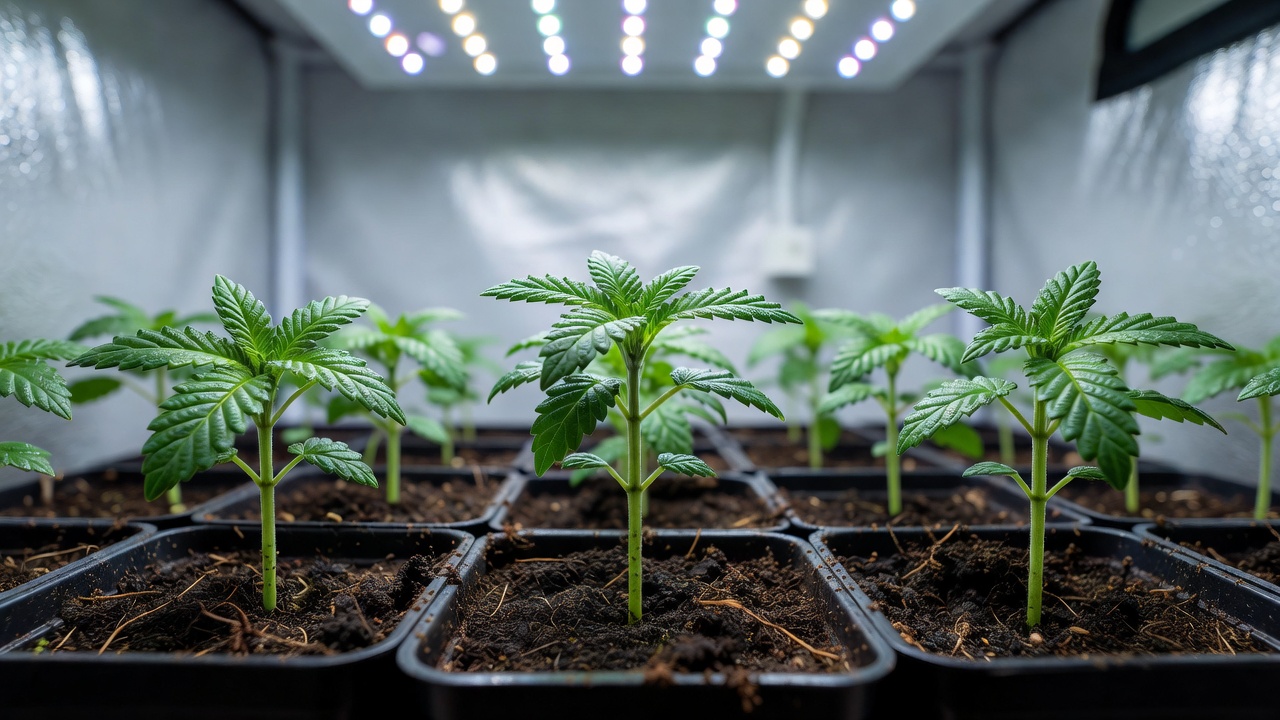
Starting cannabis plants from seed is an exciting yet delicate phase that determines the success of your entire grow. Many home cultivators encounter setbacks in the first weeks due to avoidable mistakes that stunt growth or kill seedlings outright. In 2026, with improved home growing equipment widely available, understanding these pitfalls helps optimize early stages for higher yields and healthier plants. This guide covers frequent errors like improper watering and incorrect light placement, offering practical solutions tailored for beginners and enthusiasts alike. The initial period sets the foundation for vigorous vegetative growth and abundant flowering later, so investing time in mastering these basics pays dividends through stronger plants that resist stress better and produce denser buds at harvest.
Overwatering and Underwatering Seedlings
New growers often drown young cannabis roots by applying too much water too frequently. Seedlings have tiny root systems that cannot handle constant moisture, leading to oxygen deprivation and root rot. Conversely, allowing the medium to dry out completely stresses plants and halts development. The key is to maintain consistent but moderate moisture levels in the top inch of soil. Overwatering is especially common when enthusiasts follow rigid schedules instead of observing plant needs, while underwatering often occurs in low-humidity indoor setups where evaporation happens faster than expected.
Check soil moisture by inserting a finger up to the first knuckle. Water only when the surface feels dry, using room-temperature water to avoid shocking roots. Employ well-draining pots with multiple drainage holes and a light soil mix containing perlite. This approach prevents common issues while supporting robust early root expansion. For example, in a typical 1-gallon fabric pot with a 50/50 soil-perlite blend, a seedling might need just 50-100 ml of water every two to three days initially. Practical growers often lift pots to gauge weight as an additional check, learning that a light pot signals the right time to irrigate without guesswork.
Monitoring Techniques for Balanced Moisture
Track conditions with a simple moisture meter probe for precision, especially in larger grows. Adjust frequency based on environmental factors such as fan speed or ambient temperature, ensuring roots receive oxygen between waterings. This balanced method encourages deep root growth that supports taller, more productive plants throughout the cycle.
Improper Light Distance and Intensity
Placing grow lights too close burns delicate seedling leaves, while positioning them too far causes stretching and weak stems. LED or fluorescent lights require specific heights based on wattage and plant response. Monitoring daily prevents these light-related setbacks that compromise photosynthesis and overall vigor. Beginners frequently misjudge distances with powerful LEDs, leading to heat stress visible as upward leaf curling within hours.
Start lights 24 to 36 inches above seedlings for most LED setups, adjusting downward gradually as plants mature. Use a lux meter app to ensure adequate intensity without excess heat. Rotate plants regularly for even exposure.
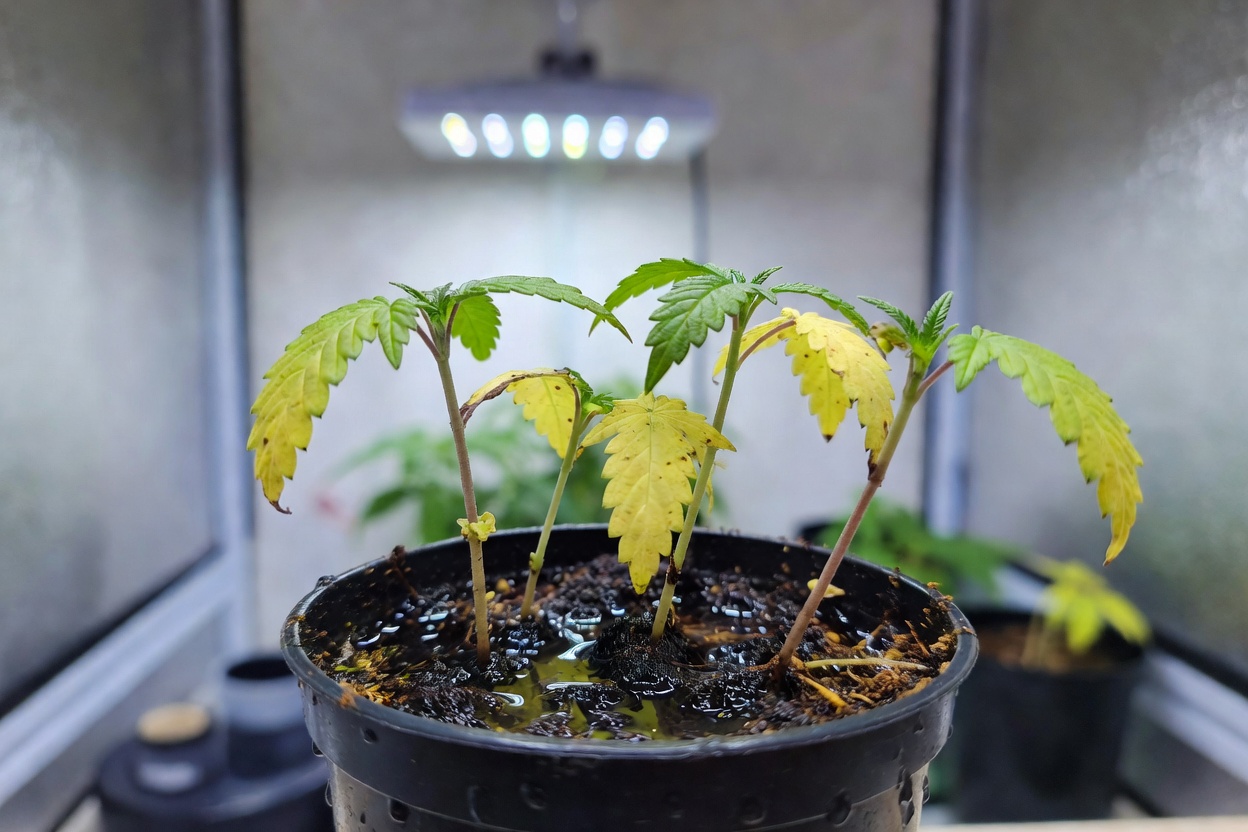
Incorporate timers for 18 hours of light daily during the vegetative phase to mimic optimal natural conditions. In practice, a 100-watt LED panel might start at 30 inches and move to 24 inches once the first true leaves appear, with daily checks preventing both burn and legginess.
Practical Light Adjustment Examples
Observe leaf angles and stem thickness each morning. If stems elongate noticeably, lower lights by a few inches incrementally while monitoring for any signs of stress. This responsive approach yields compact, bushy seedlings ready for training techniques later.
Seed Germination Errors
Many beginners fail at the germination stage by using incorrect methods or poor-quality seeds. Soaking seeds too long or exposing them to extreme temperatures reduces viability rates significantly. Proper technique ensures high germination success before transplanting. Temperature swings or contaminated water sources are frequent culprits that lower success rates below 70 percent even with viable genetics.
Use the paper towel method in a dark, warm environment around 70-80°F. Check seeds every 12 hours and plant immediately once taproots appear. Source reputable seeds from trusted suppliers to avoid genetic weaknesses. Avoid direct sunlight on germinating seeds to prevent drying out. For instance, place seeds between moist paper towels inside a sealed container on a seedling heat mat set to 75°F, achieving sprout rates above 90 percent within 48 hours when humidity stays consistent.
Soil and Nutrient Missteps
Using heavy garden soil or overfeeding nutrients early damages sensitive seedlings. Cannabis requires light, airy mediums with minimal amendments at this stage. Excess nitrogen causes tip burn, while poor drainage leads to fungal problems. Commercial potting mixes often contain slow-release fertilizers that overwhelm young roots unaccustomed to concentrated minerals.
Choose seed-starting mixes or coco coir blends designed for cannabis. Delay nutrients until the plant shows its third set of true leaves, then apply diluted solutions at quarter strength. Test pH levels between 6.0 and 7.0 for soil grows to optimize uptake. A concrete example involves transplanting into a pre-mixed seedling soil with 20 percent perlite, waiting 10-14 days before introducing a mild 4-4-4 organic fertilizer at one-quarter label rate, which promotes steady green growth without burning leaf margins.
Step-by-Step Soil Preparation
- Fill pots with fresh medium and lightly moisten before planting.
- Ensure pH-adjusted water is used from the first irrigation.
- Monitor runoff pH weekly to catch imbalances early.
Temperature and Humidity Management
Fluctuating temperatures or incorrect humidity levels stress young plants, slowing growth and inviting disease. Seedlings thrive in stable environments that replicate spring conditions. Inconsistent climates are a top reason for early failures among new cultivators. Sudden drops from open windows or overheating from nearby equipment can halt photosynthesis within a single day.
Maintain daytime temps at 70-80°F and nighttime drops no lower than 60°F. Keep humidity at 60-70% using a hygrometer and humidifier if needed. Provide gentle air circulation without direct drafts to strengthen stems while reducing mold risks. Growers in dry climates often add a small ultrasonic humidifier controlled by a digital hygrometer to hold levels steady, resulting in faster leaf development and fewer disease outbreaks.
Pest and Disease Prevention Strategies
Introducing contaminants through unsterilized tools or media invites spider mites and damping-off fungi right from the start. Prevention beats treatment in these vulnerable weeks. Integrated practices protect your investment effectively. Daily inspections combined with clean-room habits dramatically reduce the chance of infestations that can wipe out an entire tray of seedlings.
Sterilize all equipment and use fresh, pasteurized soil. Inspect seedlings daily for discoloration or webbing. Introduce beneficial microbes early and avoid overwatering to deter pathogens. For more on safe cultivation practices, consult resources from epa.gov and usda.gov. A practical routine includes wiping tools with 70 percent isopropyl alcohol before each use and quarantining new soil bags outdoors briefly to avoid introducing eggs or spores indoors.
Conclusion
Mastering these fundamentals transforms seed starting from a gamble into a reliable process. By addressing watering, lighting, germination, soil, climate, and pests proactively, home growers achieve stronger plants and better harvests. Consistent monitoring and adjustments based on plant signals lead to long-term success in cannabis cultivation. With patience and these expanded techniques, even first-time growers can expect germination rates above 85 percent and vigorous transplants that transition smoothly into the vegetative stage.