
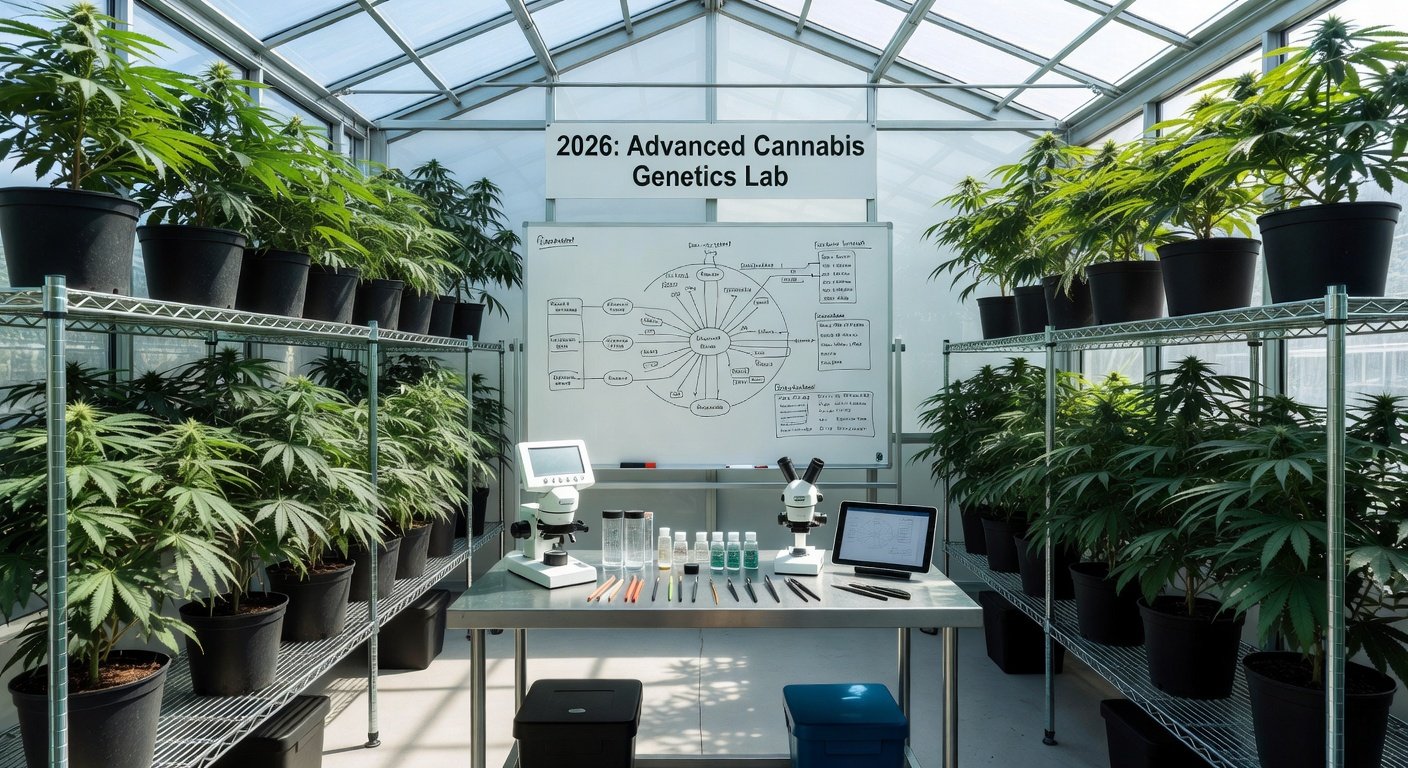
Introduction to Advanced Cannabis Breeding
In the evolving world of cannabis cultivation, breeding your own strains has become a pinnacle achievement for home growers and enthusiasts. As of 2026, with legalization expanding across English-speaking regions, advanced breeding techniques allow you to craft personalized, resilient varieties tailored to your needs—whether for higher yields, potent THC profiles, or therapeutic CBD dominance. This guide dives into selecting parent plants, the power of hybridization, ensuring genetic stability, and step-by-step processes. We’ll also cover common pitfalls when sourcing from seed banks, empowering beginners and experts to breed successfully at home.
Breeding isn’t just about mixing strains; it’s a science of genetics that demands patience and precision. By understanding polyploidy, recessive traits, and environmental influences, you can create stable lines that pass desirable qualities to future generations. Let’s explore how to elevate your grow from cultivation to creation.
Selecting Parent Plants: The Foundation of Great Genetics
Choosing the right parent plants is the cornerstone of successful cannabis breeding. Start by evaluating your goals: Do you want a high-CBD medical strain, a flavorful indica-dominant hybrid, or a vigorous sativa for outdoor grows? Look for plants exhibiting vigorous growth, resistance to pests like spider mites, and consistent cannabinoid profiles.
Phenotype hunting is key. From a batch of seeds—ideally from a reputable seed bank—grow out 10-20 plants under controlled conditions. Observe traits over the full lifecycle:
- Vigor and Structure: Select plants with strong stems, dense bud sites, and balanced internodal spacing.
- Resin Production: High trichome coverage indicates potent genetics; use a jeweler’s loupe to inspect.
- Aroma and Flavor: Terpene profiles (e.g., myrcene for relaxation or limonene for uplift) should align with your desired outcome.
- Yield and Maturity Time: Choose parents that finish in your climate’s window, avoiding late-flowering sativas if you’re in a short-season area.
For genetic diversity, select one male and one female from different lineages. Males contribute pollen, so isolate them early to prevent unwanted pollination. Test for sex by observing pre-flowers around week 4-6 of veg. Remember, hermaphroditism can ruin stability—discard any plants showing both sexes.
Pro tip: Use cloning to preserve elite phenotypes. Take cuttings from your chosen mother and root them in rockwool cubes under 18/6 light to maintain genetics indefinitely.
The Role of Hybridization in Creating Resilient Strains
Hybridization is the art of crossing two distinct cannabis varieties to combine their best traits, much like Gregor Mendel’s pea experiments but with modern twists. In cannabis, this creates F1 hybrids—first-generation offspring—that often exhibit hybrid vigor (heterosis), leading to faster growth, higher yields, and enhanced disease resistance.
Why hybridize? Pure landraces (e.g., Afghan indica or Thai sativa) are stable but limited. Crossing them yields resilient strains adapted to home environments. For instance, blending a mold-resistant parent with a high-THC one can produce buds that thrive in humid UK grows or arid Australian setups.
Understand the genetics: Cannabis is diploid (2n chromosomes), but polyploid strains (e.g., tetraploid with 4n) are emerging in 2026 breeding circles for amplified potency. Resources like the National Center for Biotechnology Information detail how hybridization influences terpene and cannabinoid synthesis.
Step-by-Step Hybridization Process
- Isolate Parents: Separate male and female in a dedicated breeding tent. Use 24/0 light for veg to promote health.
- Collect Pollen: When the male shows ripe pollen sacs (yellow, bursting), shake over paper in a dark room. Store in a vial with silica gel at 4°C for up to 6 months.
- Pollinate Female: Select branches on the female (keep the main cola unpollinated for personal smoke). Lightly mist with pollen using a fine brush during early flower (week 2-3). Cover with breathable bags to contain spread.
- Harvest Seeds: Allow pollinated branches to mature (6-8 weeks). Dry, then extract seeds—expect 50-200 per branch.
- Grow and Select F1: Plant seeds and phenotype hunt as in selection phase.
For advanced users, backcrossing (crossing F1 with a parent) stabilizes traits, but it narrows diversity—balance with outcrossing to avoid inbreeding depression.
Ensuring Genetic Stability in Your Bred Strains
Genetic stability means your strain breeds true: offspring mirror parent traits without rogue variations. Instability arises from heterozygosity (mixed genes), so aim for homozygosity through selective breeding over generations.
Key techniques:
- Inbreeding: Self-pollinate or sibling-cross F1s to fix traits, but monitor for reduced vigor—cull weak plants ruthlessly.
- Stabilization Rounds: Breed through 4-7 generations (F4+ for IBL—Inbred Lines). Test in varied conditions: indoor LED, outdoor sun, hydro vs. soil.
- Marker-Assisted Selection: In 2026, affordable home kits test for genes like THCAS (THC synthase). Labs like Steep Hill offer services, but DIY microscopy reveals crystal morphology linked to potency.
Environmental stability is crucial. Stress-test plants with pH fluctuations or light leaks to ensure resilience. Document everything in a grow journal: lineage, cross dates, observed traits. This data refines future breeds.
For deeper insights, check Leafly’s guide on breeding basics, which aligns with current home grower practices.
Once stable, your strain can be shared via seed banks or community forums, contributing to the global gene pool.
Step-by-Step Tips for Beginners and Experts
Whether you’re new to breeding or refining techniques, follow this comprehensive guide:
For Beginners
- Source Quality Seeds: Start with feminized or auto-flowering from trusted banks like Seedsman or ILGM to simplify sexing.
- Small-Scale Setup: Use a 4×4 tent for isolation. Maintain 70-80°F and 40-60% RH.
- Simple Cross: Pair a known hybrid (e.g., Blue Dream) with a landrace for vigor without complexity.
- Track Progress: Use apps like GrowBuddy to log phenotypes.
For Experts
- Advanced Pollination: Employ colloidal silver to reverse female sex, creating feminized pollen for all-female seeds—safer for home grows.
- Genetic Mapping: Collaborate with breeders via platforms like SeedFinder.eu to access rare genetics.
- Polyploid Induction: Use chemicals like colchicine (handle with care) to double chromosomes, boosting biomass—research safety first.
- Lab Testing: Send samples to SC Labs for HPLC analysis to verify cannabinoid ratios post-stabilization.
Scale up responsibly: In legal areas, share seeds ethically, labeling for THC/CBD content.
Avoiding Common Pitfalls with Seed Banks and Breeding
Seed banks are gateways to genetics, but pitfalls abound. Mislabeling happens—strains touted as ‘pure’ may be hybrids. Always verify via independent reviews on forums like ICMag.
Common errors:
- Poor Storage: Seeds lose viability without cool, dark conditions. Buy fresh packs with high germination rates (>90%).
- Legal Oversights: In 2026, check local laws—breeding for personal use is fine in Canada or parts of the US, but commercial intent varies.
- Contamination: Rogue pollen from nearby males can crossbreed unintentionally. Use air filters and isolation nets.
- Overambition: Don’t chase too many traits early; focus on 2-3 (e.g., yield + potency) to avoid unstable results.
- Health Risks: Wear PPE when handling pollen or chemicals; mold from unstable strains can cause respiratory issues.
Choose banks with guarantees: Look for those offering replacements for duds and detailed genetics info. Avoid hype—stable strains take time, not miracles.
Conclusion: Breeding Your Legacy in 2026
Advanced cannabis breeding transforms home growers into genetic innovators, crafting strains that withstand climate challenges and personal preferences. By selecting wisely, hybridizing thoughtfully, and stabilizing rigorously, you’ll avoid pitfalls and reap rewarding harvests. Start small, document meticulously, and join the community—your custom strain could be the next big thing. With dedication, 2026’s tech and knowledge make elite breeding accessible to all enthusiasts.