
5 Essential Beginner Cannabis Growing Tips for Success in 2026
Embarking on cannabis cultivation as a beginner can be exciting yet daunting. With legalization expanding across many regions in 2026, more home growers are turning to this rewarding hobby. However, success hinges on avoiding common mistakes and mastering basic techniques. This guide outlines the five most essential beginner cannabis growing tips, focusing on monitoring plant health, managing lighting and watering, and other key areas. Whether you’re setting up an indoor grow tent or tending an outdoor plot, these tips will help you cultivate healthy plants and boost your yield. Let’s dive into practical advice tailored for English-speaking cannabis enthusiasts eager to start their journey.
1. Choose the Right Seeds and Strains for Beginners
Selecting appropriate seeds is the foundation of successful cannabis cultivation. As a beginner, opt for feminized or autoflowering seeds, which are easier to manage and more forgiving. Feminized seeds ensure nearly all plants are female, producing buds without the hassle of identifying and removing males. Autoflowers, on the other hand, flower automatically based on age rather than light cycles, making them ideal for short seasons or indoor setups.
A common pitfall is choosing high-maintenance strains like pure sativas, which can stretch tall and require advanced training techniques. Instead, start with hybrids like Northern Lights or Blue Dream, known for resilience and moderate growth. Source seeds from reputable banks to avoid low germination rates—look for those with high THC/CBD ratios suited to your goals, whether recreational or medicinal.
- Tip: Germinate seeds using the paper towel method: Place seeds between damp towels in a warm, dark spot for 24-72 hours until taproots emerge.
- Pitfall to Avoid: Overlooking seed viability; always check reviews and storage conditions.
For more on seed selection, consult resources from established organizations like the Leafly education center, which offers strain guides based on grower experiences.
2. Master Lighting Management for Optimal Growth
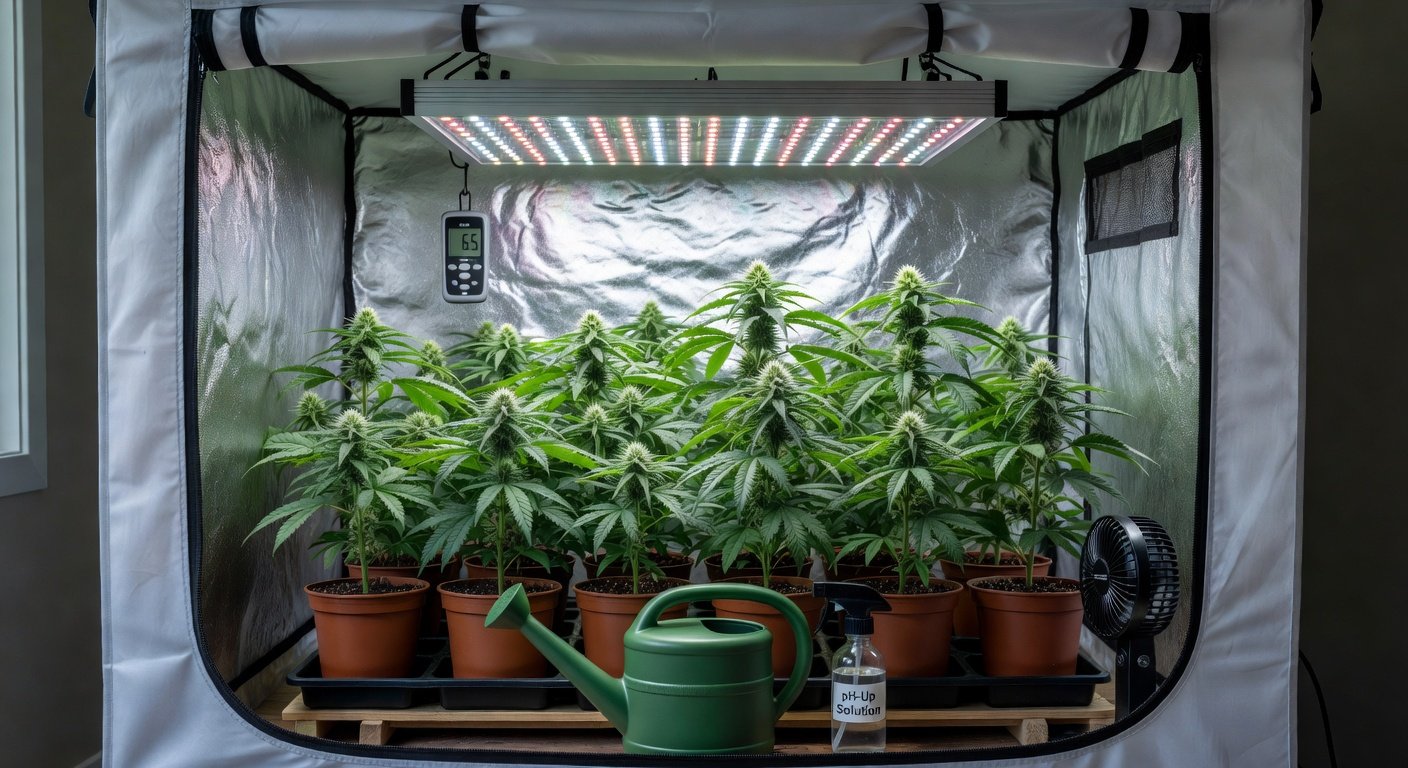
Lighting is crucial in cannabis cultivation, mimicking the sun’s power to drive photosynthesis. Beginners often underestimate the importance of light spectrum and intensity, leading to stretched, leggy plants or nutrient deficiencies. In 2026, LED grow lights have become affordable and efficient, providing full-spectrum coverage from blue (vegetative stage) to red (flowering stage) wavelengths.
For indoor grows, aim for 18-24 hours of light during veg and 12/12 for flower. Position lights 18-24 inches above seedlings, adjusting as plants grow to prevent burn. Outdoors, choose a sunny spot with at least 6-8 hours of direct sunlight, but watch for excessive heat in warmer climates.
Common Lighting Pitfalls and Fixes
- Inadequate Intensity: Use a PAR meter to ensure 300-600 µmol/m²/s in veg. Fix by upgrading to higher-wattage LEDs if plants yellow.
- Light Leaks: In tents, seal all edges to maintain dark periods during flower; leaks can cause re-vegging.
- Overheating: Install fans or reflective materials to dissipate heat—cannabis thrives at 70-85°F (21-29°C).
Proper lighting not only promotes bushy growth but also enhances resin production. Remember, consistent cycles prevent stress, a top reason for failed beginner grows.
3. Watering and Humidity: Balance for Healthy Roots
Watering is a make-or-break aspect of beginner cannabis growing. Overwatering is the most frequent mistake, leading to root rot and stunted growth, while underwatering causes wilting and nutrient lockout. Cannabis plants need moist but not soggy soil—think of it like a wrung-out sponge.
Water every 2-4 days, depending on pot size and environment, using pH-balanced water (6.0-7.0 for soil). Start with small amounts for seedlings, increasing as roots develop. In hydroponics, monitor reservoir levels daily. Humidity plays a role too: Keep 60-70% in veg to support transpiration, dropping to 40-50% in flower to prevent mold.
- Technique: Check soil moisture by lifting the pot—if it’s light, water; use your finger to test the top inch.
- Pitfall: Ignoring drainage; always use pots with holes and a saucer to avoid standing water.
For humidity control, employ a hygrometer and adjust with humidifiers or dehumidifiers. In outdoor setups, mulch around plants to retain moisture. These simple steps ensure robust root systems, vital for nutrient uptake.
4. Monitor Plant Health to Catch Issues Early
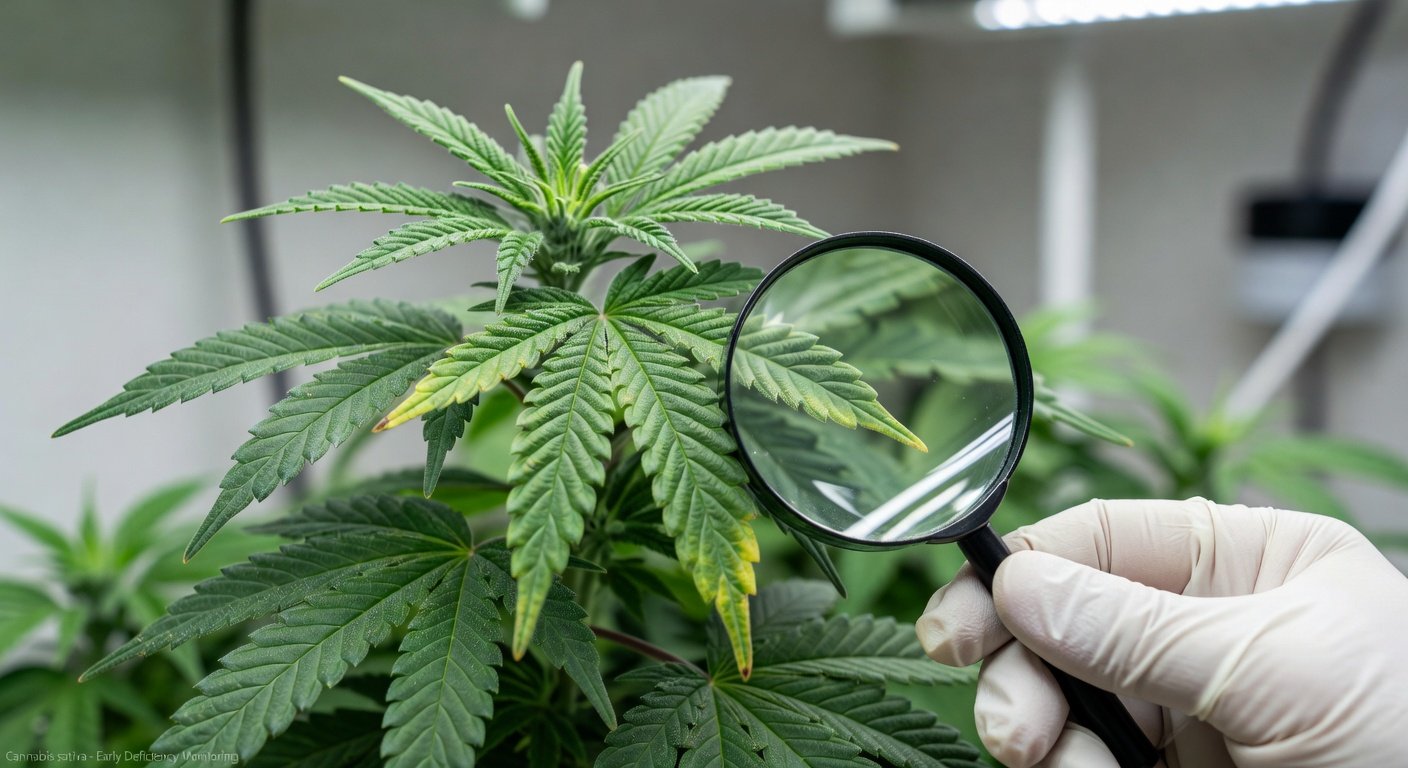
Monitoring plant health is essential in cannabis cultivation, allowing you to spot problems before they escalate. Beginners often miss subtle signs like yellowing leaves (nitrogen deficiency) or spots (pests), resulting in crop loss. Regular observation—daily if possible—helps maintain vigor.
Key indicators include leaf color, curl, and growth rate. Use a journal to track changes, noting pH, EC (electrical conductivity for nutrients), and environmental factors. Common issues: Nutrient burn from over-fertilizing (brown tips) or deficiencies (pale leaves). Pests like spider mites thrive in dry conditions—inspect undersides weekly.
Simple Monitoring Techniques
- Visual Checks: Look for discoloration; adjust nutrients accordingly—use half-strength for beginners.
- pH Testing: Invest in a digital meter; imbalances lock out essentials like phosphorus.
- Preventive Care: Introduce beneficial insects or neem oil for organic pest control.
For authoritative advice on plant health, refer to the USDA’s general horticulture guidelines at nifa.usda.gov, which cover soil and pest management applicable to home grows. Early intervention can save your harvest and build your confidence as a grower.
5. Nutrient Management and Training for Bigger Yields
Nutrients fuel cannabis growth, but beginners frequently overdo it, causing toxicity. Start with a balanced, cannabis-specific formula: High nitrogen in veg, phosphorus and potassium in flower. Organic options like compost tea are forgiving for soil grows, while synthetics suit hydro.
Feed every other watering at 25-50% strength initially, flushing with plain water bi-weekly to prevent buildup. Training techniques like low-stress training (LST)—bending branches to expose more bud sites—increase yields without stress. Avoid high-stress methods like topping until you’re experienced.
- Tip: Follow a feeding schedule; monitor EC to stay under 1.5 mS/cm.
- Pitfall: Ignoring micronutrients; deficiencies in calcium or magnesium show as spotted leaves—supplement as needed.
Integrating these with prior tips creates a holistic approach. By 2026, soil amendments like mycorrhizal fungi are widely available, enhancing root health naturally.
Conclusion: Start Small and Scale Up
These five essential beginner cannabis growing tips—seed selection, lighting, watering, health monitoring, and nutrients—provide a solid roadmap. Avoid pitfalls by starting small, perhaps with 2-3 plants, and learn from each cycle. With patience and consistency, you’ll enjoy a successful home grow. Happy cultivating in 2026!