
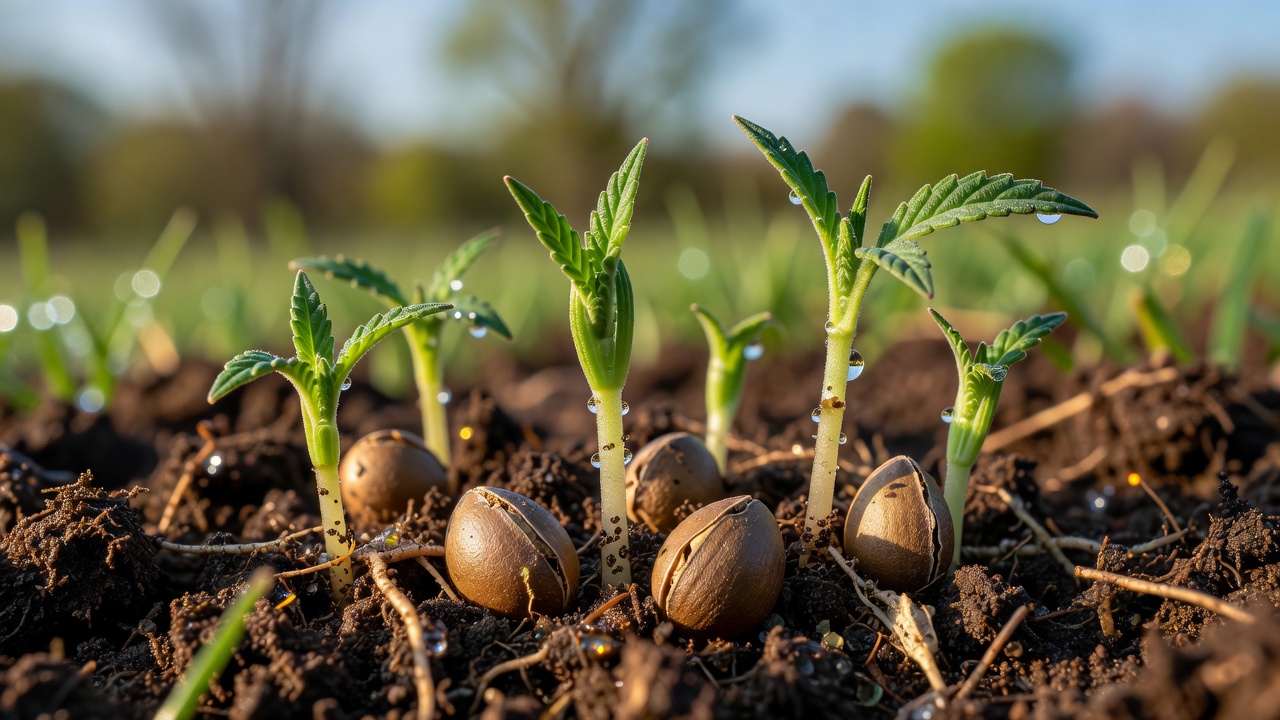
Germinating cannabis seeds successfully outdoors requires careful attention to selection, timing, and natural conditions. In 2026, home growers can achieve high viability rates by aligning techniques with seasonal outdoor variables. This guide provides detailed strategies tailored for outdoor environments, helping enthusiasts start robust plants that thrive in soil and sunlight. With climate patterns shifting slightly in many regions, paying close attention to local forecasts becomes even more important for first-time and experienced cultivators alike.
Selecting High-Quality Seeds for Outdoor Viability
Choosing the right seeds forms the foundation of outdoor success. Opt for strains bred for resilience against weather fluctuations, pests, and varying light cycles. Autoflowering varieties often perform well for beginners due to their rapid transition to flowering, while photoperiod strains suit those with longer growing seasons. Always source from reputable breeders to ensure genetic stability and high germination potential. For example, strains such as Northern Lights or Amnesia Haze have demonstrated strong outdoor performance in temperate zones because of their natural resistance to cooler nights and occasional rain.
Inspect seeds visually before starting. Healthy seeds appear dark brown or gray with a hard, intact shell and subtle tiger-stripe patterns. Avoid pale, green, or cracked seeds, as these typically indicate low viability. Store unused seeds in cool, dark, airtight containers to preserve freshness for future seasons. A practical tip is to label each container with the purchase date and strain name; many growers report success rates above 85 percent when seeds are less than two years old and kept below 70 degrees Fahrenheit.
Evaluating Seed Sources and Genetics
Reputable breeders provide detailed information on expected flowering times and climate tolerances. When purchasing, look for third-party lab results confirming germination percentages. Practical examples include ordering from established seed banks that offer germination guarantees, allowing replacement if fewer than 80 percent sprout within the first week.
Ideal Timing for Outdoor Germination
Timing germination correctly maximizes natural sunlight and avoids frost risks. In most temperate regions during 2026, begin the process in early to mid-spring once soil temperatures consistently reach 60°F (15°C). This aligns seedling emergence with lengthening days, promoting vigorous vegetative growth. Gardeners in USDA zones 7 through 9 often find mid-April ideal, while zone 5 growers benefit from waiting until the last frost date has safely passed.
Monitor local climate data closely. Southern growers may start as early as March, while northern enthusiasts should wait until April or May. Starting too early exposes vulnerable sprouts to cold snaps, while delays shorten the overall growing window before fall arrives. Using a simple soil thermometer inserted two inches deep each morning provides reliable readings; record temperatures for three consecutive days before committing to germination.
Regional Calendar Adjustments
In coastal areas with milder winters, growers can begin soaking seeds in late February. Inland locations with greater temperature swings should add a two-week buffer. Checking historical frost dates from local extension services helps refine these windows each year.
Key Environmental Factors for Success
Outdoor germination depends heavily on soil quality, moisture, temperature, and protection from elements. Prepare well-draining soil enriched with organic compost to support root development. Maintain consistent moisture without waterlogging, as excess can lead to rot. A recommended mix includes equal parts native soil, aged compost, and perlite to improve aeration.
Temperature stability is crucial—aim for daytime highs around 70-80°F (21-27°C). Use natural windbreaks like nearby shrubs to shield young plants. Humidity levels between 50-70% support sprouting without encouraging mold.
Daily Monitoring Practices
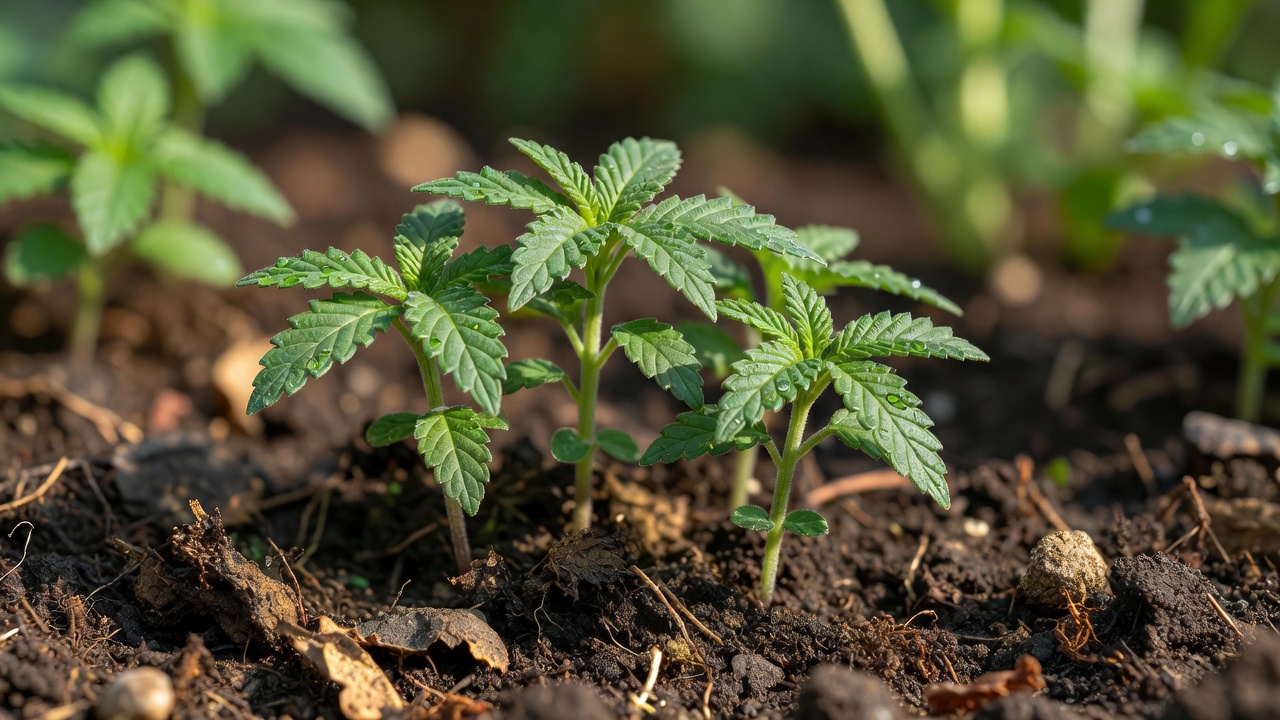
Check moisture by inserting a finger one inch into the soil; if it feels dry, mist lightly. Avoid overhead watering during cool evenings to reduce fungal risk. Windbreaks constructed from burlap screens or existing hedges can reduce wind speed by up to 40 percent around seedling beds.
Step-by-Step Germination Methods
Follow these proven techniques for reliable outdoor results. First, soak seeds in room-temperature water for 12-24 hours to soften the shell. Next, transfer to a damp paper towel inside a plastic bag or between plates, keeping it in a warm, dark spot for 2-5 days until taproots emerge.
- Prepare biodegradable pots or direct soil spots with pre-moistened medium.
- Plant sprouted seeds taproot-down at 0.5-inch depth.
- Cover lightly and mist daily to maintain moisture.
- Transition gradually to full sun over several days.
Alternative methods include direct soil planting in prepared beds for minimal transplant shock. Monitor daily and adjust based on weather patterns. For instance, if rain is forecast, cover beds with clear plastic domes until seedlings establish.
Paper Towel Versus Direct Sow Comparison
The paper towel method allows visual confirmation of taproot development before planting, reducing empty spots in the garden. Direct sowing works best in consistently warm, moist soil and eliminates root disturbance, though it requires more frequent checks for pests.
Common Pitfalls and Troubleshooting
Many growers encounter issues like poor sprouting due to overwatering or inadequate warmth. If seeds fail to germinate within a week, check viability by gently squeezing—firm seeds may still succeed with extended soaking. Protect against birds and insects using fine mesh covers during the first weeks. One common example involves damping-off fungus, which appears as wilting stems at soil level; improving airflow and avoiding excess water usually resolves this within days.
Address nutrient deficiencies early by testing soil pH, targeting 6.0-7.0 for optimal uptake. Consistent observation prevents small problems from escalating into crop loss. Weekly soil tests using inexpensive strips help maintain balance, especially after heavy rainfall that can leach nutrients.
Conclusion
Successful outdoor cannabis germination in 2026 hinges on quality seeds, precise timing, and attentive environmental management. By following these detailed steps, home growers can establish strong plants ready for a productive season. For further guidance on sustainable practices, consult resources like usda.gov and extension.psu.edu. With patience and proper technique, your outdoor garden will flourish from the very first sprout. Tracking progress in a simple garden journal also helps refine methods for future seasons.