
Selecting high-quality cannabis seeds marks a critical first step for any new home grower aiming for successful harvests. In 2026, understanding genetic quality helps avoid wasted time and resources on unstable or low-performing plants. This guide focuses on practical evaluation methods including visual cues, available lab testing, and common warning signs in seed bank offerings. New growers often underestimate how much seed choice influences the entire cultivation cycle, from the first sprout through final cure. Investing time upfront in seed selection frequently saves weeks of troubleshooting later when plants exhibit unexpected traits or fail to thrive under standard conditions.
Why Stable Genetics Matter for Grow Success
Stable genetics produce plants that grow uniformly across a crop. This consistency directly affects flowering times, plant structure, and final yields. Unstable seeds often result in varied phenotypes, leading to uneven canopies that complicate lighting and nutrient management. In a typical 4×4 tent setup, for example, one plant stretching three feet taller than its neighbors can block light from reaching lower branches and create microclimates that invite mold. Stable lines minimize these issues because each seed carries predictable growth patterns developed through multiple generations of selective breeding.
Resistance traits also stem from genetic stability. Seeds from well-bred lines show better tolerance to common issues like powdery mildew or nutrient fluctuations. Growers benefit from higher success rates when starting with verified stable stock rather than experimental crosses. Consider a practical scenario: a grower in a humid climate who chooses a strain with documented mildew resistance can reduce the need for constant dehumidifier adjustments and foliar sprays. In contrast, an unstable cross might produce one resistant plant alongside three that succumb quickly, forcing the cultivator to isolate or remove affected specimens mid-cycle.
Impact on Daily Grow Management
Uniform plants simplify scheduling. When all specimens enter flowering within a three-day window, the grower can apply bloom nutrients and adjust light cycles on a single timeline rather than managing staggered stages. This predictability extends to harvest as well, where consistent ripening allows processing the entire crop at peak potency without individual plant monitoring.
Visual Cues to Inspect Before Purchase
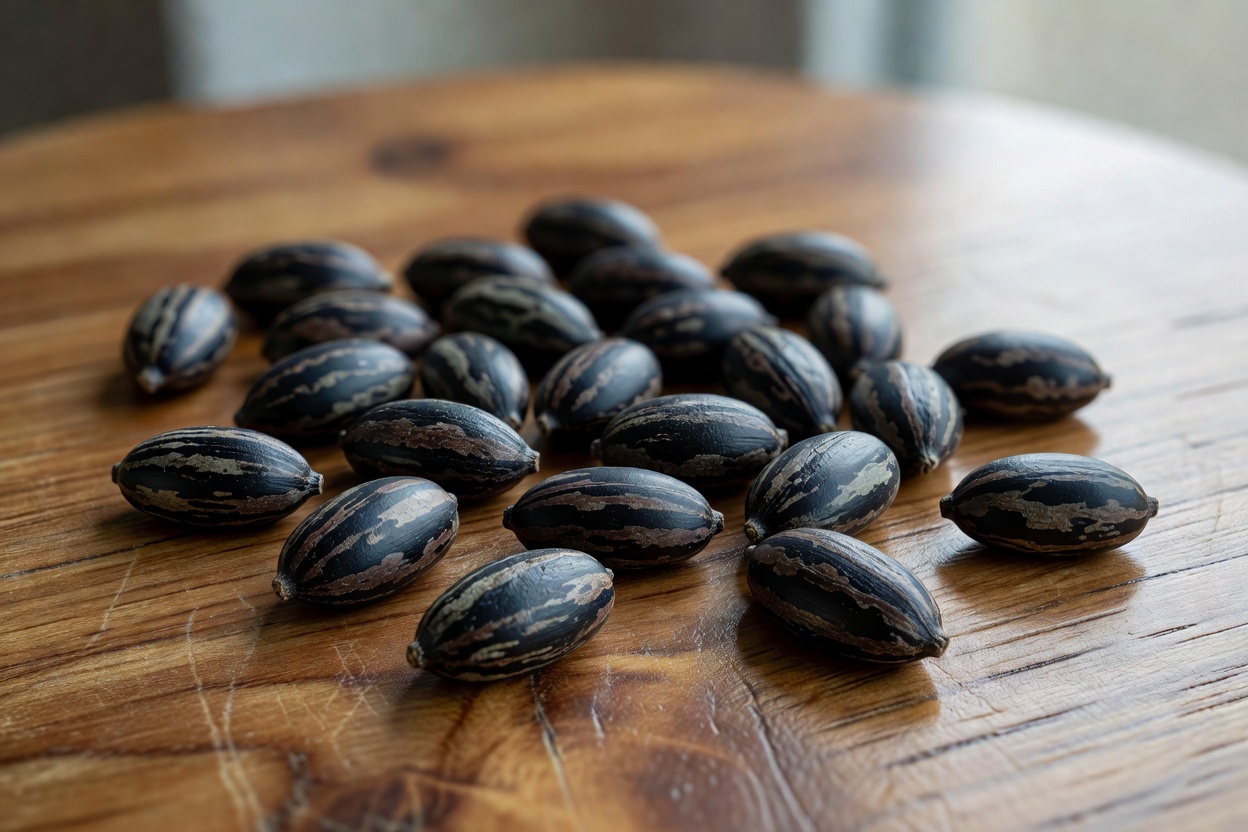
Examine seed appearance closely when possible. Mature, viable cannabis seeds typically display a dark brown or tiger-striped pattern with a hard, slightly glossy shell. Pale or greenish seeds usually indicate immaturity and lower germination potential. A simple test involves gently pressing a seed between thumb and forefinger; viable seeds resist compression while soft or chalky ones often crumble or feel hollow.
Size and weight provide additional clues. Quality seeds feel dense and uniform within a batch. Avoid batches containing many cracked, shriveled, or overly light seeds, as these often fail during sprouting or produce weak seedlings. When ordering from a bank that ships in clear vials, hold the container to a light source and look for consistent coloration and intact shells across all visible seeds. Practical tip: request a photo of the actual batch if the listing only shows stock images, and compare the received seeds against published breeder photos of the same strain.
Germination Trial Example
Before committing an entire order to soil, place five seeds between moist paper towels inside a sealed container at 70°F. Track how many crack within 72 hours. A rate above 80 percent indicates the batch is worth planting, while lower results suggest requesting a replacement or choosing another supplier.
Lab Testing and Certificates Explained
Reputable seed banks now provide third-party lab reports detailing genetic lineage and stability markers. These documents often include data on cannabinoid potential and resistance traits verified through controlled grow trials. Requesting such reports before buying helps confirm the advertised characteristics. Look specifically for trial data covering at least three generations of the line, as this demonstrates stability beyond a single cross.
Genetic testing services have expanded in 2026, allowing buyers to verify authenticity post-purchase. Home growers can submit leaf samples to specialized labs for confirmation of strain identity and absence of unwanted mutations. This step adds assurance especially when ordering from newer or lesser-known suppliers. Many labs now accept small dried leaf samples mailed in paper envelopes and return results within ten business days, providing peace of mind before the plants reach the flowering stage.
Recognizing Red Flags in Seed Listings
Watch for vague descriptions lacking specific breeder information or stability data. Listings that promise unrealistic yields or universal resistance without supporting details frequently indicate overhyped or unstable genetics.
- Absence of germination guarantees or refund policies
- Overly broad claims about medical effects without lab backing
- Prices significantly below market averages without clear explanation
- Limited or no customer reviews from verified sources
Multiple red flags together suggest avoiding the purchase entirely to protect your growing investment. For instance, a listing claiming 800 grams per plant indoors without naming the breeder or providing test conditions should raise immediate suspicion, as real-world results depend heavily on environment and technique.
Verification Steps for First-Time Buyers
Start by researching seed banks with established reputations and transparent sourcing practices. Cross-check breeder histories through independent grow forums and official strain databases maintained by major cannabis organizations. Create a shortlist of three banks, then compare their return policies side by side before placing any order.
Always request current lab documentation and review return policies before completing any transaction. Testing a small initial order allows evaluation of germination rates and early growth patterns before scaling up purchases.

Document all communications with the supplier and retain packaging for potential verification needs. Building relationships with reliable sources creates long-term consistency in future grows. Many experienced cultivators maintain a log noting batch numbers, germination percentages, and final yields so they can reorder from proven lots in subsequent seasons.
Scaling Purchases Wisely
After a successful first order of ten seeds, consider increasing to twenty-five only once the initial plants demonstrate uniform growth through week four of vegetative stage. This measured approach prevents over-investment in unproven genetics.
Conclusion
Evaluating genetic quality empowers new growers to achieve reliable results from the outset. By focusing on visual inspection, lab verification, and avoiding questionable listings, enthusiasts can select seeds that deliver consistent performance and strong plant health throughout the 2026 growing season. The extra hours spent researching and verifying pay dividends in reduced plant stress and higher-quality harvests.