
Understanding Autoflowering and Photoperiod Cannabis Seeds
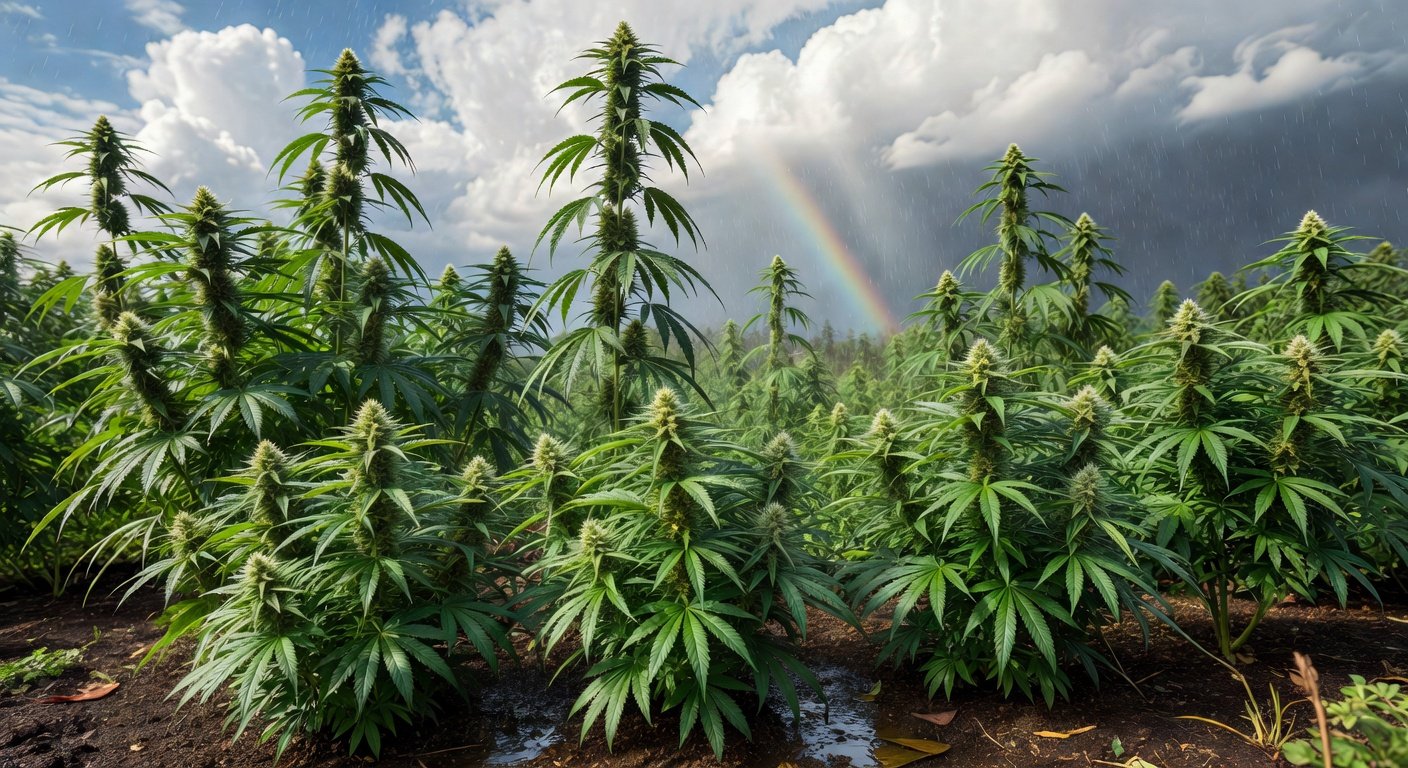
For outdoor growers in 2026, choosing between autoflowering and photoperiod cannabis seeds is a critical decision that impacts everything from harvest timing to overall success. Autoflowering varieties transition to flower based on age rather than light cycles, while photoperiod strains rely on changing daylight hours. This fundamental difference shapes their suitability for various climates and grower experience levels.
Growth Cycles Compared
Autoflowering plants typically complete their cycle in 8 to 12 weeks from seed, allowing multiple harvests in a single outdoor season. Photoperiod plants, by contrast, require longer vegetative periods and flower when days shorten in late summer, often taking 12 to 16 weeks or more total. In northern climates with short summers, autoflowers provide reliable results, whereas photoperiods thrive in regions with extended warm periods.
Yield Potential Outdoors
Photoperiod strains generally offer higher yields, sometimes exceeding 500 grams per plant under optimal conditions due to their larger size and longer growth phase. Autoflowers average 100 to 300 grams per plant but compensate with faster turnaround and the ability to stagger plantings. Weather variability can reduce both, but photoperiods benefit more from extended sun exposure in stable environments.
Resilience to Outdoor Conditions
Autoflowers often show greater resilience to weather fluctuations like sudden rain or temperature swings because of their compact size and quicker maturation, reducing exposure time to pests and mold. Photoperiod plants may suffer more from prolonged bad weather but can develop stronger root systems in consistent conditions. For 2026, with increasing climate unpredictability, autoflowers are gaining popularity among home growers.
Pros and Cons for Guerrilla Grows
Guerrilla growers value stealth and minimal intervention. Autoflowers excel here with smaller profiles that blend into natural vegetation and shorter cycles that allow harvest before detection risks peak. However, their lower yields may require more plants. Photoperiods offer bigger harvests but demand careful timing around seasonal changes and are harder to hide due to height. Harvest timing favors autoflowers for early finishes in variable weather.
- Autoflower pros: Faster cycles, better stealth, multiple harvests possible.
- Autoflower cons: Lower individual yields, less control over size.
- Photoperiod pros: Higher yields, larger plants for experienced setups.
- Photoperiod cons: Longer exposure to risks, needs precise light timing outdoors.
Recommendations by Climate and Experience
In cool, short-season climates like northern Europe or Canada, beginners should start with autoflowers for higher success rates. Experienced growers in Mediterranean or equatorial zones can maximize photoperiod yields with advanced techniques. Intermediate growers might mix both for diversified outdoor gardens in 2026.
Tips for Selecting and Germinating Seeds
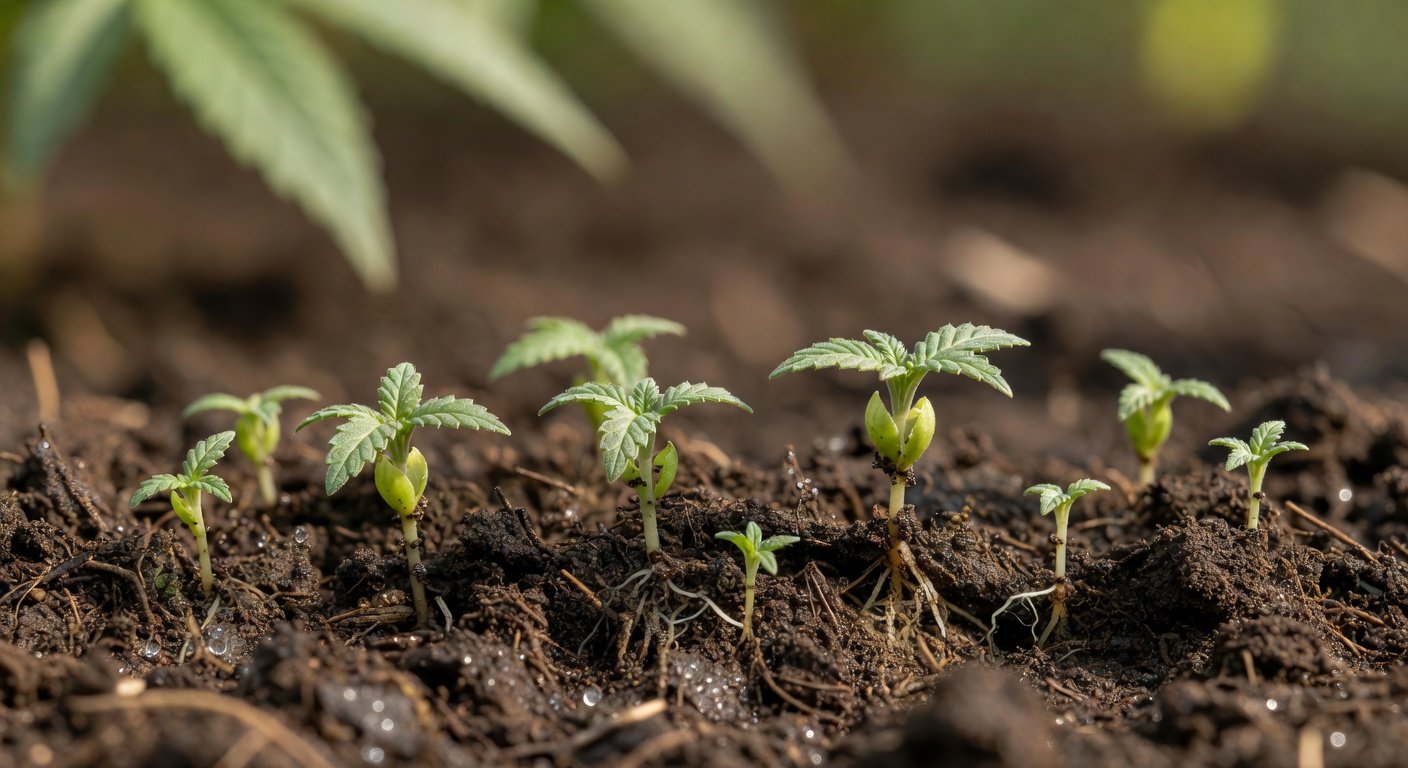
Select reputable breeders offering climate-specific genetics tested for outdoor resilience. For germination, use the paper towel method in stable 70-80°F conditions, then transplant to rich, well-draining soil amended with organic matter. Monitor local forecasts and start autoflowers in early spring for optimal results. Always source feminized seeds to avoid males in guerrilla settings.
Learn more about sustainable farming practices from usda.gov and climate adaptation strategies at epa.gov. With these insights, outdoor cannabis enthusiasts can achieve successful 2026 grows tailored to their needs.