
Introduction to Hydroponic Systems for Indoor Cannabis
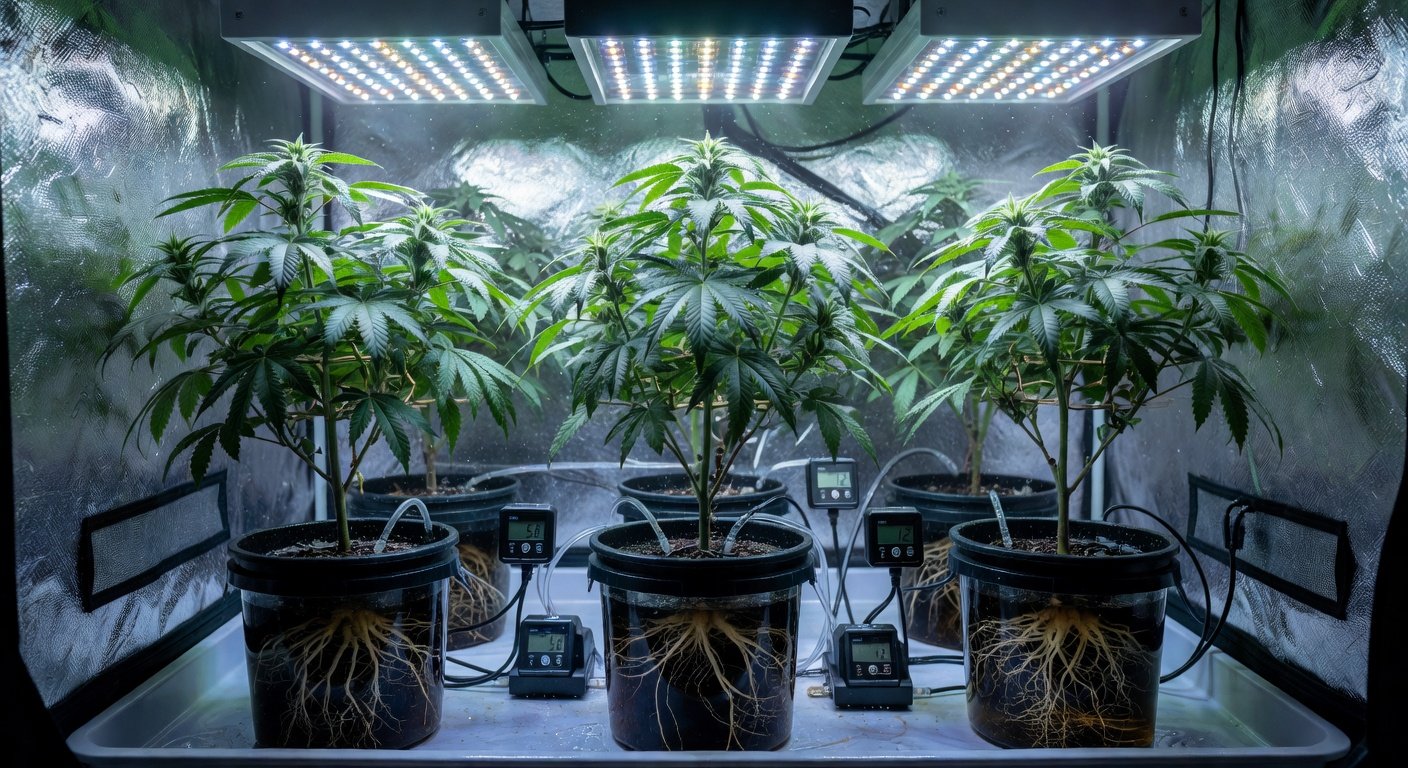
In 2026, home growers seeking maximum results in limited spaces are turning to advanced hydroponic methods like Deep Water Culture (DWC) and Nutrient Film Technique (NFT). Both systems excel in grow tents, offering faster growth and higher yields than soil methods when paired with quality indoor cannabis seeds. This guide examines setup costs, space efficiency, and compatibility with modern grow lights while providing practical advice for enthusiasts.
Setup Costs Breakdown
DWC systems generally require lower initial investment. A basic 4-bucket DWC setup for a 4×4 grow tent costs around $150-300, including air pumps, stones, and reservoirs. NFT systems demand more precision engineering, with channel setups and pumps ranging from $400-800 for comparable tent configurations. For 2026 cultivators, factoring in LED upgrades pushes NFT costs higher due to the need for consistent flow monitoring equipment.
Space Efficiency in Grow Tents
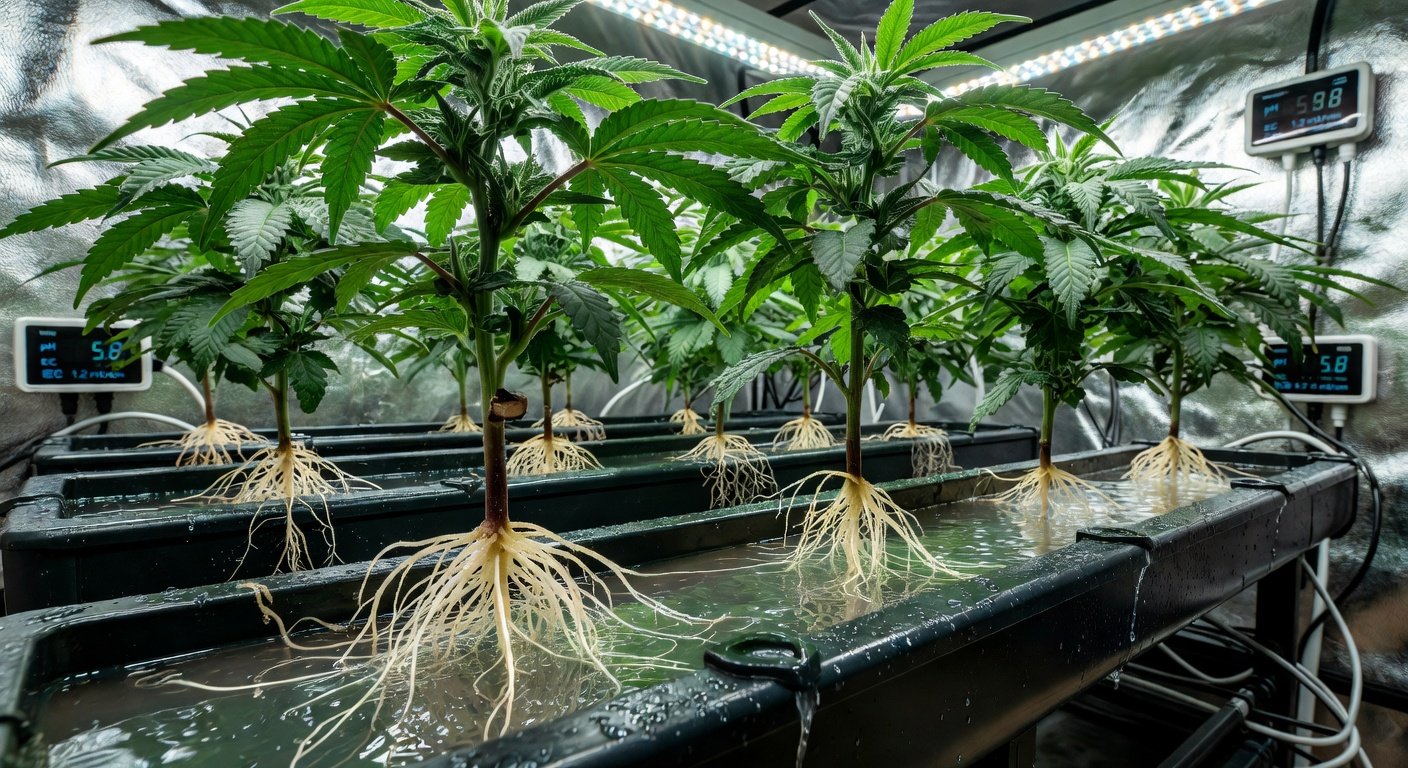
Space efficiency favors NFT in compact tents. NFT channels allow vertical stacking and closer plant spacing, maximizing a 2×4 tent with up to 12 plants. DWC buckets occupy more floor space but support larger root zones for fewer, bushier plants. Growers report NFT saving 30% more area in vertical grow tents.
Compatibility with Grow Lights
Both systems pair well with full-spectrum LEDs popular in 2026. DWC benefits from high PPFD lights positioned 18-24 inches above, as plants grow vigorously in oxygenated water. NFT requires even light distribution across channels to prevent uneven nutrient uptake. Quantum board LEDs excel with both, reducing heat stress in enclosed tents.
Ideal Indoor Seeds for Each Method
For DWC, compact indica-dominant strains like Northern Lights or Blue Cheese perform best indoors. These seeds develop robust roots suited to deep reservoirs and tolerate minor pH fluctuations. Autoflower varieties such as Royal Automatic thrive in DWC due to their short cycles fitting tent timelines.
NFT favors sativa-leaning hybrids like Sour Diesel or Jack Herer. Their vigorous root systems adapt to thin nutrient films, promoting faster vegetative growth under controlled tent conditions. Indoor-optimized photoperiod seeds from reputable breeders ensure consistent results in NFT channels.
Yield Optimization Tips
- Maintain nutrient solutions at 18-22°C with EC levels of 1.2-1.8 for both systems.
- Use SCROG nets in grow tents to support heavy colas and improve light penetration.
- Switch to bloom boosters at week 4 of flower, monitoring for tip burn in NFT.
- Harvest at peak trichome maturity, typically 8-10 weeks for optimized DWC yields averaging 500g/m².
Maintenance Challenges in 2026
DWC maintenance involves regular oxygenation checks and reservoir changes every 7-10 days to prevent root rot. Algae growth remains a common issue in clear buckets. NFT demands vigilant pump reliability and channel cleaning to avoid clogs from root debris, requiring weekly inspections.
Advanced 2026 tools like app-connected sensors help mitigate these challenges for hydroponics cannabis cultivators. Always source pH-balanced nutrients from trusted suppliers.
For further reading on hydroponic innovations, visit nasa.gov and usda.gov.
Conclusion
Choosing between DWC and NFT depends on your tent size and experience level. DWC offers simplicity for beginners, while NFT delivers efficiency for advanced users. Select appropriate indoor seeds and follow these tips to achieve superior results in 2026.