
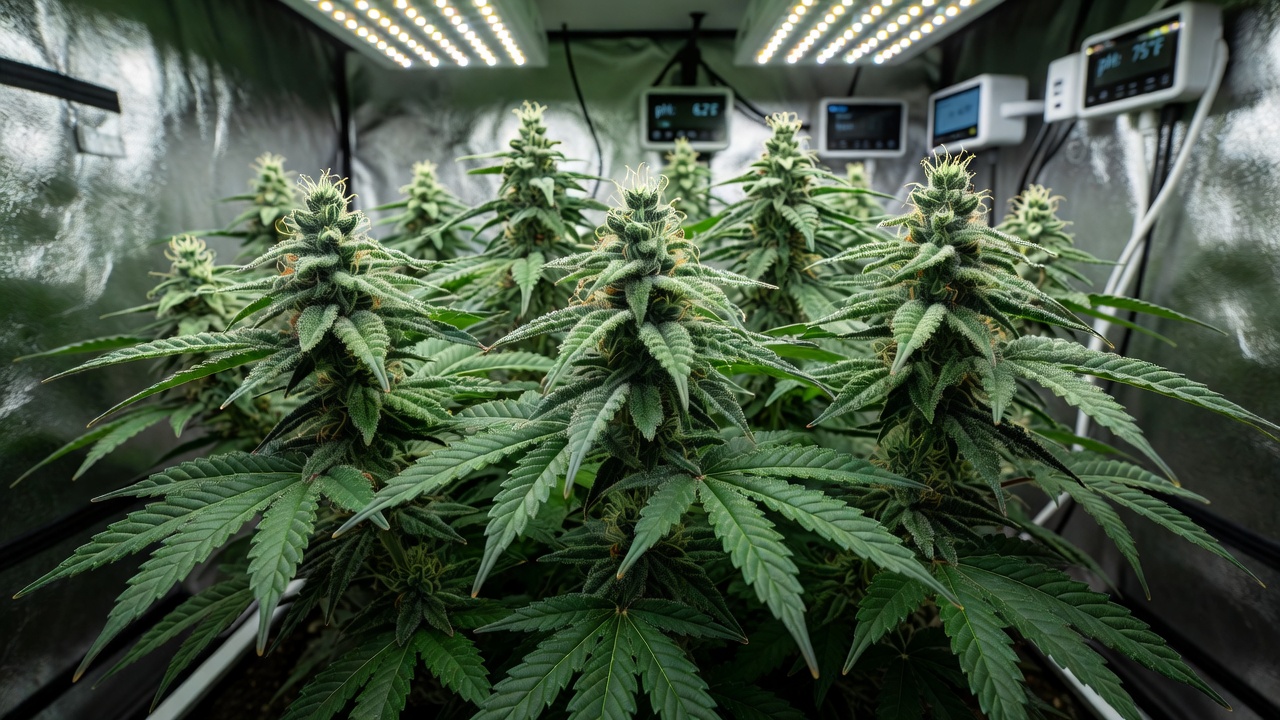
Growing feminized cannabis from seed requires attention to detail, especially with photoperiod varieties that depend on precise light cycles for proper female plant development. Many home cultivators in 2026 encounter setbacks because they overlook key factors that stress plants and reduce yields or quality. This guide examines the most frequent errors and provides actionable prevention strategies tailored for both indoor and outdoor setups. Success hinges on understanding how small oversights compound over a 12- to 16-week cycle, turning a promising crop into a disappointing harvest. By learning from common pitfalls, growers can consistently produce robust female plants with high resin output and stable genetics.
Selecting Low-Quality or Unstable Feminized Seeds
One of the primary mistakes begins at purchase. Not all feminized cannabis seeds are created equal, and opting for unverified sources often leads to unstable genetics prone to hermaphroditism. In 2026, reputable breeders use advanced techniques like colloidal silver or rodelization, but cheap or untested batches still circulate widely among seed buyers. Unstable seeds may show 5-15% male flowers even under ideal conditions, wasting months of effort and space in a grow tent or garden bed.
Prevention starts with researching breeders who provide germination guarantees and genetic stability data. Always verify third-party lab testing for cannabinoid profiles and avoid mystery packs from untrusted marketplaces. Storing seeds correctly in cool, dark conditions until use further protects viability and supports robust female plants from the start. Aim for temperatures between 40-50°F in an airtight container with silica gel packets to maintain 5-10% humidity. Practical examples include ordering from established European or North American seed banks that publish batch-specific stability reports. Before planting, perform a simple paper-towel germination test on five seeds to confirm at least 90% viability within 48-72 hours. This step saves time and prevents the disappointment of empty or mixed-sex results later in the season.
Incorrect Light Cycle Management for Photoperiod Strains
Photoperiod cannabis relies on strict light schedules to remain vegetative or transition to flower, yet many growers disrupt this with inconsistent timers or outdoor light pollution. Even brief interruptions during the dark period can stress plants, triggering male flower production on female plants and ruining the crop. A single 10-minute light leak during the 12-hour dark phase has been shown to cause hermaphroditism in sensitive strains within two weeks of flower initiation.
For indoor growers, invest in reliable digital timers and use blackout curtains or tents. Outdoor cultivators should select strains suited to their latitude and monitor for streetlights or moonlight interference. Maintaining 18/6 during veg and switching cleanly to 12/12 prevents developmental issues and promotes healthy female plant growth throughout the cycle. Concrete guidance includes using smart plugs with battery backup so power outages do not reset timers mid-cycle. A practical example is an indoor grower who installs a dedicated 600W LED on a 24-hour digital timer and checks the tent seams monthly with a flashlight test after lights-out. Outdoor growers in northern latitudes might choose autoflower hybrids or fast-finishing photoperiods like those finishing by early October to avoid shortening days that trigger premature flowering. Consistent monitoring with a lux meter ensures no stray light exceeds 1 lux during dark periods.
Nutrient Imbalances and Overfeeding Issues
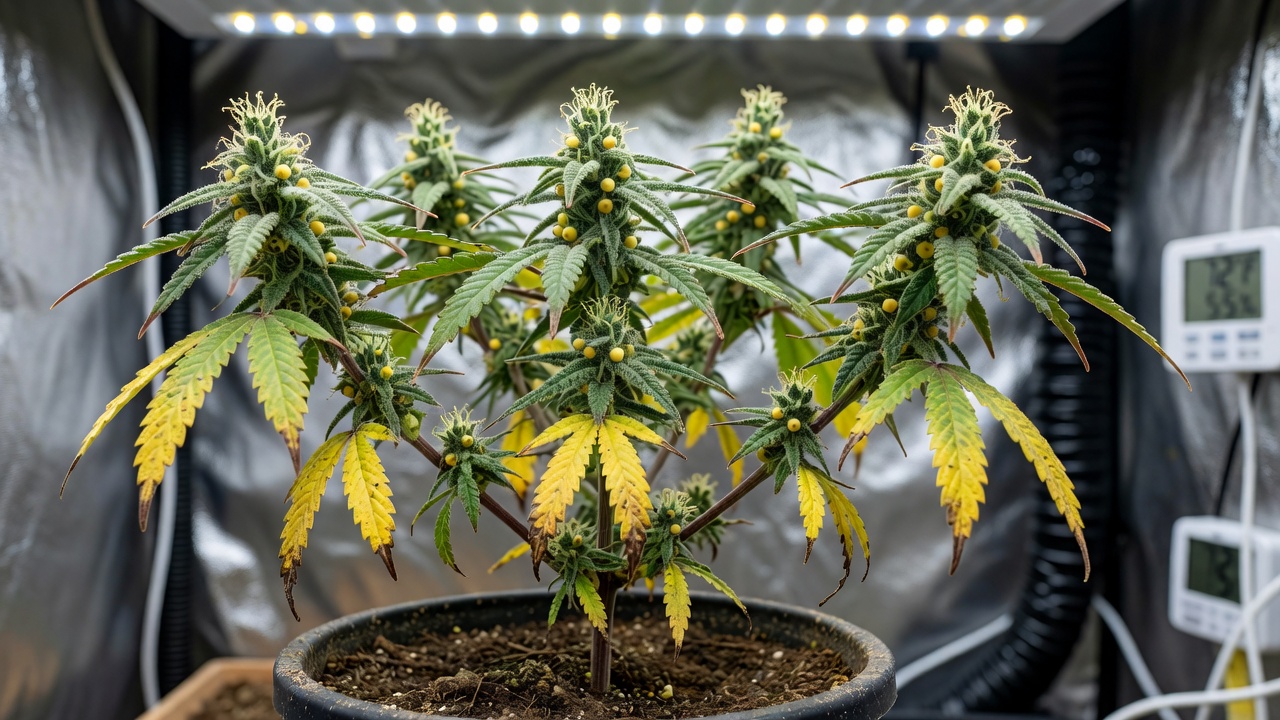
Another common pitfall involves improper feeding regimens. Feminized cannabis plants are sensitive to excess nitrogen in flower or micronutrient deficiencies that weaken root systems and overall vigor. Overfeeding often manifests as nutrient burn, slowing female plant development and lowering resin production. In severe cases, plants may show tip burn on leaves within days of an aggressive feeding, followed by stalled bud sites and reduced terpene profiles at harvest.
- Start with balanced, cannabis-specific nutrients at half strength.
- Monitor pH levels between 6.0-7.0 in soil or 5.5-6.5 in hydro.
- Flush regularly and adjust based on leaf symptoms rather than rigid schedules.
Testing soil or runoff water weekly helps maintain optimal conditions for strong female plants in both indoor pots and outdoor beds. A practical example involves mixing nutrients at 50% strength for the first two weeks of flower, then observing leaf color before increasing dosage. If lower leaves yellow while new growth remains dark green, reduce nitrogen and add a bloom booster containing phosphorus and potassium. Hydroponic growers should change reservoirs every seven days and check EC levels, keeping them under 1.8 mS/cm during mid-flower to avoid salt buildup. Soil growers benefit from adding compost tea every 10-14 days to replenish microbes that aid nutrient uptake without chemical overload.
Environmental Stress From Temperature and Humidity Swings
Temperature fluctuations and improper humidity levels rank high among errors that compromise feminized seeds’ potential. High heat above 85°F or humidity swings above 60% during flower increase the risk of stress-induced hermaphroditism in photoperiod cannabis. These swings also promote mold such as botrytis in dense colas, directly lowering marketable yield.
Indoor setups benefit from AC units, dehumidifiers, and environmental controllers calibrated for 2026 technology. Outdoor growers can use shade cloths and windbreaks while tracking local forecasts. Consistent conditions around 70-80°F and 40-50% humidity during bloom support vigorous female plant development without setbacks. A real-world example is installing an automated controller that maintains daytime highs at 78°F and nighttime lows at 68°F while ramping humidity down from 55% in late veg to 45% in week six of flower. Outdoor cultivators in hot climates use 30% shade cloth over plants during peak afternoon heat and install simple weather stations to receive alerts when humidity spikes above 55%.
Transplant Shock and Root Zone Neglect
Rushing transplants or ignoring root health causes stunted growth in many feminized cannabis crops. Photoperiod plants need time to establish strong roots before major changes, and poor handling leads to weak female plants that flower unevenly or produce lower cannabinoid levels. Root-bound plants often exhibit slowed vertical growth and yellowing lower foliage within days of an abrupt move.
Prevention includes using fabric pots for better aeration, transplanting only when roots fill the current container, and adding beneficial microbes to the soil. Gradual acclimation when moving plants outdoors reduces shock and ensures steady development from seed to harvest. A step-by-step example begins with starting seedlings in 1-gallon fabric pots, then moving to 5-gallon pots only after roots circle the inside edge, typically around week four. Incorporate mycorrhizal fungi at each transplant and water with a root stimulant solution for the first three days post-move. Outdoor growers should harden plants over seven to ten days by gradually increasing sun exposure from two hours to full day before final placement in raised beds amended with perlite for drainage.
Conclusion
Avoiding these errors with feminized cannabis seeds and photoperiod strains sets the foundation for successful female plants in 2026. By prioritizing quality seeds, precise environmental control, and attentive care, growers achieve higher yields and better quality whether cultivating indoors or outdoors. Consistent application of these prevention tips minimizes risks and maximizes results for home enthusiasts. Tracking each variable in a grow journal allows quick identification of issues before they escalate, turning potential failures into reliable, high-quality harvests year after year.