
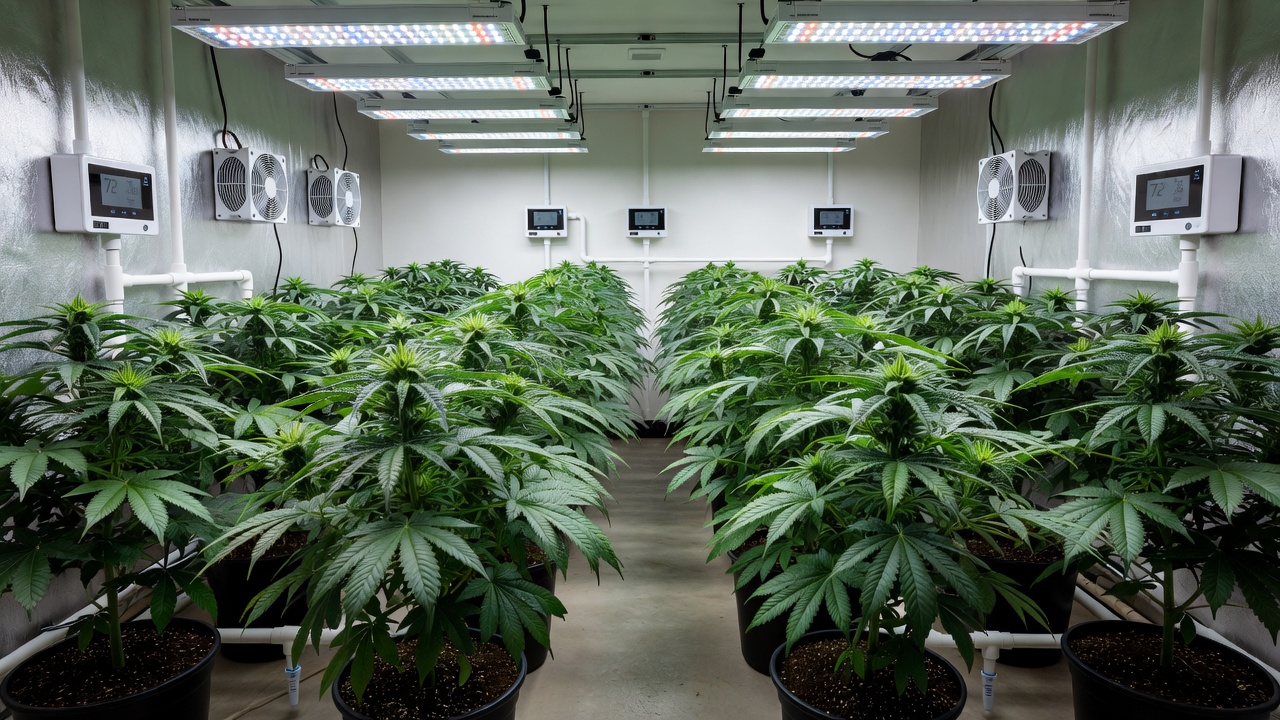
Growing female cannabis plants from feminized seeds requires precise control over lighting, especially with photoperiod varieties that depend on light cycles to transition between growth stages. In 2026, home growers can leverage advanced, energy-efficient technologies and refined techniques to achieve superior results. This guide details optimal schedules, equipment choices, and seasonal adjustments tailored for photoperiod cannabis, helping enthusiasts maximize yields while minimizing issues like stress or hermaphroditism. For instance, maintaining exact photoperiods prevents the plant from reverting or showing stress signs such as leaf cupping, which can occur when timers drift by even 30 minutes. New LED fixtures with built-in dimmers and spectrum knobs further simplify these adjustments compared to older setups.
Understanding Photoperiod Cannabis from Feminized Seeds
Photoperiod cannabis strains respond to changes in daylight hours, unlike autoflowering varieties. Feminized seeds produce nearly all female plants, eliminating the need for sexing and allowing focus on lighting precision. Proper light management during vegetative and flowering phases promotes robust growth, dense bud formation, and high cannabinoid content. A common practical example involves starting 10–12 feminized photoperiod seeds in a 4×4 tent; consistent 18-hour light periods encourage uniform canopy development so every plant reaches the same height before the flip to flower.
Home growers in 2026 benefit from improved LED systems that mimic natural sunlight spectra more accurately than older technologies. Consistent schedules prevent light stress, which can reduce potency or trigger unwanted male flowers in feminized plants. Using a digital timer with battery backup ensures the cycle never breaks during power fluctuations, a frequent cause of hermaphroditism in sensitive genetics.
Vegetative Stage Lighting Schedules
The vegetative phase demands 18-24 hours of light daily to encourage leafy growth and strong root systems. An 18/6 schedule (18 hours on, 6 off) is standard for most photoperiod feminized plants, balancing energy use with vigorous development. Some cultivators prefer 20/4 or 24/0 for faster results, though the latter may increase electricity costs. In practice, an 18/6 cycle allows the root zone to rest and absorb oxygen at night, reducing the risk of damping-off in young seedlings. Growers often run 20/4 when space is limited and they need plants to fill a screen quickly, then drop back to 18/6 once the canopy is established.
Use full-spectrum LEDs positioned 18-24 inches above the canopy, adjusting height as plants grow. Maintain temperatures between 70-85°F with 40-60% humidity. This setup supports healthy female plants that will later transition smoothly into flowering. Check light distance weekly with a ruler; if lower leaves yellow while tops stretch, raise the fixture 2–3 inches to restore balance.
Recommended Light Intensity
Target 300-600 PPFD during vegetation. Monitor with a PAR meter to avoid light burn while ensuring adequate coverage for even growth across multiple plants. Place the sensor at canopy level in several spots; readings below 300 PPFD at the edges usually indicate the need for an additional side light or reflector panel.
Flowering Stage Lighting and Transitions
Switch to a 12/12 schedule to initiate flowering in photoperiod strains. This reduction in light hours signals the plant to produce buds. Maintain this cycle strictly for 8-10 weeks, depending on the strain, to reach full maturity. Abruptly changing from 18/6 to 12/12 over two days instead of one can lessen stress; many growers dim lights 25 % on the first night and complete the change on the second night.
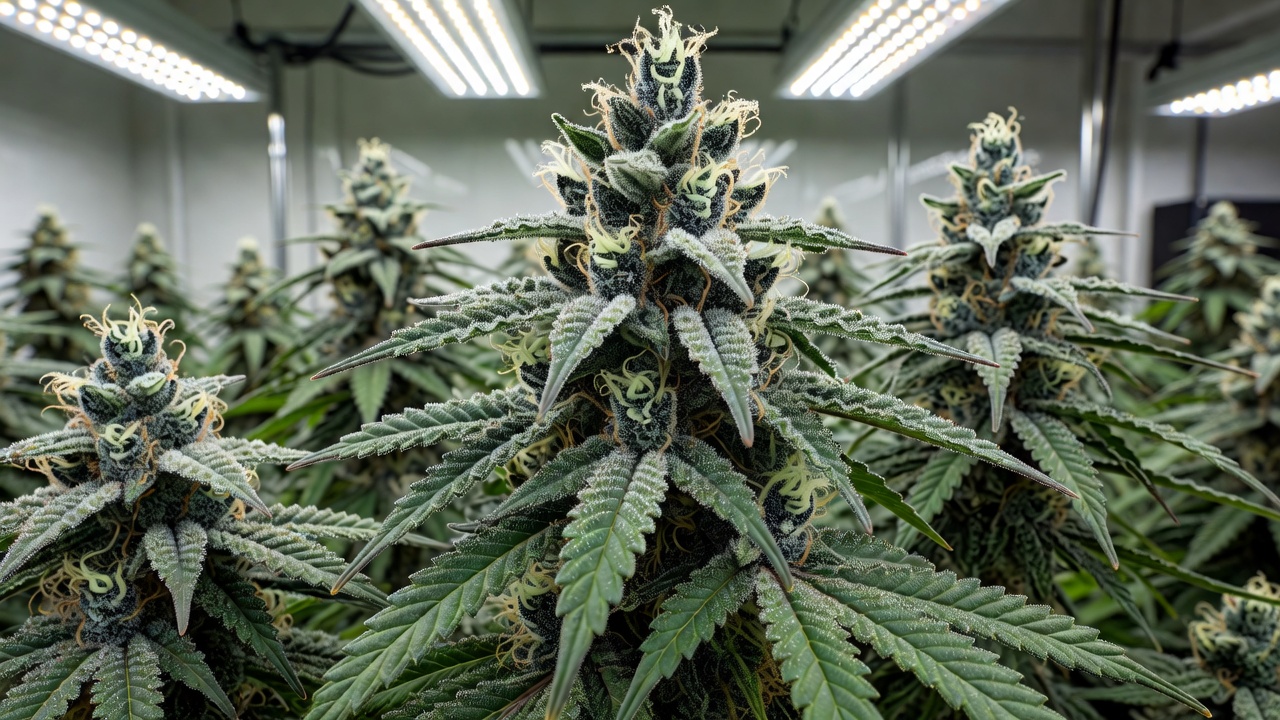
Lower lights to 12-18 inches above buds and increase intensity to 600-900 PPFD. Reduce humidity to 30-50% and temperatures to 65-80°F. These conditions optimize resin production in female plants from feminized seeds. Keep a log of daily PPFD values; a sudden drop below 600 PPFD mid-flower often signals dirty lenses or bulbs that need cleaning.
Advanced Setups and Equipment for 2026
Modern LED grow lights with tunable spectra allow customization for each stage, improving efficiency over traditional HPS systems. Smart controllers automate schedules and integrate with apps for remote monitoring, ideal for 2026 home setups. A typical 4×4 tent might use two 320 W quantum boards on separate channels so the grower can raise the blue spectrum percentage during vegetation and shift toward red during weeks 4–7 of flower.
- Choose quantum board or bar-style LEDs for uniform coverage.
- Incorporate supplemental UV and far-red lighting in late flower for enhanced terpene profiles.
- Ensure proper ventilation to manage heat from high-intensity fixtures.
Explore resources from https://www.ncbi.nlm.nih.gov/ for scientific insights on light spectrum effects. Pairing a PAR meter with a smartphone app that records daily light integrals helps fine-tune these advanced fixtures for maximum efficiency.
Seasonal Adjustments and Troubleshooting
For outdoor-indoor hybrid grows in 2026, align indoor lights with natural seasons to reduce energy use. In summer, increase ventilation; in winter, add insulation around grow spaces. Common issues like stretching or bud rot often stem from improper light distance or inconsistent cycles—always verify timers and bulb output. When outdoor temperatures exceed 85 °F, run intake fans on a thermostat so the indoor environment stays within the 65–80 °F flowering range without extra air-conditioning costs.
Conclusion
Mastering lighting for feminized photoperiod cannabis sets the foundation for abundant harvests. By following these 2026-optimized schedules and setups, home growers can consistently produce high-quality female plants with impressive yields. Tracking every variable from PPFD to nightly dark periods turns each cycle into a repeatable process that steadily improves results over successive grows.