
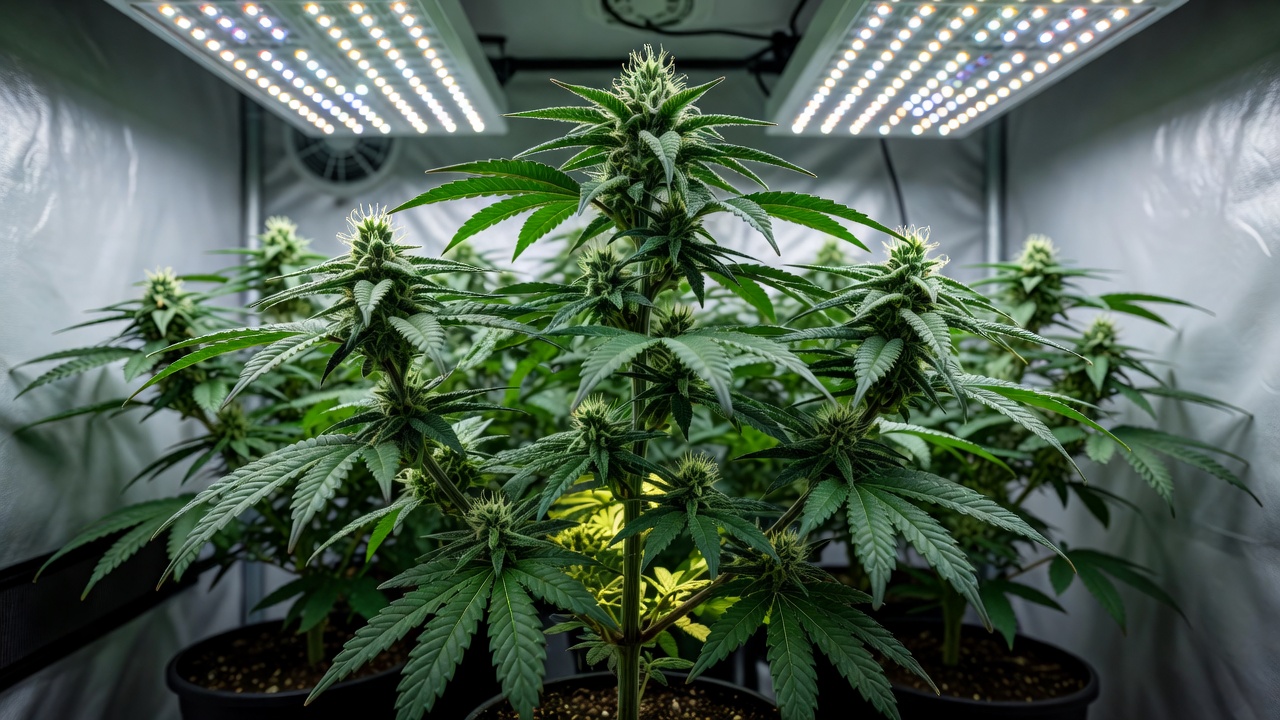
Introduction to Defoliation for Autoflowers
Defoliation is a strategic cultivation practice that involves selectively removing fan leaves from cannabis plants to improve light penetration and airflow within the canopy. For autoflowering varieties, which transition from vegetative growth to flowering based on age rather than light cycles, this technique requires careful application to avoid stressing the fast-paced life cycle. When performed correctly, defoliation can lead to denser bud sites, reduced risk of mold, and ultimately higher yields for home growers. In practice, many indoor cultivators working with a four-plant setup in a 4×4 tent notice that removing select leaves allows lower sites to receive 30 to 40 percent more direct light, translating into more uniform bud development across the entire plant rather than top-heavy colas only.
Autoflowers typically complete their cycle in 8 to 12 weeks, making timing critical. Unlike photoperiod strains, they have less recovery time from stress, so growers must focus on minimal intervention. This guide explores evidence-based methods tailored to autoflower seeds, helping enthusiasts maximize production while maintaining plant health in 2026 indoor and outdoor setups. For example, a grower starting seeds in early spring under LED fixtures can plan defoliation sessions around day 20 and day 32 to align with the plant’s natural rhythm without interrupting the automatic shift into bloom.
Understanding the Benefits and Risks
Improved light penetration allows lower bud sites to develop fully, promoting even canopy growth and larger overall harvests. Enhanced airflow reduces humidity pockets that foster powdery mildew and pests, a common issue in dense autoflower grows. Studies from sources like Leafly highlight how proper canopy management boosts terpene profiles and cannabinoid potency without chemical additives. In one documented home grow of Sour Diesel autoflowers, consistent airflow after selective leaf removal lowered ambient humidity at the bud level from 68 percent to 52 percent, resulting in zero mold outbreaks through harvest.
However, risks include stunted growth or hermaphroditism if overdone. Autoflowers are sensitive due to their ruderalis genetics, so excessive leaf removal can delay flowering or reduce resin production. Always prioritize plant signals like vibrant green leaves and strong stems before proceeding. A practical check involves observing whether new growth appears within 48 hours after any session; if growth stalls, the plant is signaling that further removal should wait until the next week.
Optimal Timing During the Grow Cycle
The best window for defoliation occurs during the late vegetative stage, around days 18 to 25 from sprout. At this point, plants have developed enough foliage for safe removal but have not yet initiated flowering. A light defoliation in early flower, between days 30 and 35, can further open the canopy without major disruption. Growers using a weekly calendar mark day 21 as the primary session and day 33 as a follow-up, allowing three full days between cuts so the plant can photosynthesize normally before the next adjustment.
Avoid any leaf removal after week six, as autoflowers focus energy on bud maturation. Monitor growth weekly: if leaves are shading bud sites heavily, it is time to act. Strain-specific adjustments matter—indica-dominant autoflowers may tolerate more aggressive pruning than sativa-leaning ones due to bushier structures. In a side-by-side trial, a Northern Lights auto handled removal of 25 percent foliage on day 22 with no visible slowdown, whereas an Amnesia Haze auto showed best results when limited to 15 percent on the same schedule.
Essential Tools and Step-by-Step Techniques
Gather sterilized precision scissors, gloves, and a magnifying loupe for close inspection. Work in a clean environment to prevent contamination. Begin by removing only yellowing or damaged leaves at the base, then target large fan leaves blocking light to lower nodes. A typical sequence for a three-foot-tall plant starts at the bottom inner branches and works outward, always cutting at the petiole to leave no stubs that could invite pathogens.
Remove no more than 20-30 percent of foliage per session, spread over multiple days if needed. Focus on inner canopy leaves first. After pruning, mist plants lightly and ensure optimal VPD levels to aid recovery.
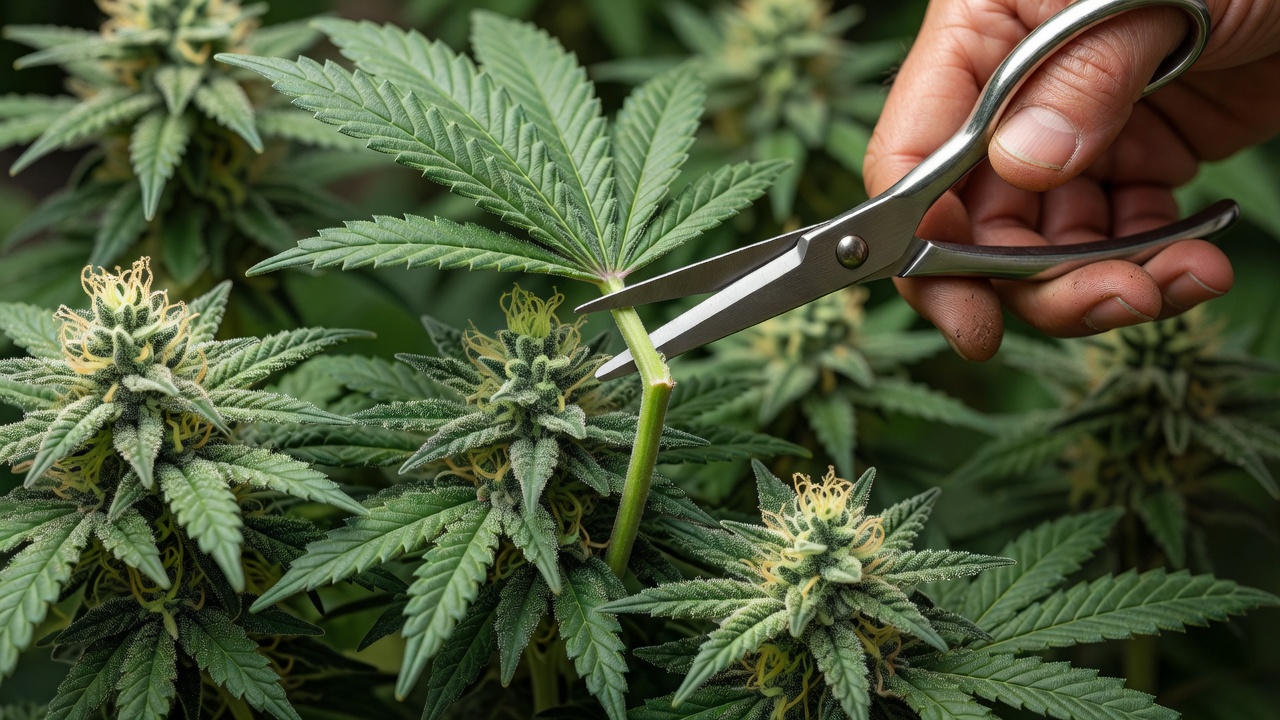
- Inspect plants under full spectrum lights before starting.
- Cut at the petiole base to avoid stem damage.
- Dispose of leaves away from the grow area to deter pests.
Preparation Steps
Before any cuts, wipe tools with 99 percent isopropyl alcohol and allow them to air dry. Turn off oscillating fans for 30 minutes to reduce airborne particles. Examine each plant under a 30x loupe to confirm no early signs of pests or nutrient issues that might compound stress.
Execution Steps
Work from the inside out, removing one leaf at a time and pausing after every five cuts to assess remaining coverage. In a 2×4 tent with six plants, this measured approach usually takes 12 to 15 minutes per plant and prevents accidental over-pruning.
Strain-Specific Adjustments for Autoflower Seeds
Fast-finishing strains like certain Northern Lights autoflowers benefit from moderate defoliation to prevent overcrowding. In contrast, taller varieties such as Amnesia Haze autoflowers may need earlier intervention on lower branches to support vertical growth. Always research seed bank specifics for your chosen genetics. A grower running Royal Queen Seeds autos noted that their Quick One variety required only one session at day 20, while taller Sour Diesel autos needed two lighter sessions spaced 12 days apart.
Adjust based on environment: in high-humidity setups, increase defoliation slightly for better airflow. Low-light grows require conservative approaches to preserve photosynthetic capacity. Experimentation over multiple cycles refines these adjustments for consistent results. Outdoor growers in humid climates often remove an extra 10 percent foliage compared with indoor counterparts to combat evening moisture buildup.
Avoiding Common Stress Pitfalls
Over-defoliation ranks as the top error, leading to slowed metabolism and smaller buds. Introduce changes gradually and observe plant response for 48 hours post-procedure. Maintain stable temperatures between 68-77°F and avoid combining defoliation with other stressors like transplanting. If a plant shows any droop after pruning, raise humidity to 60 percent and reduce light intensity by 10 percent for two days to ease recovery.
Nutrient burn or pH imbalances exacerbate recovery issues, so test soil or hydro solutions regularly. If plants show wilting, halt all interventions and provide calm conditions with gentle airflow from oscillating fans. Keeping a simple log noting leaf count removed, date, and plant response helps identify patterns across successive grows.
Maximizing Bud Production After Defoliation
Post-pruning, support plants with low-stress training ties to expose new growth sites. Supplement with bloom boosters rich in phosphorus once flowering begins. Track yields across grows to quantify improvements, often seeing 15-25 percent increases with refined techniques. One documented run of four Blue Cheese autos produced 142 grams dried after implementing the day-21 and day-33 protocol, compared with 118 grams from the previous cycle without defoliation.
Combine defoliation with proper watering and organic amendments for robust results. Resources from Royal Queen Seeds offer additional insights into integrated grow strategies that complement these methods. Adding a weekly foliar spray of diluted seaweed extract on non-pruning days further supports leaf regeneration and terpene development.
Conclusion
Safe defoliation empowers home growers to optimize autoflowering cannabis for superior light exposure and ventilation. By adhering to precise timing, using the right tools, and tailoring approaches to specific strains, enthusiasts can avoid pitfalls and achieve abundant harvests. Consistent practice builds expertise, turning this technique into a reliable tool for quality cannabis production. Over successive seasons, growers develop an intuitive sense for each genetic line, allowing them to fine-tune leaf removal percentages for maximum return on every harvest.