
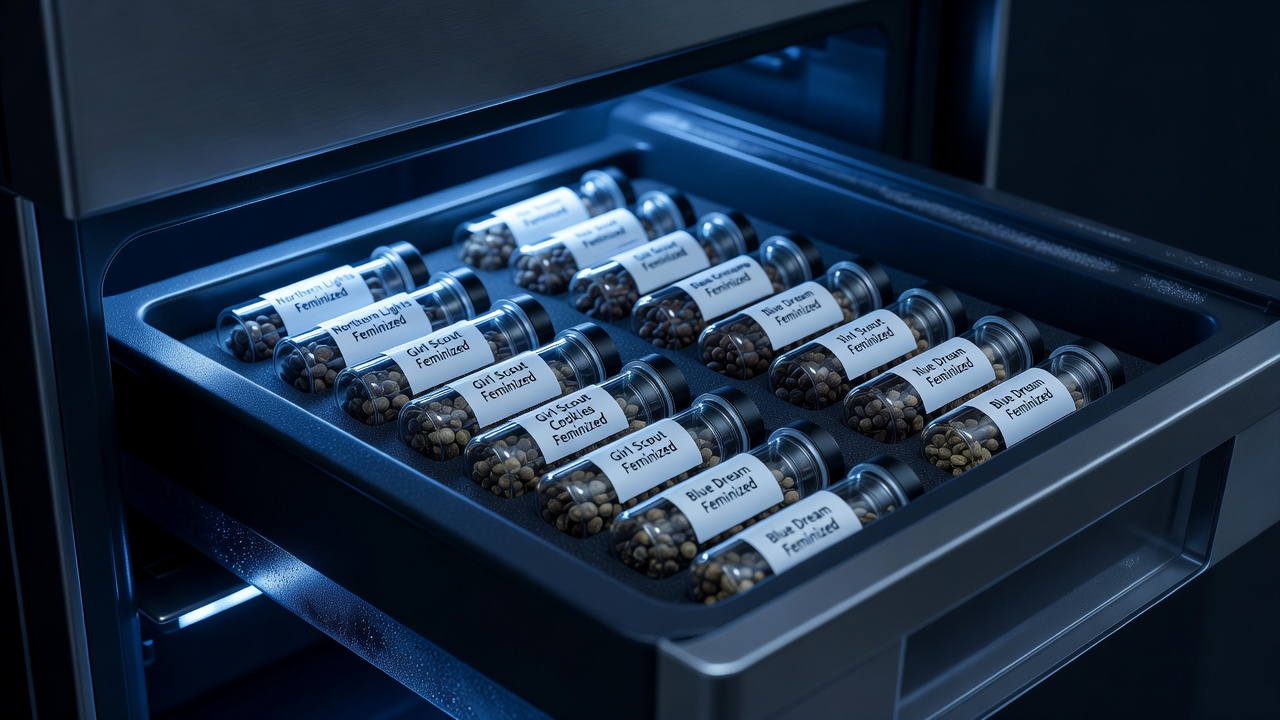
Storing feminized cannabis seeds correctly is essential for home growers who want to maintain high viability and protect the genetic potential of female plants. In 2026, with photoperiod cannabis strains still popular among enthusiasts, proper preservation techniques ensure seeds remain viable for years. This guide explores the science-backed conditions and practical steps needed to maximize longevity while minimizing risks like mold, premature germination, or genetic degradation. Home growers often invest significant time selecting premium feminized varieties from trusted sources, only to see poor results if storage is neglected. For example, a beginner who left seeds in a warm kitchen drawer saw germination rates fall below 40 percent within six months, highlighting how small oversights compound quickly.
Why Proper Storage Matters for Feminized Seeds
Feminized seeds are bred to produce only female plants, making them a valuable investment for cultivators focused on bud production rather than pollination. Poor storage can reduce germination rates dramatically, wasting time and resources. Factors such as heat, moisture, and light exposure accelerate aging by breaking down the seed’s protective outer layer and internal nutrients. By controlling these variables, growers safeguard the female genetics that define high-yielding photoperiod varieties. Consider a dedicated collector who saved seeds from a prize-winning photoperiod strain; after two years in proper conditions, 85 percent still germinated successfully, allowing consistent replication of desired traits across multiple seasons.
Research from agricultural authorities shows that seeds stored under suboptimal conditions lose viability within months, while optimized environments extend shelf life to five years or more. Home growers should treat storage as a critical part of cultivation planning, especially when collecting seeds from prized harvests. Practical guidance includes creating a simple logbook to record storage start dates and periodic checks, turning storage into a repeatable routine rather than an afterthought.
Optimal Temperature Conditions
Temperature is the most influential factor in seed preservation. The ideal range for long-term storage of feminized cannabis seeds is between 4°C and 8°C, similar to standard refrigerator conditions. Avoid freezing unless using specialized vacuum-sealed methods, as ice crystals can damage embryonic tissues. A concrete example is placing seeds in the refrigerator’s main compartment rather than the freezer drawer; one grower reported stable results over four years using this approach.
Fluctuating temperatures cause condensation inside containers, leading to mold. Maintain a consistent cool environment by storing seeds in the back of a refrigerator rather than the door. For short-term use, room temperature below 20°C works but shortens viability. Always allow seeds to reach room temperature gradually before opening containers to prevent moisture buildup. In practice, remove the container from the fridge and wait 30 minutes before opening; this step alone has helped many growers avoid sudden humidity spikes that ruin batches.
Additional Temperature Management Tips
Growers in warmer regions can use a small wine cooler set to 6°C as a dedicated seed unit. Monitor with a digital thermometer inside the storage area to confirm stability, adjusting placement if daily swings exceed 2°C.
Humidity Control Essentials
Humidity must stay below 10% relative humidity to prevent fungal growth and maintain seed dormancy. Excess moisture triggers metabolic activity that depletes energy reserves needed for germination. Use desiccants such as silica gel packets or rice in airtight containers to absorb any residual water vapor.
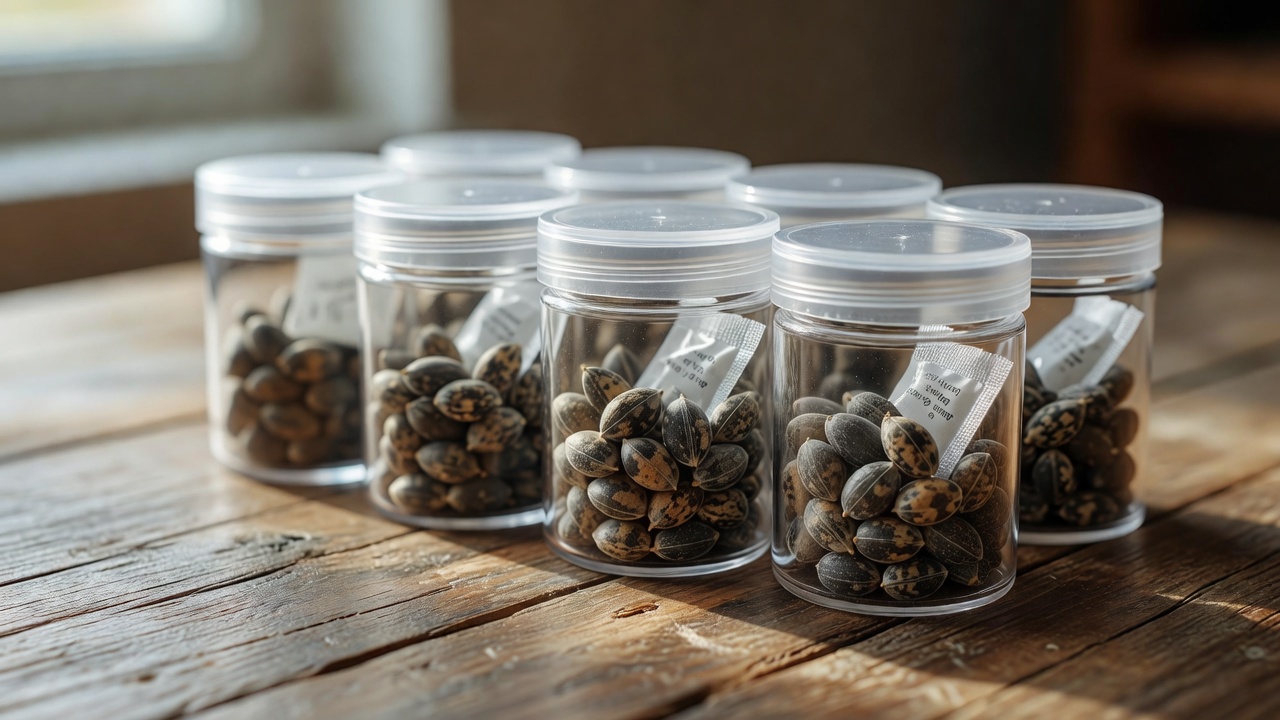
Invest in a small hygrometer to monitor levels inside storage jars. Glass vials with rubber seals or Mylar bags provide excellent barriers against ambient humidity. In humid climates, consider a dedicated mini-fridge with a dehumidifier function for added protection. Regular checks every few months ensure conditions remain stable. A practical example involves a Pacific Northwest grower who added color-indicating silica gel; when the gel turned pink, it signaled time to replace the desiccant before seeds were affected.
Step-by-Step Humidity Setup
- Place seeds in a small paper envelope inside the main container.
- Add two silica packets per 50 seeds.
- Seal and label, then check the hygrometer monthly.
The Role of Darkness in Preserving Genetics
Light exposure, even indirect, can degrade cannabinoids and terpenes precursors within seeds while promoting unwanted oxidation. Feminized seeds should always be kept in complete darkness to protect their photoperiod-responsive genetics. Opaque containers or foil-wrapped packaging blocks harmful wavelengths effectively.
Many growers use original seed bank packaging combined with secondary dark storage boxes. This double-layer approach adds security against accidental light exposure during handling. Darkness also helps stabilize hormones responsible for female plant development once seeds are eventually planted. One experienced cultivator wraps each vial in aluminum foil before placing it in a black plastic box, achieving zero light penetration even during frequent access.
Practical Storage Containers and Methods
Choose containers that are airtight, light-proof, and moisture-resistant. Popular options include amber glass jars, vacuum-sealed plastic pouches, and pharmaceutical-grade vials. Label each container with strain name, purchase date, and storage start date for easy tracking.
- Divide large collections into small batches to limit air exposure when retrieving seeds.
- Store multiple varieties separately to avoid cross-contamination risks.
- Consider long-term archival in a dedicated seed vault setup using food-grade mylar and oxygen absorbers.
These methods align with guidelines from organizations like the USDA Agricultural Research Service, which emphasize controlled atmospheres for preserving plant genetic material. For instance, dividing 200 seeds into ten labeled batches means opening only one small container at a time, preserving the rest for years longer.
Monitoring and Testing Seed Viability
Periodically test a small sample by attempting germination on moist paper towels at 20-25°C. Track success rates over time to decide when to refresh stock. Viable feminized seeds typically sprout within 3-7 days under proper conditions.
Document results in a grow journal to refine future storage strategies. If rates drop below 70%, prioritize using remaining seeds or acquiring fresh stock from reputable breeders. This proactive approach maximizes success rates for photoperiod cannabis projects. A sample test might involve five seeds every six months; noting root emergence times helps predict overall batch health accurately.
Germination Test Walkthrough
- Moisten a paper towel and place seeds between folds.
- Keep at consistent 22°C in darkness for five days.
- Count sprouts and record the percentage for future reference.
Conclusion
Mastering storage techniques for feminized seeds empowers home growers to preserve valuable genetics reliably. By focusing on cool temperatures, low humidity, darkness, and quality containers, enthusiasts can extend viability significantly. Apply these methods consistently and monitor conditions regularly for the best outcomes in your cannabis cultivation journey. For further reading, consult resources on seed physiology from PubMed.