
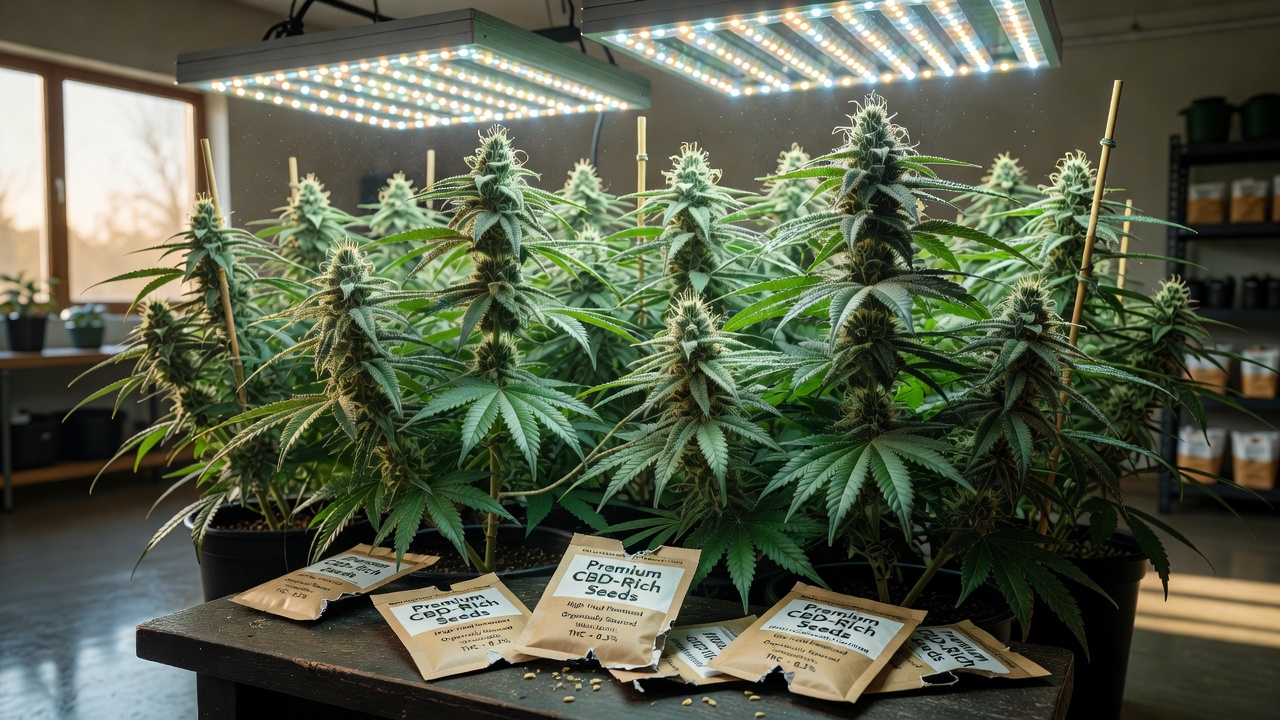
Selecting the right cannabis seeds is essential for home growers aiming to cultivate CBD-rich plants with reliable effects. In 2026, the market offers numerous options from seed banks specializing in balanced THC/CBD varieties and medical-focused strains. Stability in genetics ensures consistent cannabinoid profiles, reducing the risk of plants deviating from expected CBD levels. This guide explores how to identify high-quality CBD genetics while focusing on factors that promote uniformity across crops. Home growers often begin by matching seed choices to their specific setup, whether a small indoor tent or a backyard plot, because even minor genetic inconsistencies can affect final yields and therapeutic value.
Understanding CBD-Rich Cannabis Genetics
CBD-rich strains derive from selective breeding of landrace varieties and modern hybrids that express high cannabidiol content. These genetics often originate from plants like those found in regions with traditional hemp cultivation. Growers benefit from strains that maintain CBD percentages above 10% while keeping THC below legal limits in many areas. Stability plays a critical role because unstable seeds can produce offspring with wildly varying cannabinoid ratios, leading to unpredictable harvests. For instance, a grower starting with a stable CBD strain can expect uniform resin production across all plants, whereas unstable stock might result in some individuals testing at only 5% CBD and others spiking unexpectedly in THC.
Home enthusiasts should prioritize seeds labeled as stabilized F1 or F2 hybrids from trusted sources. This foundation helps avoid phenotypes that lean too heavily toward THC dominance or fail to produce adequate resin. Researching lineage details provided by seed banks reveals the parent plants used, offering insight into potential consistency. Practical guidance includes noting the exact ratio listed on the seed packet and cross-checking it against independent grow journals from previous seasons. A concrete example is selecting a strain whose parents both consistently tested above 12% CBD in controlled environments, giving the new crop a strong chance of matching those results under similar lighting and nutrient schedules.
Breeding Techniques for Stabilizing High-CBD Strains
Modern breeding employs backcrossing and self-pollination methods to lock in desirable traits like elevated CBD production. Backcrossing repeatedly mates offspring with a stable parent plant, reinforcing cannabinoid profiles over generations. Seed banks use this approach to create uniform seeds that perform predictably under various growing conditions. Growers can replicate a simplified version of this stability concept at home by selecting the most uniform plants from an initial test batch and propagating clones from them in subsequent runs.
Another technique involves selective pheno-hunting, where breeders test multiple plants and choose only those expressing the target CBD levels for further propagation. This process minimizes genetic drift and ensures medical users receive consistent therapeutic benefits.
Applying Backcrossing Principles at Home
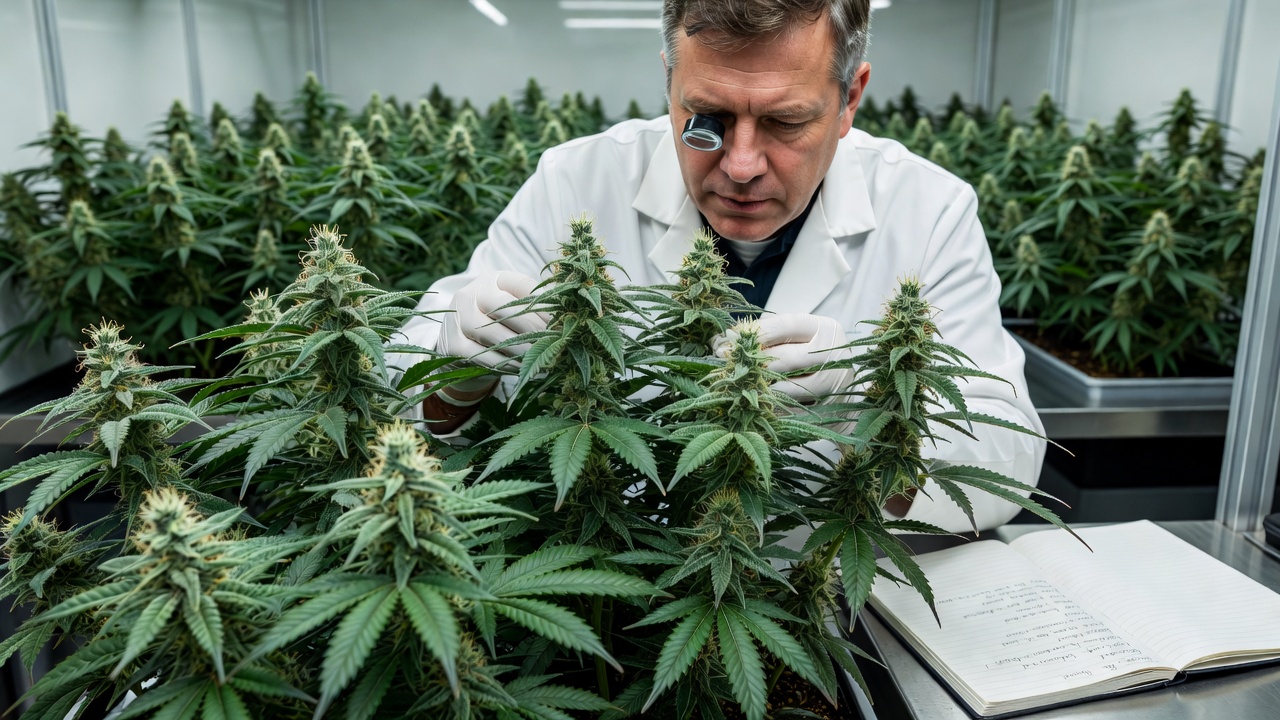
Although home growers cannot perform laboratory-level backcrossing, they can achieve similar uniformity by cloning the strongest CBD-expressing plants from their first harvest. For example, after flowering a pack of 10 seeds, a grower might identify three plants that all test within 1% of the advertised CBD level and then take cuttings for the next cycle. This practical step reduces variance and builds a personal library of reliable genetics over time.
Key Traits to Verify When Buying Cannabis Seeds
When evaluating seed offerings, check for detailed lab reports showing cannabinoid content from multiple test grows. Reputable banks provide data on average CBD yields and variance across batches. Look for germination rates above 90% and descriptions of plant structure, flowering time, and resistance to common issues like mold. Concrete grower guidance includes requesting the full certificate of analysis rather than relying on marketing summaries, then comparing the reported standard deviation in CBD percentages; anything above 2% suggests potential instability.
- Verify feminized or regular seed options based on your growing setup. Feminized seeds suit beginners who want to avoid male plants, while regular seeds allow for breeding projects but require extra monitoring space.
- Confirm the strain’s pedigree includes known high-CBD parents. Reviewing the listed grandparents can reveal whether the line has been stabilized through multiple generations of selection.
- Review customer feedback on actual harvested cannabinoid profiles. Forums and grow logs often include photos of lab results from real harvests, providing a clearer picture than seed-bank descriptions alone.
These traits indicate the seed bank invests in rigorous testing rather than mass production of unproven genetics. An additional practical example is noting flowering times listed in days; a strain advertised at 8–9 weeks that consistently finishes in that window across multiple reports demonstrates good stability.
Reputable Seed Banks Specializing in CBD Varieties
Established seed banks maintain transparency through independent testing and clear genetic histories. Seek providers that offer both medical CBD-dominant options and balanced 1:1 THC/CBD strains suitable for diverse needs. Many focus on organic breeding practices that preserve terpene profiles alongside cannabinoids. Growers should contact customer support with specific questions about variance data before purchasing; responsive banks that share batch-specific test results earn higher trust.
Cross-reference bank claims with resources from major research organizations such as https://www.ncbi.nlm.nih.gov for peer-reviewed studies on cannabis stability. This extra step helps confirm the science behind advertised genetics. In practice, a grower might print recent studies on CBD heritability and compare the reported heritability coefficients to the seed bank’s own variance numbers.
Practical Tips for Avoiding Unstable Genetics
Start by purchasing small test packs from multiple banks to compare performance in your environment. Avoid deals that seem too good to be true, as low prices often signal untested or unstable stock. Always request certificates of analysis for recent grows. A useful routine is to label each test pack clearly, record germination dates, and photograph seedlings at the three-week mark to spot early signs of inconsistency.
Monitor early growth stages for uniformity in leaf shape and vigor. Inconsistent seedlings frequently indicate poor stabilization. Document your results to build a personal database of reliable sources over time. For example, noting that one bank’s seeds all showed identical internode spacing while another showed wide variation helps guide future purchases and prevents wasted effort on unreliable stock.
Targeting Medical or Balanced THC/CBD Varieties
For medical applications, prioritize strains engineered for specific CBD concentrations that support consistent dosing. Balanced varieties appeal to enthusiasts seeking mild psychoactive effects paired with CBD benefits. Seed banks increasingly list intended use cases to guide selections. Growers targeting medical use should calculate expected CBD output per plant using the advertised percentage and typical dry weight, then adjust nutrient schedules to stay within that target range.
Consider environmental factors like indoor versus outdoor suitability, as these influence how genetics express themselves. Stable seeds adapt better across setups, delivering predictable outcomes regardless of minor variations in care. A practical example is choosing an indoor-optimized CBD strain for a grow tent with LED lights while selecting an outdoor version of the same line for a greenhouse, ensuring both deliver similar cannabinoid profiles despite different conditions.
Conclusion
Choosing stable CBD-rich cannabis seeds requires attention to breeding history, verified traits, and proven seed bank practices. By applying these principles in 2026, home growers can achieve consistent cannabinoid profiles suited to both medical and recreational goals. Investing time in research yields higher-quality harvests and greater satisfaction from the cultivation process. Keeping detailed records of each grow further refines future seed selections and builds long-term success.