
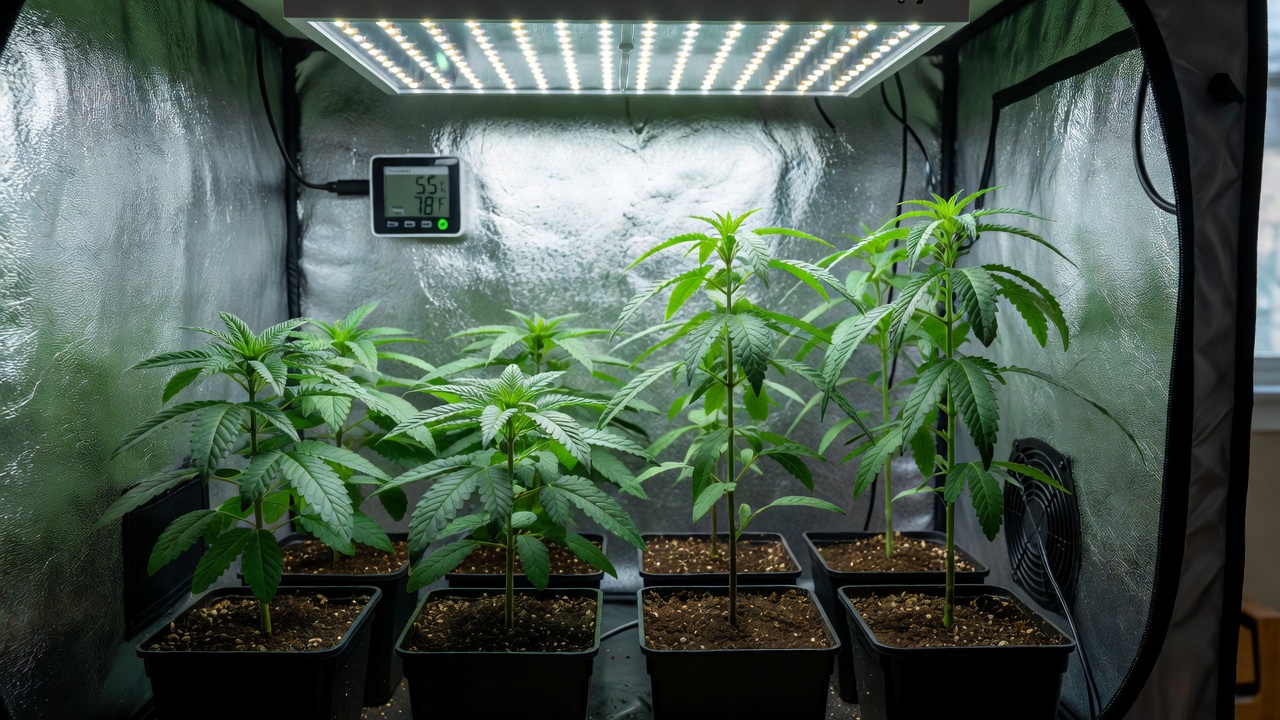
Introduction to Indica and Sativa for New Growers
Choosing the right cannabis seeds is one of the most important decisions for beginners entering the world of home cultivation in 2026. Indica and Sativa strains offer distinct characteristics that affect everything from plant height to harvest timing. This guide focuses on easy-to-grow options ideal for first-time setups, helping enthusiasts avoid common mistakes while maximizing success. Whether you’re growing indoors or in a small outdoor space, understanding these differences sets the foundation for a rewarding experience.
Beginners often start with hybrid seeds that blend Indica and Sativa traits, but pure comparisons remain valuable. Easy cannabis seeds typically feature resilient genetics, forgiving nutrient needs, and shorter flowering periods. By the end of this article, you’ll have clear recommendations and practical advice tailored to limited experience levels. For example, a first-time grower in a 1×1 meter tent might select an Indica-dominant option to stay under height limits without constant intervention.
Understanding the Core Differences Between Indica and Sativa
Indica strains generally originate from cooler climates and produce shorter, bushier plants with broad leaves. They tend to mature faster, often finishing in 7-9 weeks of flowering. Sativa varieties come from equatorial regions, resulting in taller, more slender plants with narrow leaves that can stretch significantly during bloom. These growth patterns directly influence space requirements in beginner setups.
For new growers, Indica’s compact size makes it suitable for closets or small tents, while Sativas demand more vertical room. Effects also differ: Indicas often promote relaxation, whereas Sativas lean toward uplifting sensations. When selecting seeds, consider your environment first to match strain behavior with available conditions. A practical example is matching a short Indica to a 1.2-meter grow tent where vertical space is limited to 1.8 meters total after lights and fans.
Origin and Physical Traits
Indica plants evolved in mountainous regions of Afghanistan and Pakistan, developing thick stems and wide leaves to capture limited sunlight. Sativa plants from Colombia and Thailand grew tall and thin to compete in dense equatorial forests. These traits carry over to modern seeds, so beginners should measure their grow area before ordering.
Growth Differences and Timeline Expectations
During the vegetative stage, Indica plants stay compact and develop thick stems quickly, reaching 60-90 cm indoors without much training. Sativas can double or triple in height once flowering begins, sometimes exceeding 150 cm. This difference means beginners should monitor stretch carefully with Sativas to prevent overcrowding.
Flowering times vary: Indicas finish reliably in under 9 weeks, suiting those seeking faster harvests. Sativas may take 10-12 weeks or longer.
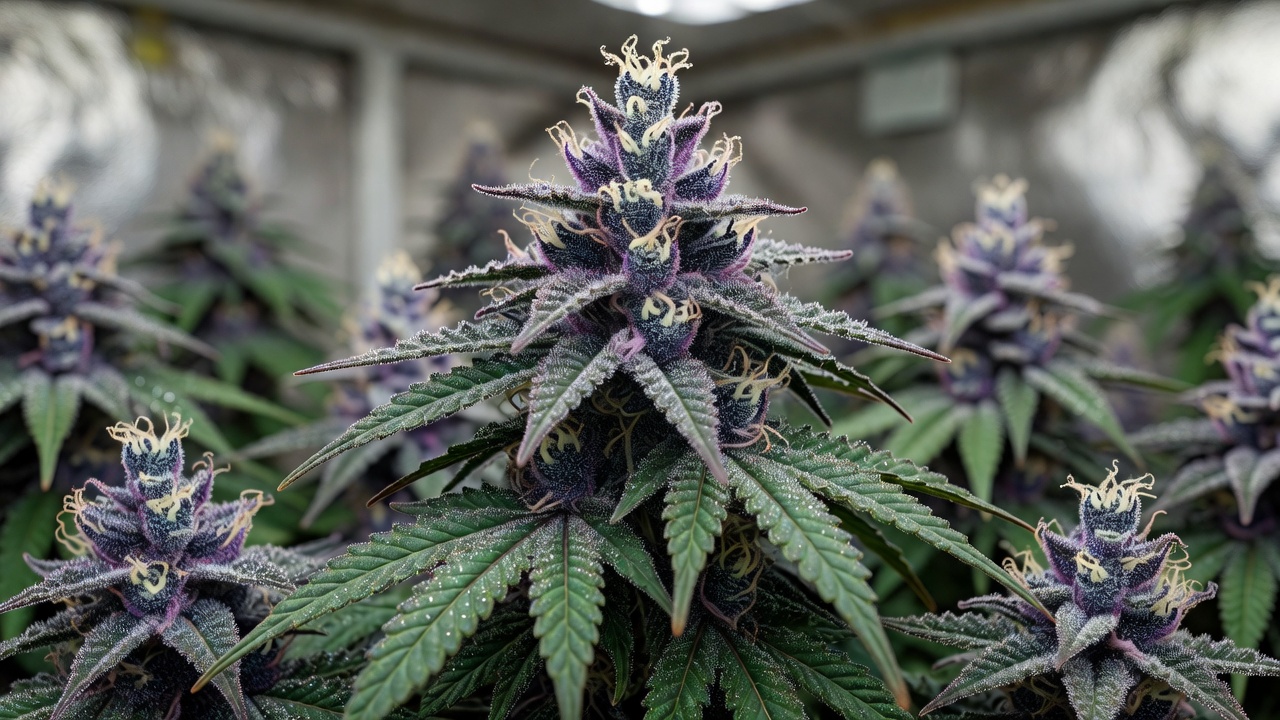
Photoperiod adjustments help control these timelines in indoor environments. For instance, switching lights to 12 hours on and 12 off at week 4 of veg can trigger flowering earlier in Sativas if space becomes tight.
Vegetative and Flowering Stages in Detail
In weeks 1-4 of veg, Indicas develop 4-6 nodes with minimal spacing between them. Sativas may reach 8-10 nodes with 10 cm gaps, requiring early topping. During flowering, Indica buds fatten by week 5 while Sativa colas elongate until week 7.
Yield Expectations for First-Time Setups
Realistic yields for beginners average 100-200 grams per square meter with proper care. Indica strains often deliver denser buds and higher gram-per-plant results in limited spaces due to their structure. Sativas produce lighter, airier flowers but can yield more overall volume if height is managed through topping or low-stress training.
Factors like lighting (LEDs at 300-600W), soil quality, and consistent watering affect outcomes. Expect lower yields in your first cycle as you learn; many new growers achieve 150g+ by the second attempt with the same seeds. A concrete example is harvesting 120 grams from a single Northern Lights plant in a 60×60 cm tent using a 400W LED.
Calculating and Improving Yields
Track dry weight after a 10-day cure. Beginners can boost results 20 percent by adding one extra week of veg or using fabric pots that improve root airflow. Avoid overfeeding, which often reduces final weight instead of increasing it.
Recommended Easy Cannabis Seeds for Beginners
Popular beginner-friendly Indica options include Northern Lights and Granddaddy Purple, known for mold resistance and simple nutrient schedules. For Sativas, Durban Poison offers straightforward growth with good pest tolerance. Balanced hybrids like Blue Dream or White Widow combine ease with solid yields.
Always source feminized seeds to avoid males, reducing complexity. These varieties thrive in both soil and hydro setups, making them versatile for home growers starting out. Northern Lights, for example, tolerates minor pH swings between 5.8 and 6.5 without showing stress.
Seed Selection Checklist
- Choose feminized packs of 3-5 seeds to start small.
- Verify breeder reputation through grow reports.
- Match expected height to your ceiling clearance.
Care Tips Tailored for New Growers
Start with quality potting soil amended with perlite for drainage. Water only when the top inch feels dry, and maintain pH between 6.0-7.0. Provide 18 hours of light in veg and switch to 12/12 for flowering. Keep temperatures at 20-26°C and humidity around 50-60% during bloom.
Monitor for deficiencies early and use organic nutrients at half strength initially. Simple training techniques like LST help control height without stress. Regular pruning of lower leaves improves airflow and reduces disease risk. In practice, check soil moisture every other morning and feed every third watering during flowering.
Weekly Care Schedule
- Week 1-3 veg: Water 500 ml per 5-liter pot, check pH weekly.
- Week 4-6 flower: Increase light intensity gradually, defoliate lower fan leaves once.
- Final two weeks: Flush with plain pH-adjusted water only.
Common Pitfalls to Avoid During the Grow Cycle
Overwatering remains the top mistake, leading to root rot in new setups. Avoid rushing the harvest—check trichomes with a magnifier instead of guessing by calendar. Poor ventilation causes mold, especially with dense Indica buds. Inconsistent lighting or nutrient burns can stunt growth quickly.
Track your environment daily and start small. Learning from each cycle builds confidence faster than any single guide. A common example is new growers harvesting at week 7 instead of waiting for cloudy trichomes, resulting in lower potency.
Daily Monitoring Routine
- Record temperature and humidity at lights-on and lights-off.
- Inspect leaf color for early deficiency signs.
- Adjust fans to maintain gentle leaf movement.
Conclusion
Indica and Sativa strains each bring unique advantages for beginner cultivators when matched to your space and goals. Focus on resilient, easy seeds like Northern Lights or Durban Poison to build skills confidently. With attention to growth patterns, realistic yields, and basic care, your first harvest can be successful. Explore further at ncbi.nlm.nih.gov for research insights and leafly.com for strain details. Happy growing!