

Selecting the right cannabis seeds for high THC levels while ensuring genetic stability is essential for home growers seeking consistent, potent harvests. In 2026, the market offers countless options, but not all deliver on promises of elevated THC without instability issues like hermaphroditism or inconsistent phenotypes. This guide explores practical approaches centered on trusted seed banks, lab testing, and lineage evaluation to help enthusiasts make informed decisions. Home growers often start by assessing their own environment, such as indoor tent size or outdoor climate, to match seeds that will thrive without unexpected surprises.
Understanding THC Potency and Genetic Stability
THC, the primary psychoactive compound in cannabis, varies widely across strains due to genetic factors. High-THC strains often exceed 20% concentration, but achieving reliable results requires more than marketing hype. Genetic stability refers to a strain’s ability to produce uniform plants across generations, minimizing variations in growth, yield, and cannabinoid profiles. Unstable genetics can lead to disappointing outcomes, such as lower potency or unexpected plant traits that complicate cultivation for home growers. For example, a beginner grower selecting an unstable strain might notice some plants finishing two weeks earlier than others, creating harvest timing issues in a shared space.
Stable genetics typically arise from careful selective breeding over multiple generations. Breeders focus on homozygous traits to lock in desired characteristics like elevated THC. Home growers benefit from this by enjoying predictable results in their indoor or outdoor setups, reducing the risk of crop failure or variable effects. Practical guidance includes starting with small test grows of three to five plants to verify uniformity before scaling up. Clearer explanations show that stability also means consistent resistance to common issues like mold, which helps in humid regions where growers must maintain 40-50% humidity during flowering.
Identifying Trusted Seed Banks for Quality Seeds
Reputable seed banks prioritize transparency and quality control, sourcing from established breeders with proven track records. Look for banks that provide detailed strain information, including origin stories and expected THC ranges backed by data. Established names often collaborate with laboratories for verification, offering peace of mind that seeds will perform as described. Growers can check forums for recent harvest reports showing actual THC results from similar setups.
When evaluating banks, consider their shipping policies, customer reviews from grower communities, and commitment to preserving landrace genetics. These factors indicate reliability, as trusted sources avoid shortcuts that compromise seed viability. Always verify the bank’s focus on compliance with local regulations to ensure a smooth purchasing experience. A concrete example is choosing a bank that ships discreetly in plain packaging and offers replacement guarantees if germination rates fall below 80%.
Analyzing Lineage and Breeding Methods
Lineage analysis involves tracing a strain’s parentage to understand its genetic heritage. High-THC strains frequently derive from crosses involving potent landraces or modern hybrids like those with OG Kush or Haze ancestry. Examining breeding methods reveals whether a strain was created through backcrossing for stability or simple F1 hybridization that may produce variable offspring. Backcrossing, for instance, repeatedly mates offspring with a strong parent to reinforce THC production over several generations.
Effective breeding for consistency includes techniques like cubing or selfing to reinforce THC expression. Growers should seek strains with documented multi-generational stability, avoiding those bred solely for marketing buzz. This analysis helps predict performance and ensures the seeds align with goals for enhanced potency without genetic drift. In practice, a grower might review a pedigree chart showing three backcross generations before buying, then expect uniform 22% THC across a 10-plant crop rather than swings from 15% to 28%.
Spotting Red Flags in Potency Claims
Exaggerated THC percentages without supporting evidence represent a major warning sign. Claims exceeding 30% often lack verification and may stem from inflated lab results or selective sampling. Unstable strains marketed as high-THC can underperform, leading to frustration during the grow cycle. Additional red flags include vague descriptions of breeding history or pressure to purchase based on hype rather than data.
Avoid banks that refuse to disclose testing methodologies or provide only anecdotal evidence. These practices signal potential instability and unreliable THC delivery in final harvests. Practical examples include skipping strains advertised with unverified 35% THC when similar genetics tested at 24% in independent reports, saving time and money on seeds that would otherwise disappoint.
Lab Verification and Testing Protocols
Independent lab testing confirms THC levels and genetic markers through methods like HPLC analysis and DNA sequencing. Trusted seed banks partner with accredited facilities to provide certificates of analysis for each batch. This verification ensures seeds carry the promised potency potential and lack contaminants that could affect plant health. HPLC works by separating cannabinoids in a sample to deliver precise percentage readings growers can trust.
Growers can cross-reference results with third-party databases for added assurance.
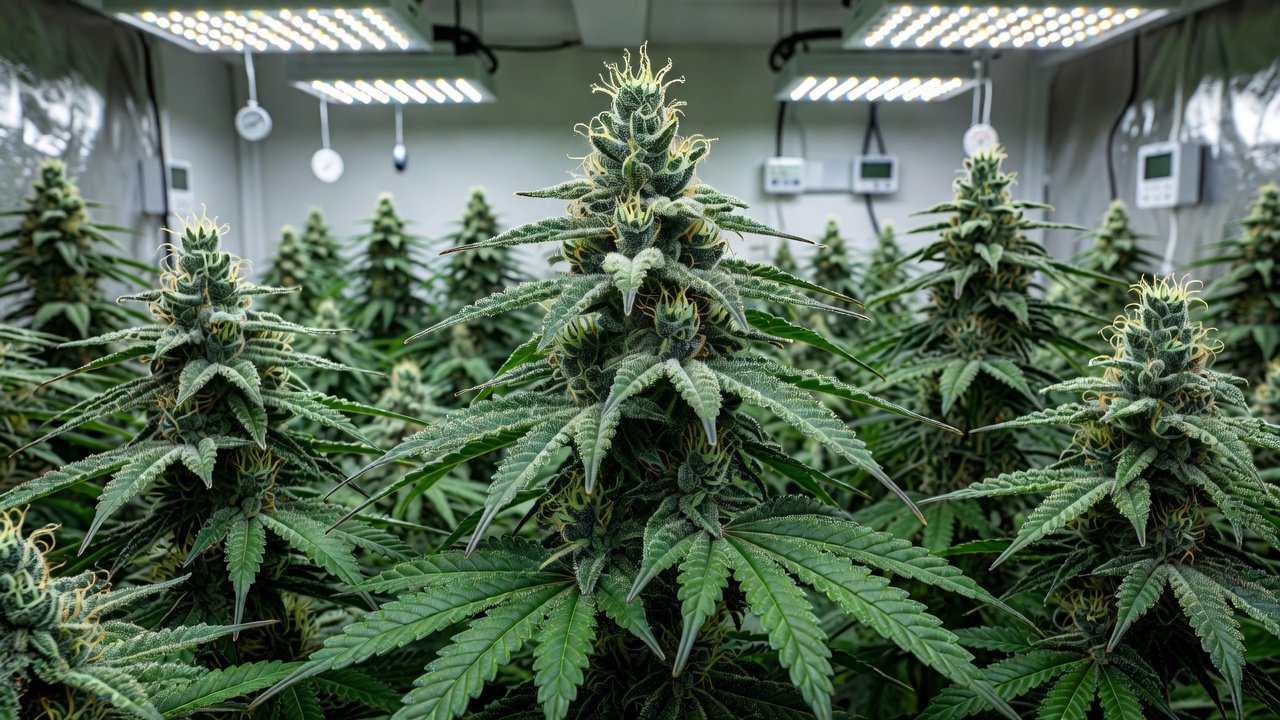
Incorporating regular testing into the selection process minimizes risks associated with unverified products. Resources such as NCBI offer insights into cannabis genetics research that support informed choices. A step-by-step approach is to request batch-specific COAs, compare them against at least two other labs, and only purchase if results align within 2% variance.
Practical Steps to Purchase Reliable High-THC Seeds
Begin by researching strain databases and forums dedicated to cultivation for real-user feedback on performance. Narrow options to banks offering germination guarantees and detailed grow guides. Request lineage charts and lab reports before committing to a purchase.
- Compile a shortlist of three strains matching your space and climate.
- Verify each bank’s return policy and recent lab data.
- Order a starter pack of five to ten seeds to test in your setup.
Compare multiple sources for the same strain to identify consistent offerings. Start with smaller quantities to test viability in your setup. This methodical approach yields seeds that deliver stable, high-THC results season after season. For instance, documenting weekly observations like leaf structure and flowering time helps confirm stability before expanding the garden.
Conclusion
By prioritizing lab-verified strains from reputable banks and scrutinizing lineage and claims, home growers can secure high-THC cannabis seeds with reliable genetics. These steps foster successful cultivation experiences while avoiding common pitfalls in the evolving 2026 market. Applying this knowledge empowers enthusiasts to achieve enhanced potency and consistency in every grow, from initial seed selection through final harvest.