
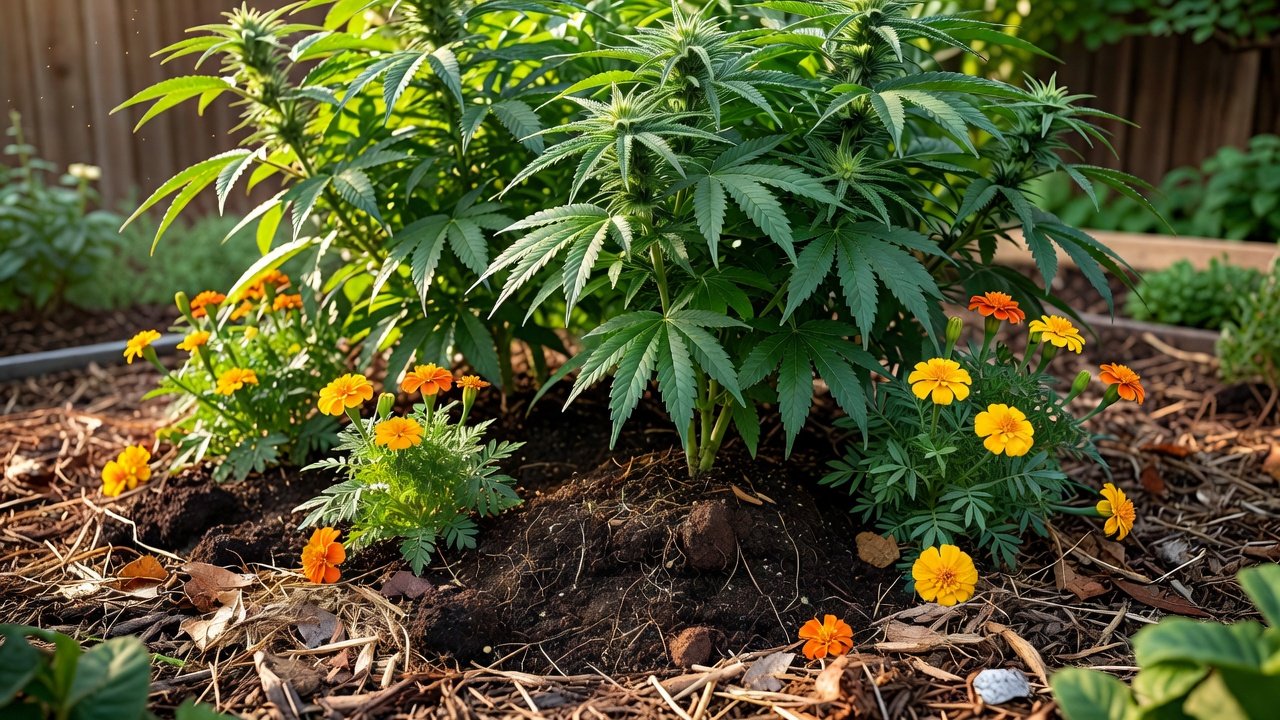
Introduction to Organic Cannabis Cultivation in 2026
Organic cannabis growing emphasizes sustainability, soil vitality, and natural inputs to produce high-quality flowers without synthetic chemicals. As home growers seek eco-friendly methods tailored for 2026, this approach prioritizes biodiversity, reduced environmental impact, and robust plant health from the very first seed. By focusing on living soils and holistic care, enthusiasts can achieve potent, flavorful harvests while complying with evolving regulations that favor sustainable practices. For example, many states now offer incentives for organic certifications, encouraging growers to document their inputs and soil health metrics each season.
Starting with quality organic seeds sets the foundation. These genetics respond exceptionally well to natural environments, developing stronger immune systems and terpene profiles. Home growers benefit from lower costs over time and the satisfaction of nurturing plants in harmony with nature. Consider sourcing heirloom strains from reputable organic seed banks that test for germination rates above 90 percent. This guide details every step for success in backyard or indoor setups, including how to scale from a few plants to a small garden while tracking inputs in a simple notebook or app.
Preparing Nutrient-Rich Organic Soil
Soil preparation forms the cornerstone of organic success. Begin by testing your native soil pH and nutrient levels using home kits, aiming for a slightly acidic range of 6.0 to 6.8 ideal for cannabis. Amend with composted manure, worm castings, and aged leaf mold to build a living microbiome teeming with beneficial bacteria and fungi. In practice, a simple test kit costing under twenty dollars can reveal nitrogen levels below 50 ppm, prompting you to add two inches of worm castings per square foot before planting.
Incorporate perlite or rice hulls for aeration and drainage without synthetic additives. Create raised beds or large fabric pots at least 20 gallons in size to allow root expansion. This setup encourages mycorrhizal networks that enhance nutrient uptake naturally.
A practical example is mixing one part perlite to three parts composted soil in a 30-gallon fabric pot, which provides ample space for roots to reach three feet deep and access stored nutrients during peak flowering.
Many growers layer mulch on top to retain moisture and suppress weeds organically. Over the season, top-dress with fresh compost to maintain fertility. Healthy soil prevents common deficiencies and supports vigorous growth throughout vegetative and flowering stages. Aim to refresh the top two inches of soil every four weeks with a blend of aged manure and leaf mold to keep microbial activity high.
Germinating and Starting Seeds Organically
Germination requires minimal intervention. Soak seeds in distilled water for 12-24 hours, then place between damp organic cotton pads in a warm, dark spot around 70-80°F. Once taproots emerge, transfer to small biodegradable pots filled with your prepared soil mix. Track each seed’s progress in a journal noting soak time and temperature to refine future batches.
Provide gentle indirect light initially and maintain consistent moisture without overwatering. Seedlings thrive in organic conditions where beneficial microbes protect against damping-off. Monitor for the first true leaves before transplanting to final containers, ensuring minimal root disturbance. A common example involves using peat pots that decompose directly in the larger bed, reducing transplant shock by 80 percent compared to plastic containers.
Applying Natural Fertilizers and Soil Amendments
Feed plants with organic inputs like fish emulsion, seaweed extract, and bat guano during vegetative growth. These supply nitrogen and trace minerals gradually. Transition to phosphorus-rich amendments such as bone meal and rock phosphate in flowering for dense bud development. Apply fish emulsion at a rate of one tablespoon per gallon of water every two weeks during the first four weeks of vegetative growth.
- Brew compost teas weekly using finished compost, molasses, and aerated water to boost microbial activity. Aerate the tea for 24 to 48 hours in a five-gallon bucket with an aquarium pump before applying one quart per plant.
- Apply kelp meal for potassium and growth hormones. Sprinkle one cup per 20-gallon pot at the start of flowering and again at week four to support resin production.
- Rotate amendments based on plant response observed through leaf color and vigor. If leaves show yellowing midway through vegetative stage, add an extra half-cup of bat guano rather than increasing overall volume.
Avoid over-fertilization by observing plants closely. These methods release nutrients slowly, reducing runoff and promoting sustainable soil health across multiple cycles. For instance, a grower in a dry climate might reduce tea applications to every ten days to match lower evaporation rates.
Chemical-Free Pest and Disease Management
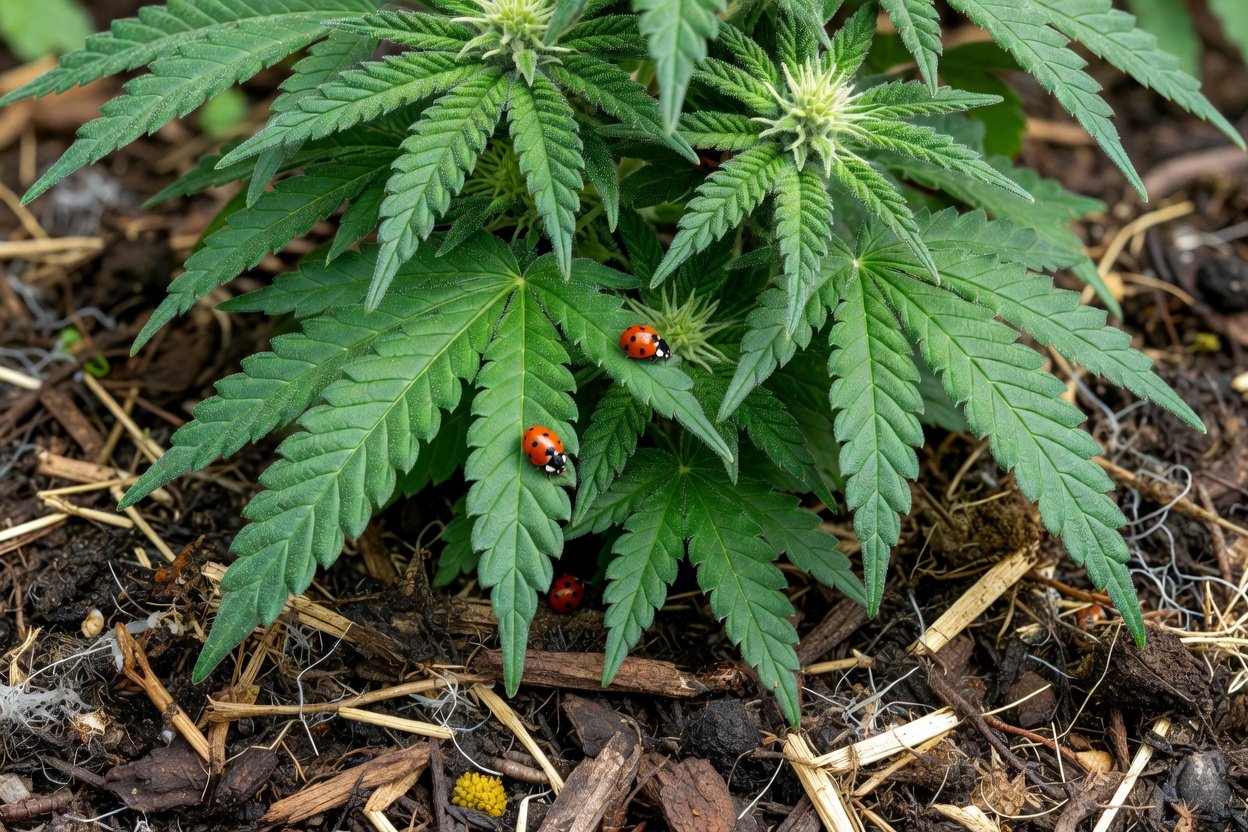
Integrated pest management relies on prevention and beneficial insects. Introduce ladybugs, predatory mites, and nematodes to control aphids, spider mites, and fungus gnats naturally. Companion planting with marigolds, basil, and dill repels unwanted visitors while attracting pollinators. Release 500 ladybugs at dusk in a 100-square-foot garden for effective early-season control.
Neem oil diluted in water serves as an effective foliar spray for early infestations. Maintain proper airflow and humidity below 55% in flower to deter mold. Regular scouting allows early intervention before problems escalate, preserving the organic integrity of the crop. Scout every three days, checking the undersides of leaves for eggs, and record findings to spot patterns across seasons.
Sustaining Soil Health for Long-Term Success
Rotate crops or add cover crops like clover between grows to fix nitrogen and improve structure. Avoid tilling excessively to preserve fungal networks. Test soil annually and replenish with diverse organic matter. Planting clover in fall and turning it under lightly in spring can add 50 pounds of nitrogen per acre equivalent in a small backyard plot.
For 2026 growers, these practices align with broader environmental goals. Resources from the USDA Natural Resources Conservation Service highlight how such methods enhance biodiversity and carbon sequestration in home gardens: https://www.nrcs.usda.gov. Documenting soil tests each year helps demonstrate compliance with local sustainability guidelines.
Harvesting and Curing for Premium Organic Yields
Harvest when trichomes turn milky with some amber hues, typically after 8-10 weeks of flower. Dry in a dark, ventilated space at 60-70°F and 45-55% humidity. Cure in glass jars, burping daily for the first weeks to develop smooth flavors. Use a jeweler’s loupe to check trichomes on multiple buds and harvest when 70 percent are milky for balanced effects.
Organic methods often yield resinous buds with superior aroma and effects. Track your results season to season, refining techniques based on local climate and genetics for consistent excellence. In a humid region, extend drying to 14 days with extra fans to prevent mold while preserving terpenes.
In conclusion, embracing organic cannabis cultivation empowers home growers with sustainable, rewarding practices. By investing in soil biology and natural inputs, you secure high-quality yields while contributing to a healthier planet in 2026 and beyond.
Start your organic grow with quality Feminized Cannabis Seeds from a reputable seed bank.