
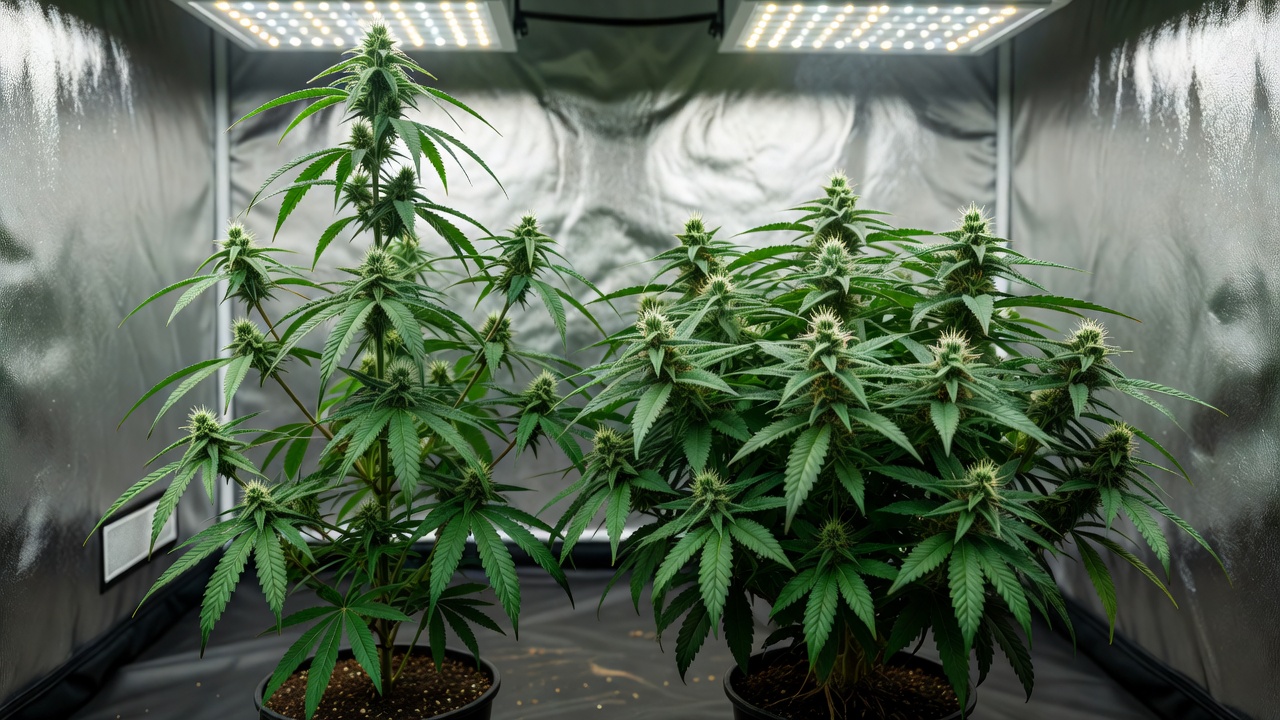
Choosing the right cannabis seeds starts with understanding the core differences between sativa and indica genetics. For home growers, stability is the hidden factor that determines whether a strain delivers predictable results or surprises that can waste an entire cycle. This guide explores how these two primary types compare, what stability means in practical terms, and how to source seeds that perform reliably year after year. Home cultivation success often hinges on matching genetics to your specific environment, available time, and desired effects, turning what could be a gamble into a repeatable process.
Core Genetic Differences Between Sativa and Indica
Sativa Characteristics and Cultivation Needs
Sativa genetics typically produce tall plants with narrow leaves and longer flowering times that can stretch 10 to 16 weeks. They often deliver uplifting effects that many enthusiasts associate with daytime use and creative activities. In practice, a pure sativa like an original Durban Poison landrace may reach heights of 8 feet indoors unless managed with techniques such as topping or low-stress training. Growers with limited vertical space should plan for at least 4 feet of clearance above the canopy during the stretch phase, or they risk plants outgrowing tents and lights.
Indica Characteristics and Cultivation Needs
Indica varieties, by contrast, stay shorter and bushier with broader leaves and faster flowering periods of 7 to 9 weeks. Their effects are frequently described as more relaxing and body-focused, suiting evening use. A classic Afghan indica might finish at just 3 to 4 feet, making it ideal for small closets or balconies. These traits are rooted in landrace origins but have been shaped by decades of selective breeding that refined yield and resilience.
Modern hybrid crosses blur these lines, yet the underlying genetic tendencies remain important for cultivation planning. Growers must match plant structure and flowering speed to their available space and climate. For example, a sativa-dominant hybrid in a northern climate with short summers may never finish outdoors before frost arrives. Understanding these fundamentals helps avoid mismatches that lead to poor yields or management issues, such as constant pruning or supplemental lighting.
Why Genetic Stability Matters for Home Growers
Stability refers to how consistently a seed produces plants with the expected traits across multiple generations. Unstable seeds can result in uneven growth, varying cannabinoid profiles, or hermaphroditic tendencies that ruin harvests. In 2026, premium seed banks invest heavily in stabilization techniques such as backcrossing and phenotype selection to minimize variation, often running 5 to 8 generations of testing before release.
Key stability indicators include uniform germination rates above 90 percent, consistent plant height within a 6-inch range, and predictable flowering times that vary by no more than 5 days. When evaluating seed listings, look for detailed lineage information and third-party testing data showing cannabinoid percentages and genetic markers. Stable genetics reduce risk and allow growers to focus on optimization rather than troubleshooting surprises, such as one plant finishing two weeks earlier than its siblings.
Selecting Seeds from Reputable Seed Banks
Not all seed banks maintain the same standards for genetic preservation. Prioritize vendors that publish lab results for germination viability and genetic markers, including batch-specific certificates. Established banks often offer detailed grow guides and customer support that reflect their commitment to quality, such as email consultations on nutrient schedules. Checking for organic certification or membership in industry associations adds another layer of confidence.
Always verify that seeds are sold as regular, feminized, or autoflowering according to your needs. Feminized seeds offer convenience for beginners by eliminating males, yet regular seeds provide greater genetic diversity for advanced breeding projects. Reading recent grow reports from other users on forums supplies real-world insight into stability performance, revealing whether a strain truly lives up to its advertised height or effect profile.
Advanced Techniques for Consistent Strain Performance
Experienced growers employ several methods to further ensure reliable outcomes. Phenotype hunting involves growing multiple seeds from the same batch and selecting the best-performing mother plants for cloning. This approach locks in desirable traits and improves future consistency across harvests.
- Test small batches of 3 to 6 seeds before committing to large grows of 12 or more plants.
- Document growth metrics such as internode spacing, resin production, and leaf width in a simple notebook or spreadsheet.
- Use tissue culture techniques when available to preserve elite genetics without repeated seed purchases.
- Monitor environmental variables closely during the first few cycles, adjusting humidity from 60 percent in veg to 45 percent in flower.
These steps transform a simple purchase into a long-term strategy for robust results. Many home cultivators now maintain private seed libraries built from proven stable lines, rotating two or three reliable varieties each year.
Common Stability Pitfalls and How to Avoid Them
One frequent mistake is chasing trendy new crosses without verifying their stabilization history. Novel hybrids may look appealing on paper but often require several generations of selection before they become reliable. Another issue arises from improper storage after purchase, such as leaving seeds in warm, humid drawers, which can degrade seed viability and apparent stability within months.
Always purchase from sources that provide fresh stock and clear storage recommendations, like keeping seeds in cool, dark glass vials. Cross-reference multiple seed bank reviews and avoid deals that seem unusually cheap, as they frequently indicate older or poorly stabilized inventory. For authoritative background on cannabis breeding science, consult resources from government research databases.

Conclusion: Building a Reliable Grow With Stable Genetics
Mastering sativa and indica differences alongside stability evaluation empowers home growers to achieve consistent, high-quality results. By focusing on reputable seed banks, applying advanced selection techniques, and avoiding common pitfalls, cultivators can develop strains that perform reliably across multiple seasons. The investment in stable genetics pays dividends through better yields and fewer cultivation headaches, setting the foundation for successful home growing in 2026 and beyond.