
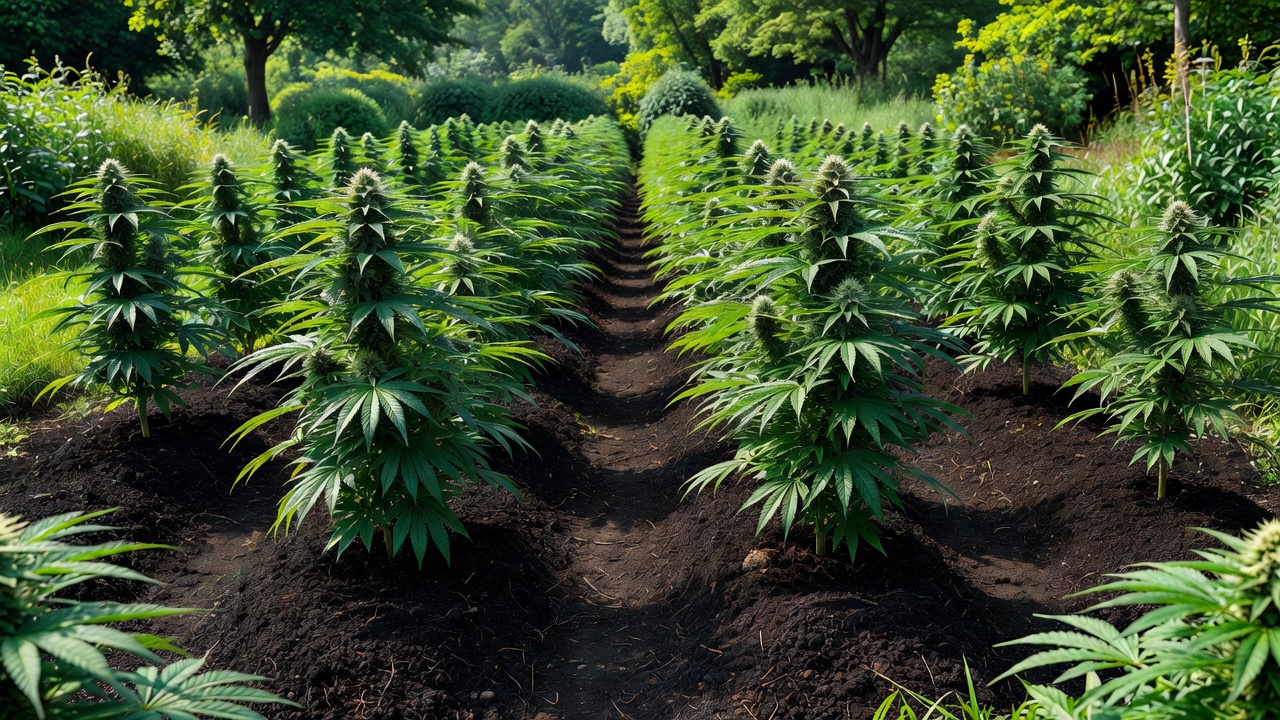
Preparing organic soil is the foundation of successful outdoor cannabis cultivation. In 2026, home growers increasingly turn to sustainable methods that avoid synthetic chemicals while boosting plant health and yields. This guide walks you through testing soil, selecting natural amendments, mastering composting techniques, and balancing pH levels for robust growth. By investing time upfront in soil preparation, cultivators create an environment where roots access steady nutrition, leading to resilient plants and higher-quality harvests season after season.
Why Organic Soil Matters for Outdoor Cannabis
Organic soil supports thriving microbial life that delivers nutrients steadily to cannabis roots. Unlike chemical fertilizers, it builds long-term fertility and improves water retention in outdoor beds. Home growers benefit from reduced costs and healthier plants that resist pests naturally. Living soil also buffers against weather extremes common in raised beds or in-ground plots.
By focusing on living soil, cultivators mimic natural ecosystems. This approach enhances terpene profiles and cannabinoid potency without environmental harm. Sustainable practices also align with regulations favoring eco-friendly methods. Many experienced growers report that plants grown in well-prepared organic beds require fewer interventions for pests or nutrient issues compared to those started in depleted native dirt.
Testing Soil pH and Composition
Begin by assessing your native soil with a reliable pH meter or test kit. Cannabis thrives in slightly acidic conditions between 6.0 and 7.0. Collect samples from multiple spots in your growing area at a depth of 6-8 inches. Mix the samples thoroughly before testing to obtain an average reading that represents the entire bed.
Send samples to a local extension service for detailed nutrient analysis. Results reveal deficiencies in nitrogen, phosphorus, or potassium. Adjust based on findings before adding amendments. For example, a soil test showing low nitrogen might prompt adding aged manure, while phosphorus shortages call for bone meal or rock phosphate. Always retest after amendments settle to confirm the target range.
Regular testing every season prevents imbalances. Record data to track improvements over time. This step ensures your soil supports vigorous vegetative growth and heavy flowering. Growers who skip this step often discover problems only after plants show yellowing leaves or stunted buds, wasting weeks of the season.
Selecting Natural Amendments
Common organic amendments include composted manure, bone meal, and kelp. These materials supply essential minerals while feeding soil biology. Worm castings add beneficial microbes that aid nutrient uptake. Choosing the right combination depends on your soil test results and the specific needs of cannabis during vegetative and flowering stages.
- Composted chicken manure for nitrogen boost—apply 2-3 inches worked into the top 6 inches of soil before planting
- Rock phosphate for phosphorus—use 5 pounds per 100 square feet in phosphorus-deficient beds
- Greensand for potassium and trace minerals—spread 10 pounds per 100 square feet for long-term availability
- Biochar to improve structure and retain moisture—mix 5-10% by volume into new beds for better aeration
Source amendments from reputable suppliers to avoid contaminants. Apply them sparingly at first and monitor plant response. Over-amending can disrupt soil balance. Start with half the recommended rate on a small test plot, then scale up once you observe healthy green growth and strong root development.
Composting Techniques for Cannabis Soil
Hot composting accelerates breakdown of kitchen scraps, yard waste, and manure. Maintain temperatures around 140°F by turning piles weekly. This kills pathogens and creates rich humus ideal for cannabis. Use a compost thermometer to track heat and add water as needed to maintain 50-60% moisture, similar to a wrung-out sponge.
Cold composting suits slower, low-maintenance setups. Layer browns and greens in bins or directly in beds. Add finished compost to soil mixes at a 30% ratio for optimal results. Many growers build dedicated bins near their garden for easy access throughout the year.
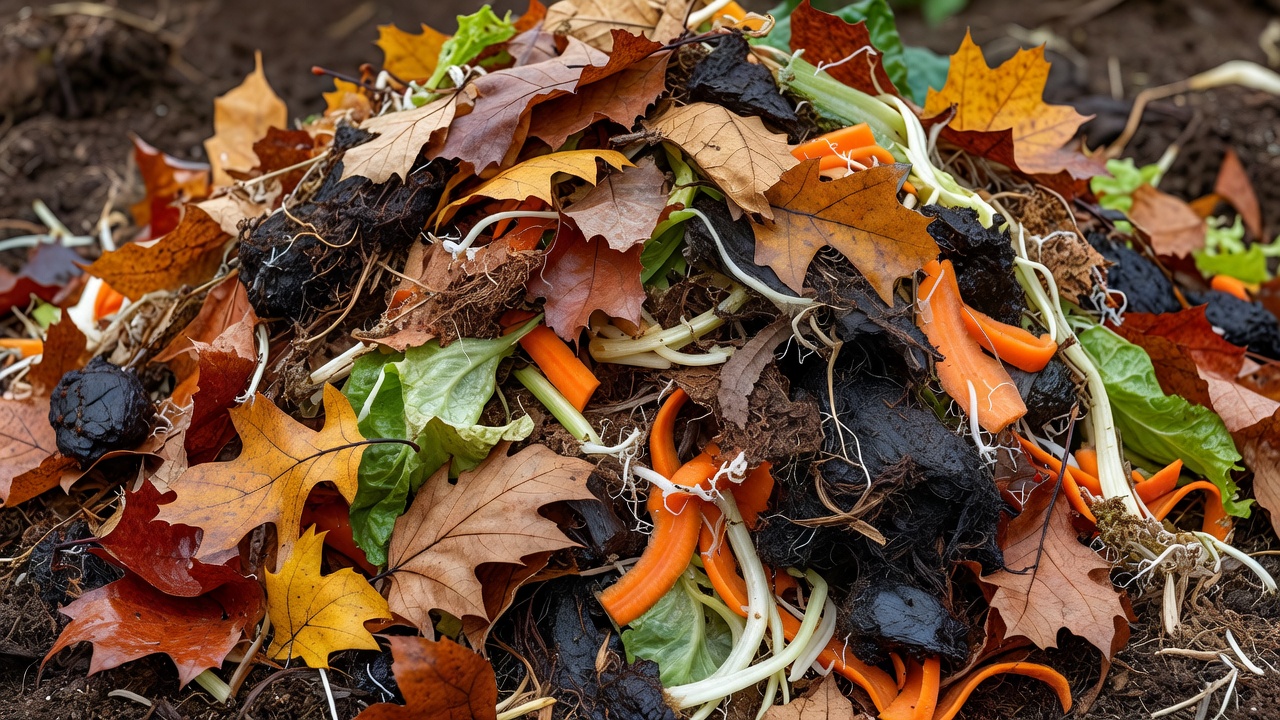
Monitor moisture levels to keep piles damp but not soggy. Aeration prevents odors and speeds decomposition. In six months, you will have dark, earthy compost ready for your outdoor plots. A practical example is layering 6 inches of leaves, 3 inches of kitchen scraps, and a thin layer of manure, then turning the pile every 7-10 days until it cools and crumbles easily between your fingers.
Mixing and Preparing Your Soil Beds
Combine tested native soil with compost and amendments in raised beds or amended ground plots. Aim for a loamy texture that drains well yet holds moisture. Incorporate materials to a depth of 12 inches. For a standard 4×8 raised bed, this typically means blending 6 cubic feet of compost with your existing soil and chosen amendments.
Top-dress with mulch such as straw or wood chips to suppress weeds and retain humidity. This protects soil life from temperature swings common in outdoor settings. Apply a 2-3 inch layer after planting to avoid smothering young seedlings.
Allow the mix to settle for two weeks before planting. Water lightly to activate microbes. Proper preparation leads to faster establishment and stronger plants throughout the season. Growers who rush this step often notice slower root growth and increased transplant shock.
Sustainable Practices to Enhance Yields
Rotate crops annually and introduce cover crops like clover between seasons. These practices fix nitrogen and prevent erosion. Avoid tilling excessively to preserve soil structure. Planting clover in fall and chopping it into the soil in spring adds free nitrogen for the next cannabis crop.
Integrate companion planting with herbs that deter insects. Collect rainwater for irrigation to reduce reliance on municipal sources. Document yields to refine methods each year. Simple records of amendment rates, rainfall, and final harvest weights help identify what works best in your specific microclimate.
Resources from the EPA and USDA provide additional guidance on organic standards. These approaches deliver consistent results while protecting the environment. Many home growers also join local organic gardening groups to exchange region-specific tips and troubleshoot issues together.
Conclusion
Mastering organic soil preparation transforms outdoor cannabis cultivation into a rewarding, sustainable endeavor. Through careful testing, thoughtful amendments, and diligent composting, growers achieve superior yields naturally. Start small, observe results, and scale successful techniques for future seasons. With consistent attention to soil health, your outdoor garden can produce robust plants year after year while supporting a healthy local ecosystem.