
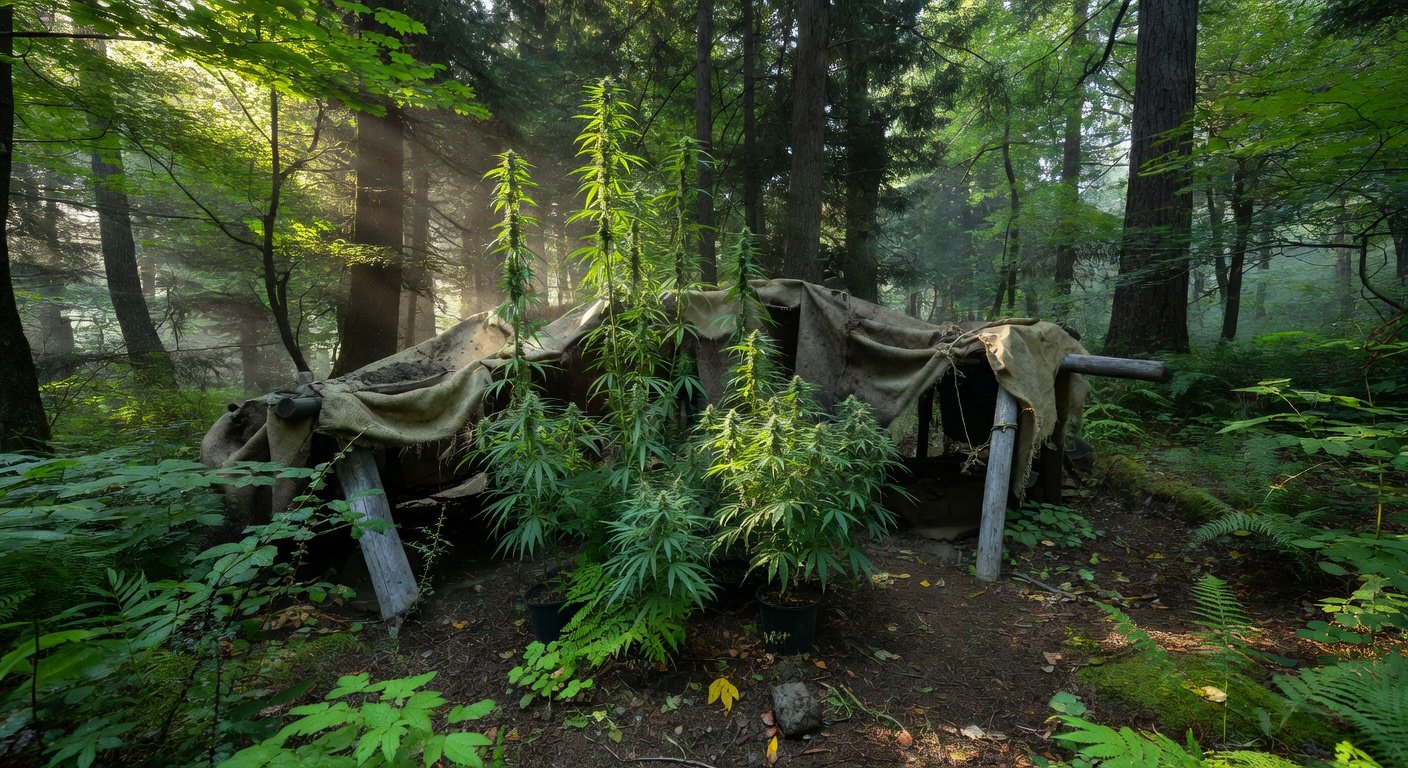
Introduction to Guerrilla Outdoor Cannabis Growing
Guerrilla growing has become a popular method for home cultivators seeking discreet, low-maintenance ways to produce high-quality cannabis outdoors. In 2026, with evolving legalization trends, more enthusiasts are turning to hidden spots like forests, abandoned lots, or remote fields to cultivate without drawing attention. Choosing the right seeds is crucial, especially when comparing indica and sativa strains. Indicas offer bushy, compact growth ideal for stealth, while sativas provide taller, airier plants suited to expansive areas. This guide compares these types for guerrilla setups, focusing on stealth, yield, maturation time, and climate resilience, with top seed recommendations and buying tips.
Understanding Indica and Sativa Strains
Indica and sativa are the two primary subspecies of cannabis, each with distinct characteristics that influence their performance in outdoor environments. Indica plants typically originate from cooler, mountainous regions like Afghanistan and exhibit shorter, denser structures with broad leaves. They produce relaxing effects and are known for faster flowering times. Sativa strains, hailing from equatorial climates such as Thailand or Colombia, grow tall and slender with narrower leaves, offering uplifting highs and longer vegetative phases.
For guerrilla growing, where plants must evade detection and thrive in uncontrolled settings, these traits play a pivotal role. Indicas’ compact size aids in concealment, while sativas’ height can be a liability in tight spaces but an asset in yield potential under ideal conditions.
Stealth Comparison: Hiding Your Guerrilla Grow
Stealth is paramount in guerrilla cultivation, as plants in public or semi-public areas risk discovery by hikers, authorities, or animals. Indica strains excel here due to their bushy, low-profile growth—often staying under 4-5 feet tall. This makes them easier to tuck under foliage or in rocky outcrops without standing out. For instance, their dense canopy blends seamlessly with surrounding shrubs, reducing visibility from afar.
Sativas, conversely, can stretch to 10 feet or more, posing challenges in confined guerrilla spots. They’re better for open, forested areas where height mimics local trees, but pruning is often necessary to maintain discretion. In urban guerrilla grows, like rooftop edges or alley planters, indicas’ subtlety wins out, minimizing the need for frequent visits that could expose your operation.
Top Stealth Recommendations
- Indica: Northern Lights Auto – Compact at 3-4 feet, auto-flowering for quick, inconspicuous cycles.
- Sativa: Durban Poison – Manageable height with fast veg, but best in taller cover like pine understories.
Yield Potential in Outdoor Guerrilla Setups
Yield is a key motivator for guerrilla growers, balancing harvest size against the risks of larger plants. Indicas generally produce moderate yields of 300-500 grams per plant outdoors, thanks to their resinous buds that pack dense THC and terpenes into a smaller frame. This efficiency suits limited-space guerrilla sites, where multiple small plants can yield comparably to fewer large ones without increasing detection risk.
Sativas shine in yield for expansive guerrilla plots, potentially hitting 500-800 grams per plant due to their lanky branches laden with airy flowers. However, this requires nutrient-rich soil and ample sunlight, which may not always be available in hidden spots. In nutrient-poor guerrilla environments, sativas might underperform compared to hardy indicas.
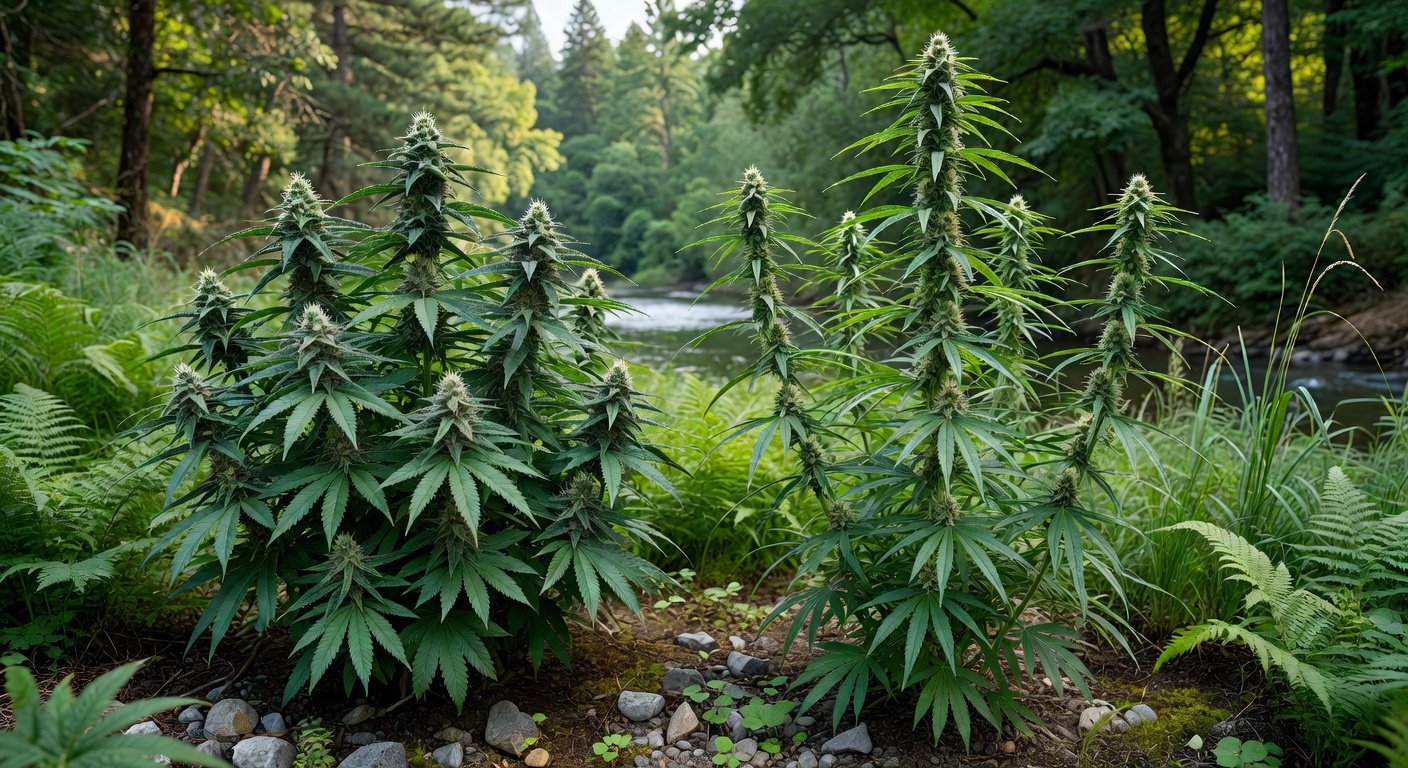
For more on cannabis yields, check out Leafly’s strain database, a trusted resource for growers.
Top Yield Recommendations
- Indica: Granddaddy Purple – Up to 500g/plant, with purple hues that camouflage in fall foliage.
- Sativa: Jack Herer – High yields in sunny clearings, around 600g/plant for patient cultivators.
Maturation Time: Speed vs Patience in Guerrilla Grows
Time to harvest is critical for guerrilla operations, as longer cycles increase exposure risks. Indicas mature faster, often in 8-10 weeks of flowering after a short 4-6 week veg phase, allowing harvests before peak detection seasons like summer tourism. Autoflowering indica hybrids cut this even shorter, ideal for quick guerrilla flips in one growing season.
Sativas demand more patience, with flowering times of 10-16 weeks and extended veg periods, pushing total cycles to 4-6 months. This suits growers in mild climates with year-round access but can be risky in areas with early frosts or heavy patrols. For hit-and-run guerrilla tactics, indicas’ speed ensures you can plant, monitor minimally, and harvest swiftly.
Scenarios Where One Outperforms
- Short Seasons or High-Risk Areas: Indicas outperform sativas in northern latitudes or urban fringes where quick maturation dodges weather and human interference.
- Extended Sunny Climates: Sativas thrive in Mediterranean or tropical guerrilla spots, like southern U.S. forests, maximizing yield over time.
Climate Resilience: Adapting to Guerrilla Environments
Guerrilla grows face unpredictable weather, from droughts to downpours, so resilience is non-negotiable. Indicas are tougher in cooler, wetter climates, resisting mold and pests better due to their sturdy structure and shorter exposure periods. They’re resilient to temperature swings, making them perfect for high-altitude or coastal hidden spots.
Sativas handle heat and humidity well, originating from hot equatorial zones, but they falter in cold snaps or excessive rain, which can cause bud rot on their loose flowers. In resilient terms, indicas edge out for variable guerrilla climates, while sativas excel in consistently warm, dry areas like desert fringes.
For climate data tailored to growing, refer to the USDA’s plant hardiness zone map to match strains to your region.
Top Resilience Recommendations
- Indica: Afghan Kush – Mold-resistant and cold-tolerant for rugged mountain guerrilla sites.
- Sativa: Malawi Gold – Drought-hardy for arid, sunny hidden valleys.
Seed Buying Tips for Guerrilla Success
Selecting quality seeds maximizes your guerrilla grow’s potential. In 2026, reputable banks like ILGM or Seedsman offer feminized and auto strains bred for outdoor resilience. Prioritize:
- Genetics: Opt for landrace hybrids—pure indicas from Hindu Kush for stealth, equatorial sativas for yield.
- Germination Guarantee: Choose sellers with 99% success rates and free replacements.
- Discreet Shipping: Ensure stealth packaging to avoid legal issues in restricted areas.
- Soil Testing: Buy seeds suited to native soils; test pH (6.0-7.0) in your spot beforehand.
- Quantity: Start with 10-20 seeds for a guerrilla plot, accounting for 20-30% loss to elements.
Always verify local laws, as guerrilla growing remains gray in many places. Store seeds in cool, dark spots pre-planting to maintain viability.
Conclusion: Choosing Your Guerrilla Strategy
Indicas and sativas each bring strengths to guerrilla outdoor growing—indicas for stealthy, resilient quick wins in challenging spots, and sativas for bountiful yields in favorable climates. Assess your site’s size, weather, and risk level: go indica for urban hides or short summers, sativa for remote sunny expanses. With top picks like Northern Lights or Durban Poison, and smart buying, your 2026 harvest can be both abundant and invisible. Happy growing!