
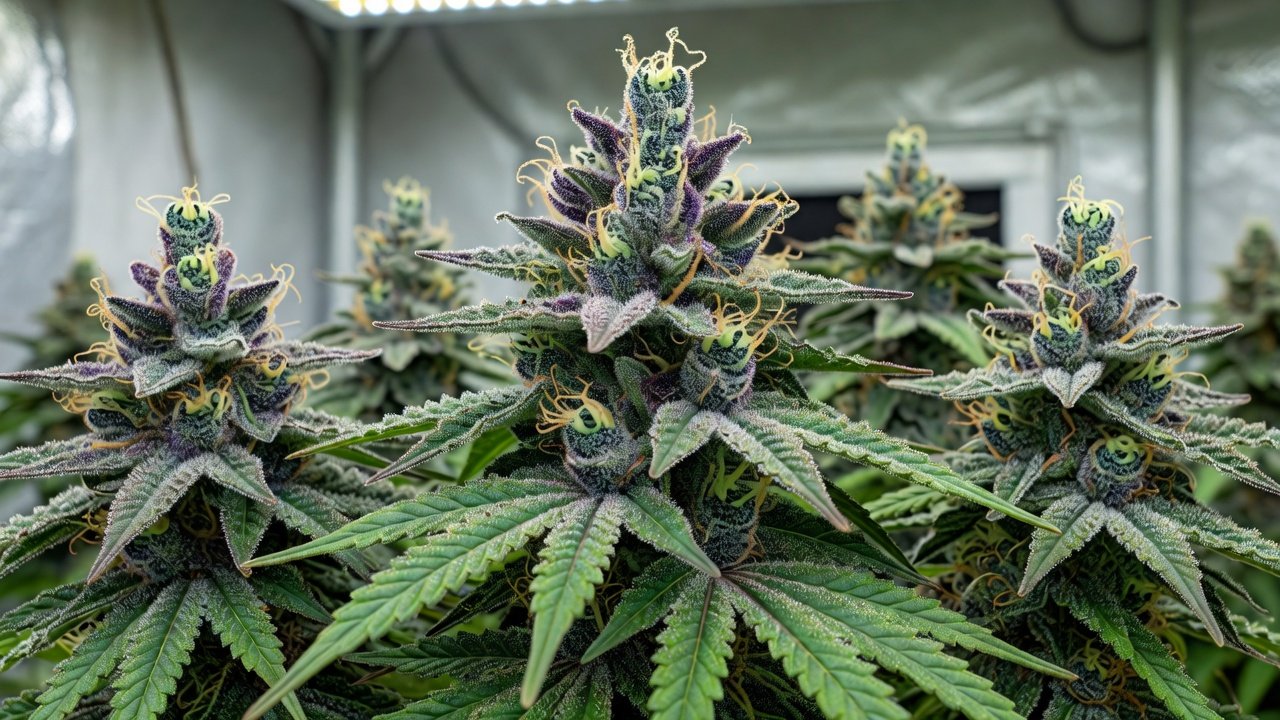
Terpene profiles play a central role in shaping the sensory experience, therapeutic potential, and cultivation success of feminized cannabis. Home growers choosing feminized seeds benefit from understanding these aromatic compounds because they directly influence flavor, aroma, and the overall effect profile of photoperiod female plants. In 2026, selecting the right feminized seeds means matching terpene combinations to specific grow environments while maximizing resin production and plant health. For instance, a grower managing a small indoor tent can use terpene data to decide between an indica-leaning myrcene-heavy cultivar for evening relaxation or a sativa-leaning limonene-rich option for daytime focus, ensuring the chosen seeds align with both available space and personal wellness goals.
Understanding Terpenes in Feminized Cannabis
Terpenes are volatile organic compounds produced in the trichomes of cannabis flowers. They work alongside cannabinoids to create the entourage effect, modulating how THC and CBD interact with the body. Feminized seeds guarantee female plants that focus energy on bud development rather than pollen production, making terpene expression more consistent across photoperiod cycles. Growers who study terpene data on seed banks can predict both the finished product and the plant’s response to light schedules, nutrients, and stress. In practice, a home grower might review a seed bank’s lab reports showing 1.2% myrcene and 0.6% caryophyllene before purchasing, allowing them to anticipate a relaxing harvest while planning nutrient adjustments to support those levels.
Because terpenes evaporate with heat and light, environmental controls during the flowering stage directly affect final concentrations. Indoor growers using LED fixtures and precise humidity settings often preserve higher monoterpene levels compared with outdoor gardens exposed to temperature swings. Photoperiod feminized plants require careful timing of the light cycle change to 12/12, which triggers the peak terpene synthesis window in the final four to six weeks. A concrete example is switching lights on day 42 of flower for a strain that finishes in nine weeks, then lowering humidity to 45% during weeks six through eight to lock in brighter aromas without encouraging mold.
Key Terpenes and Their Influence on Flavor and Effects
Myrcene delivers earthy, musky notes and promotes relaxing body effects. High-myrcene feminized strains often finish with a sedative quality that suits evening use. Limonene contributes bright citrus aromas and may elevate mood, making it popular for daytime cultivars. Pinene offers pine forest scents and is associated with alertness and respiratory support. Caryophyllene provides spicy, peppery flavors and binds directly to CB2 receptors, offering potential anti-inflammatory benefits without psychoactivity. Growers frequently test these traits by rubbing a small leaf sample during late flower to gauge aroma intensity before committing to a full harvest schedule.
Linalool brings floral lavender tones and is frequently sought for calming, anti-anxiety properties. Terpinolene delivers complex fruity and herbal layers that appear in many sativa-leaning feminized varieties. Each of these terpenes interacts differently with photoperiod female plants depending on genetics, nutrients, and drying methods. Growers should review lab-tested terpene percentages when available on seed descriptions to align purchases with desired outcomes. For example, a strain listing 0.9% linalool and 0.4% terpinolene might be selected for a calming yet uplifting effect profile when grown under stable 75°F daytime temperatures.
Matching Terpene Profiles to Desired Results
Consumers seeking pain relief often prioritize strains high in myrcene and caryophyllene. Those wanting focus and creativity look for limonene and pinene dominance. Flavor-focused growers select profiles rich in linalool or terpinolene for unique dessert-like experiences. When buying feminized seeds, check the reported terpene breakdown alongside flowering time and yield data to ensure the strain fits both personal goals and grow space limitations. Practical guidance includes starting a small test grow with three plants of a candidate strain to verify real-world terpene expression before scaling up.
- Relaxation and sleep: Target 0.8%+ myrcene with supporting caryophyllene.
- Mood elevation: Choose limonene-forward profiles above 0.5%.
- Appetite stimulation: Myrcene combined with moderate pinene works well.
- Creative daytime use: Balanced limonene and terpinolene levels.
These pairings help home growers avoid mismatches between expected effects and actual harvest results. Tracking each plant’s aroma notes in a simple journal during weeks seven and eight of flower provides valuable data for future seed selections.
Selecting Feminized Seeds for Photoperiod Success
Photoperiod feminized plants allow growers to control vegetative length, which directly impacts final terpene density. Longer vegetative periods produce larger plants with more flower sites for terpene accumulation. When reviewing seed catalogs in 2026, prioritize breeders that publish full terpene panels rather than only cannabinoid percentages. Look for strains labeled as stable under varying humidity levels if growing outdoors or in non-climate-controlled spaces. A practical example is extending vegetative growth to six weeks for a myrcene-dominant cultivar to increase bud sites, then switching to 12/12 while monitoring VPD to protect developing terpenes.
Consider resistance traits alongside terpene data. Varieties with strong resistance to powdery mildew tend to maintain cleaner terpene profiles because stressed plants produce fewer desirable aromatics. Seed buyers should also verify that chosen feminized lines finish within the available indoor or outdoor season length to avoid rushed harvests that truncate terpene development. Checking breeder notes for recommended finishing times helps ensure terpene peaks are fully realized.
Optimizing Terpene Production in 2026 Grow Environments
Successful cultivation begins with proper lighting. Full-spectrum LEDs tuned for 2026 technology deliver the red and far-red wavelengths that boost terpene synthase activity during late flower. Maintain daytime temperatures between 72–78°F and nighttime drops of 8–10°F to encourage resin and terpene output without stressing photoperiod plants. Many indoor growers add far-red supplemental bars for the final three weeks to further enhance oil production.
Nutrient and Drying Practices
Nutrient regimens that include balanced micronutrients and amino acids support terpene synthesis pathways. Many growers add seaweed extracts or humic acids during weeks five through eight of flower to enhance flavor complexity. Drying and curing at 60°F and 58–62% relative humidity preserves volatile terpenes that would otherwise dissipate.
Environmental Considerations Across Grow Setups
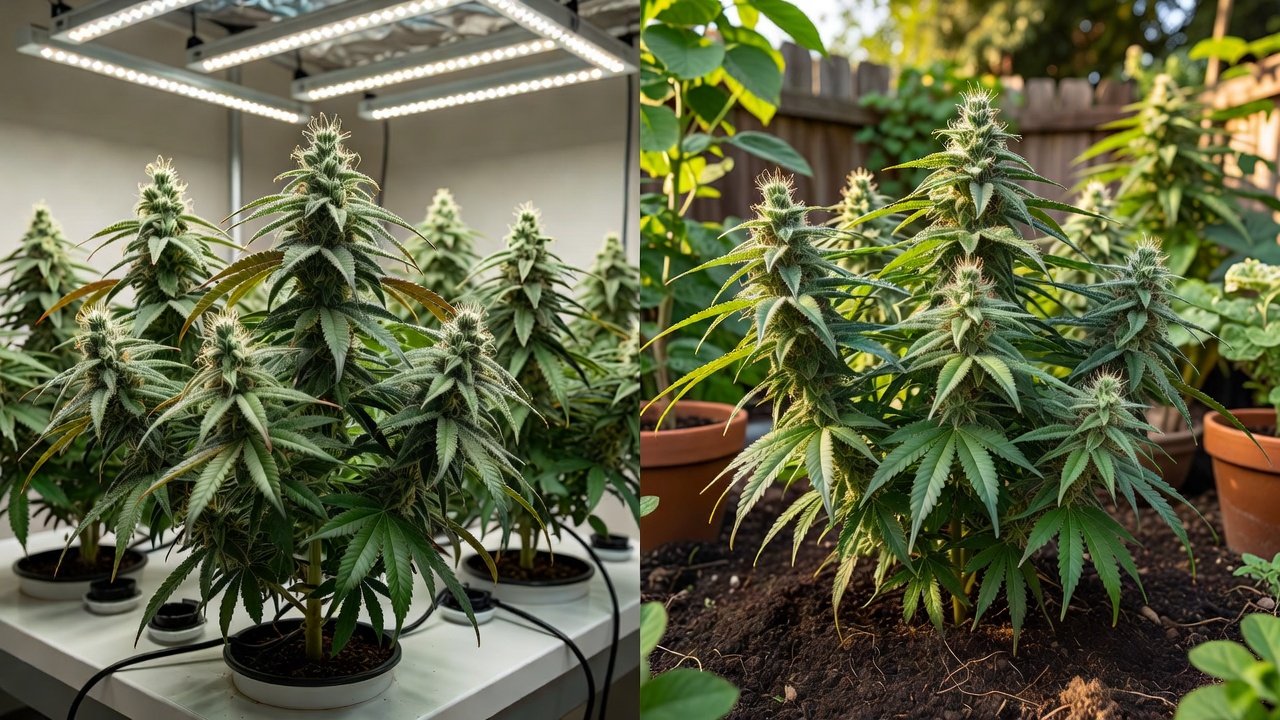
Indoor hydroponic systems allow precise control over root zone conditions, often resulting in higher overall terpene percentages when EC and pH remain stable. Soil growers benefit from living soil microbiomes that naturally enhance terpene expression through symbiotic relationships. Outdoor cultivators in 2026 should select feminized photoperiod strains with earlier finish times to avoid autumn rains that dilute terpene concentration through excess moisture. Monitoring runoff EC weekly in hydro setups or adding compost teas in soil helps maintain the biological balance needed for peak terpene output.
Regardless of method, consistent airflow prevents mold while allowing plants to transpire effectively. Monitoring VPD charts helps maintain the sweet spot where terpene production peaks without inviting pests. Home growers who track environmental data throughout the cycle can replicate successful terpene outcomes season after season. Recording daily temperature, humidity, and airflow notes allows fine-tuning that compounds improvements over multiple grows.
Conclusion
Understanding terpene profiles empowers growers to choose feminized seeds that deliver targeted flavors, effects, and reliable performance across photoperiod schedules and grow environments. By focusing on key terpenes, matching them to personal goals, and applying 2026-specific cultivation techniques, home enthusiasts can consistently produce high-quality cannabis. Always source seeds from reputable suppliers and consult local regulations before starting any cultivation project. For additional scientific context on terpenes, refer to resources from https://www.ncbi.nlm.nih.gov/ and https://www.cdc.gov/cannabis/.