
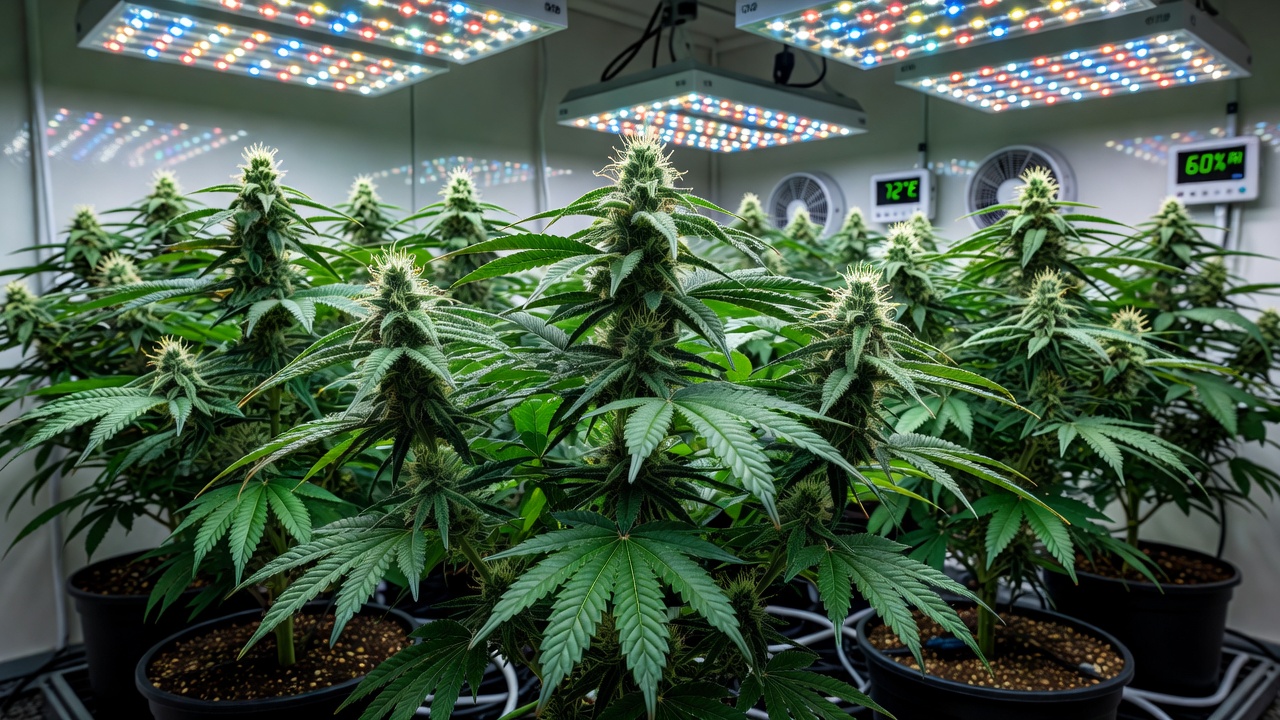
Transitioning photoperiod feminized cannabis plants into the flowering stage marks a pivotal moment for home growers seeking maximum resin and potent harvests. In 2026, understanding precise light changes, climate tweaks, and female-specific indicators ensures robust development while minimizing risks like hermaphroditism. This guide delivers actionable strategies tailored to photoperiod varieties, helping enthusiasts optimize every variable from flip day onward. By following these steps, growers can achieve consistent results across multiple cycles, turning potential challenges into reliable yields of high-quality buds.
Understanding the Flowering Transition in Photoperiod Feminized Plants
Photoperiod feminized seeds require a deliberate shift from vegetative to flowering growth triggered by reduced daylight hours. Unlike autoflowers, these plants respond directly to light cycles, making the 12/12 schedule the standard trigger. Growers typically maintain 18/6 or 20/4 during vegetation before flipping to 12 hours of uninterrupted darkness. This change signals the plant to prioritize bud formation over leaf and stem expansion. For example, a grower using a 4×4 tent might set timers to switch abruptly on day 35 of vegetation, ensuring the plants receive exactly 12 hours of darkness to avoid any light leaks from nearby windows or grow lights.
Healthy feminized plants show pre-flowers at nodes within 7-14 days of the flip. White pistils emerge at branch junctions, confirming female development without male pollen sacs. Monitoring these early signs prevents wasted resources on unwanted males that feminized breeding already minimizes. In practice, examine plants under a magnifying loupe at the same time each day; if pistils appear clustered and white rather than yellow pollen sacs, the transition is proceeding correctly. This observation window allows quick adjustments, such as increasing airflow if early stress signs appear.
Preparing for the Flip Day
Successful transitions begin with thorough preparation. Flush plants with plain water 48 hours before the flip to reset nutrient levels, then switch to a bloom-specific formula rich in phosphorus. Document room measurements like current height and node spacing so you can track stretch later. Many home growers create a simple checklist: confirm timer accuracy, clean filters, and label each plant with its expected flowering time based on strain data.
Optimal Light Schedules and Spectrum Adjustments
Precise light timing remains critical once flowering begins. Maintain exactly 12 hours of light and 12 hours of darkness daily, using timers to avoid interruptions that can stress plants and cause revegetation. Many cultivators switch to full-spectrum LEDs or high-pressure sodium lamps with enhanced red wavelengths around 660nm to promote bud density. In one practical case, a grower upgraded from basic LEDs to a 300W quantum board fixture positioned 18 inches above the canopy, resulting in noticeably denser colas by week five.
During weeks 1-3 of flower, slightly higher light intensity supports stretch without burning tops. Reduce intensity modestly in later weeks to prevent light stress as buds fatten. Supplemental far-red light in the final two hours of the day can accelerate flowering in select strains. Use a PAR meter to verify intensity stays between 600-900 µmol/m²/s early on, then taper to 400-600 µmol/m²/s later, adjusting daily based on leaf response.
Selecting and Positioning Lights
Choose fixtures based on tent size and electricity costs. LEDs run cooler and suit smaller spaces, while HPS provides intense red light ideal for larger setups. Hang lights on adjustable ratchets so you can raise them as plants stretch 50-100% in the first three weeks. Test coverage by walking under the lights at night to spot any shadows that might leave lower buds underdeveloped.
Environmental Adjustments for Flowering Success
Temperature and humidity must be dialed in as plants enter flower. Daytime temperatures of 68-78°F paired with nighttime drops of 10-15 degrees encourage resin production and terpene development. Humidity should drop to 40-50% early in flower and further to 30-40% by week six to deter mold in dense colas. A grower in a humid climate might add a dehumidifier set to 45% and monitor readings twice daily with a digital hygrometer placed at canopy level.
- Ensure strong airflow with oscillating fans to strengthen stems supporting heavy buds.
- Monitor VPD levels between 0.8-1.2 kPa for optimal transpiration.
- Adjust CO2 enrichment to 1000-1200 ppm during lights-on periods for accelerated growth.
These controlled conditions replicate ideal outdoor autumn cues that feminized photoperiod genetics evolved to respond to. Track daily data in a notebook or app to spot trends, such as humidity spikes after watering, and correct them promptly with extra ventilation.
Fine-Tuning Air and CO2
Position intake fans low and exhaust fans high to create gentle negative pressure. For CO2, use a regulator and monitor with a meter to avoid waste. In a sealed room, this can boost growth rates by 20-30% when paired with proper light and nutrients.
Key Indicators of Healthy Female Plant Development
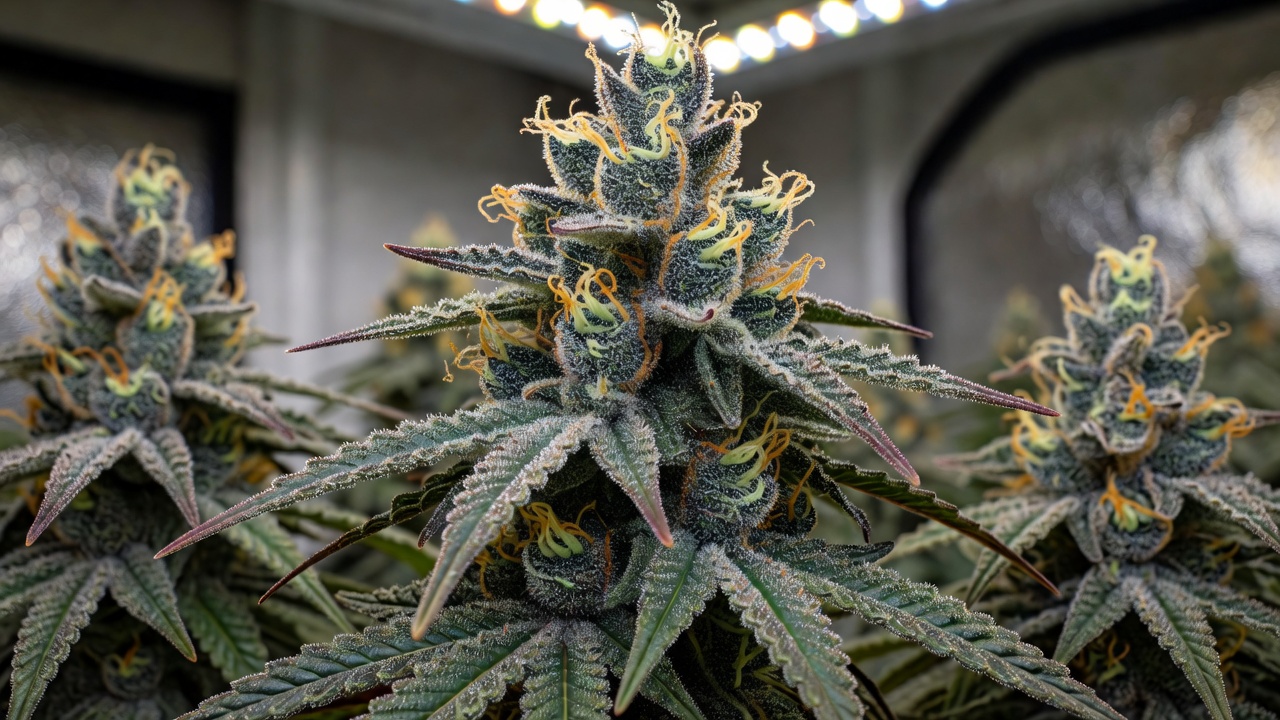
Visual cues confirm your feminized plants are progressing correctly. Vigorous pistil growth, swelling calyxes, and vibrant green foliage without yellowing signal success. By week four, buds should feel sticky and aromatic when gently squeezed. Compare weekly photos of the same branch to document changes objectively.
Watch for foxtailing or excessive leaf yellowing, which may indicate nutrient imbalances or light issues. Healthy females display symmetrical bud sites and strong lateral branching that fills out nicely under proper conditions. If yellowing starts at the bottom, increase nitrogen slightly; if tops bleach, raise lights immediately.
Techniques to Boost Resin Production
Resin glands house cannabinoids and terpenes, so targeted techniques maximize output. Low-stress training early in flower keeps canopies even for uniform light exposure. Defoliation of lower fan leaves improves airflow and directs energy to top colas. In one example, removing every other fan leaf on day 21 increased light penetration and final resin weight by roughly 15%.
Many growers apply slight drought stress in the final 10-14 days before harvest to intensify resin. Organic amendments rich in phosphorus and potassium during mid-flower further support trichome development.
Advanced Training and Feeding
Combine LST with selective defoliation every 10 days. Feed bloom nutrients at half strength initially, then ramp up to full dose by week four, always checking runoff EC to prevent buildup. These incremental changes compound into noticeably frostier buds at harvest.
Strain-Specific Tips for Superior Yields
Indica-dominant feminized strains like those derived from Afghan genetics finish faster, often in 7-8 weeks, requiring earlier humidity reduction. Sativa-leaning varieties may stretch significantly, demanding extra vertical space and extended 9-10 week flowering periods. A grower running both types might flip indicas two weeks later than sativas to synchronize harvest.
Hybrid favorites benefit from balanced feeding schedules that avoid nitrogen excess after week three. Tracking individual strain responses across multiple grows refines future results and delivers consistently higher yields for dedicated home cultivators. Record harvest weights and terpene profiles each cycle to build a personal database of what works best.
Conclusion
Successful flowering of photoperiod feminized cannabis hinges on disciplined light management, precise environmental control, and attentive observation of female development markers. Implementing resin-enhancing methods alongside strain-specific adjustments positions growers for abundant, high-quality harvests. Continued experimentation within these frameworks leads to mastery and rewarding results season after season. For further research-backed insights, consult resources at https://www.ncbi.nlm.nih.gov and https://extension.umn.edu.