
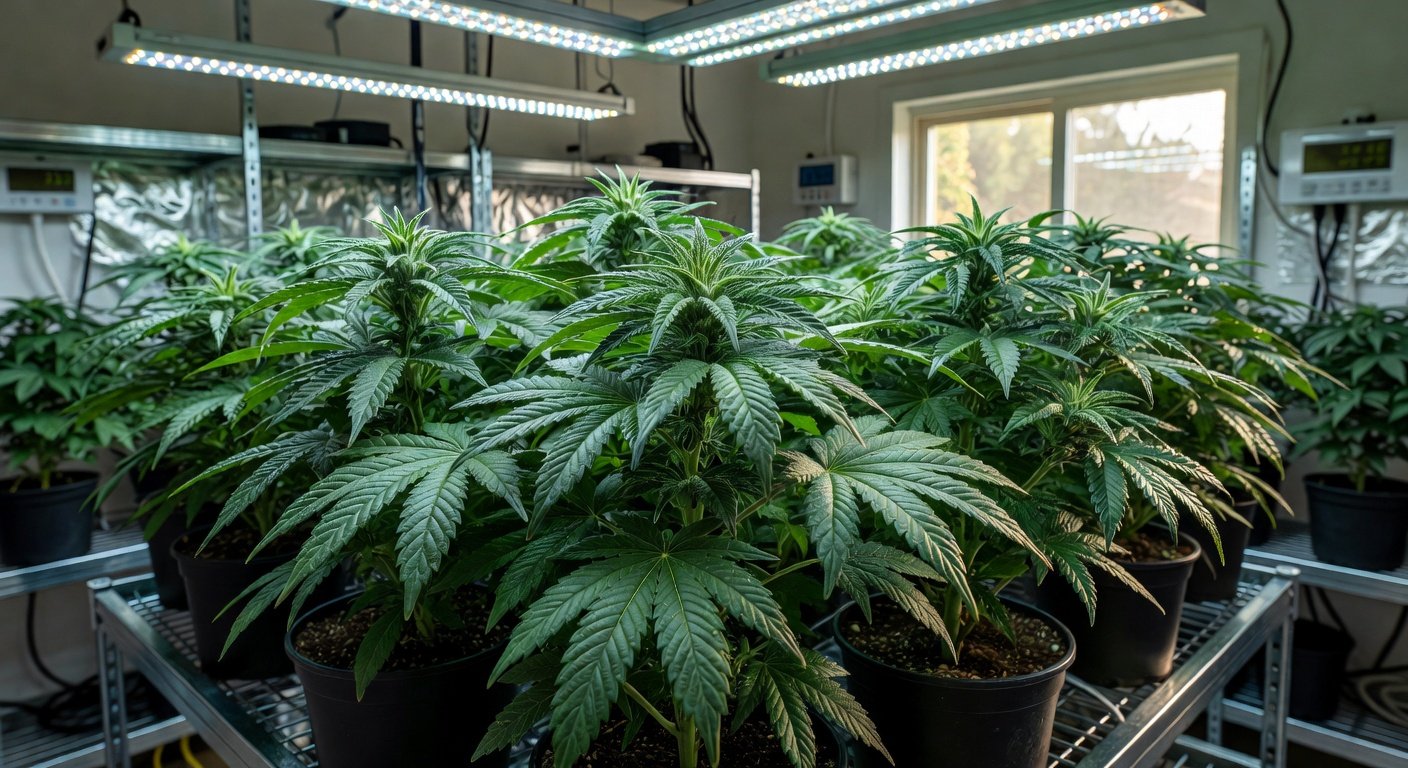
Introduction to Cannabis Pest Management
Home cannabis growers face ongoing challenges from pests and diseases that can quickly damage plants and reduce yields. In 2026, integrated approaches focusing on prevention remain the most effective way to protect crops without synthetic chemicals. This guide helps enthusiasts identify common threats like spider mites, aphids, and powdery mildew while implementing organic solutions.
Identifying Common Pests and Diseases
Early detection is critical. Regular inspections under leaves and monitoring plant health allow growers to act before infestations spread.
Spider Mites
Spider mites are tiny arachnids that thrive in warm, dry environments. Look for fine webbing, stippled leaves turning yellow or bronze, and tiny moving dots on leaf undersides. They reproduce rapidly during the vegetative stage.
Aphids
Aphids cluster on new growth and stems, sucking sap and causing curled or distorted leaves. They excrete honeydew that promotes sooty mold. These soft-bodied insects are often green, black, or brown and appear in both veg and early flower.
Powdery Mildew
This fungal disease shows as white powdery spots on leaves and buds. It spreads in humid conditions with poor airflow, weakening plants and affecting bud quality during flowering.
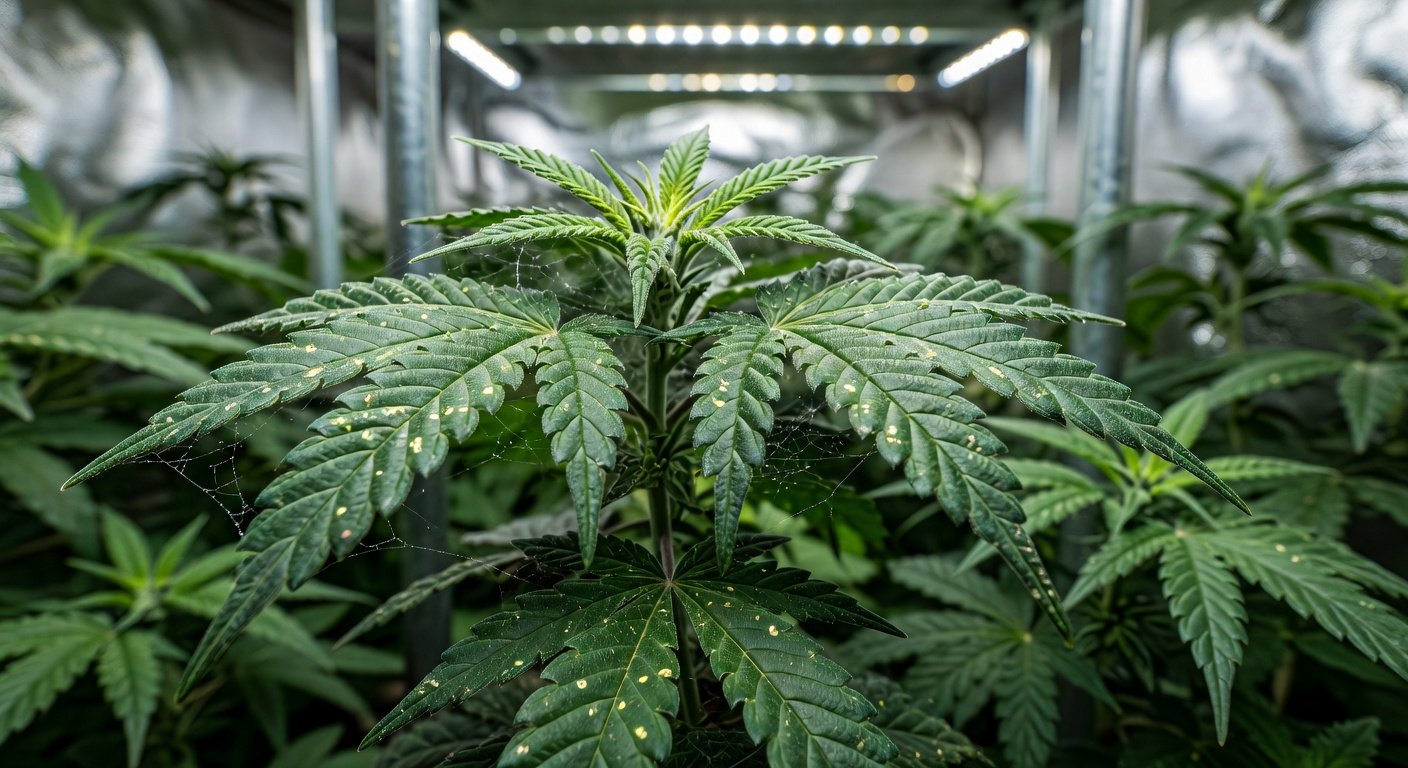
Organic Prevention Strategies
Neem Oil Sprays
Neem oil disrupts pest life cycles and provides antifungal properties. Mix 1-2 teaspoons of cold-pressed neem oil with a few drops of insecticidal soap per quart of water. Apply weekly during veg, reducing frequency in flower to avoid residue on buds.
Companion Planting
Interplant with basil, marigolds, or garlic to repel pests naturally. These companions improve biodiversity and deter spider mites and aphids without competing heavily for resources.
Beneficial Insects
Introduce predatory mites, ladybugs, or lacewings early in the grow cycle. They target spider mites and aphids specifically, maintaining balance in the grow space.
Integrated Pest Management Tips for Veg and Flower
IPM combines monitoring, cultural controls, and biological agents. Maintain proper humidity (40-60% in veg, under 50% in flower), ensure strong airflow, and quarantine new plants. For detailed IPM frameworks, refer to resources from UC IPM and the EPA.
During vegetation, focus on neem applications and beneficial releases. In flower, emphasize manual removal of affected leaves and strict environmental control to safeguard yields. Consistent scouting prevents small issues from becoming major losses.