
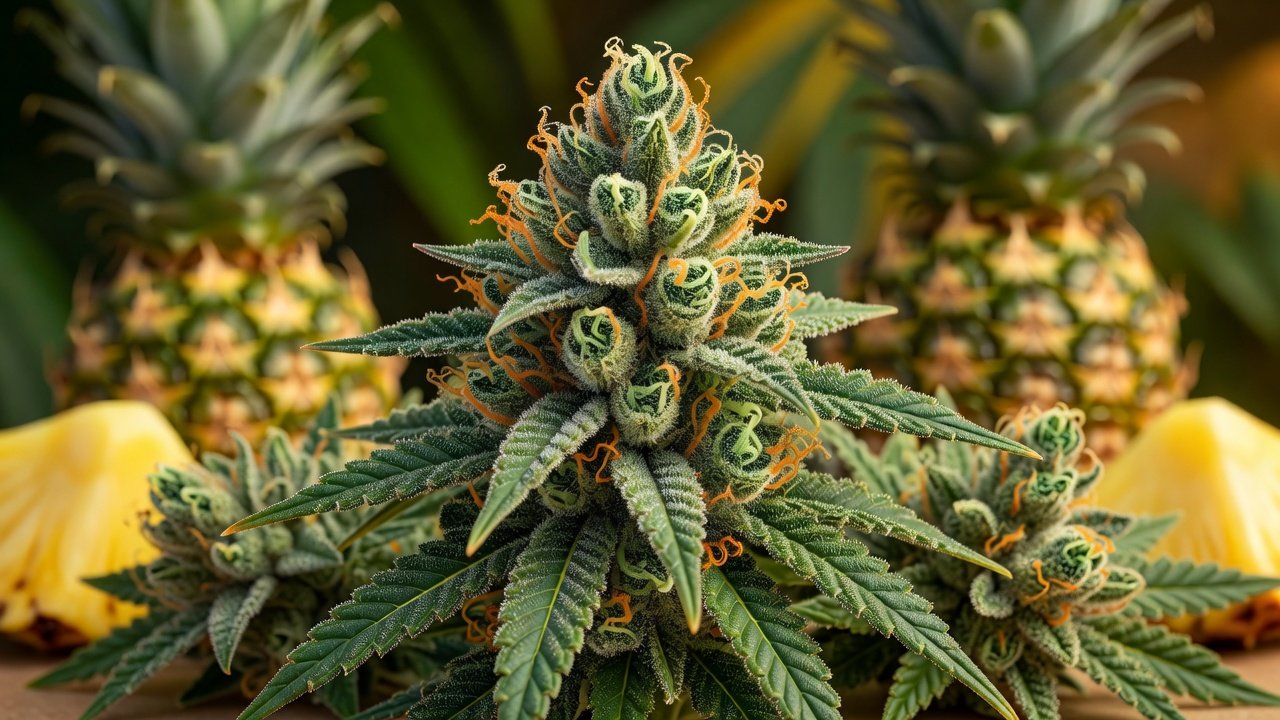
Introduction to Pineapple Express
Pineapple Express remains a standout hybrid for home growers and seed buyers in 2026, blending sativa energy with indica relaxation. Originating from Trainwreck and Hawaiian genetics, this strain delivers consistent tropical notes that appeal to enthusiasts seeking flavourful harvests. Its balanced profile makes it suitable for daytime and evening use without overwhelming sedation.
Growers appreciate its resilience and moderate flowering time, typically completing in 7 to 9 weeks indoors. In 2026, updated LED technologies and climate-controlled setups enhance its performance further. This review focuses on practical cultivation strategies, seed selection, and yield optimisation tailored for hobbyists.
Why Pineapple Express Suits Beginners and Veterans
New growers often start with this strain because it tolerates minor fluctuations in temperature and humidity better than many pure sativas. Experienced cultivators value its predictable response to training methods such as topping and low-stress training. Both groups benefit from its resistance to powdery mildew, a common issue in damp indoor tents.
Balanced Effects and User Experience
The effects of Pineapple Express strike an ideal equilibrium, starting with an uplifting cerebral buzz that transitions into gentle body relaxation. Users report heightened creativity and focus, ideal for creative projects or social activities. This balance avoids the anxiety sometimes associated with pure sativas.
Medical users often turn to it for stress relief and mild pain management. The strain’s terpene profile supports mood elevation without heavy couch-lock, making it versatile for various tolerance levels. Home growers note that proper drying and curing amplify these positive attributes in the final product.
Practical Consumption Examples
A 0.3-gram vaporiser session at 175°C typically delivers clear-headed energy for two to three hours, followed by relaxed focus. Evening users report that a small joint after dinner eases muscle tension without preventing sleep. Always start low and wait 15 minutes before consuming more to gauge personal response.
Tropical Flavour Notes and Aroma Profile
Pineapple Express earns its name through dominant pineapple and citrus flavours, underpinned by sweet earthy undertones. The aroma fills the grow space with tropical fruit scents during late flowering, attracting enthusiasts who value sensory appeal. These notes derive primarily from limonene and myrcene terpenes.
When consumed, the smoke or vapour delivers a smooth, fruity finish that lingers pleasantly. Growers can enhance flavour expression through organic nutrients and controlled humidity during the final weeks. This strain’s taste profile stands out in comparisons with other tropical hybrids available in 2026 seed banks.
Enhancing Terpene Expression
Switching to molasses-based feeds in weeks five and six of flower boosts microbial activity in soil, intensifying pineapple notes. Maintaining 45% humidity in the final two weeks prevents terpene evaporation. Many growers report that cold-night temperatures around 18°C during week eight deepen citrus tones in the cured buds.
THC and CBD Levels in 2026 Cultivars
Modern Pineapple Express selections typically test between 18% and 24% THC, with CBD levels remaining low at under 1%. These concentrations provide potent yet manageable effects suitable for most home users. Lab results from reputable testing facilities confirm consistency across different seed sources.
Advances in breeding by 2026 have stabilised cannabinoid ratios, reducing variability in home grows. Buyers should request certificates of analysis when purchasing seeds to verify potency potential. Higher THC expressions respond well to stress-training techniques that boost resin production.
Testing and Verification Tips
Send a small dried sample to a local lab after harvest to confirm exact percentages. Record results alongside your grow notes so future runs can replicate successful conditions. Avoid seeds from unverified sources that lack published lab data.
Cultivation Performance and Environmental Needs
Pineapple Express thrives in both soil and hydroponic systems, showing strong resistance to common moulds and pests. Indoor growers achieve optimal results with temperatures between 20-26°C and humidity tapering from 60% to 40% in flowering. Outdoor performance in 2026 benefits from climate-resilient traits suited to temperate regions.
The plant stretches moderately during the transition to flower, requiring some support for heavy colas. Flowering time averages 56-63 days, allowing multiple harvests per year in controlled environments.
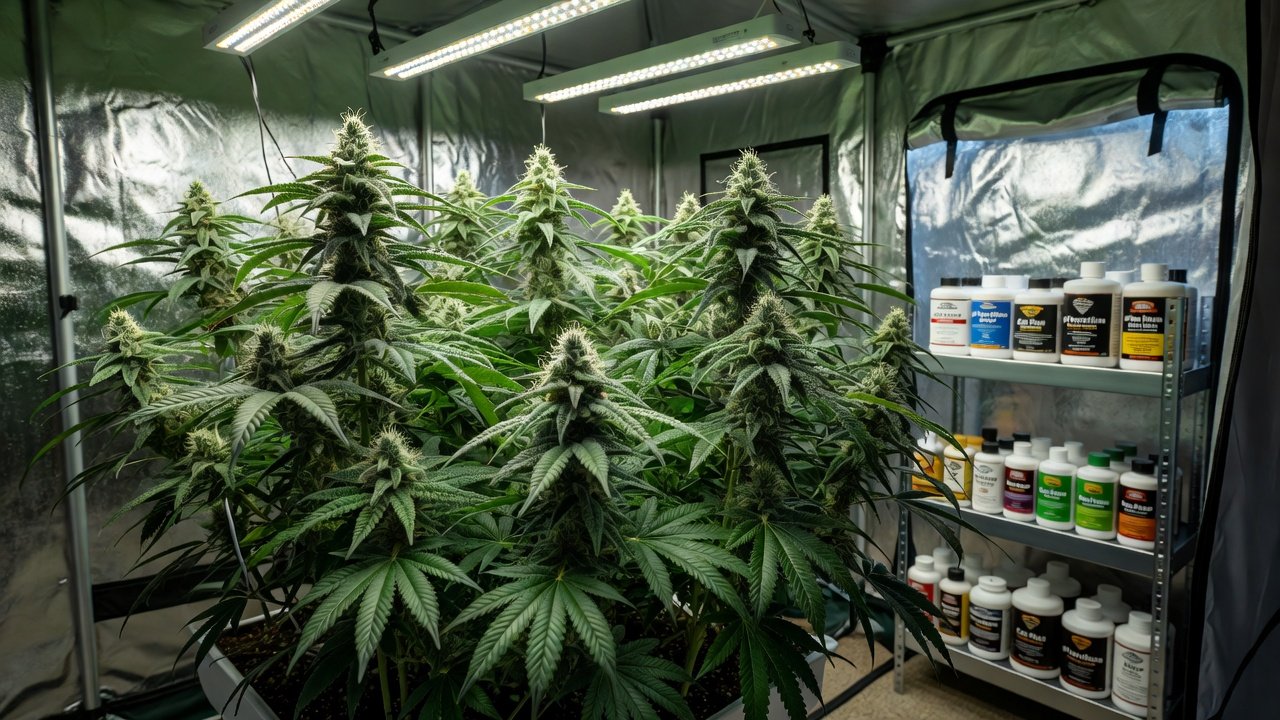
Nutrient schedules rich in phosphorus during mid-flower promote dense bud formation and vibrant colours.
Indoor Setup Recommendations
Use a 600W LED panel positioned 45 cm above the canopy during flower for even light distribution. Install oscillating fans at canopy level to strengthen stems and reduce humidity pockets. In soil grows, maintain pH between 6.2 and 6.8; in coco or hydro, target 5.8 to 6.2 for optimal nutrient uptake.
Outdoor Considerations
Plant in well-draining loam amended with compost and perlite. Position plants where they receive at least eight hours of direct sun. In regions with early autumn rain, install temporary rain covers during the final three weeks to protect ripening colas.
Seed Selection Tips for Home Growers
Choosing quality Pineapple Express seeds begins with sourcing from established breeders known for stable genetics. Look for feminised options to maximise space efficiency and avoid male plants. In 2026, many seed banks offer auto-flowering variants that simplify the process for beginners.
Verify germination rates above 90% and review grower feedback on forums before purchase. Consider regional availability and shipping regulations to ensure compliance. Premium seeds often include detailed grow guides that align with current best practices for maximising genetic potential.
Germination Best Practices
- Soak seeds in pH-balanced water for 12–18 hours until they sink.
- Place between damp paper towels inside a sealed container at 22°C.
- Transplant taproots once they reach 1 cm, handling gently to avoid damage.
Yield Optimisation Strategies
Maximising yields starts with low-stress training and topping to create multiple colas rather than a single dominant top. SCROG setups work exceptionally well with this strain’s branching habit, increasing light penetration and bud sites. Expect indoor yields of 400-500g per square metre under optimal conditions.
Supplemental CO2 and precise VPD management in 2026 environments can push harvests higher. Monitor trichome development closely for peak harvest timing to preserve terpenes. Post-harvest handling, including slow drying at 18-21°C, preserves both potency and flavour for superior market or personal results.
Consistent defoliation during vegetative growth improves airflow and reduces disease risk. Outdoor cultivators benefit from companion planting and organic soil amendments to boost microbial activity. These combined approaches deliver reliable, high-quality Pineapple Express crops year after year.
Training Schedule Example
- Week 3 vegetative: Top main stem above the fourth node.
- Week 4: Apply low-stress training to spread branches horizontally.
- Week 5: Install SCROG net and tuck new growth under mesh daily.
- Week 6: Switch to 12/12 lighting once canopy fills 70% of net.
Conclusion
Pineapple Express continues to deliver value for growers prioritising flavour, balance, and manageable cultivation. With attention to seed quality and modern optimisation techniques, home enthusiasts can achieve impressive results in 2026. This strain’s enduring popularity stems from its reliable performance and sensory rewards that enhance any collection.