
Unlocking Maximum Yields: 10 Strategies for Autoflower Success
Autoflowering cannabis varieties have revolutionized home growing, offering fast cycles and resilience without the need for light cycle changes. However, maximizing yields remains a challenge for many enthusiasts. In 2026, with advanced genetics and tools at our disposal, home growers can push autoflowers to produce 500g/m² indoors or 200g/plant outdoors. This guide outlines 10 proven strategies, each addressing specific hurdles like nutrient lockout, light stress, or environmental fluctuations. We’ll explore real-world applications for both indoor and outdoor setups, drawing from grower experiences and scientific principles.
Whether you’re a novice in a small tent or scaling up outdoors, these tips will help you harvest denser buds and higher quantities. Remember, always check local laws and prioritize safety—cannabis cultivation is legal in many places but regulated.
1. Optimize Lighting Schedules for Energy Efficiency
Autoflowers thrive on consistent light, but mismatched schedules can stunt growth or cause foxtailing. The key challenge is balancing intensity and duration without stressing the plant’s natural 8-10 week cycle.
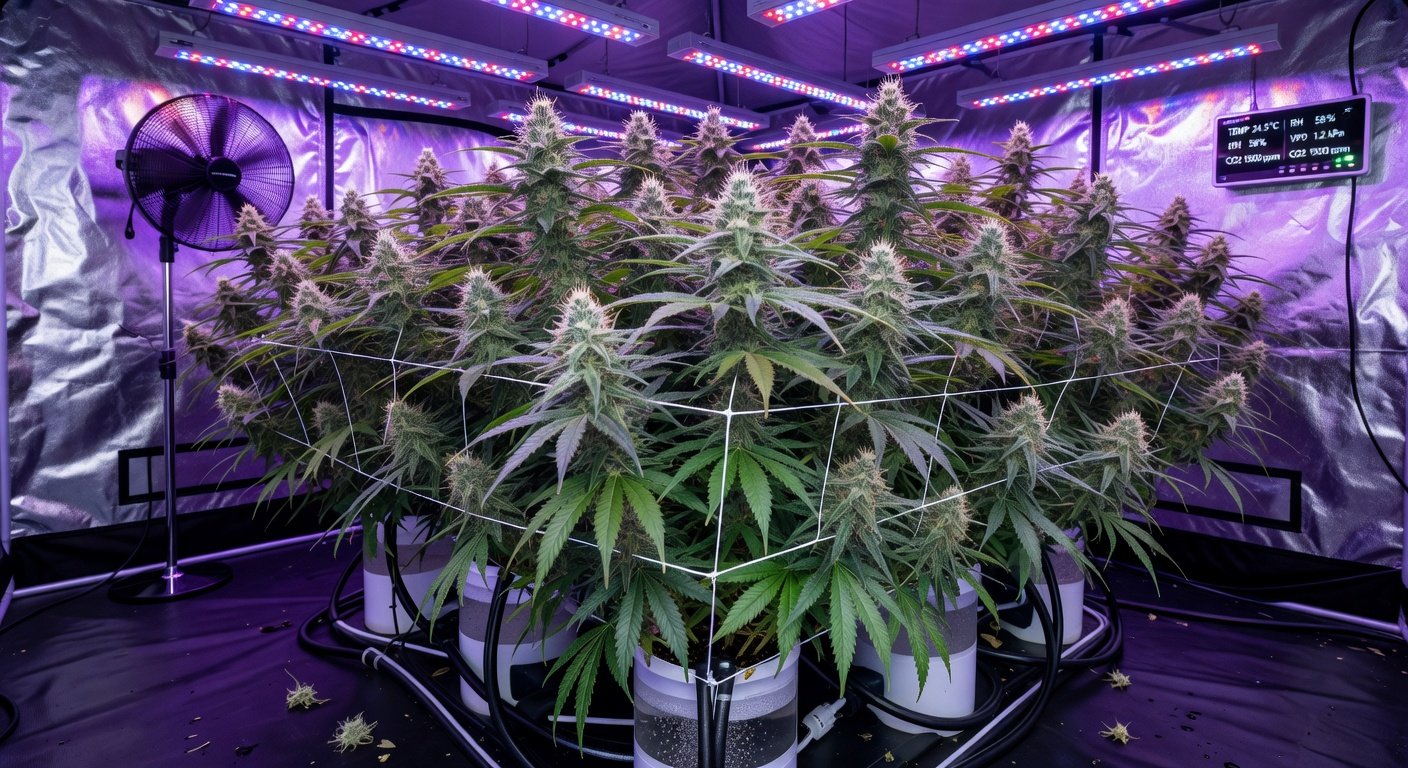
Use a 18/6 or 20/4 light cycle from seed to harvest. For indoors, LED lights like the Mars Hydro TS series deliver full-spectrum coverage at 300-500 PPFD during veg and 600-800 during flower. This prevents light burn while promoting photosynthesis.
Real-world example: An indoor grower in California reported a 25% yield boost by switching to 20/4 with quantum board LEDs, yielding 450g/m² from Northern Lights Auto. Outdoors, in Mediterranean climates, position plants for 14+ hours of natural sun, supplementing with reflective mulches on cloudy days to mimic this schedule.
2. Tailor Nutrient Regimens to Autoflower Needs
Autoflowers are sensitive to overfeeding, leading to nutrient burn or deficiencies that cap yields at subpar levels. The solution? A balanced, low-strength regimen focused on micronutrients.
Start with half-strength vegetative nutrients (high nitrogen) for the first 3 weeks, then transition to bloom formulas (high phosphorus and potassium) around week 4. Use organic options like Fox Farm Ocean Forest soil amended with compost teas for slow-release feeding.
In practice, a UK outdoor grower using BioBizz nutrients on White Widow Auto achieved 150g/plant by monitoring EC levels at 1.0-1.5 mS/cm, avoiding salt buildup. Indoors, hydroponic setups with General Hydroponics Flora series saw 30% more colas due to precise dosing via automated feeders.
3. Master pH and EC Management
Fluctuating pH locks out essential nutrients, causing yellowing leaves and reduced bud sites—a common yield killer in autoflowers’ short life.
Maintain soil pH at 6.0-7.0 or hydro at 5.5-6.5. Test runoff weekly and adjust with pH Up/Down solutions. Cal-Mag supplements prevent deficiencies in RO water setups.
Example: A basement grower in Colorado fixed pH swings in their DWC system, boosting yields from 200g to 350g/m² on Gorilla Glue Auto. Outdoors, amending clay soils with perlite and lime stabilized pH, allowing Amnesia Haze Auto to yield 180g/plant in rainy Pacific Northwest conditions.
4. Implement Low-Stress Training (LST)
Autoflowers’ fixed flowering timeline limits height, but poor canopy management leads to uneven light exposure and lower yields.
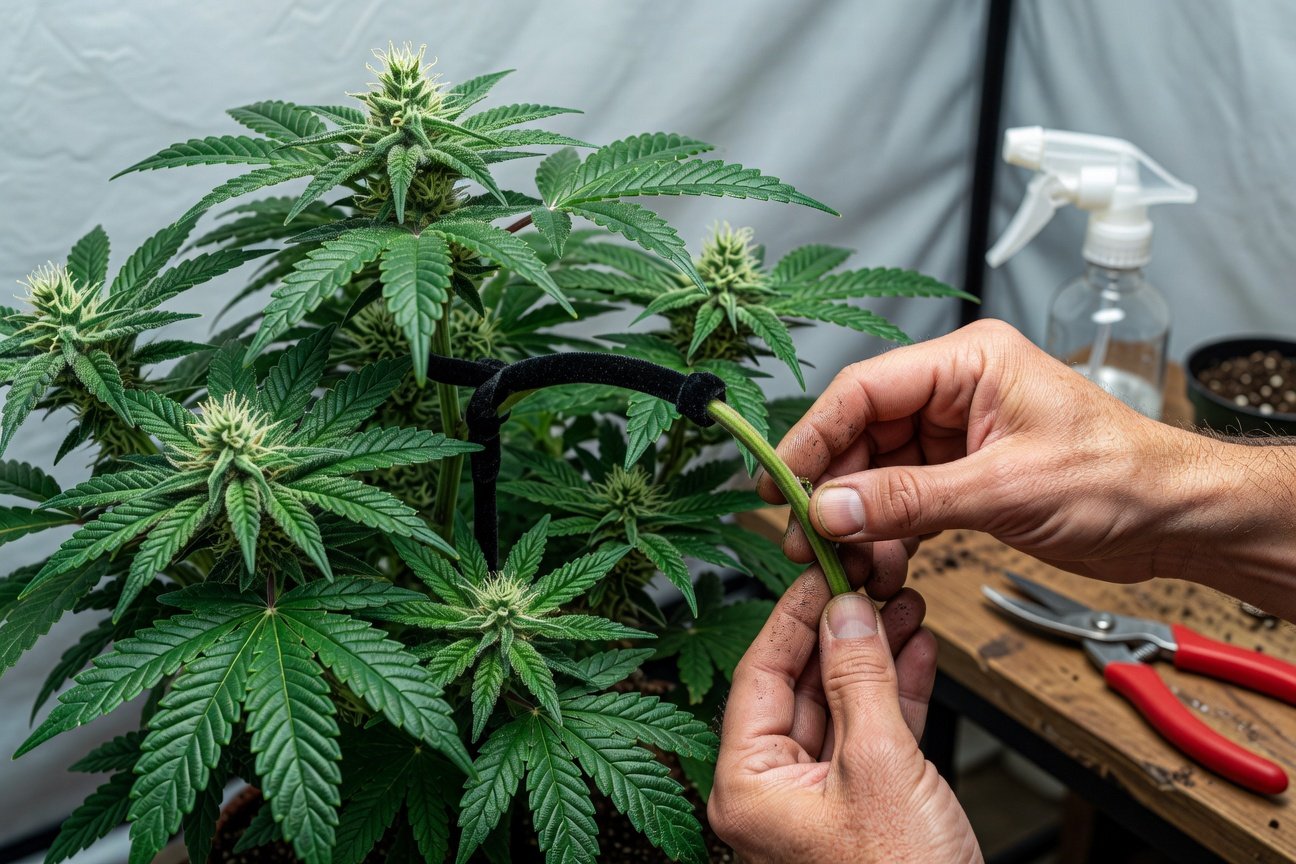
Gently bend and tie main stems horizontally from week 2 to create an even canopy. Avoid high-stress techniques like topping, which can delay recovery.
Indoor success story: Using LST on Blueberry Auto in a 4×4 tent, a hobbyist increased bud sites by 40%, harvesting 400g. Outdoors, in sunny Arizona, LST on taller autos like Critical+ prevented shading, yielding 220g/plant despite wind exposure.
5. Control Temperature and Humidity Precisely
Heat above 85°F or humidity over 70% invites mold and slows metabolism, directly impacting yield density.
Aim for 70-80°F days and 60-65°F nights, with 40-50% RH in flower. Use exhaust fans, heaters, or dehumidifiers indoors; shade cloth outdoors.
A Toronto indoor grower cooled their space to 75°F, preventing bud rot onZkittlez Auto and upping yields to 500g/m². In humid Florida outdoors, a greenhouse with vents kept RH at 45%, saving a crop of Gelato Auto for 160g/plant.
6. Choose High-Quality Genetics and Seeds
Subpar seeds result in hermies or weak plants, slashing potential yields before you start.
Select from reputable breeders like FastBuds or Royal Queen Seeds, focusing on high-yield strains like Mimosa Auto (up to 550g/m²).
Example: An Australian outdoor enthusiast switched to premium autos, harvesting 250g/plant from Orange Sherbet versus 100g from generics. Indoors, feminized seeds ensured 100% females, maximizing space efficiency.
7. Enhance Watering Practices
Overwatering drowns roots, while underwatering stresses plants—both reduce nutrient uptake and yield.
Water when the top 1-2 inches of soil are dry; use the lift method for pots. Incorporate mycorrhizae for better root health.
In a Seattle indoor setup, drip irrigation on Auto Ultimate yielded 420g/m² by maintaining even moisture. Outdoors in dry Spain, deep watering every 3 days on Power Plant Auto produced 200g/plant with minimal waste.
8. Integrate Beneficial Microbes and Organics
Chemical reliance can harm soil biology, leading to imbalanced ecosystems and lower yields.
Add compost teas, worm castings, or products like Great White mycorrhizae to boost root mass by 20-30%.
A Midwest US outdoor grower enriched soil with microbes, turning a 120g yield on Lemon Auto into 190g. Indoors, living soil beds with EM-1 enhanced terpene production in Purple Punch Auto, adding weight to buds.
9. Scout and Prevent Pests Early
Pests like spider mites can devastate yields in autoflowers’ short window, with no time for recovery.
Inspect daily; use neem oil or IPM with ladybugs. Companion planting with marigolds deters nematodes.
Example: An indoor Californian caught aphids early on Tangie Auto, saving 80% of the crop for 380g/m². Outdoors in Oregon, BT spray controlled caterpillars on Green Gelato, securing 170g/plant.
10. Time Harvest for Peak Potency and Yield
Harvesting too early sacrifices weight; too late risks degradation.
Monitor trichomes: harvest at 70% milky for max yield. Flush 1-2 weeks prior with plain water.
A Vancouver indoor grower waited for 20% amber on Wedding Cake Auto, boosting dry weight to 480g/m². Outdoors in British Columbia, cloudy-day harvesting preserved yields at 210g/plant despite fall rains.
Implementing these strategies holistically can transform your autoflower grows. For more on strain selection, visit Leafly, a trusted resource for cannabis education. Experiment, track your results, and watch your yields soar in 2026.