
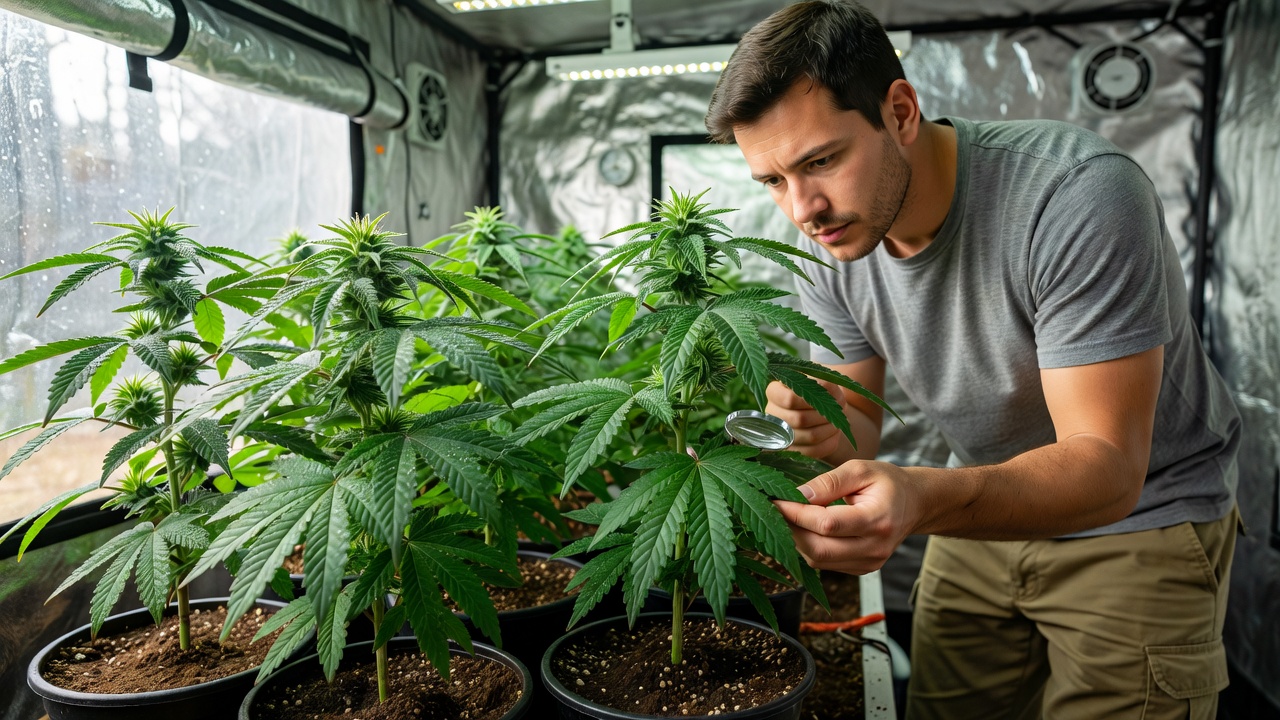
Autoflowering cannabis varieties have become a favorite among home growers for their speed and resilience, yet they remain vulnerable to a range of pests that can compromise yields. This guide explores effective, chemical-free methods to identify and prevent infestations while using integrated pest management tailored to 2026 growing conditions. By focusing on prevention through cultural practices, beneficial organisms, and vigilant monitoring, cultivators can maintain healthy plants across indoor tents, outdoor plots, and hydroponic systems. Autoflowers typically complete their cycle in 8–10 weeks from seed, leaving little margin for error when pests appear. Growers who combine early detection with environment-specific tactics consistently report higher-quality harvests and fewer losses compared to reactive approaches.
Identifying Common Pests in Autoflowers
Early identification is critical because autoflowers have a short life cycle that leaves little room for recovery from damage. Spider mites, thrips, aphids, and fungus gnats are among the most frequent offenders. Spider mites create fine webbing and stippled leaves, while thrips leave silvery trails and distorted growth. Aphids cluster on new shoots, secreting honeydew that encourages mold, and fungus gnats indicate overly moist soil that harms roots. Each pest produces distinct visual cues that become obvious under close inspection. Spider mites, for example, produce tiny yellow or white dots on leaf surfaces that later turn bronze; the webbing appears only after populations explode. Thrips leave behind black fecal specks and silvery scarring that runs parallel to leaf veins. Aphids are visible as small green, black, or brown clusters on stem tips and undersides, while their honeydew often supports black sooty mold. Fungus gnat adults resemble tiny mosquitoes, but the real damage comes from larvae feeding on root hairs in damp media.
Regular leaf inspections under magnification reveal these issues before they spread. In 2026, many growers use smartphone macro lenses paired with identification apps to confirm species quickly. A 60–100× clip-on lens lets growers photograph both the pest and its damage for later reference. Distinguishing between pests and nutrient deficiencies prevents unnecessary interventions and preserves plant vigor throughout the rapid autoflower flowering phase. Magnesium deficiency, for instance, produces interveinal yellowing that begins on older leaves, whereas spider mite stippling starts randomly across the canopy. Keeping a photo log of each plant every three days helps track progression and confirms whether an observed symptom is worsening or stabilizing after an environmental adjustment.
Practical Inspection Techniques
Begin each inspection at the lowest nodes and work upward, flipping every leaf. Use a bright flashlight held at an angle to highlight webbing or moving insects. Check the top two inches of soil for fungus gnat larvae by gently disturbing the surface with a toothpick. Outdoor growers should also examine neighboring vegetation, as pests often migrate from nearby ornamentals or vegetable gardens.
Establishing Monitoring Routines
Consistent monitoring forms the backbone of any successful prevention program. Weekly checks should include examining the undersides of leaves, stems, and soil surfaces at different times of day. Yellow sticky traps placed near the canopy catch flying insects and help track population trends over successive weeks. Replace traps every seven days and record the number of insects caught on each trap; a sudden doubling of thrips or whiteflies signals the need for immediate action. Morning inspections often reveal aphids that hide during hotter afternoon hours, while evening checks highlight spider mites active under lower light.
Outdoor growers benefit from recording local weather data, as warmer 2026 temperatures accelerate pest reproduction cycles. Indoor setups require attention to humidity levels between 40–55 percent during flowering to discourage mite outbreaks. Documenting findings in a simple journal or digital spreadsheet allows patterns to emerge and informs timely adjustments. A basic spreadsheet column for date, temperature, humidity, trap counts, and visible symptoms creates a searchable record that reveals seasonal trends after only two or three cycles.
Setting Action Thresholds
Define clear thresholds before problems arise. For spider mites, act when more than five mites appear per leaf during the vegetative stage or two mites per leaf once flowering begins. For aphids, treat at the first sign of clustered colonies exceeding ten individuals on any growing tip. These numbers keep interventions minimal while protecting yield.
Integrated Strategies Across Growing Setups
Integrated pest management combines multiple tactics suited to each environment. In grow tents, maintaining strong airflow with oscillating fans disrupts mite movement while avoiding excessive moisture. Position fans so they create gentle turbulence across all leaf surfaces without directly blasting young plants. Soil growers should top-dress with neem meal or insect frass at a rate of one tablespoon per gallon of soil every three weeks to create an inhospitable environment for soil-dwelling larvae without harming beneficial microbes. Reapply after heavy watering to maintain the barrier.
Hydroponic and coco coir systems demand sterile reservoirs and regular filter cleaning to prevent algae that attracts gnats. Change nutrient solution weekly and scrub reservoir walls with a 3 percent hydrogen peroxide solution between changes. Outdoor autoflower patches benefit from companion planting with marigolds and basil, which repel aphids naturally. Space one marigold plant for every four cannabis plants and interplant basil along row edges. Crop rotation between seasons and removal of plant debris at harvest reduce overwintering sites for pests. After harvest, solarize soil by covering it with clear plastic for four weeks during peak summer heat to kill remaining pupae.
Natural Remedies and Beneficial Insects
When populations exceed thresholds, targeted natural remedies provide control without residues. Insecticidal soaps and horticultural oils smother soft-bodied pests on contact when applied during lights-off periods. Mix potassium-based soap at 2 percent concentration and apply with a fine-mist sprayer, covering both leaf surfaces thoroughly. Repeat after four days to catch newly hatched nymphs. Diatomaceous earth sprinkled on soil surfaces dehydrates crawling insects while remaining safe for roots once watered in properly. Apply a thin layer around the stem base and reapply after irrigation.
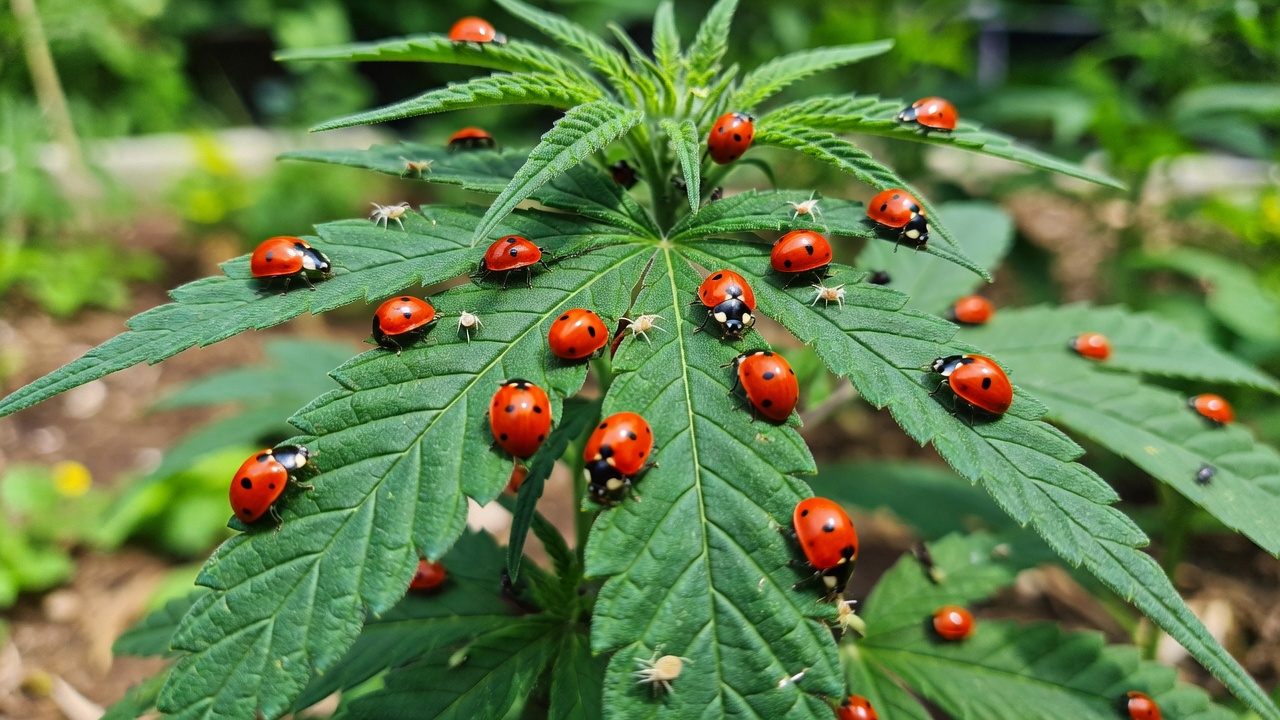
Releasing predatory mites such as Phytoseiulus persimilis or generalist predators like ladybugs and lacewings offers ongoing suppression. Introduce 2,000 predatory mites per 100 square feet at the first sign of spider mites, then follow with a second release seven days later. These beneficials thrive when pollen sources or supplemental feedings are available. In 2026, many suppliers offer climate-adapted strains of beneficial insects bred for warmer indoor conditions, improving establishment rates in sealed environments. Provide small dishes of sugar water or commercial pollen substitute near release points to increase survival until pest numbers rise.
Timing Releases for Maximum Effect
Release beneficial insects in the evening when lights are off or dimmed. Mist plants lightly beforehand to raise humidity and encourage predators to stay on foliage. Avoid releasing during peak heat or immediately after applying oils or soaps, as residues can harm the beneficials.
Adapting to 2026 Environmental Conditions
Shifting climate patterns in 2026 have extended pest seasons in many regions, requiring proactive adjustments. Increased CO2 levels in indoor grows can accelerate both plant growth and mite reproduction, so pairing elevated CO2 with stricter humidity control becomes essential. Maintain 800–1,000 ppm CO2 only when vapor pressure deficit stays between 0.8 and 1.2 kPa. Drought-resistant autoflower genetics help outdoor plants withstand stress that otherwise invites infestations. Choose cultivars with thick cuticles and rapid recovery traits when planting in areas prone to summer heat waves.
Using reflective mulches and shade cloth outdoors moderates temperature spikes that favor thrips. Install 30 percent shade cloth during July and August afternoons and lay silver mulch around plant bases to bounce light upward while keeping soil cooler. Indoor LED spectrum adjustments that emphasize far-red wavelengths during late flower can subtly influence pest behavior while supporting resin production. Shift fixtures to 20 percent far-red output for the final two weeks to reduce mite activity without sacrificing bud density. Staying informed through extension services ensures strategies remain effective against evolving pest pressures. Subscribe to regional agricultural alerts and cross-reference with local grower forums for real-time observations.
Conclusion
Successful pest prevention in autoflowering cannabis relies on observation, cultural practices, and biological allies rather than synthetic interventions. By implementing structured monitoring and environment-specific tactics, home growers protect their 2026 harvests while preserving the natural balance of their gardens. Consistent application of these methods yields robust plants and cleaner flowers for personal use. Growers who document each season’s results refine their approach over time, achieving progressively better outcomes with less effort.