
Harvesting cannabis at the right moment is one of the most important skills for new growers. Visual cues such as trichome color shifts and pistil browning provide reliable signals that help avoid both premature and delayed cuts. This guide focuses on these observable indicators while recommending fast-finishing strains suited to beginners. New cultivators often discover that mastering these cues transforms an unpredictable first harvest into a repeatable process that consistently delivers higher-quality flowers.
Why Precise Harvest Timing Improves Yields
Harvesting too early can result in lower potency and reduced overall weight, while waiting too long may lead to degraded cannabinoids and harsher flavors. Beginners benefit from learning these visual markers early because they directly influence the final quality of the flowers. Fast-maturing varieties allow new cultivators to practice these techniques within shorter cycles, building confidence for future grows. For example, cutting a plant just one week before peak maturity can reduce total bud weight by 15 to 20 percent and leave THC levels noticeably lower than their maximum potential.
Understanding the plant’s natural progression from flowering to maturity helps maximize resin production. Observing daily changes over the final weeks reveals patterns that guide decisions without guesswork. This approach keeps the focus on plant signals rather than external variables. Growers who photograph the same bud every other day during the last three weeks often notice subtle swelling and resin buildup that confirms the visual markers they are tracking.
Real-World Timing Examples
Consider a Northern Lights plant that begins flowering on schedule. By day 45, most pistils remain white. By day 55, roughly half have turned amber. Waiting until day 60 typically produces noticeably heavier colas with a richer aroma. Documenting these milestones in a grow journal helps beginners recognize the same progression in subsequent runs.
Pistil Color Changes as Reliable Indicators
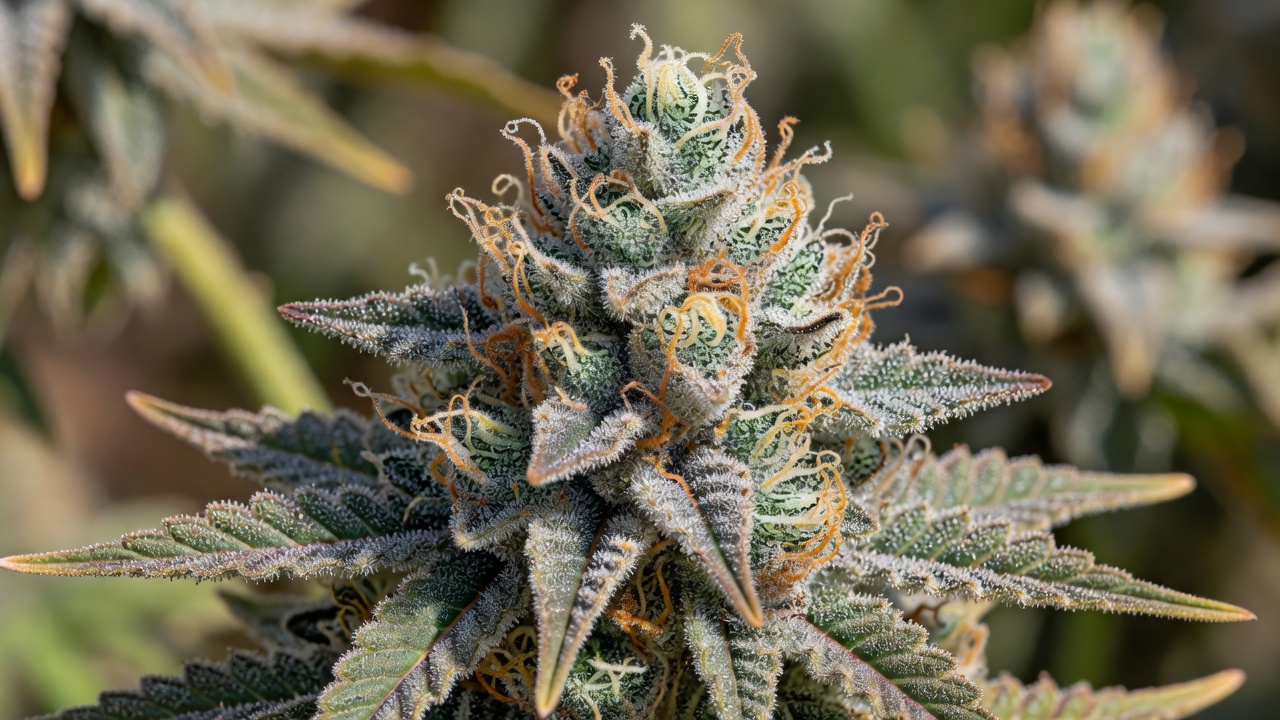
Pistils, the hair-like structures on female flowers, start white and gradually turn orange, brown, or red as maturity approaches. When approximately 70 percent of pistils have darkened and curled inward, the plant is often nearing peak ripeness. This visual transition typically occurs over several days and offers an accessible first check for novice growers. In practice, growers examine the upper colas first because they mature slightly ahead of lower branches.
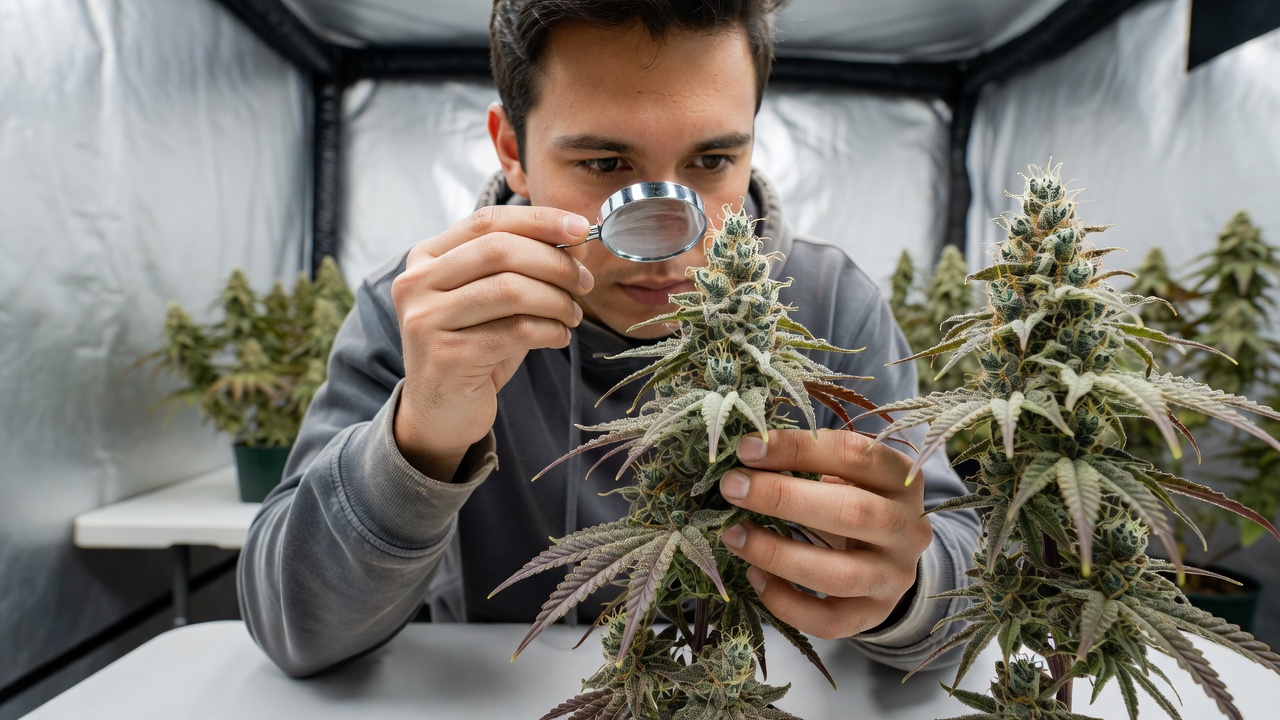
Monitoring pistils requires only good lighting and regular observation. Different strains display varying rates of color change, so tracking multiple buds on the same plant provides a clearer picture. Fast-finishing seeds often show these shifts within eight to nine weeks of flowering, making them ideal practice material. A simple hand lens held at arm’s length lets growers count darkened pistils without disturbing the plant.
Lighting and Observation Tips
Use neutral white LED or natural daylight when checking pistils. Warm grow lights can make white hairs appear yellowish, leading to early cuts. Checking the same three or four buds each session eliminates guesswork and reveals the steady progression from 30 percent to 70 percent darkened pistils over roughly five days.
Trichome Color Examination Step by Step
Trichomes are the tiny resin glands covering the buds and leaves. Their color progression from clear to milky white and finally amber signals the ideal harvest window. Clear trichomes indicate ongoing cannabinoid development, while cloudy ones suggest peak THC levels. Amber trichomes point to more sedative effects as THC begins converting to CBN.
Use a jeweler’s loupe or digital microscope at 30x to 60x magnification for accurate viewing. Check several buds from different parts of the plant, focusing on the calyxes rather than sugar leaves. Aim for a mix of 70-80 percent milky trichomes with 10-20 percent amber for balanced effects. This method works consistently across quick-finishing strains popular with beginners. Many first-time growers start by examining the largest top bud, then move to mid-plant sites to confirm uniformity before deciding on harvest day.
Practical Microscope Technique
- Hold the loupe steady against your cheek and bring the bud into focus slowly.
- Look for the mushroom-shaped heads rather than the stalks.
- Count 100 trichomes in a small field of view and note the percentages.
- Repeat on at least three separate buds to average results.
Recording these counts in a notebook creates a personal reference that improves accuracy with each harvest.
Recommended Fast-Finishing Strains for New Growers
Selecting strains that complete flowering in 7 to 9 weeks reduces the learning curve. Varieties such as Northern Lights, Blue Dream, and certain autoflowering hybrids finish quickly while displaying clear trichome and pistil changes. These options allow beginners to observe full cycles multiple times per year and refine timing skills rapidly. Northern Lights typically shows 70 percent browned pistils by week eight, while Blue Dream often requires an extra four or five days for the same visual milestone.
Fast genetics also tend to produce dense buds with visible resin early, making visual assessment straightforward. Beginners should source reputable seed banks offering germination guarantees to ensure reliable starts. Pairing these strains with basic observation routines supports steady progress toward higher yields. Autoflowering versions of these genetics further shorten the timeline, letting new growers complete two or three practice cycles in a single growing season.
Strain-Specific Observation Notes
- Northern Lights: Pistils darken uniformly; trichomes reach 70 percent milky around day 56.
- Blue Dream: Lower branches lag behind tops by three to four days; check multiple sites.
- Autoflowering hybrids: Begin daily checks at week six because the window closes quickly.
Creating a Simple Timing Checklist
Begin the final phase by noting the start of flowering and counting forward based on the strain’s expected duration. From week six onward, inspect pistils twice weekly. Once pistil browning reaches 50 percent, begin daily trichome checks. Record observations in a notebook to spot trends across multiple plants. This systematic approach prevents the common beginner mistake of harvesting on a fixed calendar date rather than plant signals.
- Week 7-8: Majority of pistils darkened; begin trichome monitoring.
- 70 percent milky trichomes: Target window for most effects.
- Additional 5-7 days for higher amber content if desired.
- Final confirmation: Average trichome counts from three different buds match target ratios.
This checklist prevents rushed decisions and encourages patience until visual cues align. Quick-finishing seeds make the entire process more manageable for first-time cultivators. Adding a simple calendar reminder every other day after week six ensures no observation is missed during the critical final stretch.
Conclusion
Mastering trichome and pistil observation equips beginners with a dependable system for determining harvest readiness. By choosing fast-maturing strains and following structured visual checks, new growers can achieve better yields and consistent quality. Regular practice with these techniques builds expertise that carries forward into every subsequent grow. Over time, the same observational habits become second nature, allowing cultivators to harvest at peak potency without relying on guesswork or external calendars.