
Cannabis Breeding Techniques 2026: Custom Strains Guide
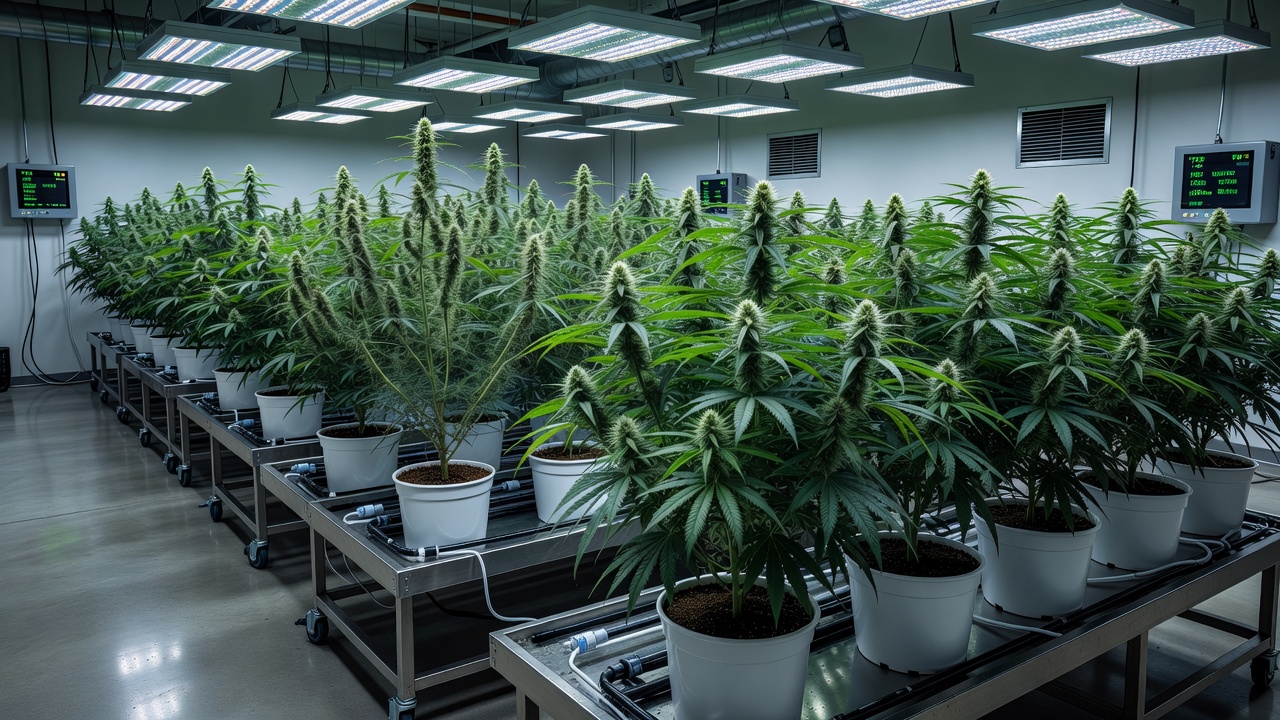
Experienced cannabis growers often seek to develop unique strains tailored to specific effects, flavors, or growing conditions. In 2026, breeding combines traditional methods with modern precision tools and sustainable practices. This guide covers parent selection, controlled pollination, seed stabilization, and seamless integration with standard seed-to-harvest workflows. By following structured approaches, cultivators can create consistent genetics that perform reliably across different environments while meeting personal or market demands for potency, aroma, and resilience.
Selecting Ideal Parent Plants
Choosing strong parent plants forms the foundation of successful breeding. Focus on phenotypes displaying desired traits such as high resin production, disease resistance, and terpene profiles. Evaluate both male and female candidates through multiple grow cycles to confirm genetic stability. Record detailed notes on growth patterns, flowering times, and environmental tolerances to guide selections. For instance, a grower might track how a particular female responds to nutrient fluctuations during weeks four through six of flower, noting any signs of stress that could indicate weaker genetics.
Use genetic testing kits now widely available to home growers for deeper insights into cannabinoid ratios and potential recessive traits. Prioritize landrace or heirloom varieties when seeking novel genetics, but balance them with proven hybrids for vigor. Always quarantine new selections to prevent pest introduction into existing gardens. Practical guidance includes maintaining separate grow spaces for new acquisitions for at least two weeks, monitoring for spider mites or powdery mildew daily, and documenting visual inspections alongside lab results.
Phenotype Evaluation and Record Keeping
Implement a systematic evaluation process by growing at least ten seeds from each candidate line. Measure key metrics such as internode spacing, leaf morphology, and bud density at multiple stages. Use spreadsheets or dedicated breeding apps to log data points like yield per plant and resistance to common pathogens. This method helps identify standout individuals early, reducing wasted effort on unstable lines.
Controlled Pollination Methods
Controlled pollination ensures targeted crosses without contamination. Isolate breeding pairs in dedicated tents or rooms equipped with HEPA filtration and precise climate controls. Collect pollen from selected males using gentle brushing techniques during peak release windows, typically weeks two through four of flowering. A concrete example involves selecting a male that produces abundant pollen sacs by day 18 of flower, then brushing collected grains onto a clean glass slide for storage in a desiccated container until needed.
Apply pollen to female pistils with fine brushes or atomizers during optimal receptivity stages. Monitor humidity levels closely, maintaining 45-55% to encourage fertilization while discouraging mold.
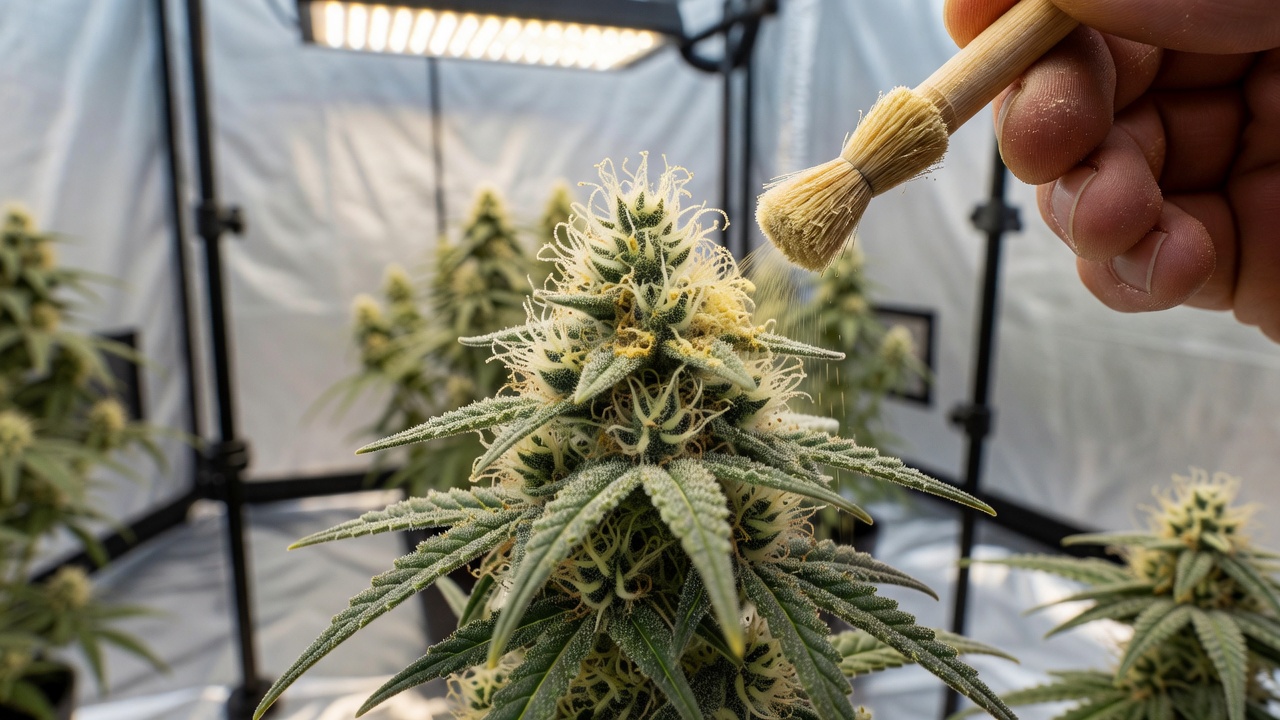
Label all crosses meticulously with dates, parent IDs, and environmental data for future reference and tracking. Growers can further refine this by creating a pollination schedule that staggers applications over three days to maximize seed set rates, often achieving 70-80% fertilization success when timing aligns with peak stigma receptivity.
Step-by-Step Pollination Protocol
- Confirm male pollen viability by testing a small sample on a receptive female branch 48 hours prior to full application.
- Prepare females by removing lower branches to focus energy on upper pollination sites.
- Apply pollen in early morning hours when humidity naturally dips, then raise humidity slightly afterward to support fertilization.
- Seal the breeding area for 24 hours post-application to prevent stray pollen movement.
Seed Collection and Stabilization
Harvest seeds once calyxes swell and begin to split, usually eight to ten weeks post-pollination. Dry seeds thoroughly at low humidity before storage in cool, dark conditions. Initial F1 seeds often show hybrid vigor but require stabilization through successive generations to lock in desired traits. For practical illustration, a grower might collect 200 seeds from a single successful cross, then germinate 50 immediately while storing the rest at 4°C with silica gel packets to maintain viability for up to three years.
Stabilize lines by backcrossing or selfing over three to five generations while culling outliers. Employ 2026-recommended LED spectrum tuning during seed production to enhance viability and uniformity. Test small batches for germination rates above 85% before scaling up production. Clear explanations of this process show that each generation reduces phenotypic variation; for example, selecting only plants that finish flowering within a five-day window by F3 helps create more predictable harvest schedules.
Integrating Breeding with Standard Growing Workflows
Blend breeding projects into routine seed grows by dedicating specific zones within larger operations. Start with regular photoperiod or autoflower seeds, then introduce select males only after confirming female performance in the main garden. This phased approach minimizes disruption while allowing data collection across environments. One effective example involves running a 4×4 foot breeding tent alongside a larger production room, using identical nutrient schedules so any resulting seeds perform consistently when scaled up.
Track all plants using digital apps synced with sensor networks for real-time environmental logging. Rotate breeding stock through the same nutrient regimens and training techniques used for production crops to ensure compatibility. Many growers now incorporate automated monitoring systems that flag stress indicators early, supporting healthier breeding outcomes. Lists of compatible training methods include low-stress training for even canopy development and defoliation timed to match production cycles.
2026 Cultivation Best Practices
Adopt regenerative soil practices and organic amendments to support robust genetic expression. Utilize beneficial microbe inoculants and companion planting to reduce reliance on synthetic inputs. Energy-efficient HVAC and smart controllers help maintain optimal conditions while lowering operational costs. Concrete guidance recommends mixing compost teas weekly and planting basil or marigolds nearby to naturally deter pests without affecting cannabinoid profiles.
Stay compliant with evolving local regulations by documenting all breeding activities. Source information from authoritative bodies such as the National Institutes of Health for research-backed insights on plant genetics. Experiment with emerging tissue culture techniques for virus-free clones of prized breeding stock. These practices ensure long-term sustainability and help maintain genetic integrity across multiple seasons.
Conclusion
Breeding custom cannabis strains rewards patience and meticulous record-keeping. By applying 2026 best practices in parent selection, pollination, and stabilization, home growers can produce distinctive varieties that stand out. Integrate these techniques thoughtfully into existing workflows to expand your genetic library sustainably and successfully. Consistent application of these methods leads to reliable seed banks that deliver repeatable results year after year.