
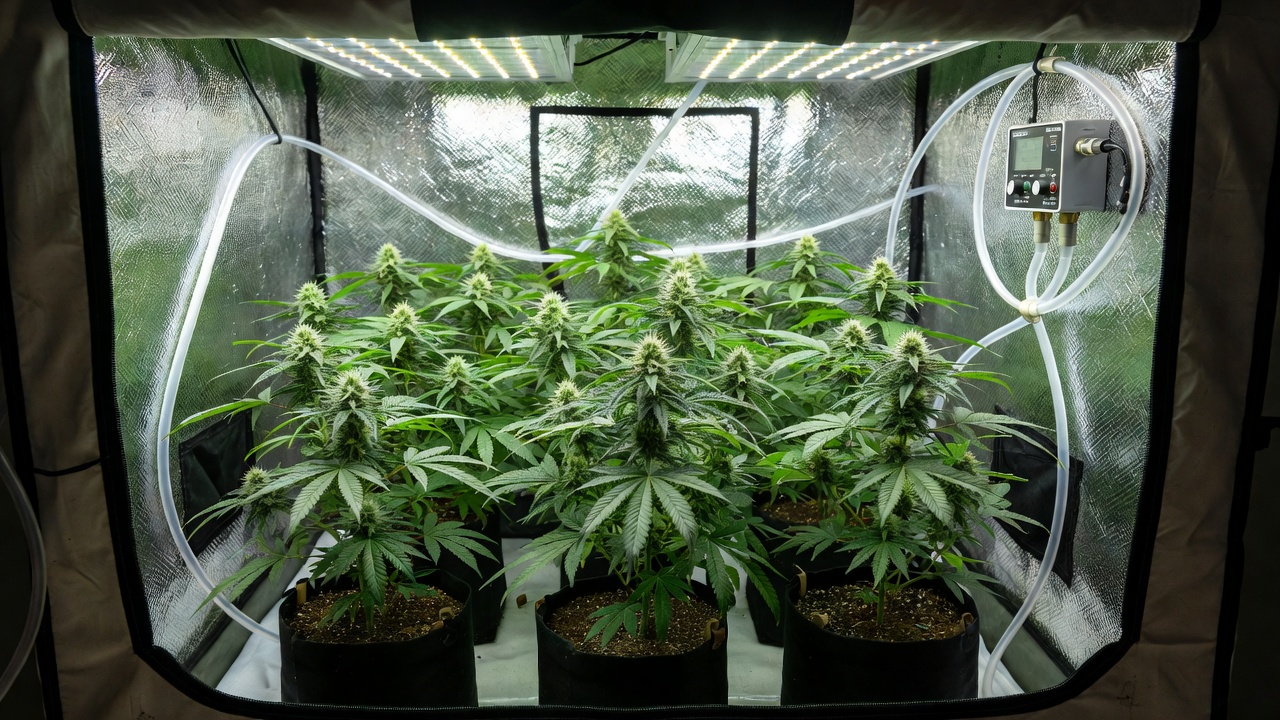
Introduction to CO2 Enrichment in Autoflower Cultivation
Autoflowering cannabis strains offer home growers a fast, straightforward path to harvest, typically completing their cycle in 8 to 12 weeks from seed. When grown indoors, these plants respond exceptionally well to optimized environmental conditions, and one of the most effective upgrades is controlled CO2 enrichment. By increasing carbon dioxide levels above ambient air, growers can accelerate photosynthesis, leading to quicker vegetative development and denser flower production. This article explores practical methods for implementing CO2 systems tailored specifically to autoflower seeds, ensuring compatibility with existing ventilation and lighting while avoiding common mistakes that could harm plants or reduce yields.
Many enthusiasts overlook CO2 because autoflowers are compact and efficient, yet research shows that elevated CO2 can boost biomass by 20 to 30 percent under proper lighting. The key lies in maintaining balance: too much CO2 without adequate light or airflow creates stress rather than gains. Throughout this guide, we integrate autoflower-specific tips such as adjusting enrichment timing to their shorter cycles and monitoring for rapid growth spurts that demand extra nutrients.
Why Autoflowers Benefit from Elevated CO2 Levels
Autoflowering varieties transition automatically from vegetative growth to flowering based on age rather than light schedules. This compressed timeline means every day counts, making CO2 enrichment particularly valuable during the first four to six weeks when plants build structure. Higher CO2 concentrations allow leaves to process light more efficiently, resulting in stronger stems and larger fan leaves that support bigger buds later.
Indoor environments often have stagnant air with CO2 levels around 400 ppm, which limits potential. Raising this to optimal ranges accelerates metabolism without extending the overall grow time. Growers frequently report harvests arriving a few days earlier alongside increased resin production. Pairing CO2 with full-spectrum LEDs further amplifies results because autoflowers thrive under intense but consistent light.
Recommended CO2 Concentrations and Monitoring
Target CO2 levels for autoflowers indoors range from 1000 to 1500 ppm during lights-on periods. Start conservatively at 800 ppm for the first week after seedlings establish, then gradually increase as plants mature. During flowering, maintain 1200 ppm to support bud swelling while watching for signs of excess such as leaf clawing.
Accurate monitoring is essential. Invest in a digital CO2 controller with built-in sensors that automatically adjusts release based on real-time readings. Place the sensor at canopy height, away from exhaust vents. Regular calibration prevents drift, and pairing the device with a hygrometer ensures humidity stays between 50 and 60 percent, which works synergistically with CO2.
Essential Equipment for Safe CO2 Delivery
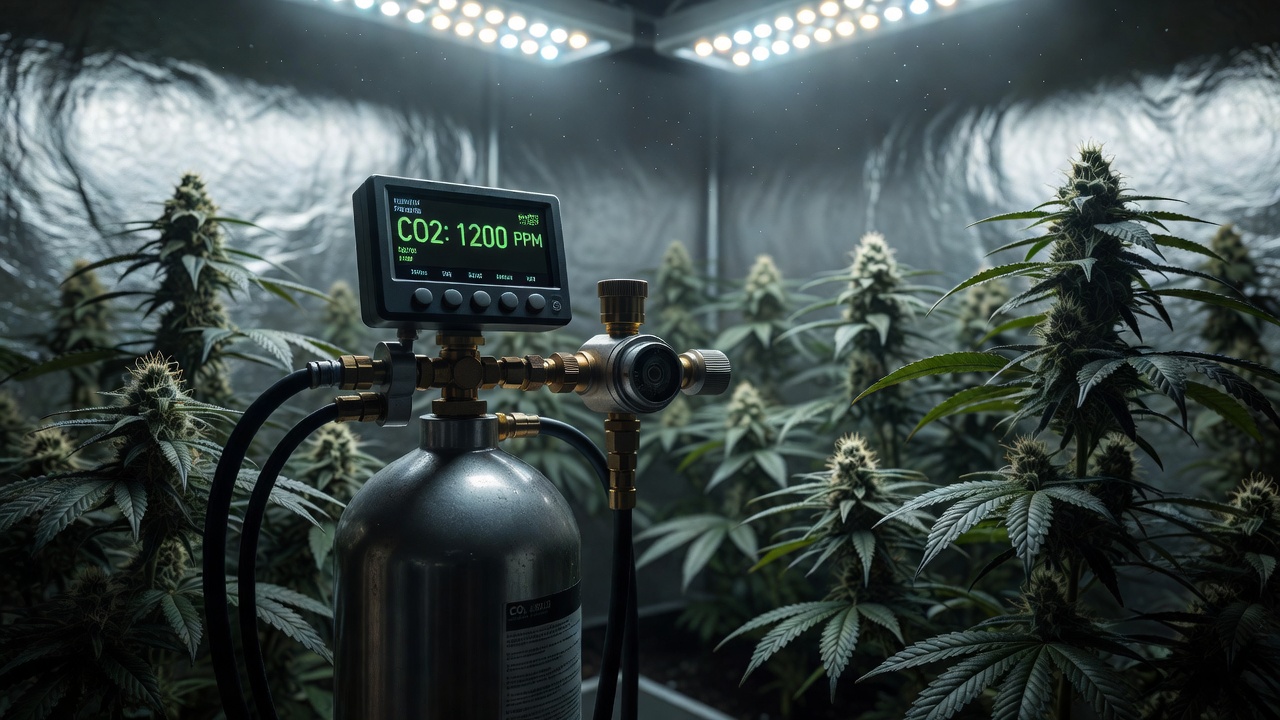
Basic setups require a CO2 tank, regulator with solenoid valve, and tubing routed into the grow space. For smaller tents common with autoflowers, a 5- or 10-pound tank lasts several weeks. Advanced options include inline CO2 generators that burn natural gas or propane, though these demand excellent ventilation to manage heat and moisture.
Always select equipment rated for indoor horticultural use. Connect the regulator to a timer synchronized with your lights so enrichment occurs only when plants are actively photosynthesizing. Avoid cheap plastic tubing that can leak; opt for polyurethane lines designed for gas delivery. Many growers add a small oscillating fan to distribute CO2 evenly across the canopy.
Integrating CO2 with Ventilation and Lighting Systems
Effective CO2 enrichment requires a sealed or semi-sealed environment, yet autoflower grows still need fresh air exchange to control temperature and humidity. Use a variable-speed exhaust fan paired with an intake that activates only when CO2 levels drop below setpoints. This maintains enrichment during peak hours while preventing dangerous buildup overnight.
Lighting plays a central role. Autoflowers under 200 to 300 watts of quality LEDs per square meter can fully utilize 1200 ppm CO2. Position lights 18 to 24 inches above the canopy and raise them gradually as plants stretch. Combine this with a PAR meter to confirm light intensity matches the enriched atmosphere, preventing light burn while maximizing efficiency.
Step-by-Step Cycle Implementation and Autoflower Tips
Begin enrichment once seedlings develop their second set of true leaves. Run the system 18 hours daily during the vegetative phase, matching your light schedule. Reduce to 12 hours once flowering begins to conserve gas. Check plants daily for rapid growth and increase feeding strength accordingly, as CO2-enhanced autoflowers often demand higher EC levels.
- Seedling stage: 600-800 ppm to avoid shocking tender roots.
- Vegetative weeks 2-4: Ramp to 1000 ppm and monitor leaf expansion.
- Flowering weeks 1-6: Hold at 1200 ppm; flush with fresh air before harvest.
Track everything in a grow journal, noting how CO2 affects stretch and bud density. This data helps refine future runs with different autoflower genetics.
Common Pitfalls, Safety Considerations, and Maximizing Results
Over-enrichment without sufficient light wastes resources and can cause oxygen deprivation at night. Never exceed 2000 ppm, as this poses health risks to humans. Always ventilate the space thoroughly before entering for extended periods. Link your CO2 controller to a smart plug that shuts off if temperatures rise above 85°F.
Another frequent error is ignoring pest pressure; faster growth attracts spider mites more quickly, so maintain strict hygiene. For authoritative guidance on indoor air quality and CO2 handling, consult resources from the CDC and OSHA. By following these protocols, home growers achieve consistent, high-quality autoflower harvests year after year.
Conclusion
CO2 enrichment transforms standard autoflower indoor grows into high-performance operations when executed with precision. From selecting appropriate equipment to syncing systems with ventilation and lights, each step builds toward faster cycles and superior yields. Apply these autoflower tips consistently, monitor diligently, and adjust based on plant feedback to unlock the full potential of your setup.