
As cannabis cultivation evolves in 2026, home growers need sophisticated methods to evaluate strains beyond basic observations. This guide equips enthusiasts with advanced techniques for conducting personal strain reviews, focusing on effects, flavor profiles, and cannabinoid ratios throughout the grow cycle. By applying these insights, you can make informed decisions when purchasing seeds from reputable sources. Expanding your review process turns subjective experiences into reliable data that improves future harvests and purchasing choices.
Building Your Strain Review Toolkit
Essential Tools for Accurate Documentation
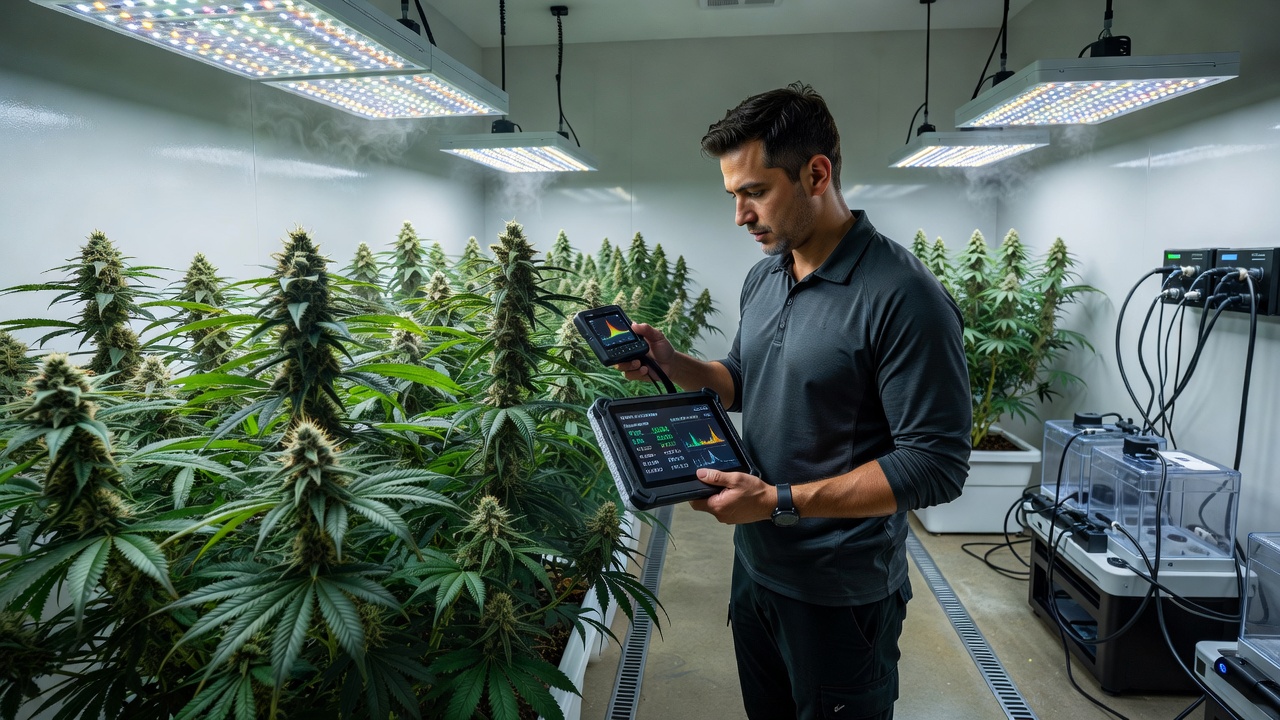
Successful reviews begin with preparation. Assemble tools including a digital journal app such as GrowBuddy or StrainLog, a calibrated pH meter for nutrient solution checks, a 60x magnifying loupe for trichome inspection, and a portable spectrometer for basic cannabinoid screening. Track environmental variables like temperature, humidity, and light cycles daily to correlate them with plant responses. This data forms the foundation for accurate comparisons across multiple grows. For example, logging daily VPD values helps identify why one phenotype stretches more than another under identical lighting.
Consider integrating smartphone attachments for macro photography to document trichome development at consistent intervals. Many growers also maintain separate logs for vegetative and flowering stages, noting any nutrient adjustments such as switching from a 3-1-2 NPK ratio to a 1-3-4 bloom formula. These records prove invaluable when analyzing how specific conditions influence final outcomes, especially when comparing two plants from the same seed pack grown in different tents.
Practical Setup Example
Set up your toolkit by dedicating one evening per week to data entry. Photograph the same cola angle each Sunday and record spectrometer readings at harvest. This routine quickly reveals patterns like higher myrcene levels correlating with cooler nighttime temperatures.
Documenting the Grow Cycle in Detail
Vegetative Phase Observations
During the vegetative phase, record growth rates, leaf structure, and pest resistance. Note how the plant responds to training techniques such as topping or low-stress training. For instance, topping at the fifth node on a sativa-dominant strain may produce four even colas, while the same technique on an indica can create denser side branches that require extra support later.
Transitioning to flowering requires heightened attention to bud formation and aroma emergence. Measure internode spacing weekly and note any hermaphroditic traits under stress. These details help predict performance in future runs with different light schedules.
Flowering Phase Tracking
Flowering documentation should include weekly observations of pistil color changes and trichome maturation. Use a standardized scale to rate density and resin production on a 1-10 scale for each cola.
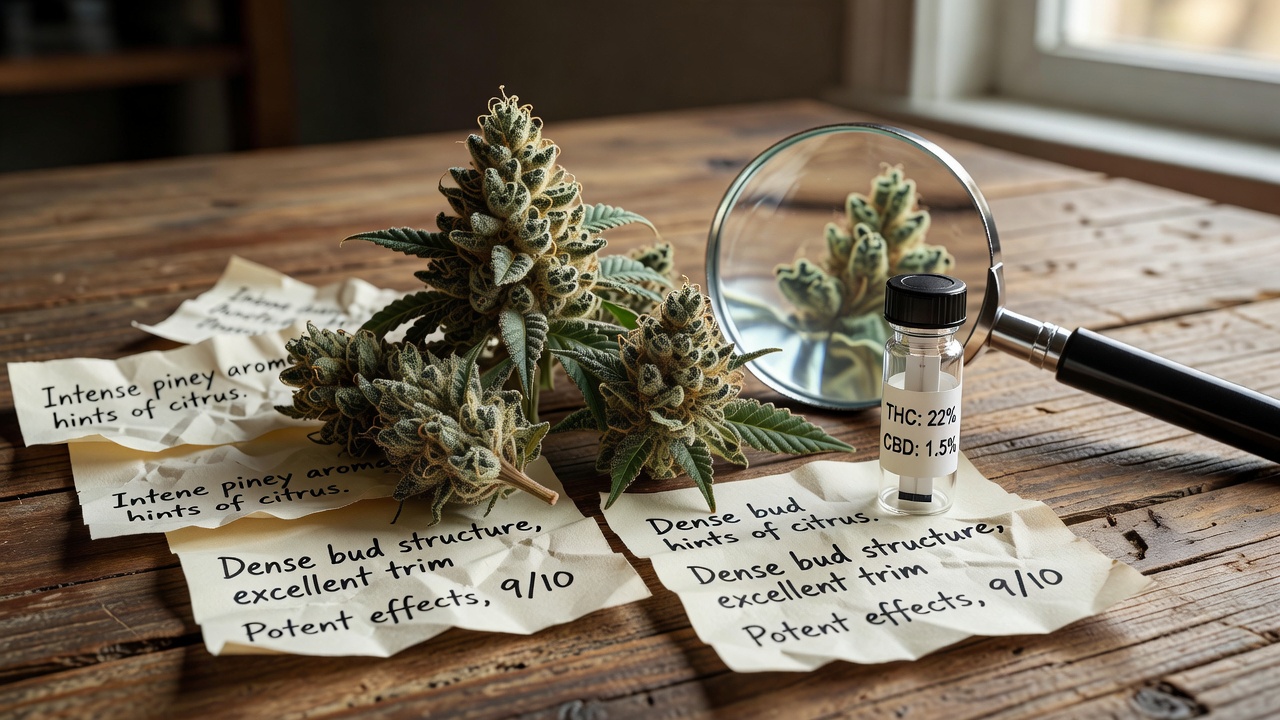
This systematic approach reveals strain-specific patterns that casual observation might miss, such as a strain that peaks in resin at week seven versus week nine.
Evaluating Effects and Flavor Profiles
Controlled Sensory Testing
Once harvested and cured, conduct sensory evaluations under controlled conditions. Sample small amounts at different times of day to assess onset, peak effects, and duration. Categorize effects as uplifting, sedative, or balanced while noting any medical applications like pain relief or focus enhancement. A practical example is testing a new hybrid at 8 a.m. versus 8 p.m. to determine whether it disrupts sleep or enhances morning productivity.
Flavor profiling involves breaking down terpene notes into categories such as citrus, earthy, or pine. Use a tasting wheel similar to those employed by professional sommeliers. Repeat sessions after proper curing periods to detect how flavors evolve over weeks of storage, often noticing that limonene-forward notes fade while caryophyllene deepens after four weeks in a glass jar.
- Record initial aroma upon opening the jar
- Describe smoke or vapor taste on inhale and exhale
- Note aftereffects on palate and mood
Building a Repeatable Protocol
Keep sessions consistent by using the same vaporizer temperature of 375°F and a neutral palate cleanser between samples. Over multiple grows, this method produces comparable scores that highlight true genetic differences rather than environmental variables.
Measuring THC and CBD Ratios Accurately
Home Testing and Lab Partnerships
Advanced reviewers employ home testing kits or partner with local labs for precise cannabinoid analysis. Track ratios at different harvest windows to understand how timing affects potency. Compare results against advertised seed bank claims to verify genetic stability. A concrete example is harvesting one plant at 20% amber trichomes and another at 40%, then sending both samples to a lab to quantify the typical 3-5% THC increase.
Document variations between plants from the same seed batch. Environmental factors can shift ratios by 5-10 percent, so multiple grows provide more reliable data. Resources from the National Institutes of Health offer guidance on interpreting lab reports: https://www.nih.gov/
Interpreting Results Over Time
Maintain a spreadsheet column for each harvest date alongside spectrometer estimates and lab confirmations. After three cycles you can confidently predict the best window for your specific environment and equipment.
Applying Insights to 2026 Seed Selection
Creating a Personal Database
Compile review data into searchable databases categorized by desired traits. Cross-reference your findings with climate suitability and yield potential. This personalized database helps prioritize seeds that match your growing environment and consumption preferences. For example, tag strains that performed well above 85°F daytime temperatures for future summer grows.
Share anonymized summaries in grower communities to contribute to collective knowledge. Focus on strains demonstrating consistent performance across your documented cycles. This evidence-based approach minimizes trial-and-error purchases in the expanding 2026 seed market.
Decision-Making Framework
Before ordering new seeds, filter your database for varieties scoring above 8/10 in both flavor retention and effect consistency. This step reduces disappointment and improves overall garden efficiency.
Conclusion
Implementing these advanced strain review techniques transforms casual growing into a data-driven practice. By meticulously documenting effects, flavors, and ratios, you gain the expertise needed to select superior seeds year after year. Start your next grow with a structured review plan to maximize both enjoyment and efficiency. Over time the accumulated records become a valuable personal reference that continues to refine your cultivation results.
Shop our full range of Feminized Cannabis Seeds to start your next grow.
Browse Autoflower Cannabis Seeds for fast-turnaround options.