
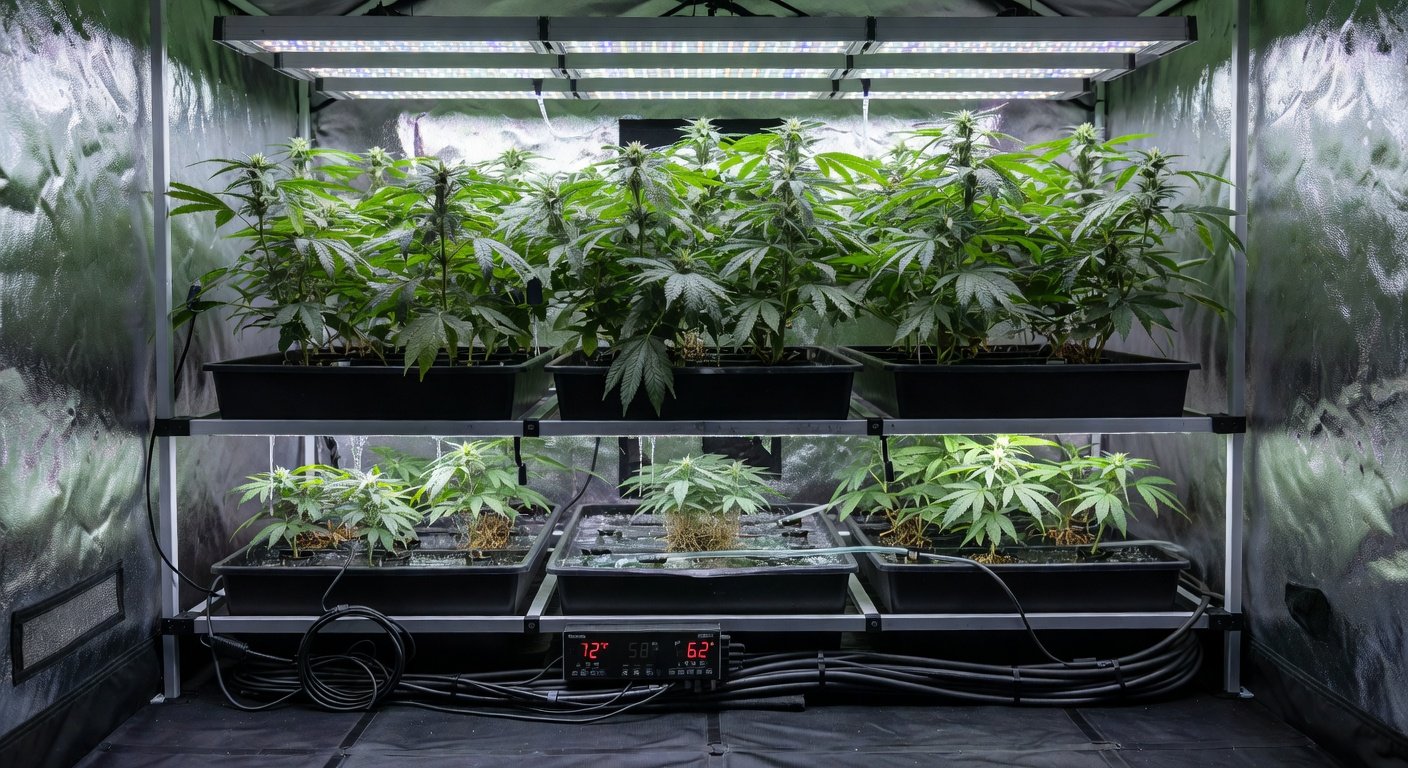
Why Vertical Hydroponics Excel in Compact Grow Tents
Vertical hydroponic systems transform limited indoor spaces into high-output cannabis gardens. By stacking growing layers, growers achieve up to three times the yield per square foot compared to traditional horizontal setups. These systems suit small tents perfectly, delivering efficient nutrient delivery directly to roots while reducing water waste.
Key Advantages for Home Growers
- Space maximization in tents as small as 2×2 feet
- Higher yields through multi-level plant stacking
- Precise control over nutrients and lighting
- Reduced risk of soil-borne pests and diseases
In 2026, energy-efficient LEDs pair seamlessly with vertical rigs for lower electricity costs.
Step-by-Step Guide to Setting Up a Vertical Hydro Rig
1. Select Your Equipment
Choose a sturdy vertical tower system or PVC frame designed for hydroponics. Ensure it fits your tent dimensions with at least 12 inches between levels for airflow.
2. Install Grow Lights
Position full-spectrum LED bars vertically along the tent walls or use adjustable hanging panels at each tier. Aim for 30-40 watts per square foot, adjusting height as plants grow to maintain 18-24 inches from canopy.
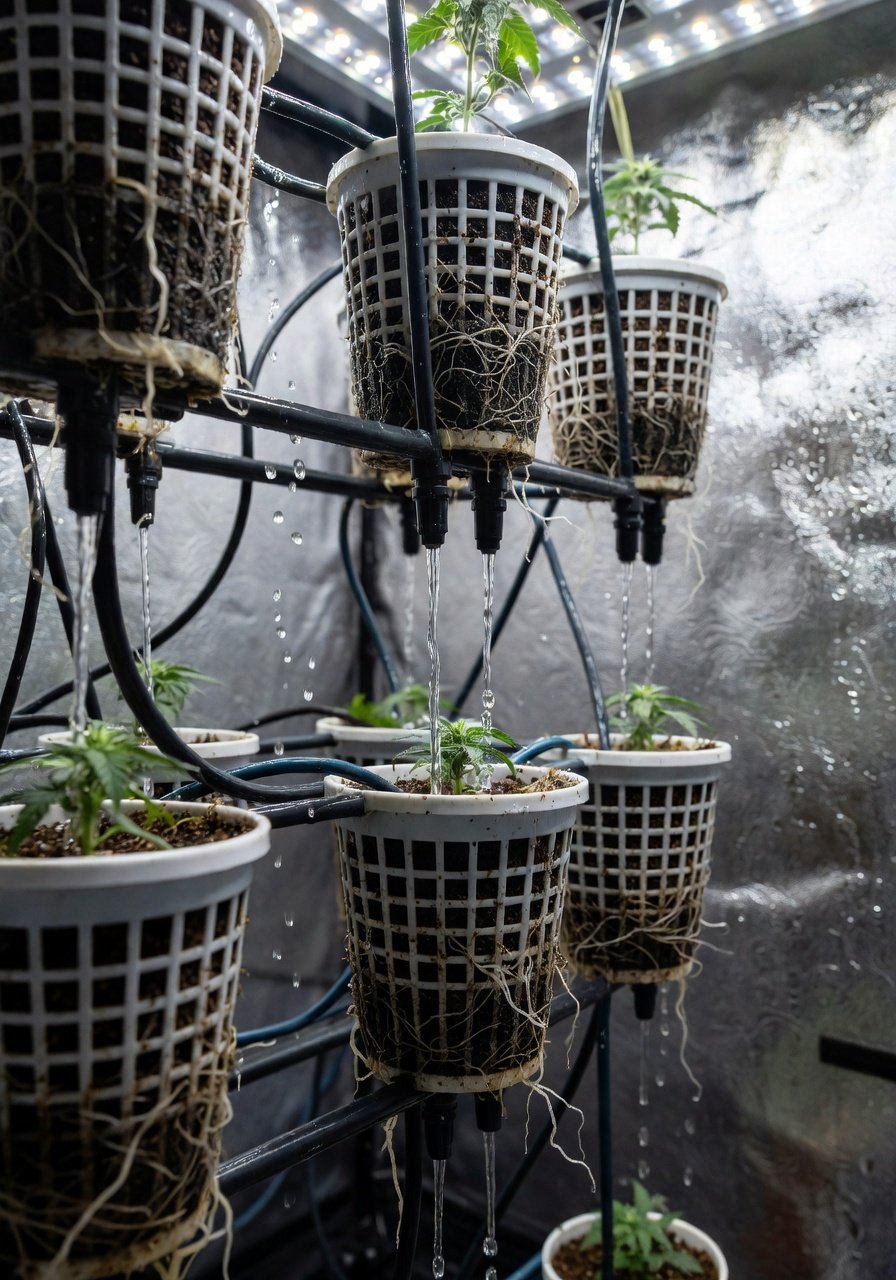
3. Set Up Nutrient Delivery
Connect a reservoir pump to drip emitters or aeroponic misters at each level. Use a pH-balanced nutrient solution (5.5-6.5) with EC around 1.2-1.8 for vegetative growth, increasing during flowering. Monitor daily with digital meters.
4. Plant and Veg Phase
Start clones or seedlings in net pots with rockwool. Transition to 18/6 light cycle for 3-4 weeks before flipping to 12/12.
Top Indoor Cannabis Seeds for Vertical Setups
Compact, fast-flowering strains thrive here. Consider Northern Lights for dense buds and resilience, or White Widow for high yields in tight spaces. Autoflower options like Royal Automatic allow continuous harvests without light schedule changes.
Optimizing Airflow and Pest Prevention in 2026
Install inline fans at top and bottom vents for constant circulation. Use oscillating fans between tiers to prevent mold. For pests, integrate sticky traps and beneficial insects like ladybugs early. Maintain 40-60% humidity and temperatures of 70-80°F. Check EPA guidelines for safe organic controls and visit USDA resources for updated cultivation best practices.
Regular scouting and proper sanitation keep issues at bay, ensuring robust 2026 harvests.