
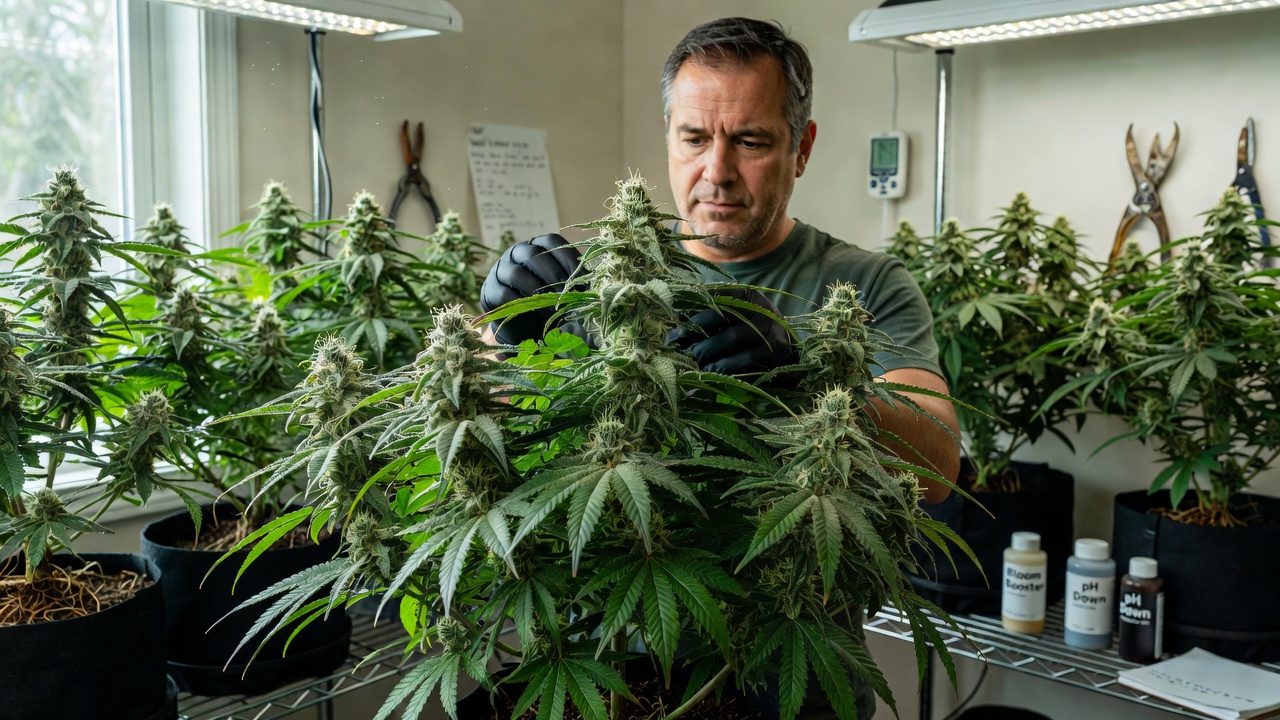
Breeding your own autoflowering cannabis varieties offers home growers unprecedented control over genetics, allowing personalized strains tailored to specific needs like faster cycles, higher yields, or unique terpene profiles. In 2026, with advanced autoflower seeds widely available, enthusiasts can create stable new lines that combine the best traits from premium parents. This process requires patience, precision, and a solid understanding of cannabis biology to achieve consistent results. Autoflowers typically complete their life cycle in 8–10 weeks from seed, making them ideal for multiple generations per year in controlled indoor spaces. By selectively breeding, growers can target traits such as resistance to powdery mildew, elevated terpene levels for distinct aromas like citrus or pine, and yields exceeding 400 grams per square meter under optimized LED lighting.
Selecting the Right Parent Plants
Choosing high-quality autoflower seeds as foundation stock is critical. Start with proven, stable varieties from reputable breeders that exhibit strong traits such as robust growth, disease resistance, and desirable cannabinoid levels. Select female plants showing exceptional bud density and resin production, while male plants should demonstrate vigorous pollen production without hermaphroditic tendencies. For concrete guidance, evaluate at least 10–15 plants from each seed batch during the vegetative stage, measuring stem thickness, internode spacing, and early aroma intensity by gently rubbing leaves. A practical example involves selecting a female from a Northern Lights autoflower line that finishes in nine weeks with 22% THC and dense colas, paired with a male from a Diesel autoflower that produces copious pollen by week four.
Evaluate parents across multiple grows to confirm consistency. Document phenotypes carefully, noting flowering times, plant structure, and aroma. Cross only the strongest specimens to increase the likelihood of passing desirable autoflowering genetics to offspring. Avoid plants showing stress or instability, as these flaws often carry through generations. Use a simple spreadsheet to log data points such as height at flip, days to first pistils, and resistance to spider mites. This methodical selection reduces the risk of propagating weak genetics and builds a reliable breeding foundation over successive seasons.
Executing Controlled Pollination
Once ideal parents are identified, isolate them to prevent unwanted cross-pollination. Introduce male pollen to female flowers during peak receptivity, typically using a fine brush or controlled pollen application. Timing is essential—apply pollen when pistils are white and fresh for optimal seed set. A useful technique is to collect pollen from the male by gently tapping flowers over a clean sheet of paper, then storing it in a sealed glass vial in the refrigerator for up to two weeks. Apply the pollen with a small watercolor brush only to lower branches of the female while covering upper buds with paper bags to preserve seed-free sinsemilla if desired.
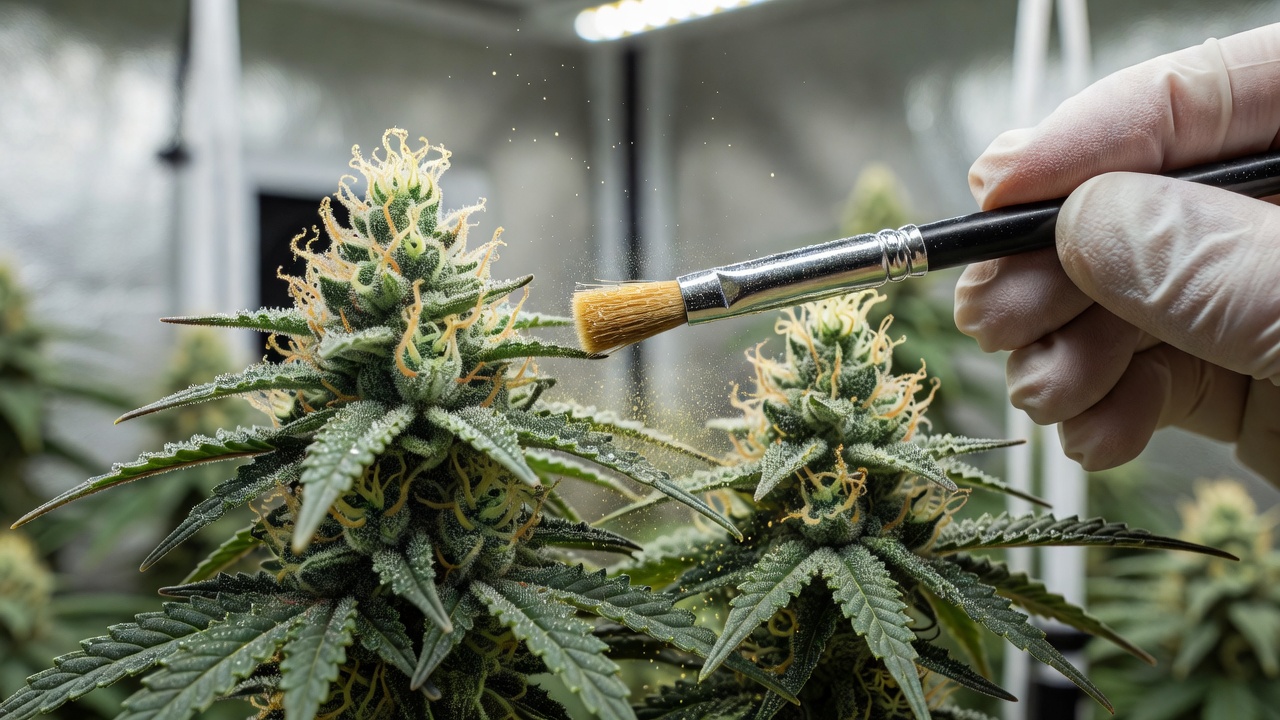
Maintain separate environments for male and female plants until pollination is complete. After successful fertilization, allow seeds to mature fully on the plant for 4–6 weeks. This controlled approach ensures the resulting seeds carry the intended autoflowering traits without contamination from external pollen sources. Monitor humidity at 45–55% during this phase to prevent mold on developing seed pods, and label every branch with the exact cross date and parent identifiers using colored tape for easy tracking.
Stabilizing New Seed Lines
Stabilization involves multiple generations of selective breeding to lock in desired characteristics. Grow out F1 seeds and select the best performers for backcrossing or further crossing. Focus on uniformity in flowering time, potency, and yield while eliminating any photoperiod-dependent plants that may appear. In practice, plant 50–100 F1 seeds and cull any individuals that show longer than 10-week cycles or loose bud structure. Backcrossing to the original female parent often restores vigor and reinforces autoflowering traits within two generations.
Track lineage meticulously with detailed grow logs. Aim for at least three to four generations of selection before considering a line stable. This iterative process refines genetics and reduces variation, producing reliable autoflowers suitable for consistent home cultivation. Many breeders create an F2 generation by crossing sibling F1 plants, then select again for the most uniform offspring, gradually increasing homozygosity for key traits such as short stature under 80 cm or specific myrcene-dominant terpene profiles.
Testing for Potency and Yield
Comprehensive testing validates the success of your breeding efforts. Send samples to certified labs for cannabinoid and terpene analysis to measure THC, CBD, and other compounds. Compare yields against parent strains under identical growing conditions to quantify improvements. For instance, dry and weigh buds from three separate plants of the new cross versus the original parents; a successful line might show a 15–20% yield increase alongside stable 18–24% THC readings.
Conduct blind grows with multiple testers to gather real-world feedback on effects, flavor, and overall performance. Document data across different environments to ensure the new variety performs well for diverse growers. This rigorous evaluation helps refine selections and confirms market-ready quality. Include variables such as soil versus coco coir and 18/6 versus 20/4 light schedules to verify robustness.
Practical Tips for Home Breeders in 2026
Modern tools such as LED lighting and precise environmental controls simplify breeding at home. Maintain optimal temperatures between 20–26°C during pollination and use carbon filters to manage odors. Start with small batches to minimize risk while building experience. A typical setup includes a 1.2 m × 1.2 m tent with full-spectrum LEDs at 300 W, oscillating fans for airflow, and a digital hygrometer logging daily conditions. Source organic nutrients low in nitrogen after week four to encourage resin production without leafy growth.
Stay informed about evolving regulations and source seeds legally. Join online communities for shared knowledge on advanced techniques like tissue culture for faster stabilization. Always prioritize plant health and biosecurity to protect your breeding projects. Disinfect tools with 70% isopropyl alcohol between plants and quarantine any new acquisitions for two weeks to avoid introducing pests or pathogens.
Common Challenges and Solutions
Genetic drift and unexpected phenotypes can derail progress. Combat these by maintaining large enough populations for selection and avoiding over-reliance on single plants. Environmental stressors may also trigger unwanted traits, so consistent conditions are vital. If a generation shows increased variation in flowering time, increase population size to 75 plants and apply stricter culling criteria based on your logged data.
If seed viability drops, revisit pollen storage methods or timing adjustments. Persistent issues often resolve through additional backcrossing to dominant parents. Patience remains the most important trait for successful autoflower breeding. Store pollen at –18°C in airtight containers with desiccant for longer-term projects, and always test a small batch of seeds for germination rates above 85% before scaling up.
Conclusion
Breeding personalized autoflowering cannabis strains empowers growers to innovate beyond commercial offerings. By focusing on careful parent selection, controlled pollination, and thorough stabilization and testing, enthusiasts can develop unique varieties optimized for 2026 growing conditions. With dedication and quality starting seeds, the possibilities for custom genetics continue to expand. For authoritative guidance on plant breeding principles, consult resources from the USDA Agricultural Research Service.