
Introduction to Outdoor Cannabis Cultivation Options
Outdoor cannabis growing remains one of the most rewarding approaches for home cultivators seeking robust plants and substantial harvests. In 2026, seed buyers face a key decision between traditional outdoor setups and guerrilla growing methods. Traditional methods involve dedicated garden spaces with controlled conditions, while guerrilla approaches leverage hidden natural locations for discreet cultivation. Both styles offer unique advantages depending on space, legal considerations, and desired yields.
Choosing the right method starts with understanding your environment and goals. Factors like sunlight exposure, soil quality, and local climate play pivotal roles in success. This guide explores comparisons, seed recommendations, and actionable tips to help enthusiasts adapt techniques for optimal results in diverse settings. For example, a grower in a suburban backyard might prioritize traditional methods for daily monitoring, whereas someone in a rural area with strict local rules could explore guerrilla tactics to stay under the radar. Concrete planning around frost dates and rainfall averages helps avoid common pitfalls such as stunted growth or mold outbreaks.
Traditional Outdoor Growing Setups Explained
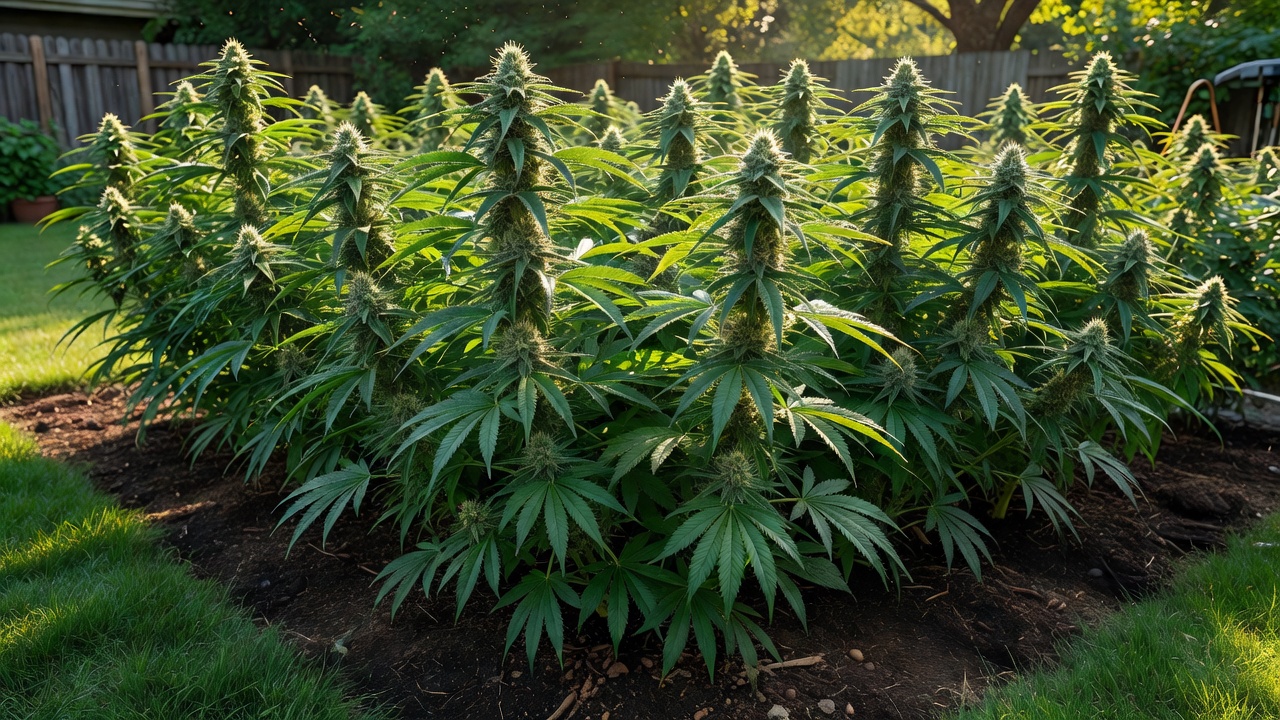
Traditional outdoor growing typically occurs in home gardens, backyards, or designated plots where growers maintain full control over the environment. These setups allow for easy monitoring of watering, feeding, and pest management. Plants benefit from natural sunlight and fresh air, often resulting in larger yields compared to indoor alternatives when conditions are optimized.
Key elements include preparing nutrient-rich soil, installing support structures for tall plants, and selecting strains suited to the local growing season. In varied environments such as temperate zones or Mediterranean climates, traditional methods thrive with amendments like compost and mulch. Growers can achieve consistent results by tracking weather patterns and adjusting care routines accordingly. A practical example involves testing soil pH in early spring; aim for 6.0 to 7.0 and add lime if needed. Install trellises by week four of vegetative growth to support branches that may reach six feet or more under full sun.
Soil Preparation and Amendments
Begin with a soil test kit available at most garden centers. Mix in two inches of well-rotted compost per square foot plus perlite for drainage. Mulch with straw to retain moisture during July heat waves, cutting watering needs by up to 30 percent.
Guerrilla Growing Approaches for Discreet Cultivation
Guerrilla growing involves planting cannabis in remote or hidden outdoor locations such as forests, abandoned lots, or along waterways to avoid detection. This method appeals to seed buyers in areas with restrictive laws or limited private space. Success hinges on site selection that provides camouflage, water access, and protection from animals.
Challenges include unpredictable weather and limited intervention opportunities, making resilient strains essential.
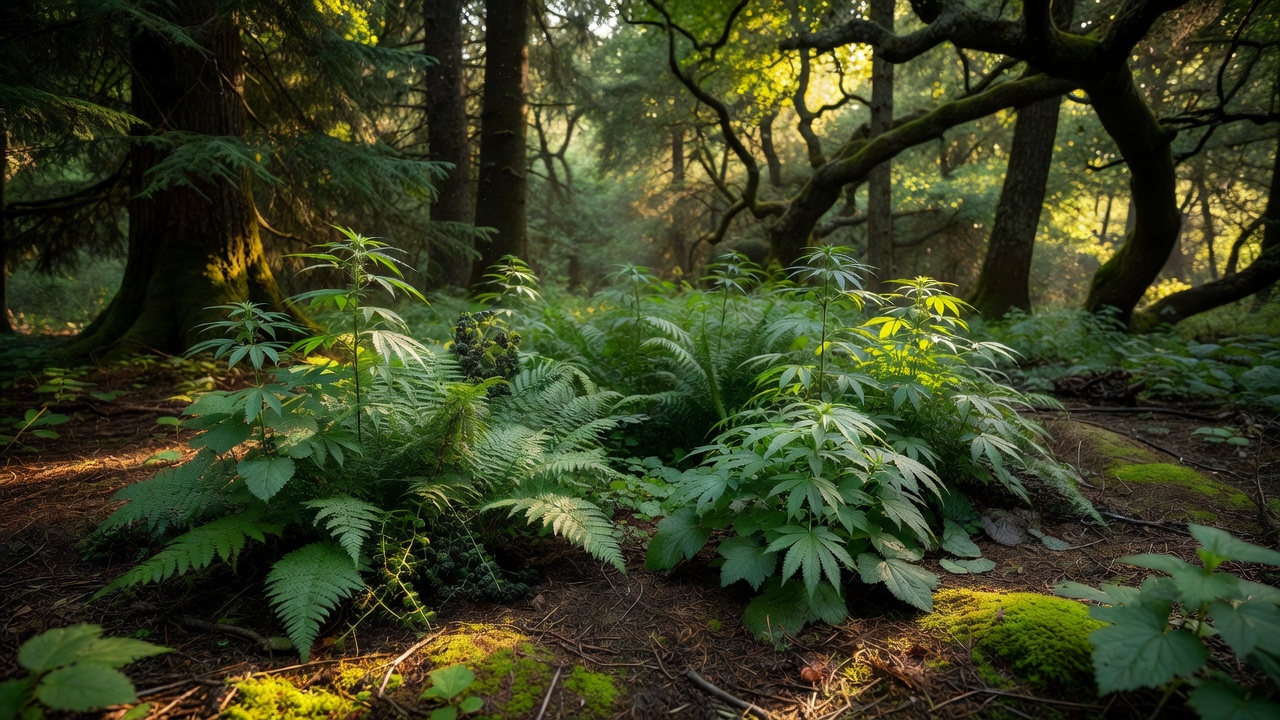
Practitioners often use native vegetation for cover and time plantings to match natural cycles. In 2026, improved seed genetics help mitigate risks associated with this adventurous style. A real-world tactic includes scouting sites in late winter via satellite maps, then visiting on foot to confirm canopy cover and nearby water sources like streams that remain reliable through August.
Site Selection and Camouflage Techniques
Choose spots at least 200 meters from trails or roads. Plant among blackberry bushes or tall grasses for natural screening. Carry supplies in backpacks during off-peak hours to minimize footprints.
Best Outdoor Seeds for Traditional Setups
For traditional outdoor growing, photoperiod strains like Blue Dream and Northern Lights excel due to their adaptability and high yields. Autoflowering options such as Royal Automatic provide faster cycles suitable for shorter seasons. These seeds perform well in amended garden soil with regular care.
- Blue Dream: Offers balanced effects and resistance to mold in humid areas. Space plants three feet apart and top at the fifth node to encourage bushier growth and better airflow.
- OG Kush: Thrives in sunny, dry climates with strong branch support needed. Use bamboo stakes early; expect 600 grams per plant when fed organic teas every two weeks.
- White Widow: Delivers dense buds and tolerates temperature fluctuations effectively. Harvest around mid-October in northern latitudes after watching trichomes turn milky.
Selecting feminized seeds ensures efficient use of space without male plants. Sourcing from reputable breeders guarantees genetic stability for 2026 harvests. Start seeds indoors four weeks before the last frost, then transplant on an overcast day to reduce shock.
Best Seeds for Guerrilla Growing Success
Guerrilla growers benefit from hardy, fast-finishing strains that withstand neglect and environmental stress. Varieties like Durban Poison and Acapulco Gold are popular for their vigor and natural pest resistance. Autoflowers such as Lowryder crosses reduce overall grow time, minimizing exposure risks.
These seeds often feature robust root systems and mold resistance critical for wild settings. Testing small batches helps determine performance in specific microclimates before scaling up operations. Durban Poison, for instance, handles sandy soils well; pre-soak seeds for 24 hours and plant directly into holes filled with local dirt mixed with a handful of worm castings.
Practical Tips for Growing Cannabis Outside Successfully
Successful outdoor cultivation requires attention to soil testing, companion planting, and seasonal timing. Start by amending soil with organic matter for better drainage and nutrients. In varied environments, raised beds or containers offer flexibility against poor native ground. Companion plants such as marigolds deter aphids while basil improves terpene production. Space indica-dominant plants two feet apart and sativa-leaning varieties four feet to allow full canopy development.
Monitor for pests using natural deterrents and ensure adequate spacing between plants. Water deeply but infrequently to encourage strong roots. For maximum 2026 yields, incorporate training techniques like topping in traditional setups while keeping guerrilla sites low-maintenance. Apply neem oil sprays every ten days during early growth and switch to Bacillus thuringiensis for caterpillar control in late summer. Track rainfall with a simple gauge and supplement only when weekly totals fall below one inch.
Learn more about environmental best practices from epa.gov and sustainable agriculture insights at usda.gov.
Adapting Methods for Maximum Yields in 2026
Combining elements from both styles can optimize results based on individual circumstances. Traditional growers might experiment with guerrilla tactics for overflow plants, while guerrilla enthusiasts adopt basic soil amendments where feasible. Climate change considerations in 2026 emphasize drought-resistant strains and water conservation strategies. Install drip lines fed by rainwater barrels in traditional plots and select genetics with proven heat tolerance for guerrilla sites. Regular observation and minor adjustments lead to impressive harvests regardless of chosen approach. Document weekly photos to spot trends such as early flowering triggered by unusual heat.
Conclusion
Whether opting for traditional outdoor setups or guerrilla methods, informed seed selection and environmental adaptation are crucial for thriving cannabis gardens. By applying these insights, home growers can achieve impressive 2026 yields tailored to their unique situations and resources. Consistent record-keeping across seasons builds expertise that compounds over time.