
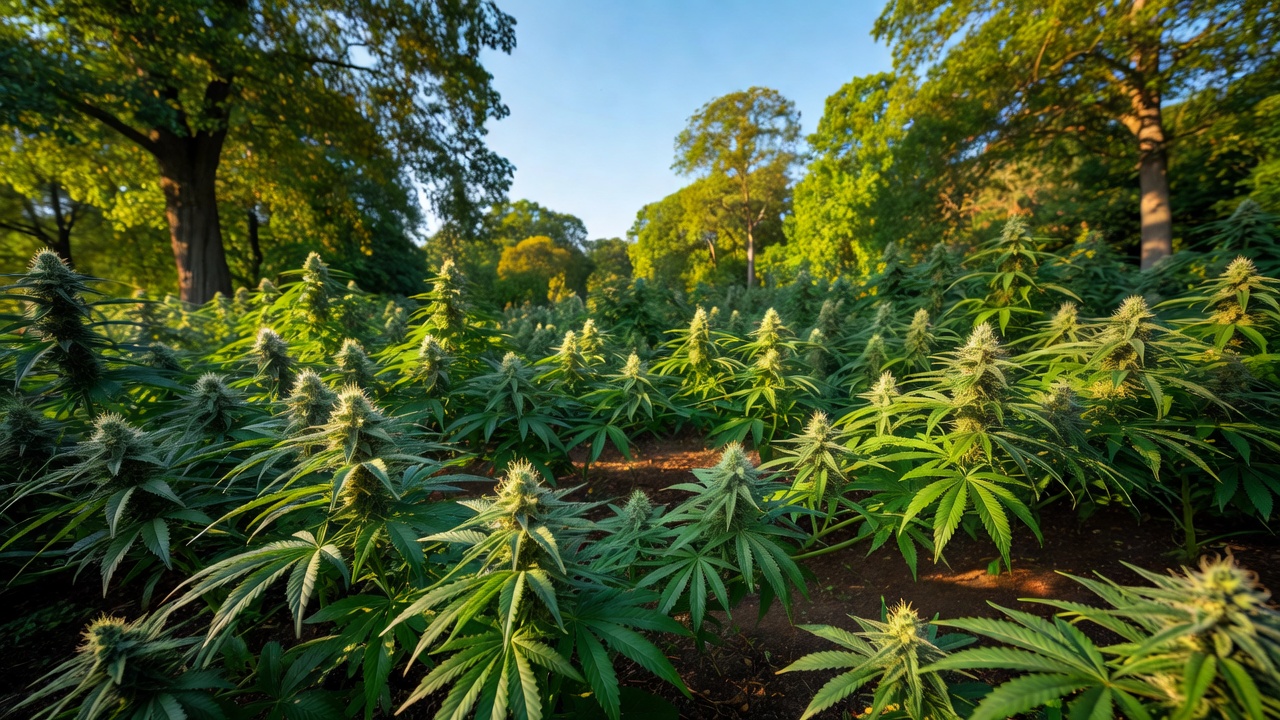
Outdoor cannabis cultivation offers unique opportunities for home growers seeking robust plants and substantial yields. In 2026, enthusiasts are increasingly turning to plant training methods adapted specifically for open-air and guerrilla setups. These techniques help maximize light exposure, improve airflow, and boost bud production while working with the natural environment and outdoor seeds bred for resilience. Many growers report doubling their yields by implementing structured training rather than allowing plants to grow freely in uneven sunlight.
Understanding the Basics of Outdoor Plant Training
Plant training in outdoor settings differs significantly from indoor methods due to variables like weather, sunlight angles, and potential disturbances. Low-stress training, topping, and scrogging can all be tailored to guerrilla grows hidden in natural landscapes. The goal is to create an even canopy that captures maximum sunlight without stressing plants beyond recovery in unpredictable outdoor conditions. For instance, a grower in a northern latitude might adjust training schedules around shorter summer days to ensure plants receive at least six hours of direct sun after canopy adjustments.
Using quality outdoor seeds ensures plants develop strong root systems and natural resistance to pests and climate fluctuations. Training starts early in the vegetative stage to shape growth before flowering begins. Proper timing prevents issues like reduced yields or visible signs that could compromise a discreet grow site. Beginners should track daily growth with photos and notes, noting how each plant responds to initial bends or cuts so adjustments can be made before problems escalate.
Low-Stress Training Techniques for Natural Environments
Low-stress training (LST) involves gently bending and securing branches to promote horizontal growth. In outdoor cannabis gardens, this method spreads the plant canopy to capture sunlight from multiple angles throughout the day. Start by selecting flexible branches on young plants grown from outdoor seeds and tying them down with soft plant ties or garden wire. A practical example involves selecting the third and fourth nodes on a four-week-old plant and gradually bending them outward at a 45-degree angle over three days rather than forcing them immediately.
Monitor plants daily to adjust ties as they grow, ensuring no branches snap under their own weight. LST works exceptionally well in guerrilla sites where vertical height must remain low to avoid detection. This technique increases bud sites and improves overall airflow, reducing mold risks common in humid outdoor conditions. Growers often combine LST with natural windbreaks such as surrounding shrubs to further protect trained plants from sudden gusts.
- Choose plants with at least four nodes before beginning LST.
- Use natural anchors like nearby rocks or stakes for support.
- Combine LST with defoliation of lower leaves for better light penetration.
- Check ties every 48 hours and loosen them if swelling occurs at contact points.
- Record branch positions in a small notebook to repeat successful patterns next season.
Topping Methods Adapted for Outdoor Cannabis
Topping removes the main growing tip to encourage multiple colas instead of a single dominant one. For outdoor grows, perform topping during early vegetative growth when plants have 4-6 nodes. This creates bushier structures ideal for maximizing exposure to the sun’s path across the sky. A concrete example is topping a photoperiod plant at the fifth node in late May, allowing two weeks of recovery before transplanting to the final guerrilla location.
In guerrilla environments, topping helps keep plants shorter and wider, blending better with surrounding vegetation. Always use sterilized scissors to prevent infection, and allow plants time to recover before additional training. Outdoor seeds selected for vigor respond particularly well to this stress, leading to higher yields at harvest. Follow-up care includes applying a light organic fertilizer the day after topping to support new growth.
Follow up topping with LST to further shape the plant. Avoid topping too late in the season, as recovery time shortens with approaching autumn. This balanced approach prevents stunted growth while enhancing bud production across multiple sites. Many experienced growers top once, then LST the resulting branches instead of performing multiple toppings that could delay flowering.
Implementing SCROG in Guerrilla Outdoor Setups
Screen of Green (SCROG) training uses a mesh screen to weave branches horizontally, creating an even canopy. Adapted for outdoor use, lightweight netting can be secured between trees or posts at guerrilla sites.
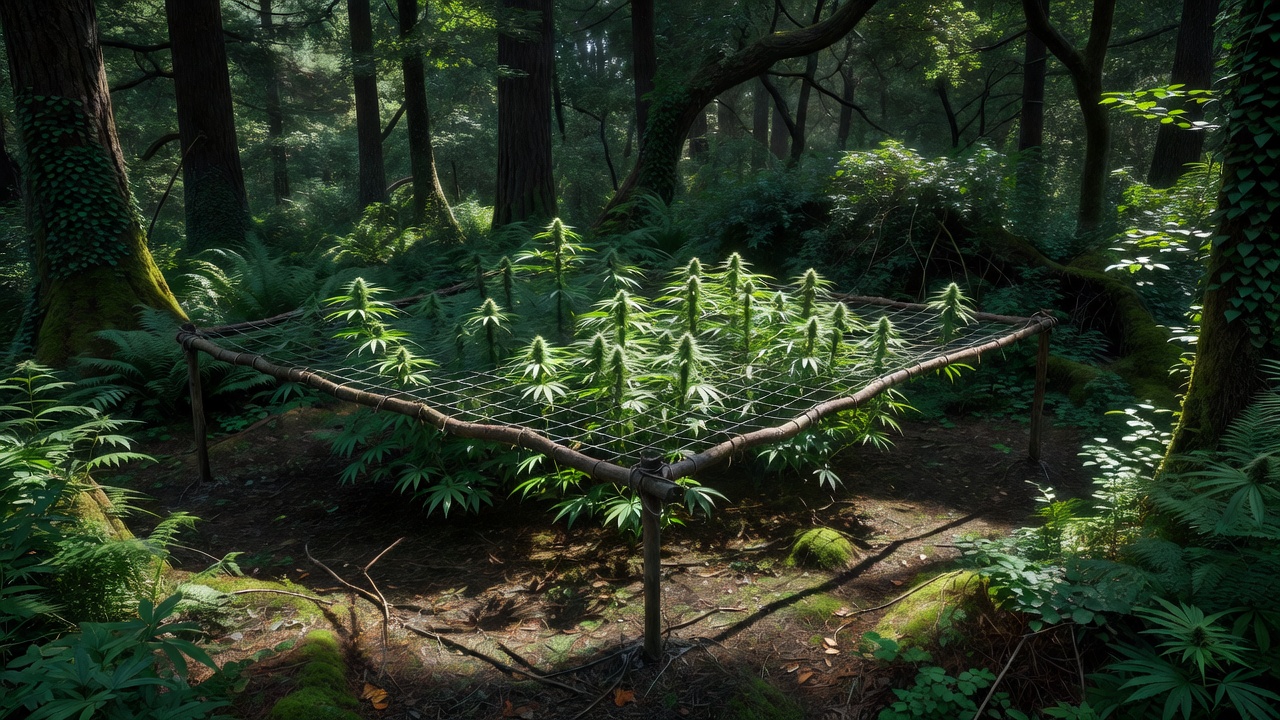
This method excels at maximizing light utilization in areas with partial shade from natural surroundings.
Begin SCROG once plants reach the screen height, tucking branches under the mesh daily. Outdoor cannabis benefits from this by developing uniform bud development rather than shaded lower growth. Choose durable, weather-resistant materials to withstand wind and rain common in natural environments. A step-by-step approach includes installing the screen at 60 cm height, then tucking new growth every morning for the first three weeks.
SCROG pairs effectively with topping and LST for optimal results. Regular maintenance ensures branches fill the screen evenly, leading to dense, high-quality harvests from outdoor seeds. In practice, growers often remove the screen gradually during early flowering to allow colas to swell without restriction.
Choosing and Using Outdoor Seeds Effectively
Selecting the right outdoor seeds forms the foundation for successful training. Look for strains with fast flowering times and strong resistance to local climate challenges. These genetics support aggressive training without compromising plant health in exposed locations. Start seeds indoors or in protected spots before transplanting to the final guerrilla site. This allows initial training like early topping in a controlled setting. Once established outdoors, continue with LST and SCROG to adapt plants to their natural light patterns.
Experiment with photoperiod outdoor seeds suited to your latitude for best synchronization with seasonal changes. Proper seed choice minimizes common pitfalls like poor adaptation or vulnerability to outdoor stressors. For example, choosing an indica-dominant outdoor strain in cooler climates can shorten the flowering window and reduce exposure to early frosts.
Avoiding Common Pitfalls in Outdoor Training
Over-training can shock plants, especially in variable outdoor weather. Always allow recovery periods between techniques and watch for signs of stress like wilting or discoloration. In guerrilla grows, discretion remains key—avoid leaving visible ties or screens that attract attention. Using biodegradable ties and camouflaged netting helps maintain secrecy while supporting plant structure.
Pests and weather damage pose additional risks during training. Regularly inspect plants and use organic preventatives. Combining methods gradually rather than all at once reduces the chance of setbacks while still achieving enhanced light exposure and bud production. Documenting weather events alongside training dates provides valuable data for future seasons.
Finally, document your process each season to refine techniques. Learning from previous years helps optimize results with outdoor seeds in natural settings. Keeping a simple log of dates, techniques used, and final yields allows growers to identify which combinations work best in their specific microclimate.
Conclusion
Mastering LST, topping, and scrogging transforms outdoor cannabis cultivation into a high-yield endeavor. By adapting these methods to natural environments and guerrilla constraints, growers can achieve impressive results with resilient outdoor seeds. Consistent application, patience, and attention to plant health ensure successful harvests year after year. For more on sustainable practices, refer to resources from Oregon State University Extension.