
Introduction to Guerrilla Growing in 2026
Guerrilla growing has become a popular method for cannabis enthusiasts seeking to cultivate outdoors without drawing attention. In 2026, with evolving legalization landscapes, home growers are turning to stealthy, hidden plots to maximize yields while minimizing risks. This how-to guide focuses on scouting and selecting the perfect sites for your outdoor cannabis seeds, emphasizing key factors like sunlight exposure, water sources, soil quality, and concealment. Whether you’re a seasoned cultivator or a beginner, mastering these elements can lead to bountiful harvests from discreet locations.
Outdoor growing offers natural advantages over indoor setups, such as free sunlight and reduced energy costs. However, guerrilla tactics require careful planning to avoid detection. We’ll cover checklists for site evaluation, mapping tools to pinpoint locations, risk assessment strategies, common pitfalls, and essential legal considerations. By the end, you’ll be equipped to plant your outdoor seeds in hidden paradises that thrive undetected.
Why Choose Guerrilla Growing for Outdoor Cannabis?
Guerrilla growing involves planting cannabis in remote, wild areas rather than your backyard, ideal for those in regions where home cultivation is restricted or risky. It leverages nature’s resources, allowing plants to grow larger and stronger with minimal intervention. In 2026, climate variability and increased surveillance make site selection crucial. Success hinges on finding spots that provide optimal growing conditions while blending seamlessly into the environment.
Benefits include low costs, high yields from photoperiod or autoflowering outdoor seeds, and the thrill of wild cultivation. However, it demands reconnaissance skills to ensure your plants survive pests, weather, and human interference. Start by understanding your local climate—cannabis thrives in temperate zones with long summer days, but adaptable strains from reputable seed banks can handle varied conditions.
Key Factors for Scouting Stealthy Sites
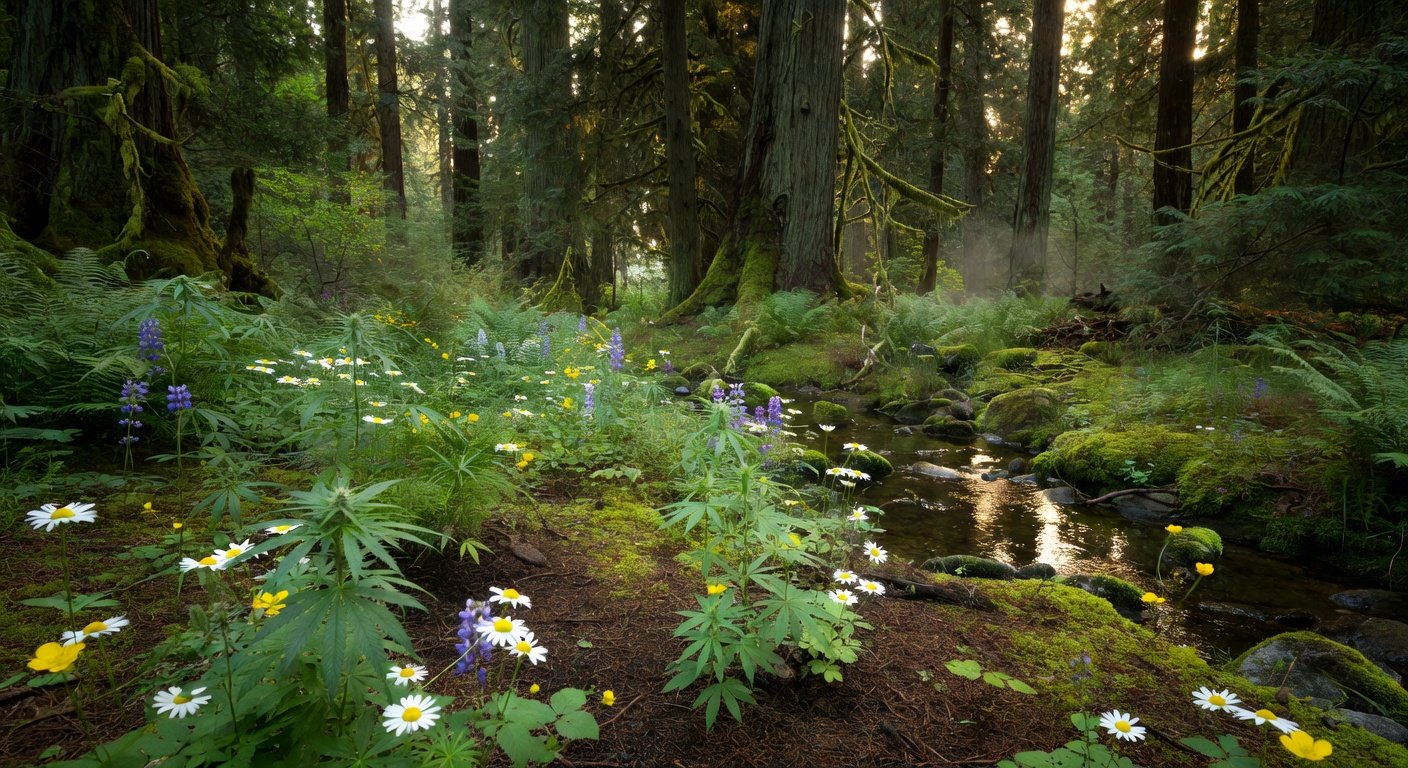
Scouting begins with thorough exploration. Walk trails, use drones if legal in your area, or hike off-grid paths to assess potential spots. Look for areas at least a mile from roads or populated zones to reduce foot traffic. Prioritize natural camouflage like dense forests, riverbanks, or hillsides where cannabis plants can mimic local flora.
Sunlight Exposure: The Sunshine Checklist
Cannabis needs 6-8 hours of direct sunlight daily for robust growth, especially during the vegetative stage. In guerrilla setups, south-facing slopes in the Northern Hemisphere capture the most light. Avoid shaded valleys or north-facing areas that limit photosynthesis.
- Observe the site at different times of day to track sun patterns.
- Check for seasonal changes—trees may block light in summer.
- Test with a sun calculator app or compass to estimate hours of exposure.
- Ideal for outdoor seeds: Full sun sites yield denser buds; partial shade suits heat-sensitive strains.
Pro tip: In 2026, satellite imagery tools like Google Earth can help preview sunlight without physical visits, but verify on-site.
Water Sources: Ensuring Hydration Without Effort
Reliable water is vital, as guerrilla grows often mean infrequent visits. Seek sites near streams, springs, or ponds, but avoid flood-prone areas. Cannabis requires consistent moisture, especially in dry spells, so proximity to natural sources reduces watering trips that could expose your plot.
- Assess water quality—clear, flowing sources are best; test pH if possible (ideal 6.0-7.0).
- Look for natural irrigation like morning dew or rainfall patterns in your region.
- Distance rule: Within 100-200 feet to minimize travel risks.
- For outdoor seeds, drought-resistant varieties thrive near intermittent streams.
Remember, contaminated water can introduce pathogens; consult local environmental reports for safety.
Soil Quality: Testing for Nutrient-Rich Ground
Healthy soil is the foundation of successful guerrilla grows. Cannabis prefers loamy, well-draining soil with a pH of 6.0-7.0 and rich organic matter. Avoid compacted clay or sandy washes that erode nutrients.
- Dig test holes to 12-18 inches deep and examine texture.
- Check for drainage: Water should percolate, not pool.
- Assess fertility—dark, crumbly soil indicates good microbial activity.
- Amend if needed with compost, but keep interventions minimal for stealth.
For precise analysis, use a home soil test kit. In the U.S., resources from the USDA Natural Resources Conservation Service offer free soil maps to guide your search. Outdoor seeds perform best in native soils enriched naturally over time.
Concealment Factors: Blending into the Wild
Stealth is paramount. Choose sites with thick underbrush, tall grasses, or rocky outcrops where plants can hide. Avoid open fields visible from afar.
- Evaluate visibility from multiple angles—use binoculars to simulate distant views.
- Consider animal trails; steer clear to prevent wildlife damage.
- Plant diversity: Surround cannabis with companion plants like nettles for natural cover.
- Access paths: Create subtle trails that don’t erode or stand out.
In 2026, with more trail cams in use, opt for elevated or recessed spots that break the skyline.
Mapping Tools and Checklists for Efficient Scouting
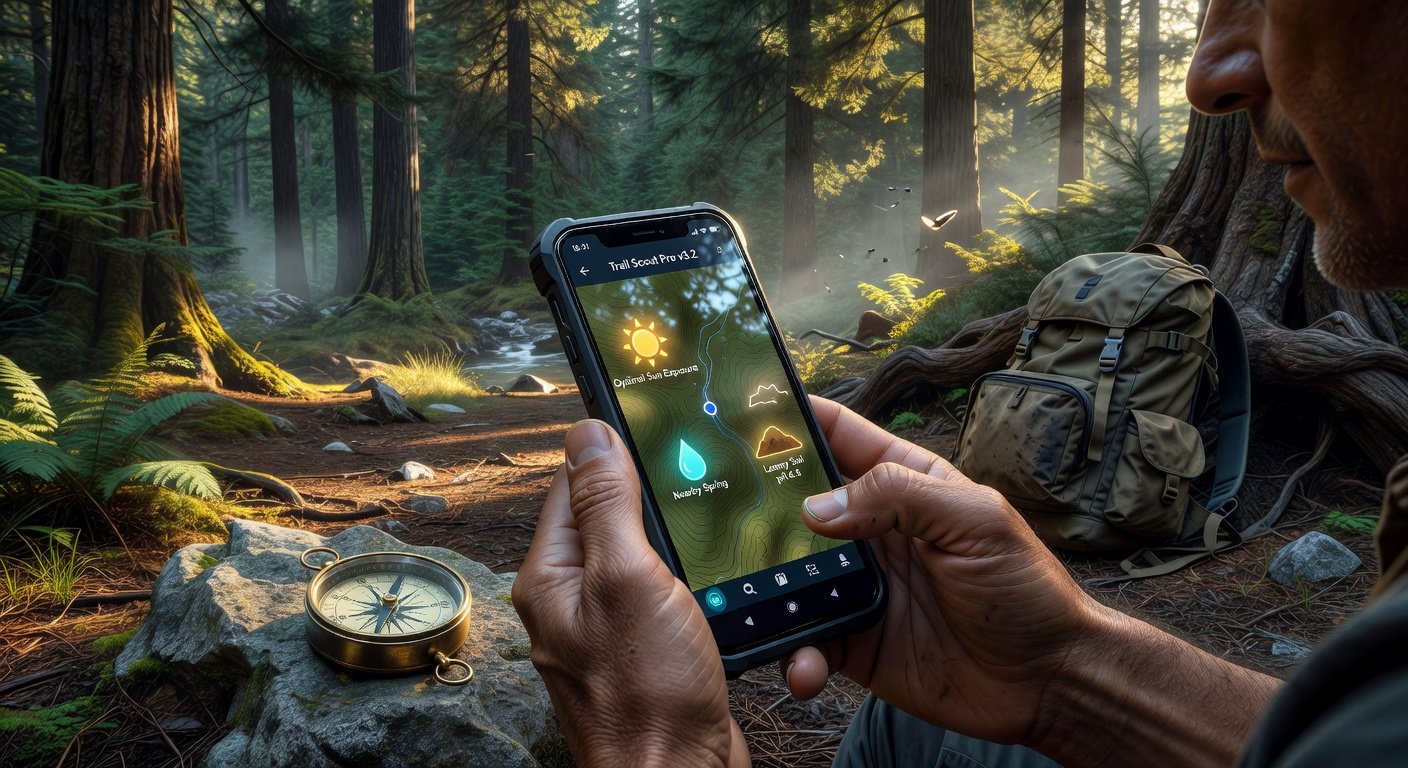
Modern tools streamline the process. Use GPS apps like Gaia GPS or AllTrails to mark coordinates and overlay topo maps. For sunlight and water, integrate weather APIs into planning apps. Create a digital checklist on your phone:
Site Scouting Checklist:
- Sunlight: >6 hours direct? Seasonal shadows?
- Water: Nearby source? Quality and reliability?
- Soil: Drains well? pH balanced? Nutrient signs?
- Concealment: Hidden from views? Low traffic?
- Access: Easy but discreet entry/exit?
- Risks: Wildlife, weather hazards, legal proximity?
Print or save this for field use. Mapping software like ArcGIS (free community version) helps plot multiple sites, tracking viability scores. Start with 5-10 prospects, narrowing to 2-3 based on scores.
Risk Assessment Tips for Outdoor Success
Every site has risks—assess them systematically. Score potential dangers on a 1-10 scale: high foot traffic (8+), avoid; moderate wildlife (4-6), manageable with fencing.
- Human threats: Proximity to hikers, hunters, or patrols.
- Environmental: Floods, droughts, or invasive pests—check historical data.
- Plant health: Scout for molds, insects; rotate sites yearly.
- Security: Use trail cams sparingly to monitor without alerting.
For risk mitigation, plant in clusters of 3-5 plants per site, diversifying locations. In 2026, climate apps predict weather anomalies, aiding proactive moves. Always have an exit strategy if a site feels compromised.
Common Mistakes in Guerrilla Site Selection
Avoid these pitfalls to protect your grow. First, rushing scouting—spend weeks observing, not days. Second, ignoring soil prep; testing prevents nutrient deficiencies that stunt outdoor seeds. Third, poor concealment leads to theft or busts—overlook one vantage point, and it’s game over.
Other errors: Choosing accessible but visible spots, neglecting water backup plans during dry seasons, or planting too early without frost checks. Overwatering visits increase detection; aim for monthly checks max. Finally, using non-stealthy strains—opt for indica-dominant or autoflowers that stay compact.
Legal Considerations for Hidden Outdoor Plots
Laws vary widely in 2026. In legal states like California, adults can grow up to six plants, but guerrilla methods on public land remain illegal. Always use private or permitted land. Check local regs via resources like NORML, which tracks cannabis legislation.
- Know limits: Plant counts, THC caps for outdoor seeds.
- Land access: Get permission for private property; public lands prohibit cultivation.
- Transport risks: Secure seeds and tools legally.
- Eco-impact: Avoid damaging ecosystems—sustainable growing preserves sites.
Consult attorneys for gray areas. In decriminalized areas, stealth still protects privacy from theft or vigilantism.
Conclusion: Plant Smart, Harvest Stealthily
Scouting stealthy sites is an art blending science and intuition. By prioritizing sunlight, water, soil, and concealment, using checklists and mapping tools, and heeding risks and laws, your guerrilla grow can flourish in 2026. Select resilient outdoor seeds, monitor discreetly, and enjoy the fruits of your hidden labor. With practice, you’ll cultivate thriving plots that evade notice and deliver potent yields. Happy growing—stay safe and legal.