
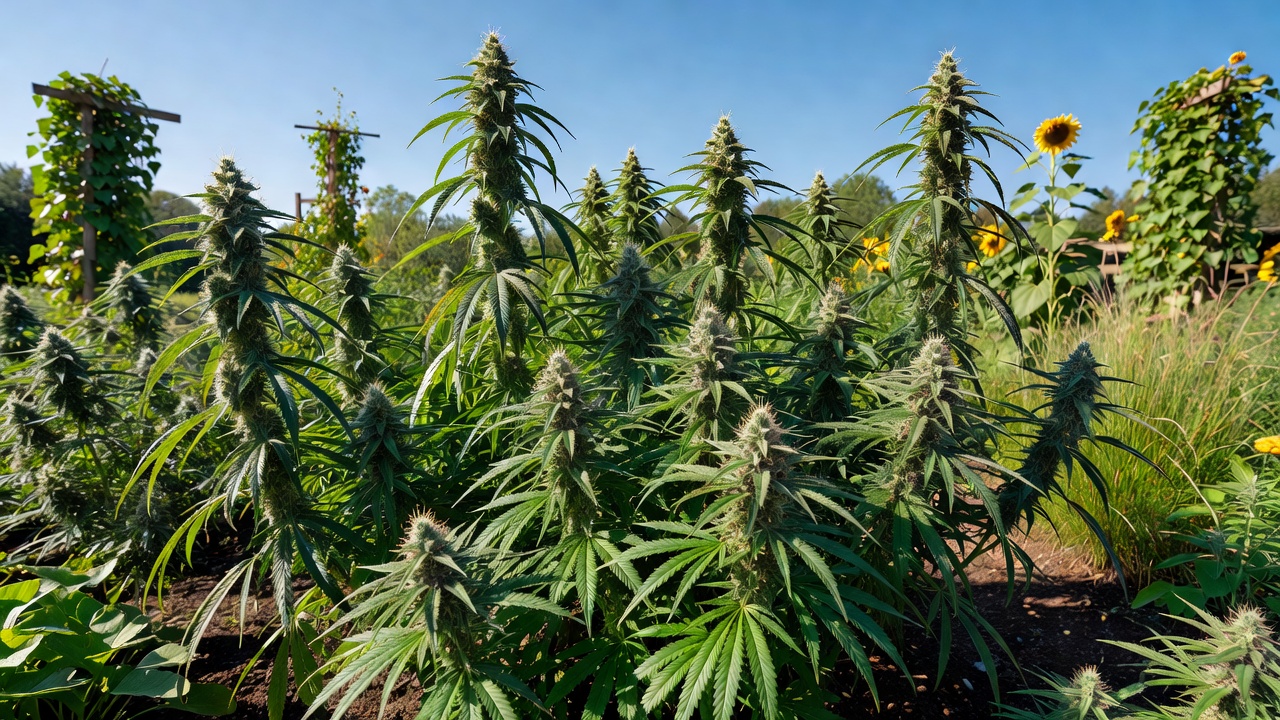
Selecting the right cannabis seeds for outdoor cultivation starts with understanding your specific climate zone. In 2026, home growers face evolving weather patterns that demand strains adapted to local conditions for optimal growth and harvest. Matching seeds to regional factors like temperature swings, daylight hours, and humidity helps maximize yields while minimizing risks such as mold or stunted development. For instance, a grower in the Pacific Northwest might prioritize mold-resistant indica hybrids to handle autumn rains, while someone in the Southwest could select drought-tolerant landraces that thrive with minimal irrigation during intense summer heat.
Understanding Your Local Climate Zone
Climate zones dictate everything from germination timing to harvest windows in outdoor cannabis growing. The USDA Plant Hardiness Zone Map remains a key reference for identifying frost dates and temperature ranges in your area. Growers in zones 5-7 often contend with shorter summers, while those in zones 9-11 enjoy extended vegetative periods. To use the map effectively, locate your exact zone by zip code on the USDA website and note the average first and last frost dates; this data directly informs when to start seeds indoors or transplant seedlings outdoors. In zone 6, for example, the last frost typically falls around mid-April, allowing a May plant-out that aligns with warming soil temperatures above 60°F for healthy root establishment.
Refining Seed Choices with Microclimate Data
Assessing microclimates around your property further refines seed selection. South-facing slopes provide extra warmth in cooler zones, whereas shaded valleys may require faster-finishing varieties. Tracking local rainfall data ensures you pick strains tolerant of wet or arid spells common to your region. Practical steps include installing a simple weather station or using apps like Weather Underground to log temperature swings over a season. A grower near a lake might notice moderated nighttime lows and opt for strains with moderate cold tolerance, while hillside sites with strong winds call for sturdy-stemmed genetics to prevent lodging during storms.
Photoperiod Sensitivity and Flowering Times
Photoperiod strains respond to natural light cycles, making them ideal for outdoor setups where growers rely on seasonal changes rather than artificial lighting. Indica-dominant varieties typically finish earlier, suiting northern latitudes with shorter growing seasons, while sativa-leaning options thrive in equatorial-style climates with consistent long days. In practice, a latitude of 45°N experiences roughly 15 hours of daylight at summer solstice, triggering flowering by late July for many indicas, whereas 30°N locations maintain longer days into August, favoring sativas that stretch and yield heavily under extended light.
Integrating Auto-Flowering Options and Timing Strategies
Auto-flowering seeds offer flexibility for unpredictable zones but may yield less than photoperiod counterparts under ideal sun exposure. Timing your plant-out after the last frost aligns flowering with peak summer light, boosting bud production. Monitoring equinox shifts helps predict when plants will transition, allowing adjustments for latitude-specific needs. Concrete guidance includes starting photoperiod seeds indoors six weeks before the last frost date, then hardening them off for two weeks by gradually increasing outdoor exposure from two hours daily to full sun. This method reduces transplant shock and ensures plants reach 24-36 inches before flowering begins in response to shortening days.
Building Resilience Against Weather Challenges
Weather resilience is critical for outdoor success, especially with increasing climate variability in 2026. Mold-resistant genetics protect against humidity spikes in coastal or forested areas, while drought-tolerant strains handle arid inland summers without constant irrigation. Wind-hardy plants with strong stems fare better in exposed sites, reducing breakage during storms. Cold-tolerant hybrids survive early autumn frosts in higher elevations. Selecting seeds bred for pest resistance further safeguards crops from insects thriving in warming trends.
- Choose indica hybrids for cooler, wetter zones to resist bud rot; for example, crossbred Afghani strains often show dense calyxes that shed moisture quickly after rain.
- Opt for landrace sativas in tropical regions for heat tolerance, such as Thai or Colombian varieties that maintain vigor above 90°F without nutrient burn.
- Test soil pH and amend before planting to support resilient root systems; aim for 6.0-6.8 with added compost and perlite to improve drainage in heavy clay soils.
Additional Protective Measures for Variable Conditions
Beyond genetics, growers can employ companion planting with aromatic herbs like basil to deter pests naturally or install simple hoop-house covers during forecasted cold snaps below 40°F. These steps complement strain selection and help maintain yields even when unexpected weather arrives mid-season.
Optimizing for Guerrilla Growing Setups
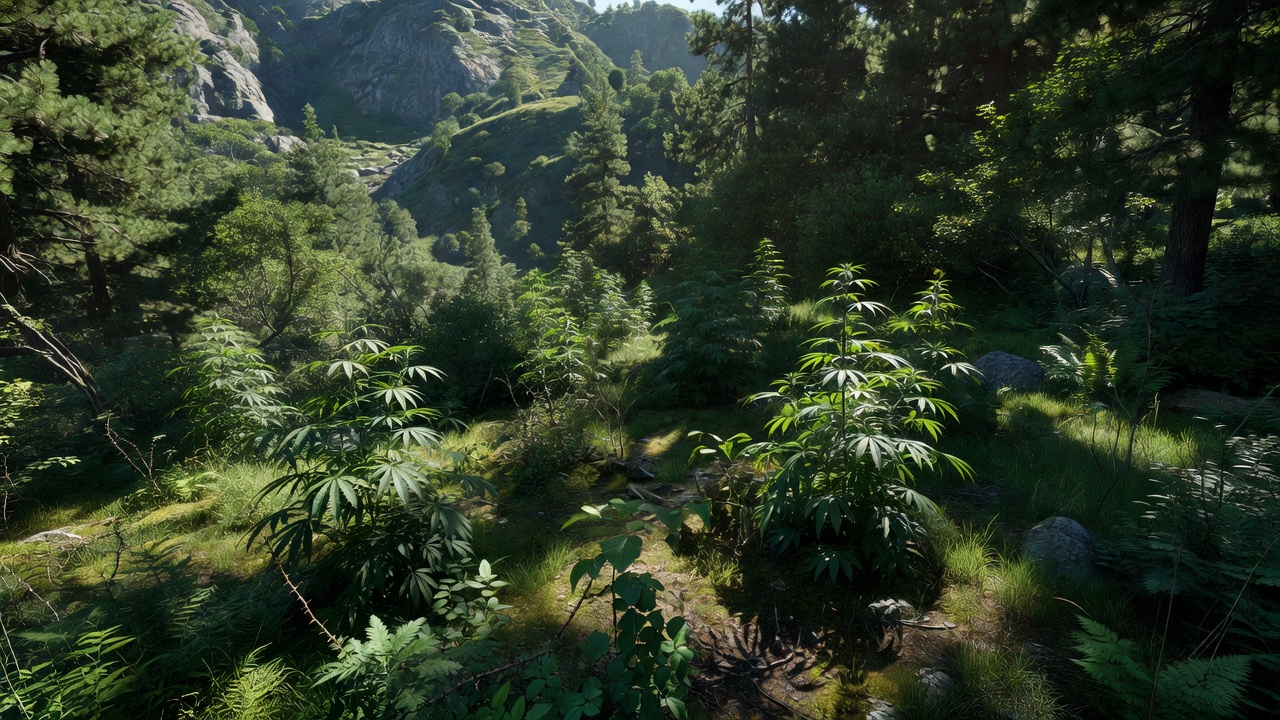
Guerrilla growing demands discreet, rugged strains that flourish with minimal intervention in remote locations. Fast-flowering varieties reduce visibility windows and evade detection during harvest season. Compact growth patterns help plants blend into surrounding vegetation in wooded or mountainous zones. Selecting seeds with high mold and pest resistance proves essential when regular checks are impossible. Water-retentive genetics support survival during dry spells without supplemental feeding. Many enthusiasts report success with Afghan or Kush lineages adapted to harsh, variable conditions typical of guerrilla sites. A practical example involves planting in early spring under tree canopy edges where dappled light provides cover, then returning only at key stages like mid-veg and pre-harvest to avoid leaving trails.
Top Strain Recommendations by Region
Northern European and Canadian growers benefit from early-finishing indicas like those derived from Hindu Kush genetics to beat short summers; varieties such as Early Skunk or similar crosses typically harvest by mid-September before first frosts. Mediterranean climates suit balanced hybrids that handle warm days and mild nights without excessive stretching, with examples like Blue Dream performing well in zones 8-9 by producing dense, resinous buds. Subtropical zones favor sativa-dominant options for their mold resistance in humid conditions, such as Durban Poison derivatives that resist powdery mildew during monsoon seasons. Arid southwestern areas reward drought-hardy landraces that conserve water efficiently, including Moroccan or Afghani types requiring only weekly deep watering once established. Always cross-reference strain descriptions with your exact hardiness zone for best results and start with three to five seeds to evaluate local performance.
Practical Tips for Purchasing and Germinating Seeds
Reputable seed banks provide detailed climate suitability data alongside germination guarantees. Start with small batches to test performance in your microclimate before scaling up. Store seeds cool and dark until planting to preserve viability, ideally in airtight containers with silica packets at 40-50°F. Germinate using the paper towel method indoors before transplanting outdoors post-frost: place seeds between moist paper towels in a dark drawer for 24-72 hours until taproots emerge, then plant into starter cubes. Acclimate seedlings gradually to full sun exposure to avoid shock by increasing daily outdoor time over seven to ten days. Regular monitoring of local forecasts allows proactive measures like temporary covers during unexpected cold snaps. Resources from the USDA and EPA climate resources offer additional guidance on regional growing conditions that complement seed selection strategies, including updated 2026 climate projection maps for anticipating longer dry spells or heavier rainfall events.
Conclusion
Matching outdoor cannabis seeds to your climate zone transforms growing outcomes by aligning genetics with environmental realities. Focus on photoperiod fit, weather resilience, and guerrilla practicality to achieve robust plants and abundant harvests. With thoughtful selection and these targeted tips, home growers in 2026 can cultivate successfully across diverse regions while adapting to shifting conditions. Tracking results season by season builds a personalized database of what works best in your specific location, leading to progressively higher success rates and more efficient use of time and resources.