
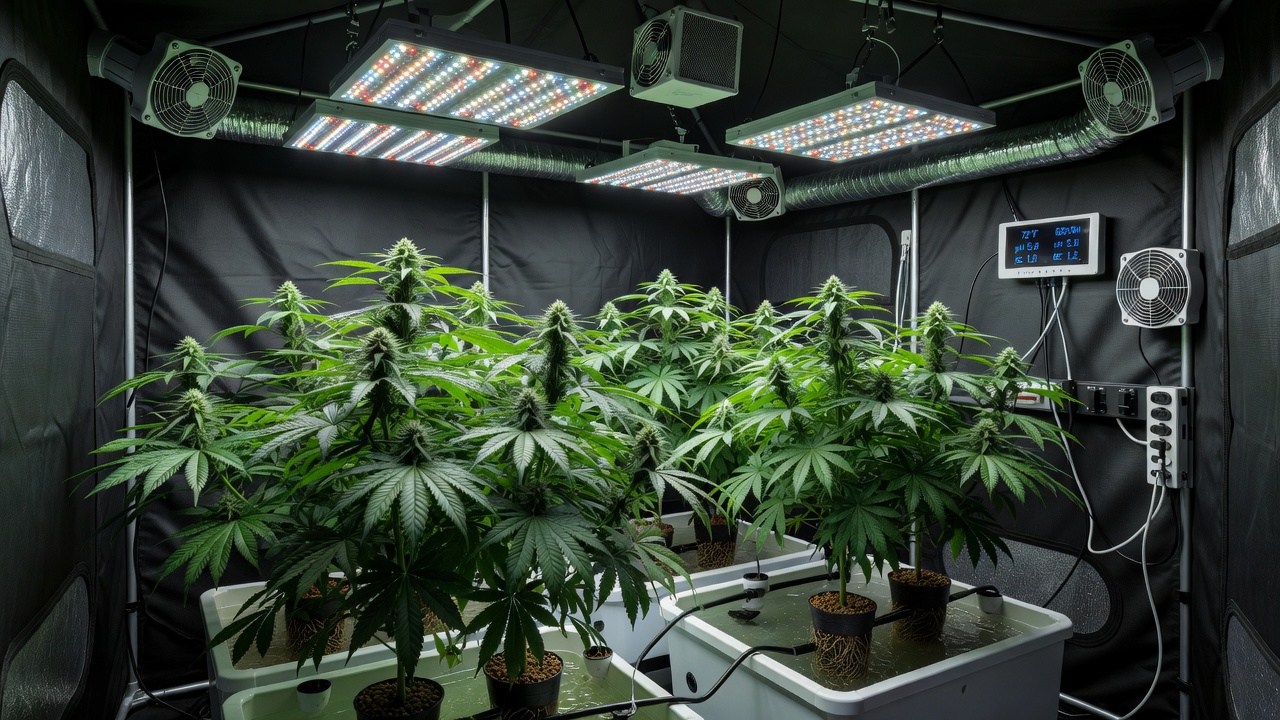
Indoor hydroponic cannabis cultivation in grow tents demands precision beyond basic parameters, especially as growers in 2026 leverage evolving LED spectra and advanced additives. Nutrient imbalances often manifest through subtle interactions between root zone chemistry, microbial activity, and genetic responses in modern indoor seeds. This guide explores advanced correction methods tailored for experienced home cultivators seeking higher yields without revisiting foundational pH or propagation techniques.
Precision EC Profiling for Hydroponic Stability
Mapping Conductivity to Growth Stages
Advanced EC management involves mapping nutrient solution conductivity against plant developmental stages while accounting for additive synergies. In hydro setups, gradual EC ramps of 0.2-0.4 mS/cm per week during mid-flower can prevent osmotic stress in high-demand varieties. Monitor daily fluctuations caused by transpiration rates within enclosed tents, adjusting with chelated micronutrient boosters rather than bulk salts. For instance, a grower running a 4×4 tent with four indica hybrids might start at 1.2 mS/cm in week three of flower and incrementally raise it to 1.8 mS/cm by week six, checking probe readings each morning before lights activate.
Utilize multi-parameter probes to track ion-specific deviations, such as potassium dominance suppressing calcium uptake in recirculating systems. Correct these by introducing targeted amino acid complexes that enhance selective absorption, resulting in denser bud formation and reduced tip burn. Regular profiling reveals patterns unique to tent environments with limited air exchange. Practical logs from successive cycles show that maintaining EC within 0.1 mS/cm of target reduces lockout incidents by nearly half.
Daily Adjustment Workflow
- Record morning and evening EC values from both reservoir and runoff.
- Calculate transpiration loss by measuring volume change over 24 hours.
- Add chelated boosters in 50 ml increments per 20 liters, then retest after one hour.
- Document strain response in a dedicated notebook or app for future reference.
Visual Symptom Mapping for Early Detection
Interpreting Leaf Morphology Changes
Nutrient issues in indoor cannabis present through progressive leaf morphology changes that extend beyond classic chlorosis. Examine interveinal necrosis patterns under full-spectrum LEDs, noting how magnesium shortages in certain phenotypes create metallic sheen on fan leaves during weeks six to eight of flower. Cross-reference these with root zone oxygen levels to distinguish true deficiencies from environmental mimics. A concrete example involves a sativa-leaning hybrid that displayed silvering on leaf edges; raising dissolved oxygen to 8 ppm resolved the issue within four days without any nutrient addition.
Implement systematic photographic documentation at consistent angles and lighting to track progression. This method allows precise intervention timing, such as foliar applications of fulvic acid blends that rapidly restore turgor without altering reservoir chemistry.
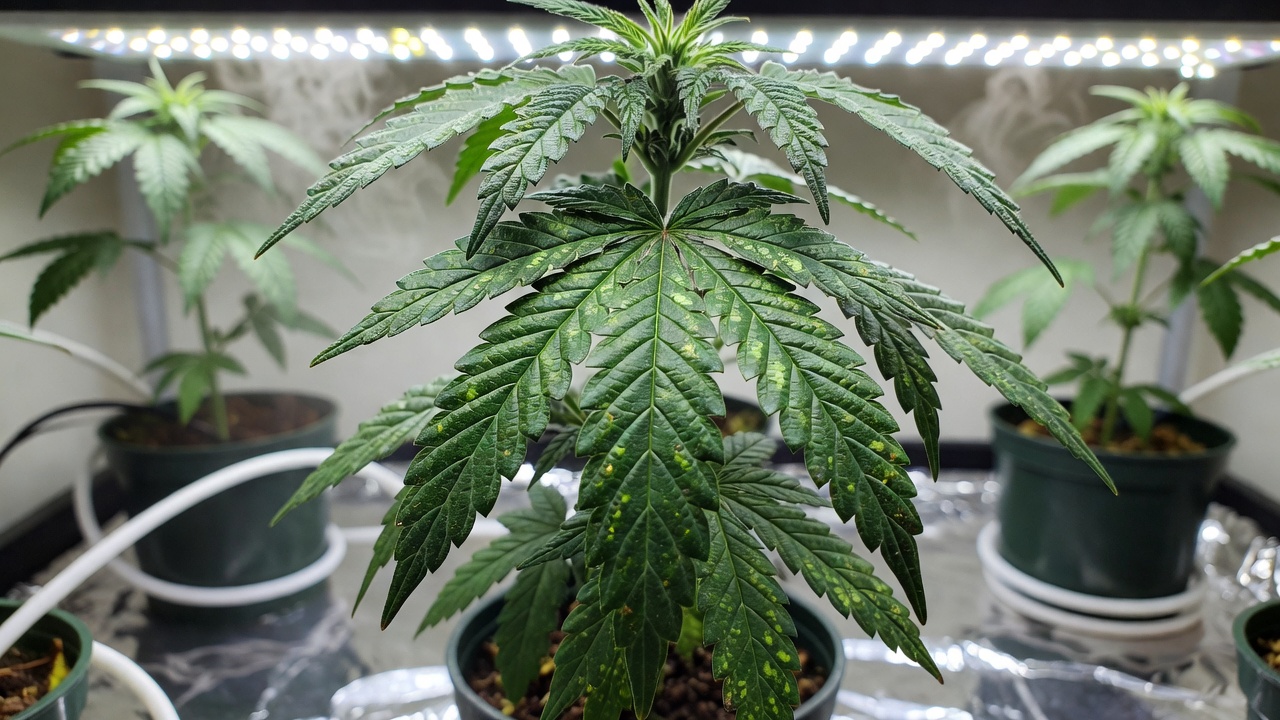
Such visual mapping proves invaluable for differentiating strain-specific expressions in mixed tent grows. Growers who photograph every three days report catching 80 percent of issues before they affect yield.
Strain-Specific Dosing Protocols for Indoor Seeds
Indica versus Sativa Nutrient Curves
Modern indoor-optimized seeds, including stabilized hybrids bred for compact canopies, exhibit varied macronutrient preferences under hydroponics. Indica-dominant lines often tolerate higher nitrogen ratios into early bloom when paired with silica supplements for structural support, boosting final yields by 15-20 percent. Sativa-leaning varieties respond better to phosphorus emphasis via organic acid chelators that improve bioavailability in low-volume reservoirs. Testing a small cohort of three plants from each seed line for two weeks provides reliable data before scaling to the full tent.
Tailor regimens by testing small cohorts first, documenting biomass accumulation and terpene profiles. Advanced practitioners incorporate genotype data from seed banks to predict lockout risks, adjusting with custom EDTA-free formulas that minimize heavy metal accumulation. These protocols elevate output consistency across successive cycles in controlled tent spaces. One documented case showed a 22 percent terpene increase after switching to genotype-guided phosphorus ratios.
Microbial Synergies and Additive Integration
Consortia Introduction and Monitoring
Enhancing nutrient uptake through beneficial microbes extends beyond simple inoculation in hydro systems. Introduce Bacillus and Trichoderma consortia formulated for soilless media to facilitate phosphorus solubilization and root exudation modulation. Monitor population dynamics via ATP testing kits, maintaining optimal colony thresholds that amplify EC efficiency by up to 25 percent without increasing total salts. A practical schedule adds 5 ml of concentrated consortium per 10 liters every ten days, followed by ATP readings 48 hours later.
Combine these with humic derivatives during transition phases to stabilize ion exchange, countering common antagonisms like zinc-manganese interference. Yield improvements stem from fortified rhizospheres that sustain metabolic rates under high-intensity lighting schedules typical of 2026 setups. Detailed logs of microbial-EC interactions guide iterative refinements for each unique seed line. Many growers note thicker root mats and faster recovery from minor EC spikes after consistent microbial use.
LED Spectrum Interactions with Nutrient Pathways
Far-Red and Red Wavelength Adjustments
Contemporary full-spectrum LEDs alter photosynthetic demands, influencing how cannabis processes available ions in hydro solutions. Far-red supplementation during late flower can accelerate potassium mobilization, necessitating preemptive EC reductions to avoid luxury uptake that compromises flavor. Adjust additive schedules based on spectrum intensity maps, prioritizing molybdenum cofactors for nitrogen assimilation under elevated red wavelengths. Shifting far-red intensity by 10 percent often requires dropping reservoir EC by 0.3 mS/cm within 48 hours.
Experiment with dynamic spectrum shifts while observing petiole sap analysis for real-time feedback. This advanced integration prevents hidden toxicities and supports maximal resin production in tent-constrained environments. Home growers achieve superior results by aligning light recipes with strain nutrient curves derived from controlled trials. One cultivator reported a 12 percent resin weight gain after syncing spectrum changes with molybdenum boosts.
Conclusion
Implementing these targeted strategies elevates indoor hydro cannabis cultivation for 2026 growers focused on yield optimization. By refining EC profiles, mapping symptoms, customizing to seed genetics, harnessing microbes, and syncing with LED advancements, cultivators resolve nutrient challenges effectively. Continued experimentation within grow tents will further refine these methods for consistent, high-quality harvests. For further scientific context, refer to resources from NCBI and university extension services at University of Minnesota Extension.