
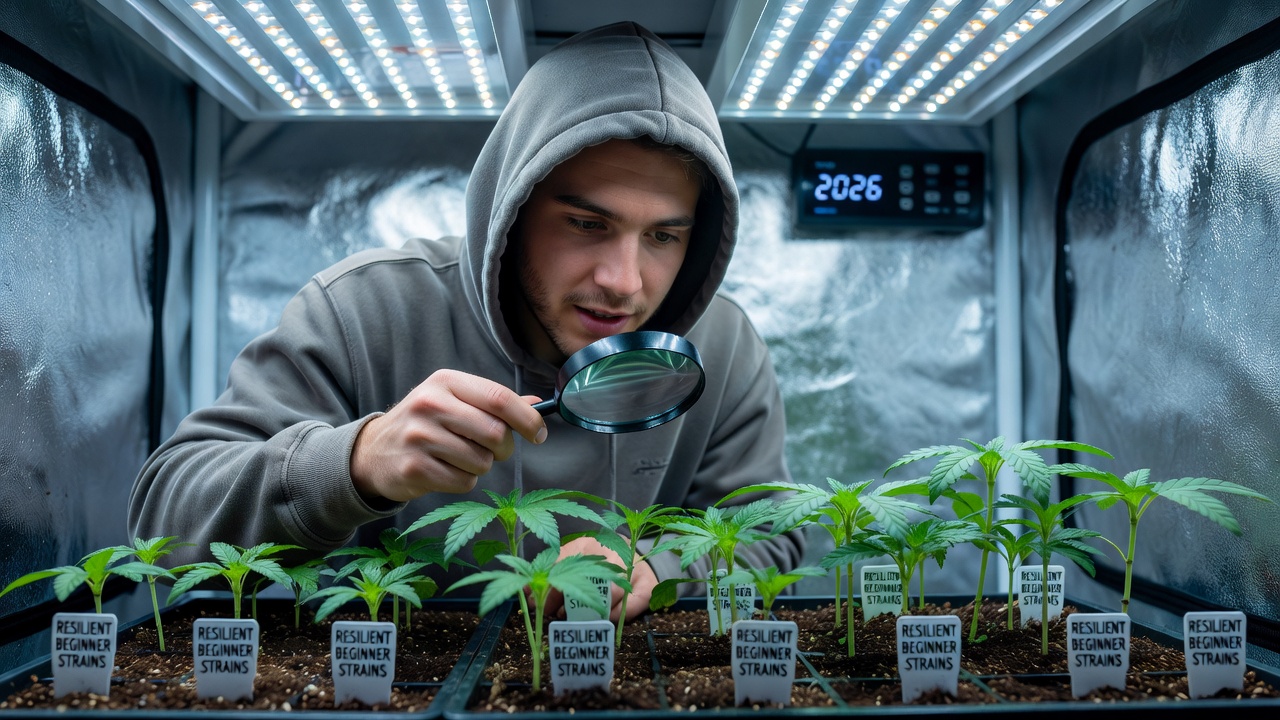
Growing cannabis from seed is an exciting journey for beginners in 2026, offering complete control over genetics and plant development. With resilient strains designed for ease, new growers can achieve impressive results even with limited experience. This guide highlights the best beginner strains, focusing on their forgiving nature, resistance to common issues, and adaptability to various setups. Whether you’re growing indoors or outdoors, selecting the right strain sets the foundation for success.
Why Beginner Strains Excel for New Growers
Beginner strains prioritize resilience, fast growth cycles, and tolerance to minor mistakes in watering, nutrients, or lighting. These varieties often feature indica-dominant genetics that produce compact plants less prone to stretching or pest problems. In 2026, advancements in seed breeding have further enhanced stability, making strains like those from reputable banks ideal for home enthusiasts. Matching a strain to your climate and space ensures optimal yields while minimizing frustration.
Key factors include germination rates above 90 percent, flowering times under 10 weeks, and natural resistance to mold and pests. Home growers benefit from strains that thrive in both soil and hydroponic systems, allowing flexibility as skills develop. For example, a new grower might overfeed during the first vegetative week; resilient strains recover quickly without stunted growth or leaf burn. Practical guidance starts with monitoring pH levels daily using a simple digital meter to avoid nutrient lockout, a common early error.
Core Traits That Reduce Beginner Stress
These strains exhibit strong root systems and rapid recovery from environmental fluctuations. Concrete examples include tolerating temperatures between 65-85°F without bolting or showing stress. New cultivators often report success rates climbing above 85 percent when they maintain consistent routines rather than chasing perfection.
Northern Lights: The Ultimate Resilient Classic
Northern Lights stands out as a top choice for beginners due to its Afghan and Thai heritage, delivering robust plants with minimal fuss. This indica-dominant strain grows short and bushy, reaching 3-4 feet indoors, which suits small spaces perfectly. It resists pests and diseases exceptionally well, forgiving overwatering or inconsistent temperatures common among novices.
Cultivation tips include starting seeds in a warm, moist environment at 70-80°F for quick germination within 3-7 days. Use organic soil rich in nutrients during vegetative growth, switching to bloom formulas after 4-6 weeks. Expected yields reach 400-500 grams per square meter indoors under LED lights. For 2026 setups, pair with energy-efficient full-spectrum LEDs to boost resin production. A practical example is using a 20-liter fabric pot filled with amended soil; water only when the top inch feels dry to prevent root rot.
Step-by-Step Northern Lights Care Routine
Begin with the paper-towel germination method: place seeds between moist paper towels inside a dark cupboard for 48 hours until taproots emerge. Transplant into final containers and provide 18 hours of light daily. During weeks three to five, apply a mild nitrogen feed at half strength once per week. Switch to bloom nutrients at week six while keeping humidity around 50 percent. Harvest when 70 percent of pistils turn brown, typically after eight to nine weeks of flowering.
White Widow: Balanced Growth and High Resilience
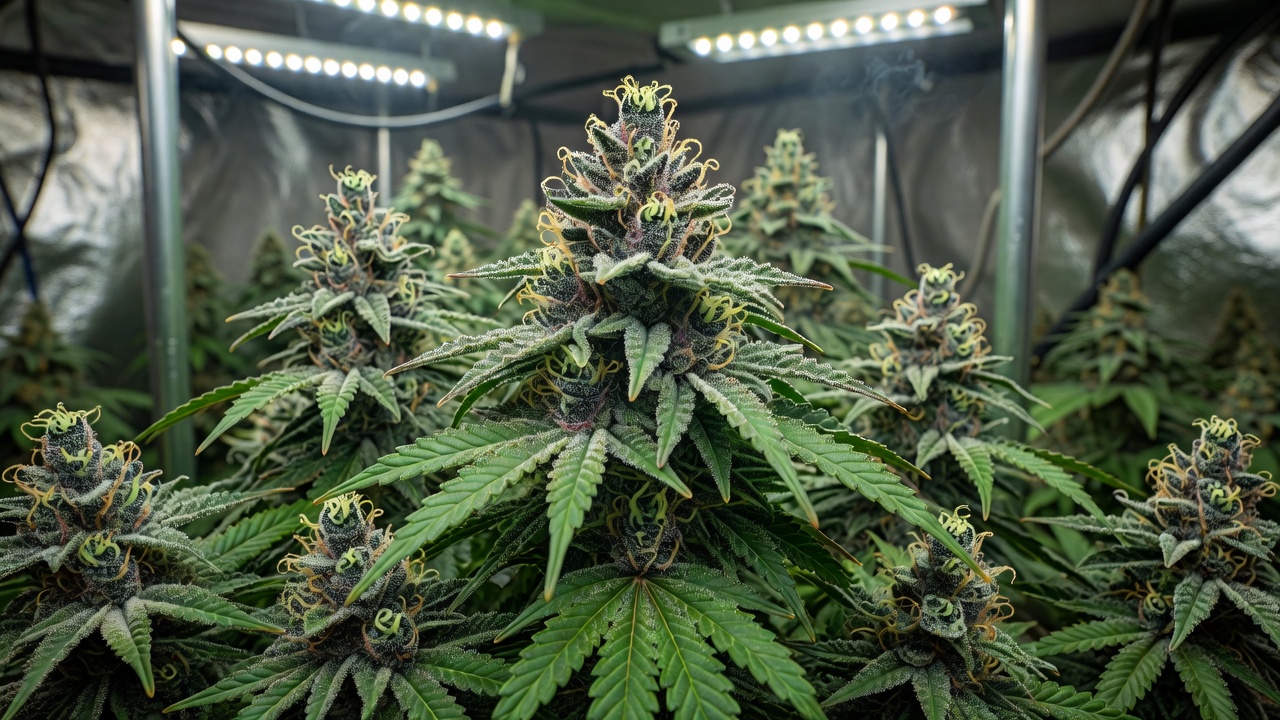
White Widow offers a hybrid profile with Brazilian sativa and Indian indica roots, providing energetic effects alongside ease of cultivation. Plants exhibit strong branching and dense buds coated in trichomes, thriving in varied conditions. Beginners appreciate its mold resistance and ability to handle moderate nutrient fluctuations.
Start with quality feminized seeds for higher success rates. Maintain humidity at 40-50 percent during flowering to prevent issues, and prune lower leaves for better airflow. Yields average 450-550 grams per square meter, with outdoor plants producing up to 600 grams each in suitable climates. In 2026, integrate smart sensors for precise environmental monitoring to optimize results. One concrete tip is topping plants at the fourth node to encourage bushier growth without risking shock.
White Widow Environmental Adjustments
Keep daytime temperatures at 72-78°F and nighttime drops of no more than 10 degrees. Use a simple oscillating fan on low to strengthen stems. If nutrient burn appears on leaf tips, flush with pH-balanced water for three days before resuming feeding at reduced strength.
Blue Dream: Versatile and Forgiving for Any Setup
Blue Dream combines Blueberry and Haze genetics for a balanced hybrid that grows vigorously yet remains manageable. Its resilience to temperature swings and pests makes it perfect for first-time growers experimenting with different environments. The strain flowers in 9-10 weeks, producing sweet, berry-flavored buds.
Provide consistent light cycles of 18/6 during veg and 12/12 for bloom. Train plants lightly with LST techniques to maximize light exposure without stress. Indoor yields hit 500-600 grams per square meter, while outdoor harvests can exceed 1 kg per plant in Mediterranean-like conditions. Update your grow with 2026’s advanced ventilation systems for superior air quality. A real-world example involves placing young plants near a south-facing window supplemented by LEDs if natural light dips below 12 hours.
Training and Support Techniques for Blue Dream
Apply low-stress training by gently bending branches and securing them with soft ties during weeks three through six. This creates an even canopy and increases bud sites. Monitor for spider mites weekly by inspecting leaf undersides; early detection allows simple neem-oil sprays to resolve issues before spread.
Setup Recommendations for 2026 Home Growers
Modern beginners should invest in a 4×4 grow tent with automated controls for temperature, humidity, and lighting. Full-spectrum LED panels consuming under 300W deliver efficient results while reducing energy costs. Soil growers benefit from living soil mixes amended with compost teas, whereas coco coir offers faster growth for hydro enthusiasts.
- Germination: Use paper towel method or starter plugs in a propagator.
- Vegetative stage: Focus on nitrogen-rich feeds and 18 hours of light.
- Flowering: Switch to phosphorus and potassium boosters, monitor pH at 6.0-6.5 in soil.
- Harvest: Check trichomes with a jeweler’s loupe for milky to amber hues.
Always source seeds from trusted suppliers to ensure genetic quality and legality in your area. Add a practical weekly checklist: test runoff pH every watering, record temperatures twice daily, and rotate plants for even light exposure. For soil growers, brew a simple compost tea using worm castings and molasses once every two weeks during vegetation to boost microbial activity.
Matching Strains to Your Growing Environment
Indoor growers with limited space thrive with Northern Lights for its compact stature. Those in humid climates prefer White Widow’s mold resistance, while Blue Dream suits variable outdoor conditions with its adaptability. Test your local climate data and adjust ventilation accordingly. For more on safe cannabis practices, consult CDC resources and FDA guidelines on cultivation and use.
Experimenting with these strains builds confidence, leading to higher success rates in subsequent grows. Focus on consistency in care routines to unlock each variety’s full potential. Track every grow in a simple notebook noting dates, feed amounts, and observations to refine techniques over time.